Interest in holistic medicine is rising worldwide, as more people seek integrative solutions for health and wellness. The mind-body-spirit approach is gaining acceptance in mainstream care, reshaping how professionals and individuals view healing. When you study holistic medicine, you gain tools for personal well-being and open doors to meaningful careers. This guide offers a clear, step-by-step path for anyone ready to start their journey in 2025. You will discover the core concepts, how to choose the right educational path, essential skills, certification options, real-world experience, and what the future holds for this dynamic field.
Understanding Holistic Medicine: Foundations and Principles
Holistic medicine is gaining momentum worldwide as people seek more comprehensive approaches to health. If you want to study holistic medicine, it is essential to grasp its underlying philosophies and evolving practices. This section explores what sets holistic medicine apart, its foundational principles, evidence-based integration, and the latest trends shaping its future.

Defining Holistic Medicine
To study holistic medicine, you must first understand its core philosophy: treating the whole person, rather than focusing solely on symptoms. Holistic practitioners look at the mind, body, and spirit as interconnected aspects of health. In contrast, conventional medicine often targets specific ailments or body systems without considering the broader context.
At its heart, holistic medicine emphasizes prevention, patient empowerment, and supporting the body's natural healing processes. For example, naturopathy encourages lifestyle changes and natural therapies, while traditional Chinese medicine uses acupuncture and herbal remedies to restore balance. Ayurveda, originating in India, applies diet, herbs, and daily routines to harmonize mind and body. Functional medicine investigates root causes and system imbalances.
To truly study holistic medicine, it is vital to appreciate these diverse traditions and their shared commitment to whole-person care.
Key Principles and Modalities
Holistic medicine is guided by principles like the Therapeutic Order, which suggests starting with the least invasive interventions and progressing to more intensive therapies only when necessary. Root-cause analysis is also central, urging practitioners to look beyond obvious symptoms to find underlying contributors.
Major modalities include:
- Nutrition therapy
- Herbal medicine
- Homeopathy
- Acupuncture
- Energy therapies (like Reiki or Qigong)
The global wellness market illustrates the growing acceptance of these approaches. According to the Global Wellness Institute, the market reached $4.5 trillion in 2023, highlighting the demand for those who wish to study holistic medicine.
This broad spectrum of therapies allows for personalized care, whether addressing chronic illness, mental health, or preventative wellness.
The Role of Evidence-Based Practice
Modern holistic medicine integrates scientific research with traditional wisdom. Practitioners who study holistic medicine learn to evaluate and apply the best available evidence while respecting time-tested practices.
For instance, mindfulness meditation is now widely supported by research for managing anxiety and stress. Nutritional interventions, acupuncture, and certain herbal remedies have also shown measurable benefits in clinical studies. Hospitals and universities are increasingly opening integrative medicine centers, reflecting a shift toward combining conventional and holistic modalities.
This evidence-based approach ensures that students who study holistic medicine can bridge the gap between tradition and science, providing safe and effective care.
Holistic Medicine in 2025: Trends and Innovations
Looking ahead to 2025, the field continues to evolve. Digital health tools, remote learning, and personalized wellness plans are becoming standard for those who choose to study holistic medicine.
Innovations such as artificial intelligence, wearable health trackers, and big data analytics are helping practitioners create more tailored care strategies. Group visits, community-based care, and telehealth are also on the rise, making holistic services more accessible.
These advancements empower students and professionals to connect with clients in new ways, harnessing technology while maintaining the human touch that defines holistic care.
Mapping Your Educational Pathway in Holistic Medicine
Embarking on the journey to study holistic medicine requires a clear, actionable educational pathway. With so many program types and learning formats available, understanding your options is crucial. Whether you are new to the field or seeking to advance your expertise, strategic planning ensures you gain the knowledge and practical skills needed for a rewarding holistic health career.

Exploring Study Options: Certificates, Degrees, and Self-Study
When you decide to study holistic medicine, you will discover a variety of educational pathways. Options range from short-term certificate programs to full undergraduate and graduate degrees. Many practitioners begin with a certificate or diploma, which can be completed in months and provides foundational knowledge.
Formal education is ideal for those seeking structured learning and recognized credentials. Undergraduate degrees in holistic health, naturopathy, or related fields offer extensive coursework and clinical training. Graduate programs, such as a Master’s in Integrative Health, allow for advanced specialization.
If you prefer flexibility, informal self-study is a viable alternative. Books, online courses, webinars, and mentorship can help you study holistic medicine at your own pace. According to recent data, growth in holistic health programs has surged by 20% since 2020, reflecting increasing interest and diverse study options.
| Program Type | Duration | Format | Credential |
|---|---|---|---|
| Certificate | 3–12 months | Online/In-person | Certificate |
| Diploma | 1–2 years | Hybrid | Diploma |
| Undergraduate Degree | 3–4 years | In-person/Hybrid | Bachelor’s Degree |
| Graduate Degree | 1–2 years | In-person/Online | Master’s/Doctorate |
| Self-Study | Varies | Flexible | None/CE Credits |
Choosing the Right School or Program
Selecting the ideal institution to study holistic medicine is a pivotal step. Accreditation ensures your education meets professional standards and is recognized by employers. Look for programs with a robust curriculum, experienced faculty, and ample clinical training opportunities.
Consider well-established schools such as Bastyr University or the National University of Natural Medicine. Online platforms like Coursera and Udemy offer accessible courses for foundational learning. Post-pandemic, hybrid and online learning formats have become mainstream, making it easier to balance study holistic medicine with other commitments.
For a comprehensive overview of educational pathways, Holistic Family Practice educational programs provide a range of options, from introductory courses to full certification and degree programs. Evaluate the program’s alignment with your career goals, learning style, and schedule.
Understanding Prerequisites and Admissions
Before you enroll to study holistic medicine, review each program’s prerequisites. Most certificate and diploma programs require a high school diploma or equivalent. Undergraduate degrees may expect prior coursework in biology, chemistry, or health sciences. Graduate programs often require a related bachelor’s degree and relevant experience.
Admissions processes typically include submitting academic transcripts, application essays, and sometimes interviews. Prepare a compelling personal statement that reflects your passion for holistic health. Many schools are increasing diversity and accessibility, offering support for students from varied backgrounds.
Stay organized by creating a checklist of requirements and deadlines. Engaging with admissions advisors can help clarify expectations and improve your chances of acceptance.
Financial Planning and Scholarships
Financing your education is a critical part of your plan to study holistic medicine. Tuition varies widely, with certificate programs ranging from a few hundred to several thousand dollars, and degree programs costing significantly more. Many institutions offer scholarships, grants, and financial aid to help offset costs.
Investigate available funding early. Scholarships may be based on academic merit, financial need, or focus areas such as integrative health research. Some programs offer work-study positions, allowing you to gain experience while earning income.
Budgeting is essential. Track tuition, fees, textbooks, and living expenses to avoid surprises. Balancing part-time work or internships with coursework can make your study holistic medicine journey more manageable.
Building a Personalized Learning Plan
To maximize your success as you study holistic medicine, set clear educational and career goals. Decide whether you want to become a practitioner, educator, or researcher. Combine formal study with experiential learning through workshops, conferences, and mentorship.
Use digital tools to track your progress, set milestones, and stay motivated. Seek out communities of practice, such as professional associations or online forums, for networking and peer support.
A well-rounded plan integrates academic study with real-world experience. By taking a strategic approach, you will be prepared for both certification and a fulfilling career in holistic health.
Essential Skills and Knowledge for Holistic Medicine Students
To thrive as a student and future practitioner, it is crucial to master a diverse set of skills and knowledge areas. Anyone who wants to study holistic medicine needs to build a strong foundation in both scientific and interpersonal domains. These competencies not only prepare you for academic success but also ensure you deliver meaningful, patient-centered care. Let us explore the essential skills every holistic medicine student should develop.

Core Competencies: Science, Communication, and Self-Awareness
Solid scientific grounding is the cornerstone for those who study holistic medicine. Understanding anatomy, physiology, biochemistry, and nutrition is not optional; it is essential for safe practice. Students must also cultivate advanced communication skills, including active listening and empathy, to foster trust and deliver patient-centered care.
Self-awareness plays a significant role. By engaging in personal wellness practices and reflective journaling, students are better equipped to model healthy behaviors for others. Combining scientific literacy, communication, and self-reflection ensures a holistic approach to both learning and professional practice.
- Anatomy and physiology fundamentals
- Nutrition and biochemistry basics
- Active listening and patient rapport
- Personal wellness routines
Integrative Assessment and Clinical Reasoning
A key skill for those who study holistic medicine is the ability to conduct comprehensive health assessments. This involves gathering information on physical, mental, emotional, and lifestyle factors. Case studies are often used to teach students how to integrate lab data with patient narratives, offering a 360-degree view of health.
Clinical reasoning is developed through practice. Students learn to identify underlying patterns and root causes rather than simply addressing symptoms. This integrative assessment process leads to more personalized and effective care plans.
- Complete patient history taking
- Lifestyle and environmental analysis
- Synthesizing lab results and subjective reports
Cultural Competency and Decolonizing Healthcare
To study holistic medicine effectively, students must respect and understand diverse healing traditions. Cultural competency goes beyond awareness; it requires genuine appreciation for different perspectives and addressing systemic inequities in healthcare.
Decolonizing healthcare means valuing traditional knowledge, such as Afroindigenous practices, alongside established modalities. By honoring these traditions, students support health equity and inclusivity in their future practice.
- Awareness of global healing systems
- Addressing health disparities
- Inclusion of underrepresented knowledge
Ethical Practice and Professional Boundaries
Ethical practice forms the backbone for anyone aiming to study holistic medicine. Students must understand concepts like informed consent, patient confidentiality, and scope of practice. Navigating ethical dilemmas requires critical thinking and a strong sense of professional responsibility.
The “American Holistic Medical Association Code of Ethics” is a foundational resource. Adhering to ethical standards protects both practitioners and patients, ensuring trust and accountability in holistic care.
- Informed consent procedures
- Respect for patient autonomy
- Maintaining clear professional boundaries
Digital Literacy and Technology in Holistic Medicine
Modern students who study holistic medicine cannot ignore the impact of technology. Digital tools, such as telehealth, health apps, and remote monitoring, are now integral to both education and practice. Staying current with digital trends is vital for successful patient engagement and privacy protection.
For example, virtual holistic health services enable students to participate in remote learning and real-time patient care, expanding their reach and adaptability. Embracing technology ensures graduates are prepared for the evolving landscape of holistic medicine.
- Telehealth consultation platforms
- Electronic health record management
- Data privacy and security best practices
Certification, Licensing, and Professional Development
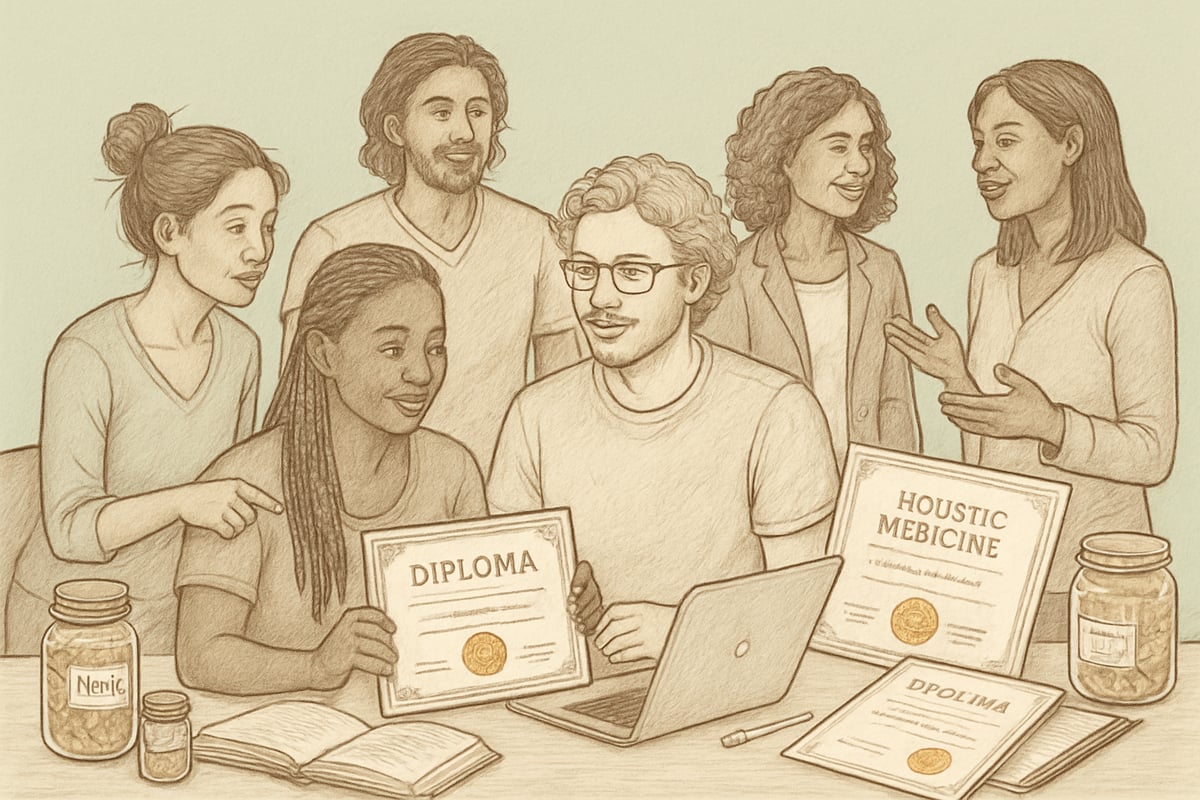
Achieving certification and maintaining professional development are essential steps as you study holistic medicine. Whether your goal is clinical practice, education, or research, understanding the landscape of credentials and ongoing learning is crucial for long-term success in this ever-evolving field.
Navigating Certification and Credentialing
As you study holistic medicine, navigating the world of certification, licensure, and credentialing becomes vital. Major certifying bodies include the National Certification Commission for Acupuncture and Oriental Medicine (NCCAOM) and the Board for Certification of Nutrition Specialists (BCNS). These organizations set standards and ensure practitioners meet rigorous educational and ethical criteria.
Certification, licensure, and registration are not interchangeable. Certification typically involves passing a standardized exam to demonstrate competency. Licensure is a legal requirement in certain states or countries, while registration might be voluntary or mandatory depending on local laws. Regulations can vary widely, so always check your local requirements before you begin your studies.
To understand how professional recognition shapes the field, you can review recent trends in the U.S. Complementary and Alternative Medicine Market Report, which highlights the importance of credentials and the growing demand for qualified practitioners.
| Certifying Body | Modality/Field | Credential Type |
|---|---|---|
| NCCAOM | Acupuncture, Oriental Med. | Certification |
| BCNS | Nutrition | Certification |
| State Boards | Varies by region | Licensure |
Preparing for Exams and Credentialing Processes
The journey to credentialing requires thorough preparation as you study holistic medicine. Start by familiarizing yourself with the exam format, required competencies, and timelines for each credential. Most certifying bodies provide detailed candidate handbooks outlining the process.
Effective exam prep often includes:
- Study guides and official textbooks
- Practice exams and mock assessments
- Review courses and webinars
For example, NCCAOM exams may have pass rates around 70 to 80 percent, with timelines ranging from several months to over a year, depending on your study schedule. Planning ahead and joining study groups can help you stay motivated and on track.
Remember, credentialing is not just a one-time event. Many organizations require ongoing education and periodic re-examination to maintain your status as a certified holistic medicine professional.
Continuing Education and Specialization
Ongoing learning is a cornerstone as you study holistic medicine. The field is dynamic, with new research, therapies, and technologies emerging regularly. Continuing education ensures you remain current and competitive.
Options for lifelong learning include:
- Webinars and online courses
- National and international conferences
- Specialty certifications in areas like functional medicine, botanical medicine, or integrative mental health
According to industry data, 70 percent of holistic practitioners pursue additional certifications within five years of initial credentialing. This commitment to growth allows you to respond to changing patient needs and expand your career opportunities.
Choosing a specialty can also help you stand out in a crowded marketplace, whether you focus on nutrition, acupuncture, or integrative coaching.
Building a Professional Network
Networking is essential as you study holistic medicine. Joining professional associations, such as the American Holistic Medical Association or the Integrative Health Policy Consortium, connects you with mentors and peers who can support your journey.
Benefits of a strong network include:
- Access to exclusive resources and job boards
- Invitations to industry events and workshops
- Opportunities for mentorship and peer collaboration
Online forums and social media groups can supplement in-person networking, offering a space to exchange ideas, discuss clinical cases, and stay informed about industry trends. Building relationships both locally and globally will enrich your professional life and foster resilience throughout your career.
Gaining Practical Experience and Building Your Career
Gaining real-world skills is essential as you study holistic medicine and prepare for your professional journey. Practical experience not only builds your confidence but also shapes your understanding of patient-centered care. Let’s explore the key steps to transition from student to successful holistic practitioner.
Clinical Rotations, Internships, and Mentorship
Hands-on training is fundamental for those who study holistic medicine. Clinical rotations, internships, and mentorships allow you to apply theory in real patient settings. These experiences often take place in integrative clinics, community health centers, or even through telehealth.
Mentorship connects you with seasoned practitioners who provide guidance, feedback, and support. Internships may offer exposure to specialized areas, such as herbal medicine or mind-body therapies. For example, observing holistic approaches to heart health and integrative care can deepen your clinical insight.
To maximize your growth, seek diverse placements. Engage in both in-person and virtual care environments. These experiences help you refine communication, learn ethical practice, and develop a patient-first mindset.
Creating a Holistic Practice or Joining a Team
As you study holistic medicine, consider your career path. Some graduates choose to launch their own holistic health practice, while others join established teams in clinics or wellness centers.
Starting a practice involves:
- Registering your business and understanding legal requirements
- Developing a business plan and setting up financial systems
- Creating a marketing plan to reach your ideal clients
Joining a team offers collaboration, shared resources, and built-in mentorship. In both scenarios, networking is vital. Attend local events, join professional associations, and connect with peers online.
A thoughtful approach to career planning ensures you can deliver holistic care effectively, whether as an entrepreneur or part of a multidisciplinary team.
Leveraging Technology and Digital Health Tools
Technology is transforming how students study holistic medicine and deliver care. Digital health tools, such as telemedicine platforms and health tracking apps, enable practitioners to reach clients beyond geographic boundaries.
Building an online presence is equally important. A professional website, blog, or social media profile helps you educate and connect with your community. Use digital tools to schedule appointments, share resources, and monitor patient progress remotely.
Stay current with new technologies. Explore online continuing education, and consider integrating wearable health devices into your practice. Digital literacy enhances both your clinical effectiveness and your ability to adapt in a rapidly changing field.
Navigating Challenges and Building Resilience
Choosing to study holistic medicine comes with unique challenges. Practitioners often face skepticism, regulatory hurdles, and the risk of burnout. Building resilience is critical for long-term success and well-being.
Common challenges include:
- Navigating complex regulations and scope-of-practice laws
- Addressing public misconceptions about holistic health
- Managing workload and maintaining personal wellness
Develop support systems by joining peer groups, mentorship circles, or professional associations. Prioritize self-care practices such as mindfulness, movement, and regular reflection. Resilient practitioners are better equipped to overcome obstacles and sustain their passion for holistic care.
Expanding Your Impact: Advocacy and Education
Beyond clinical care, those who study holistic medicine can make a difference through advocacy and education. Opportunities include teaching, public speaking, writing articles, or participating in health campaigns.
Engage in public health initiatives or collaborate on policy change to promote integrative care. The field is expanding rapidly, with the Global Integrative Health Market Forecast predicting continued growth and demand for skilled professionals.
Consider hosting webinars, starting a podcast, or leading workshops. By sharing knowledge and advocating for holistic health, you help shape the future of integrative medicine and inspire the next generation of practitioners.
The Future of Holistic Medicine: Opportunities and Challenges in 2025
As we look ahead to 2025, those who study holistic medicine are entering a landscape filled with transformation and promise. The field is expanding, driven by evolving roles, new technologies, and a growing appreciation for integrative health. Understanding the future trends can help you position yourself for success and make informed decisions about your education and career path.
Emerging Career Paths and Market Growth
The future for those who study holistic medicine is bright, with new career paths emerging rapidly. Health coaches, integrative wellness consultants, digital health specialists, and educators are in increasing demand. According to market data, the global holistic health market is projected to grow at an 8% CAGR through 2028. The herbal medicine sector alone is expected to reach a valuation of over $533 billion by 2033, reflecting robust expansion and innovation (Herbal Medicine Market Valuation Report).
Practitioners with expertise in both traditional and digital modalities will find themselves especially well positioned. As you study holistic medicine, consider specializing in areas like wearable health tech or culturally competent care to align with industry needs.
Challenges Facing Holistic Medicine Students
While the opportunities are significant, students who choose to study holistic medicine must also navigate unique challenges. Misinformation and regulatory shifts can create confusion in both education and practice. Public skepticism remains in some regions, especially when holistic approaches are not well understood or integrated with conventional care.
Students may also face the task of balancing tradition with ongoing innovation. Accessibility and inclusivity are ongoing concerns, as some communities still have limited access to integrative health services. Staying informed about policy changes and advocating for evidence-based practices will be essential for future practitioners.
Global Perspectives and Interdisciplinary Collaboration
The movement to study holistic medicine is now a global phenomenon, with international programs and cross-cultural exchanges on the rise. Collaboration between holistic and conventional healthcare providers is becoming the norm, not the exception. Many major hospitals have opened integrative medicine clinics, creating new opportunities for interdisciplinary teamwork.
By participating in global learning cohorts or attending international conferences, students gain valuable perspectives on healing traditions worldwide. This exposure helps build cultural competency and fosters innovation that bridges ancient wisdom with modern science.
Preparing for Lifelong Learning and Adaptability
To thrive as you study holistic medicine, lifelong learning is indispensable. The field evolves quickly, with new research, technologies, and patient needs emerging regularly. Practitioners must stay current with best practices, whether through advanced certifications, webinars, or professional associations.
Developing adaptability will ensure your skills remain relevant and your career sustainable. Seek out mentorship, engage in continuous education, and remain open to change. By cultivating resilience and a growth mindset, you will be well prepared for a fulfilling and impactful future in holistic medicine.
As you explore the many pathways and practical steps to study holistic medicine, you might be wondering where to begin your own journey. The best way to experience what holistic education truly offers is to dive in and see for yourself. That’s why I invite you to start with our accessible, expertly designed introductory course. You’ll gain a solid foundation in holistic principles, connect with a supportive community, and discover how science and tradition come together to empower your well-being and your future career. Ready to take the first step? Check out Intro to Holistic Medicine I.