Embarking on your journey health and wellness can be a life-changing adventure. Today, more people recognize that true wellbeing means thriving physically, mentally, and socially.
This guide is designed to give you actionable steps, expert insights, and the latest trends to help you reach your optimal health by 2026. You will find a clear roadmap that supports your holistic growth and empowers you to take charge.
Explore foundational wellness principles, discover community resources, and gain practical tools to shape your personal pathway. Now is the time to prioritize your wellbeing and start your journey toward a healthier, more vibrant future.
Foundations of Holistic Wellbeing
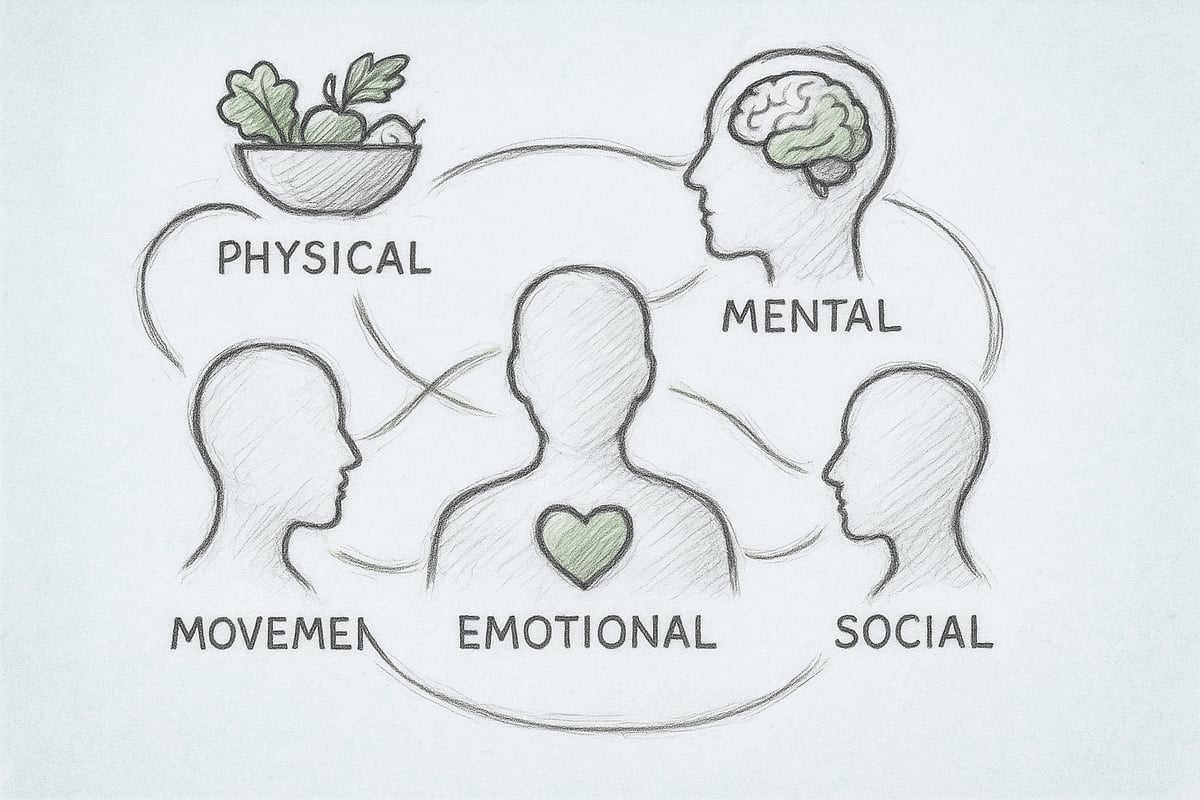
Holistic wellbeing is at the heart of every successful journey health and wellness story. Rather than focusing solely on symptoms or isolated health goals, holistic health embraces the interconnectedness of your body, mind, emotions, and social life. This approach recognizes that optimal wellness is not just the absence of illness, but the presence of vitality, resilience, and purpose.
What Is Holistic Health?
Holistic health is the integration of all aspects of your life—physical, mental, emotional, and social wellbeing. This means your journey health and wellness is shaped not only by what you eat or how much you exercise, but also by your relationships, mindset, and environment. Self-care in this context is comprehensive, considering your unique needs and circumstances.
The Six Pillars of Holistic Wellbeing
To set a strong foundation for your journey health and wellness, focus on these six evidence-based pillars:
- Nutrition: Eating a balanced, whole-foods diet that supports energy and longevity.
- Movement: Engaging in regular physical activity, from walking to strength training.
- Sleep: Prioritizing consistent, restorative sleep for body and brain repair.
- Stress Management: Practicing techniques such as mindfulness, deep breathing, or yoga.
- Social Connection: Building supportive relationships with friends, family, and community.
- Purpose: Finding meaning in your daily life, work, or passions.
Preventative Care and Lifestyle Medicine
Prevention is the cornerstone of holistic wellbeing. According to the CDC, 6 in 10 Americans live with a chronic disease, many of which are preventable through healthy lifestyle choices. Lifestyle medicine encourages you to take proactive steps, such as healthy eating and regular movement, to reduce risk factors before they become health problems.
Communities known as Blue Zones, where people routinely live into their 90s and beyond, offer powerful examples. These populations thrive on plant-based diets, daily movement, strong social ties, and a sense of purpose—key components of the journey health and wellness philosophy.
Benefits of a Holistic Approach
The holistic model delivers measurable, life-changing benefits. Research shows that integrating physical, mental, and social care can lead to:
| Benefit | Evidence/Source |
|---|---|
| Reduced chronic disease risk | CDC, Blue Zones studies |
| Improved mental health | Mindfulness and social support data |
| Enhanced quality of life | Patient-reported outcomes |
With holistic strategies, your journey health and wellness can lead to longer, healthier, and more fulfilling lives.
Self-Awareness and Overcoming Barriers
Starting your journey health and wellness begins with honest self-assessment. Tools like wellness wheels or health risk appraisals help you identify strengths and areas for growth. Common challenges—such as limited time, low motivation, or lack of resources—affect almost everyone. However, practical solutions and support are available.
To deepen your understanding and access practical tips, explore Holistic health and wellness insights for expert guidance and real-life strategies.
By building self-awareness, addressing barriers, and focusing on the core pillars, you lay the groundwork for a successful journey health and wellness. This foundation will empower you to make sustainable changes that last well beyond 2026.
Mapping Your Personal Wellness Pathway
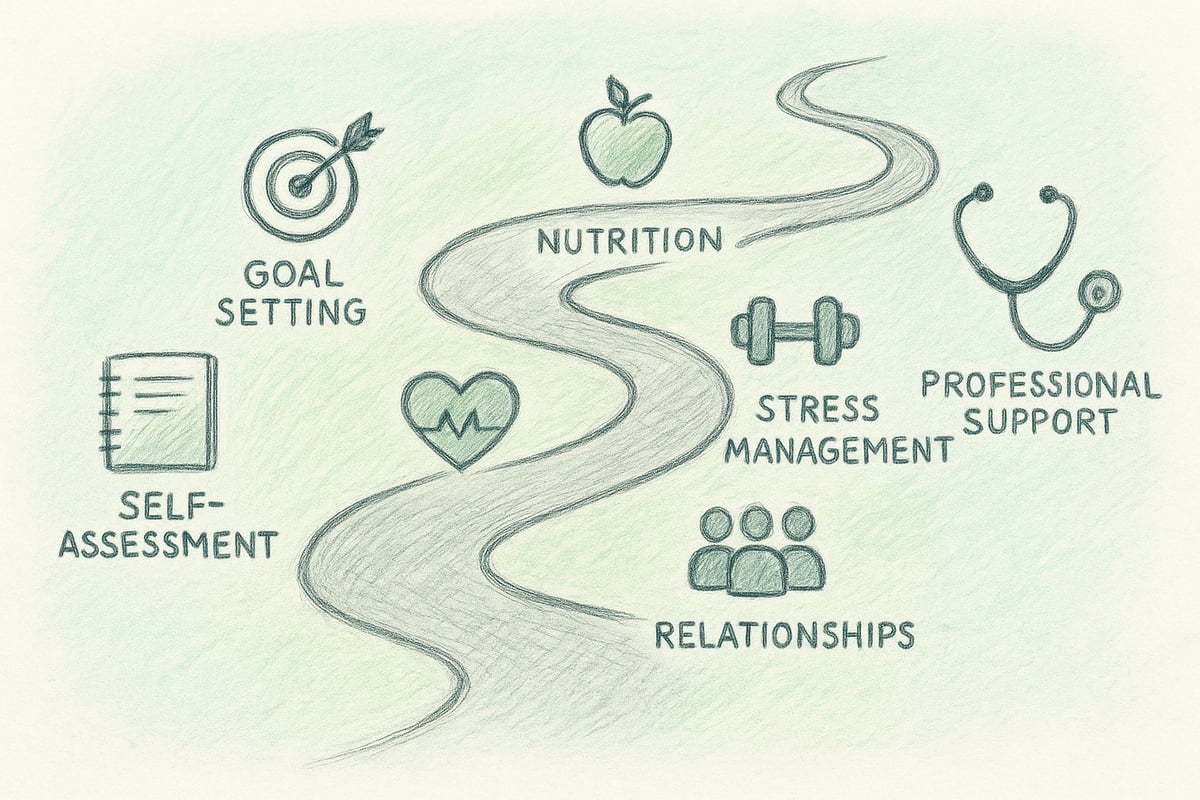
Embarking on your journey health and wellness requires more than inspiration. It calls for a structured, personalized roadmap that guides you from intention to sustainable action. By breaking down the process into clear steps, you can build a lifestyle that supports your goals now and well into 2026.
Start with Self-Assessment
The first step in your journey health and wellness is honest self-assessment. Understanding your starting point helps you set realistic goals and measure progress over time. Tools like the wellness wheel, health risk appraisals, and digital trackers provide valuable insights into your physical, mental, and social wellbeing.
Consider using comprehensive health assessments to identify strengths and areas for improvement. These tools offer a holistic snapshot, helping you focus your efforts where they matter most.
Set SMART Goals for Success
Once you have a clear picture, define your vision for journey health and wellness by setting SMART goals. SMART stands for Specific, Measurable, Achievable, Relevant, and Time-bound. For example, instead of “get healthier,” try “walk 7,000 steps daily for the next three months.”
Goal setting is not just motivational—it’s evidence-backed. According to a Dominican University study, individuals who set goals are up to 42% more likely to achieve them. This structured approach keeps you accountable and empowers you to celebrate small wins along your journey.
Personalize Your Wellness Plan
Every journey health and wellness is unique. Your motivators, challenges, and resources will differ from others. Reflect on what inspires you: Is it improved energy, better sleep, or stronger relationships? Consider potential barriers, such as limited time or motivation.
Adapt your plan to your life stage and current needs. For young adults, focus might be on building healthy routines, while older adults may prioritize mobility or managing chronic conditions. Personalization ensures your plan is sustainable and meaningful.
Leverage Professional Guidance
Support from professionals can be transformative for your journey health and wellness. Health coaches, therapists, dietitians, and clinicians bring expertise and accountability. If you face complex challenges or plateaus, seeking guidance can provide tailored solutions and encouragement.
Know when to reach out. If you encounter persistent stress, mental health concerns, or need help building routines, professional input can accelerate your progress and prevent setbacks.
Sample One-Year Wellness Roadmap
Mapping your journey health and wellness over a year helps turn big goals into manageable steps. Here’s a sample roadmap:
| Month | Focus Area | Example Goal |
|---|---|---|
| Jan–Mar | Nutrition | Prepare home-cooked meals 4x/week |
| Apr–Jun | Movement | Join a weekly walking group |
| Jul–Sep | Stress Management | Practice yoga twice per week |
| Oct–Dec | Relationships | Schedule monthly friend meetups |
Breaking down the year allows you to focus on one area at a time, building habits that stick.
Embrace Ongoing Evaluation
The journey health and wellness is not static. Regularly review your progress, celebrate achievements, and adjust your plan as life changes. Use digital trackers, journals, or check-ins with a mentor to stay accountable.
Remember, setbacks are natural. Adaptability and self-compassion are key as you continue to move forward on your personalized wellness path.
Navigating the Wellness Ecosystem in 2026
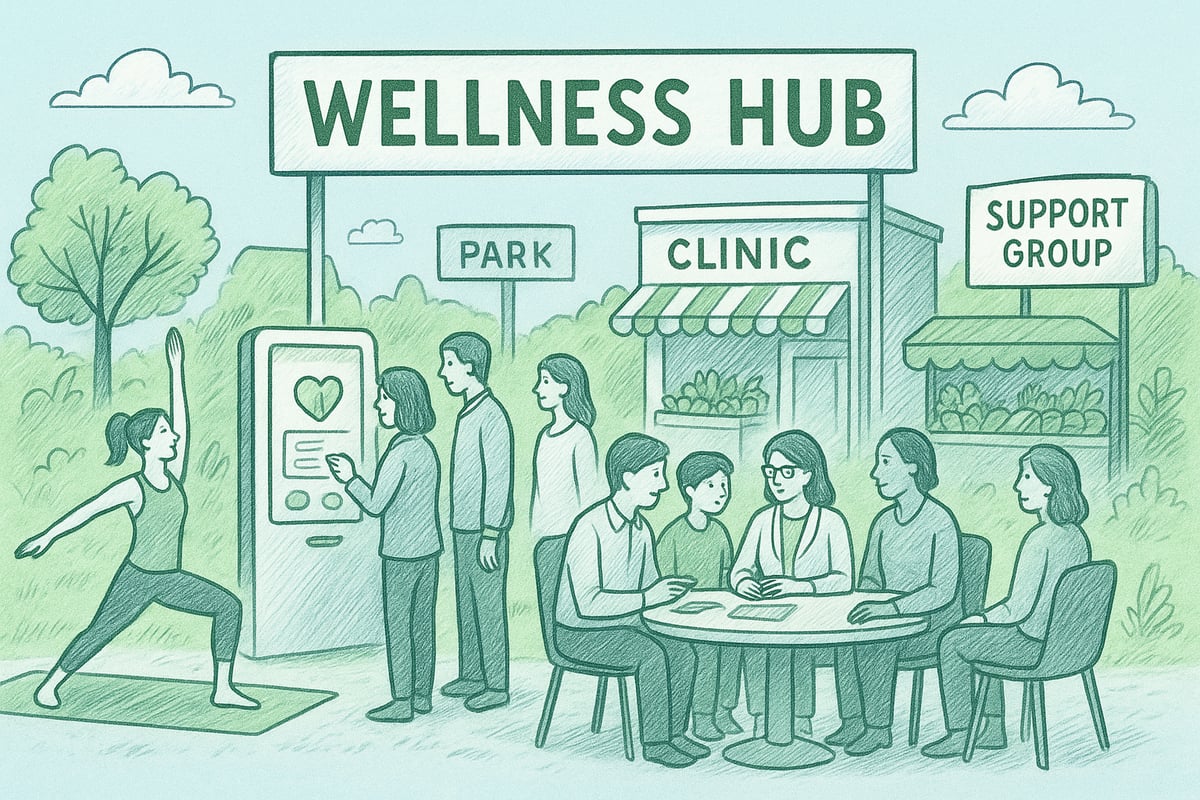
The wellness landscape in 2026 is more vibrant and interconnected than ever, offering diverse opportunities for anyone on a journey health and wellness path. The industry now blends clinical care, community resources, and cutting-edge digital solutions, all designed to support whole-person wellbeing.
The Expanding Wellness Industry
The journey health and wellness sector has experienced rapid growth, with the US wellness market forecasted to reach $7 trillion by 2026. This expansion reflects rising consumer demand for integrated services—spanning primary care, mental health, nutrition, fitness, and digital health platforms.
To understand the breadth of options, consider the following table:
| Service Type | Description | Example Provider |
|---|---|---|
| Primary Care | General health assessment, prevention | Family physician |
| Integrative Medicine | Combines conventional and holistic care | Integrative clinic |
| Mental Health | Counseling, therapy, behavioral support | Licensed therapist |
| Fitness & Movement | Exercise, rehabilitation, group classes | Fitness center, trainer |
| Nutrition | Diet planning, metabolic assessments | Registered dietitian |
| Digital Health | Apps, telehealth, remote monitoring | Health tech company |
This ecosystem empowers you to personalize your journey health and wellness experience, no matter your starting point.
Selecting and Evaluating Providers
With so many choices, finding reputable practitioners is key. Look for credentials, professional affiliations, and transparent service models. Many organizations now display verified patient reviews and outcome data, helping you make informed decisions for your journey health and wellness.
Use this checklist when evaluating providers:
- Verify licensure and certifications
- Assess experience with holistic or integrative approaches
- Review patient testimonials and published outcomes
- Consider accessibility—hours, location, virtual options
- Evaluate communication style and collaborative mindset
Community-based wellness collectives, such as support groups and local wellness hubs, are increasingly popular. These networks provide social connection, peer mentorship, and access to group activities, all supporting your ongoing journey health and wellness.
Community Initiatives and Local Examples
Communities play a vital role in shaping wellness opportunities. Johnson County, for example, has developed an Employer Resource Network that connects residents with health coaches, wellness programs, and preventive screenings. Local parks, walking trails, and farmers' markets further enhance access to healthy choices.
Public health campaigns and wellness fairs are now common, fostering environments where journey health and wellness is a shared goal. These initiatives build social support, which is strongly linked to improved health outcomes and resilience.
Insurance, Access, and Future Trends
Insurance coverage is evolving to include more holistic services—many plans now offer partial reimbursement for integrative therapies, mental health care, and digital health subscriptions. Flexible payment models, such as memberships and sliding-scale fees, have made journey health and wellness resources more accessible.
The rise of hybrid care models—blending in-person and virtual options—means you can tailor your support network. For a comprehensive look at how the market is shifting, Health and Wellness Market Projections offers insights into consumer trends and future opportunities.
As the journey health and wellness ecosystem continues to expand, individuals are empowered to craft personalized, sustainable paths to wellbeing. With the right knowledge, tools, and support, your wellness journey in 2026 can be both rewarding and transformative.
Wellness Trends and Innovations for 2026
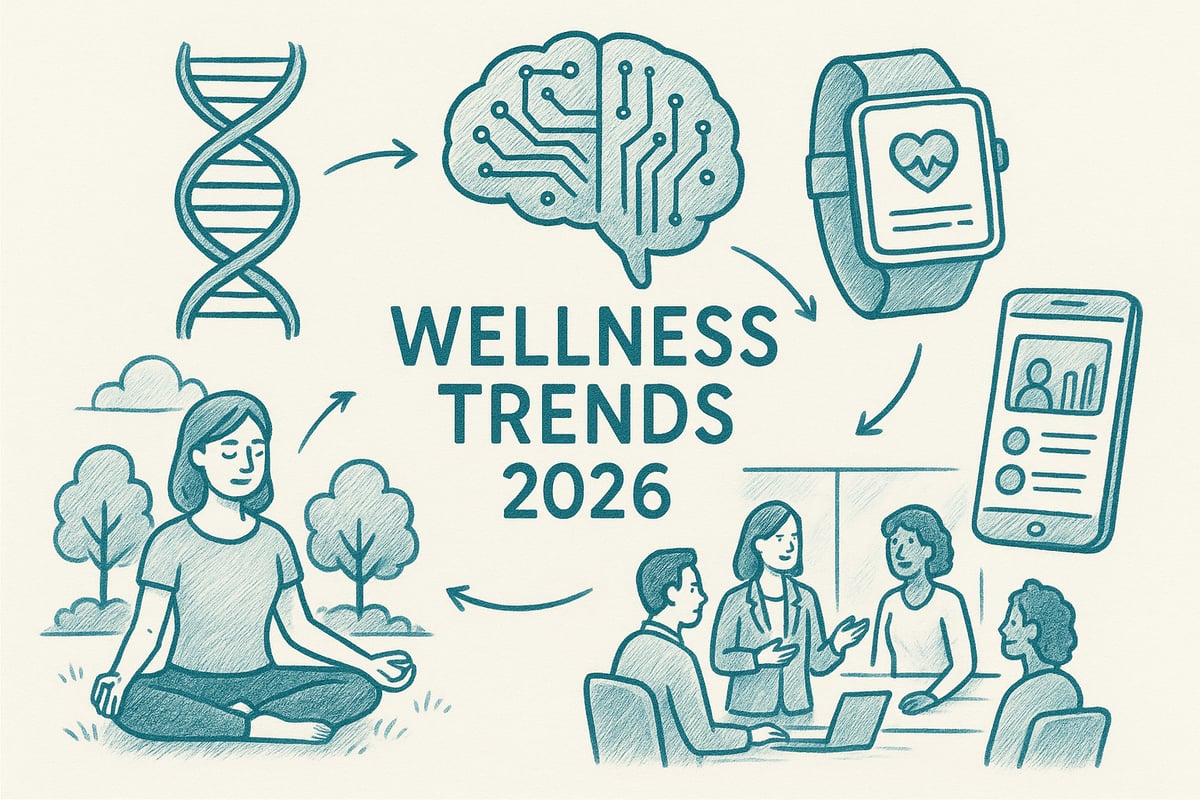
The landscape of journey health and wellness is evolving rapidly, with 2026 poised to be a landmark year for innovation. Individuals and organizations alike are embracing a holistic approach, placing equal emphasis on physical, mental, and social wellbeing. As you navigate this dynamic field, staying informed about key trends will empower you to make proactive, evidence-based choices.
Personalized Nutrition and Microbiome Health
Personalized nutrition is at the forefront of journey health and wellness. Advances in genetic testing and microbiome analysis now allow you to tailor dietary choices to your unique biology. This approach goes beyond standard guidelines, offering targeted recommendations that can improve digestion, energy, and long-term health.
Microbiome research is also gaining traction. Scientists are uncovering how gut bacteria influence immunity, mood, and disease risk. In 2026, expect to see more at-home testing kits and AI-driven platforms delivering customized meal plans. These innovations are making it easier to align your nutrition with your wellness goals.
Mental Wellness Tech and Biohacking
Technology is transforming how we support mental health as part of the journey health and wellness. Wearable devices and mobile apps now offer real-time feedback on stress, sleep, and mood. Artificial intelligence powers personalized mindfulness routines and mental health support, bridging gaps in traditional care.
Biohacking is entering the mainstream, with individuals using data-driven strategies to optimize cognitive performance and emotional wellbeing. Techniques like neurofeedback, digital detox protocols, and light therapy are becoming accessible to the public. If you want to stay ahead, consider exploring Emerging Wellness Trends for 2026 for additional insights into how technology is shaping the future of wellness.
Hybrid Care, Traditional Healing, and Inclusivity
Hybrid care models are redefining journey health and wellness by blending virtual, in-person, and community-based services. Telehealth platforms enable remote consultations, while local wellness hubs offer group programs and integrative therapies. This flexibility ensures that support is available regardless of location or circumstance.
The integration of traditional healing practices with modern science is also on the rise. Techniques such as acupuncture, herbal medicine, and mindfulness are being validated by research and adopted in mainstream settings. These approaches foster inclusivity and address health equity, making holistic care accessible to diverse populations.
Workplace Wellness and Industry Predictions
Workplace wellness is becoming a strategic priority for employers. By 2026, the CDC reports that 60 percent of organizations offer wellness programs, reflecting a commitment to employee health and productivity. Initiatives include mental health resources, flexible schedules, and on-site fitness. For a deeper dive into these developments, visit Workplace Wellbeing Trends 2026.
Looking ahead, the journey health and wellness industry is set to expand further, with a focus on personalization, digital innovation, and community engagement. Expect a surge in online education, advanced health apps, and collaborative wellness networks. Staying informed and adaptable will help you maximize the benefits of these trends as you chart your path to optimal wellbeing.
Practical Tools and Resources for Your Wellness Journey
Embarking on your journey health and wellness requires more than good intentions. The right tools, resources, and support systems can transform your goals into lasting habits. This section explores proven strategies and practical solutions to help you thrive, no matter where you are on your journey health and wellness path.
Essential Wellness Tools
The foundation of any successful journey health and wellness plan is built on simple, effective tools. Planners and journals provide structure, helping you track progress and reflect on daily habits. Habit trackers can motivate you to stay consistent with movement, nutrition, or mindfulness practices.
Self-assessment checklists help you identify strengths and areas for growth. For example, a wellness wheel can prompt you to consider all aspects of health—physical, emotional, social, and spiritual. These tools make it easier to see where you excel and where you might need support on your journey health and wellness.
Table: Popular Wellness Tools
| Tool Type | Purpose | Example |
|---|---|---|
| Planner | Organize goals and routines | Digital or paper |
| Journal | Reflect on progress and mindset | Gratitude journal |
| Habit Tracker | Monitor daily habits | Mobile app, stickers |
| Self-Assessment | Identify wellness gaps | Wellness wheel |
Leveraging Digital Resources
Technology now plays a central role in the journey health and wellness landscape. From health apps that track nutrition and sleep to wearable devices that monitor activity, digital resources offer real-time feedback and personalized insights. These tools are especially helpful for setting reminders, visualizing progress, and staying accountable.
A growing number of individuals rely on wellness tools and digital health apps to manage chronic conditions, connect with care teams, and access virtual consultations. With 75% of adults seeking health information online, digital solutions provide convenient access to evidence-based guidance for your journey health and wellness.
Educational Content for Lifelong Learning
Knowledge is power when it comes to journey health and wellness. Podcasts, YouTube channels, newsletters, and blogs offer ongoing opportunities to learn from experts and peers. Topics range from nutrition science to stress management and emotional health.
Choosing credible sources is essential. Look for educational content produced by licensed professionals or organizations with a strong reputation in the wellness field. For those focusing on mental and emotional wellness, curated mental and emotional health strategies can provide actionable tips and inspiration to support your journey health and wellness.
Building Supportive Wellness Communities
Community engagement is a powerful driver of success in journey health and wellness. Joining online forums, local support groups, or participating in wellness challenges can boost motivation and accountability. Sharing experiences and celebrating milestones with others creates a sense of belonging.
Many communities offer themed challenges or workshops that focus on different aspects of wellness, such as mindful eating or movement. These group activities can make your journey health and wellness more enjoyable and sustainable.
Evidence-Based Decision Making
With countless supplements, products, and wellness services available, making informed choices is vital. Evaluate new offerings by checking for clinical evidence, reading unbiased reviews, and consulting healthcare professionals.
Beware of bold claims without scientific backing. Use reputable directories, such as Johnson County’s business listing for wellness resources, to find trusted providers. Evidence-based decision making ensures your journey health and wellness is grounded in facts, not fads.
Creating Your Personalized Resource List
Every journey health and wellness is unique, so your toolkit should reflect your individual needs and preferences. Start by listing resources that align with your goals—whether it is a favorite podcast, a local walking group, or a digital tracker.
Regularly update your list as you discover new tools or as your needs evolve. This personalized approach will help you maintain momentum and achieve lasting results on your journey health and wellness.
As you reflect on the holistic foundations and practical strategies we’ve explored together, remember that your journey to wellbeing is most powerful when you’re surrounded by support and inspiration. By connecting with like-minded individuals, you can access collective wisdom, stay motivated, and have expert resources at your fingertips. If you’re ready to take the next step and nurture your health in a truly integrated way, I invite you to Join Our Holistic Community for Updates — a space designed to empower, educate, and walk alongside you as you create your unique pathway to wellness.