Imagine stepping into an integrative wellness clinic where your mind, body, and spirit are truly heard. Here, healing is more than a quick fix, and your well-being takes center stage.
This guide will show you how an integrative wellness clinic can transform your health journey in 2026. You will learn what these clinics offer, how to find the right fit, and what to expect along the way.
Explore the evolution of integrative medicine, discover essential services, follow a real patient journey, and see what the future holds. Ready to experience holistic transformation? Let’s unlock your path to lasting wellness.
The Evolution of Integrative Wellness Clinics
Integrative wellness clinics have transformed the landscape of healthcare by uniting conventional medicine and holistic therapies. This evolution responds to the growing desire for care that addresses all aspects of a person's health. As demand rises, these clinics continue to shape a new standard for healing, well-being, and patient empowerment.

Defining Integrative Wellness
An integrative wellness clinic blends evidence-based medicine with complementary therapies such as nutrition, acupuncture, mindfulness, and herbal medicine. The focus shifts from merely treating symptoms to nurturing the whole person—mind, body, and spirit. This holistic philosophy empowers patients to be active participants in their health journey.
Unlike traditional practices, an integrative wellness clinic prioritizes personalized care and education. Practitioners collaborate to create individualized plans, addressing root causes rather than just managing conditions. The ultimate goal is to foster self-awareness and long-term vitality through a partnership between patient and provider.
Historical Context and Growth Trends
The foundation of the integrative wellness clinic model can be traced to early naturopathy, holistic medicine, and the functional medicine movement. Over the past decades, key milestones have included the introduction of integrative medicine departments at major hospitals like Cleveland Clinic and Mayo Clinic.
According to the Global Wellness Institute, the global wellness economy reached $4.5 trillion in 2022, reflecting a surge in consumer interest. More than 30% of US adults now utilize complementary health approaches, signaling mainstream acceptance. The integrative wellness clinic has become a hub for preventive, personalized care, driven by patient demand and evolving research.
Why 2026 is a Pivotal Year
In 2026, integrative wellness clinic models are reaching a tipping point. Post-pandemic priorities have shifted toward mental health, immunity, and chronic disease prevention. Advances in telemedicine, remote monitoring, and customized care plans are making holistic health more accessible than ever.
Regulatory changes and expanded insurance coverage are increasing the availability of integrative therapies. A growing research base supports their efficacy, while society moves toward self-empowerment and proactive health management. For a deeper look at industry-defining trends, see the 2025 integrative health trends.
Core Values and Philosophies in Modern Clinics
At the heart of every integrative wellness clinic lies a commitment to patient-centered care and shared decision-making. Prevention, education, and lifestyle medicine are core priorities, with respect for cultural diversity and traditional healing practices.
Modern clinics foster collaboration among medical doctors, naturopaths, and allied health professionals. The focus extends beyond acute care, emphasizing long-term wellness and empowering patients to take charge of their health. This approach ensures that care is both comprehensive and deeply personalized.
What Services Do Integrative Wellness Clinics Offer?
Navigating the offerings of an integrative wellness clinic reveals a spectrum of services designed to address health from every angle. These clinics combine conventional and complementary care to support physical, mental, and emotional well-being. Below, discover the core services that set integrative wellness clinics apart and empower patients on their holistic health journey.
Comprehensive Health Assessments
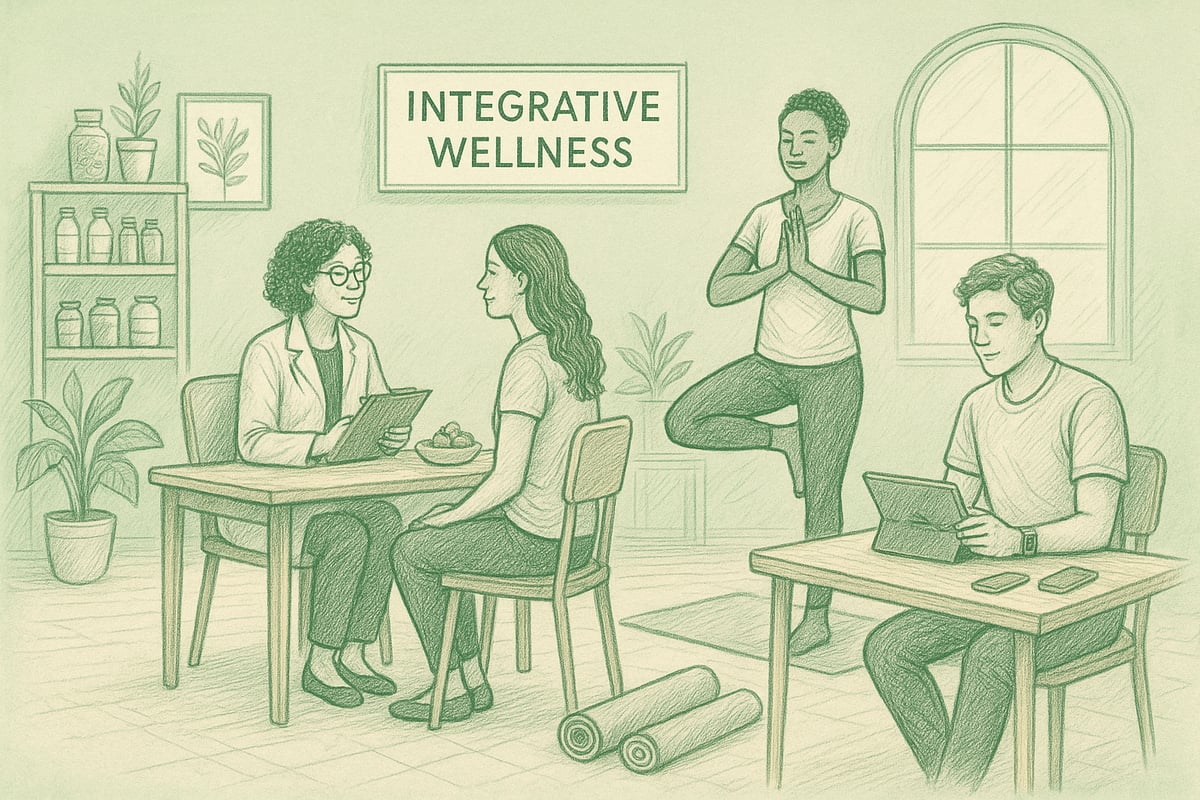
Every integrative wellness clinic begins with a comprehensive health assessment that considers the whole person. Rather than focusing solely on symptoms, practitioners evaluate physical, mental, emotional, and social factors influencing well-being.
Advanced diagnostics are a hallmark, including:
- Functional lab tests for hormones, nutrients, and gut health
- Genetic testing to personalize interventions
- Lifestyle and environmental analysis
For example, at the Cleveland Clinic Center for Functional Medicine, multidisciplinary teams use detailed intake processes to craft individualized health plans. This approach ensures patients receive tailored recommendations unique to their needs, reflecting the holistic foundation of an integrative wellness clinic. For deeper insights into this philosophy, explore Holistic health and wellness insights.
Therapeutic Modalities and Interventions
An integrative wellness clinic offers a wide range of therapeutic interventions that blend evidence-based medicine with complementary therapies. Nutrition counseling is central, with expert guidance on personalized dietary plans that address deficiencies and optimize health.
Other common interventions include:
- Herbal medicine and targeted supplements
- Mind-body therapies such as meditation, yoga, and breathwork
- Physical therapies like chiropractic, massage, and acupuncture
Programs at institutions like the Mayo Clinic demonstrate how integrating these modalities supports healing beyond conventional treatments. The collaborative model ensures every patient receives a spectrum of care options in their integrative wellness clinic.
Mental and Emotional Wellness Services
Supporting mental and emotional health is a core mission of any integrative wellness clinic. Services extend far beyond standard counseling, aiming to nurture resilience and stress management.
Key offerings may include:
- Integrative psychotherapy tailored to individual goals
- Mindfulness-based cognitive therapy (MBCT) to foster emotional balance
- Biofeedback and neurofeedback for self-regulation
- Group therapy and peer support circles
With 1 in 5 adults experiencing mental health challenges annually, integrative wellness clinics are uniquely equipped to provide holistic, compassionate care that addresses both mind and body.
Digital Health and Remote Care
Modern integrative wellness clinic offerings have expanded to include digital health and remote care services. Telemedicine makes expert consultations accessible from home, while remote patient monitoring tools track progress in real time.
Virtual group programs and online educational resources foster ongoing engagement, no matter where patients live. For instance, Kaiser Permanente’s digital platforms provide continuity of care and personalized support. These digital innovations help integrative wellness clinic patients stay connected, informed, and proactive about their wellness journey.
Community and Education Programs
A standout feature of any integrative wellness clinic is its commitment to community and education. Clinics often host:
- Wellness workshops and seminars on nutrition, stress, and lifestyle
- Support groups for chronic illness, parenting, or life transitions
- Community outreach initiatives to promote public health
Empowerment is key. Patients gain skills through health coaching, and many clinics offer resources in both urban and rural settings. These programs help create a supportive environment where individuals can thrive, reinforcing the integrative wellness clinic’s role as a hub for lifelong health learning and connection.
Step-by-Step: Your Journey Through an Integrative Wellness Clinic
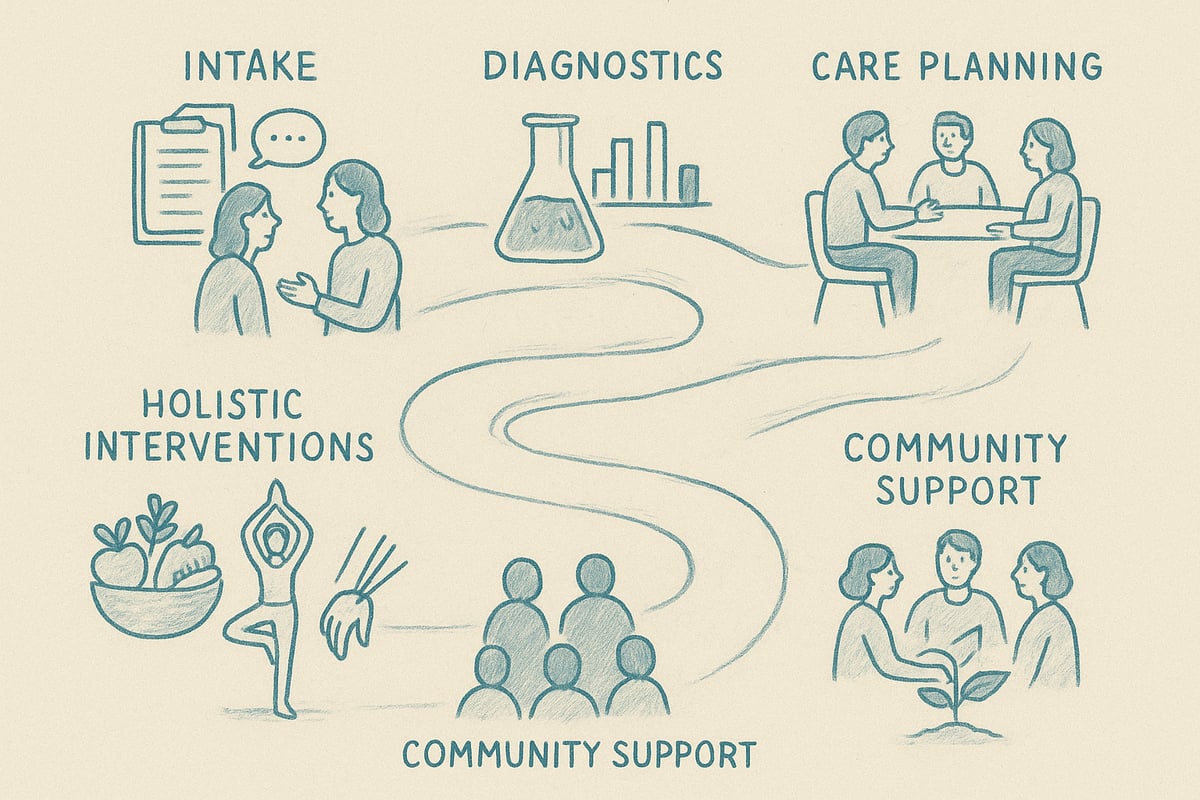
Embarking on your path with an integrative wellness clinic is a collaborative and empowering experience. Each stage is designed to address your unique needs, combining medical science with holistic therapies for optimal health outcomes. Let’s walk through what you can expect at every step of this comprehensive journey.
Step 1: Initial Consultation and Intake
Your journey at an integrative wellness clinic starts with a thorough initial consultation. Here, practitioners set clear expectations and take time to understand your health goals. You’ll share your medical history, lifestyle habits, and family background, ensuring no detail is overlooked.
This process is highly interactive. Providers encourage open dialogue, helping you articulate your priorities and concerns. Together, you’ll set meaningful, achievable wellness goals. This collaborative approach distinguishes an integrative wellness clinic from traditional medical settings.
For example, the University of Arizona Center for Integrative Medicine emphasizes patient empowerment from the very first visit. Intake forms often cover physical, emotional, and social factors, setting the foundation for a truly holistic health plan.
Step 2: Personalized Assessment and Diagnostics
After your initial meeting, the integrative wellness clinic team conducts advanced assessments tailored to your needs. Functional lab testing may evaluate hormones, micronutrient levels, and gut health. You might also complete stress, sleep, and emotional well-being questionnaires.
Digital tracking tools, such as health journals or wearable devices, help capture daily habits and patterns. This data-driven approach creates a comprehensive health profile unique to you.
Establishing a baseline is essential. It allows the integrative wellness clinic to measure your progress accurately over time. The result is a clear, personalized roadmap that guides every subsequent step in your wellness journey.
Step 3: Collaborative Care Planning
Next, your care team gathers to develop an individualized plan. An integrative wellness clinic typically brings together medical doctors, naturopathic doctors, nutritionists, and therapists. Each practitioner contributes their expertise, ensuring your plan addresses every dimension of health.
Education is a core component. Providers explain the rationale behind each recommendation, from nutrition changes to stress management techniques. You’ll be encouraged to ask questions and participate actively in decision-making.
Some clinics, like those hosting integrative care conferences, use team meetings to review complex cases. This multi-disciplinary approach ensures your wellness plan is truly comprehensive and patient-centered, tailored to your evolving needs.
Step 4: Implementing Holistic Interventions
With your plan in place, the integrative wellness clinic introduces therapies gradually. Interventions may include nutrition counseling, movement practices, and mind-body techniques such as yoga or meditation. Herbal medicine, supplements, and physical therapies like acupuncture or massage are often integrated.
Progress is tracked closely, with adjustments made as needed. Patients are encouraged to self-monitor and provide feedback, fostering engagement and accountability.
For mental and emotional support, group therapy or mindfulness programs may be offered. Explore more about mental and emotional health support to see how these services are woven into the clinic experience. This holistic, adaptive process helps you build healthy habits that last.
Step 5: Ongoing Support and Community Integration
Support doesn’t end after your initial treatments. An integrative wellness clinic provides regular follow-ups, either in person or virtually, to ensure you stay on track. You’ll have access to group programs, workshops, and peer support networks.
Community is central to sustained wellness. Clinics often foster a culture of connection, offering opportunities to join support groups or educational events. Digital platforms may be used to maintain engagement between visits, providing resources and encouragement when you need it most.
This ongoing integration helps you stay motivated and connected, making your wellness journey both sustainable and fulfilling.
Step 6: Evaluation and Long-Term Wellness Maintenance
The final step in your integrative wellness clinic journey is long-term evaluation and maintenance. Periodic reassessments help track your progress and refine your care plan as your needs evolve.
You’re encouraged to become your own health advocate, empowered with the knowledge and tools to make informed decisions. Clinics often share patient success stories to inspire ongoing commitment.
This focus on lifelong wellness, rather than just acute care, is a defining feature of an integrative wellness clinic. With continuous support, you can achieve lasting transformation and a renewed sense of well-being.
How to Choose the Right Integrative Wellness Clinic
Selecting the best integrative wellness clinic can feel overwhelming, but by focusing on key factors, you can make a confident, informed decision. Use this guide as a roadmap to evaluate clinics and find the right fit for your holistic health journey.

Assessing Credentials and Expertise
When choosing an integrative wellness clinic, start by evaluating the credentials of its practitioners. Look for board certification and affiliations with reputable organizations. Check if physicians, naturopaths, or acupuncturists have specialized training in integrative or functional medicine. For example, clinics with Functional medicine explained resources often demonstrate a commitment to advanced education and evidence-based approaches.
Key points to consider:
- Confirm professional backgrounds (MD, ND, LAc, etc.)
- Ask about ongoing education and certification
- Review practitioner bios for relevant expertise
A well-qualified team ensures you receive safe, effective, and comprehensive care at your chosen integrative wellness clinic.
Evaluating Clinic Philosophy and Approach
An integrative wellness clinic should reflect your personal health values and goals. Examine how the clinic describes its philosophy: Is care patient-centered or strictly protocol-driven? Are treatment plans transparent and collaborative? Look for clinics that encourage shared decision-making and informed consent, as these approaches prioritize your voice in the healing process.
Ask these questions:
- Does the clinic emphasize holistic, individualized care?
- Are therapies and philosophies clearly explained?
- How involved are patients in treatment planning?
Choosing a clinic with a philosophy that matches your needs will support a more meaningful wellness experience.
Reviewing Services, Technology, and Accessibility
Consider the range of services and technological tools offered by each integrative wellness clinic. Evaluate whether they provide in-person, virtual, group, and individual care. Digital tools like apps, telehealth, and remote monitoring can enhance convenience and continuity. Accessibility also matters—look for clinics with flexible hours, multilingual staff, and acceptance of your insurance.
Compare clinics by:
- Service variety: nutrition, mind-body, physical therapy, digital care
- Technology integration for remote support
- Location and ease of scheduling
A clinic’s offerings should align with your lifestyle and accessibility needs for a seamless wellness journey.
Patient Experience and Community Engagement
Patient experience is a core element of any integrative wellness clinic. Read reviews and testimonials for real-world insights into care quality and staff support. Community engagement is equally important—clinics that offer group programs, workshops, and peer support foster connection and motivation.
Evaluate:
- Availability of group sessions and education
- Opportunities for community involvement
- Patient feedback and success stories
A strong community focus helps sustain your long-term wellness and creates a supportive environment for healing.
Cost, Insurance, and Value
Understanding the financial aspects of an integrative wellness clinic is essential. Review pricing structures, what’s included in care packages, and whether your insurance covers integrative therapies. Some clinics offer sliding scale fees or payment plans, making holistic care more accessible. Value-added services like educational resources and community programs can enhance your investment in health.
Consider:
- Transparent pricing and inclusions
- Insurance compatibility
- Additional benefits such as workshops or digital resources
Selecting a clinic that balances cost, coverage, and comprehensive offerings ensures you receive lasting value on your wellness path.
The Future of Holistic Health: Trends and Innovations for 2026
The landscape of integrative wellness clinic care is rapidly evolving, with 2026 poised to be a transformative year for holistic health. Innovations in technology, personalized medicine, and community engagement are reshaping how clinics deliver care. Patients can look forward to more accessible, effective, and equitable services as these trends take hold.
Digital Health Integration and AI
Integrative wellness clinic models are embracing digital health and artificial intelligence at an unprecedented pace. AI-powered assessments now help practitioners analyze genetic data, lifestyle metrics, and health histories to craft precise recommendations. Virtual reality is emerging as a tool for stress management and pain relief, giving patients immersive therapeutic experiences.
Telehealth platforms are making expert care accessible from virtually anywhere. Online group programs and virtual check-ins offer seamless follow-up and support. According to Global wellness market trends, digital wellness solutions are a top priority for consumers and clinics alike. As these technologies mature, integrative wellness clinic care will become more personalized and convenient than ever.
Personalized and Precision Medicine
Personalization is at the core of the modern integrative wellness clinic experience. Clinics are leveraging genomics and microbiome analysis to tailor interventions to each individual’s unique biology. Wearable technology tracks real-time data, providing insights into sleep, activity, and stress that inform truly individualized care plans.
Advanced diagnostics enable practitioners to recommend targeted supplements, nutrition protocols, and lifestyle modifications. DNA-driven care is moving from novelty to necessity, ensuring that each patient receives interventions that fit their profile. This level of precision is transforming outcomes and setting new standards for integrative wellness clinic practice.
Community-Driven Wellness and Social Health
The integrative wellness clinic of 2026 is not just a place for treatment, but a hub for social connection and empowerment. Peer-led health groups, both in-person and online, foster support and accountability. Clinics now collaborate with community organizations to address social determinants of health and promote belonging.
Social prescribing is gaining traction, linking patients to local resources such as fitness classes, food co-ops, or volunteer opportunities. These efforts are aligned with Inclusive wellness initiatives, which highlight the importance of diversity, equity, and culturally responsive care. By prioritizing social health, the integrative wellness clinic model strengthens both individual and community well-being.
Preventive and Lifestyle Medicine Expansion
Prevention is becoming the foundation of every integrative wellness clinic. Clinics now emphasize lifestyle medicine, focusing on nutrition, movement, sleep, and stress reduction as core therapies. Health coaching and self-management programs are expanding, empowering patients to take charge of their wellness journey.
Primary care is increasingly blending with integrative approaches, making preventive strategies accessible to more people. Community-wide initiatives, inspired by Blue Zones, encourage healthy habits and collective action for longevity. The preventive focus positions the integrative wellness clinic as a leader in sustainable, long-term health solutions.
Regulation, Research, and Mainstream Adoption
The integrative wellness clinic sector is seeing rapid advances in regulation and research. Insurance coverage is expanding, making holistic therapies more financially accessible. Regulatory bodies are establishing clearer standards for practitioner qualifications and clinic operations.
Ongoing clinical trials are validating the efficacy of integrative therapies, driving further acceptance among medical professionals and the public. The emergence of evidence-based guidelines ensures that integrative wellness clinic practices remain safe, effective, and accountable. As mainstream adoption grows, more patients benefit from holistic, coordinated care.
Addressing Systemic Barriers and Health Inequities
A key priority for the future of the integrative wellness clinic is breaking down systemic barriers to care. Clinics are working to close gaps in access, particularly for underserved and marginalized populations. Efforts to decolonize healthcare and reclaim traditional healing practices are underway, promoting cultural respect and inclusion.
Advocacy for health equity is reshaping clinic policies and community programs. Indigenous wellness initiatives and targeted outreach are expanding the reach of integrative wellness clinic services. By addressing inequities head-on, clinics are building a more just and effective holistic health system for all.
[Holistic Family Practice: A Model for Integrative Wellness] (http://www.holisticfamilypracticeva.com)
Holistic Family Practice stands out as a pioneering integrative wellness clinic, redefining how comprehensive care is delivered. This clinic seamlessly blends clinical excellence with a commitment to mind, body, and spirit, making it a trusted leader for those seeking a truly holistic approach.
Patients experience a multi-layered model of care that begins with personalized assessments. Every new patient receives a detailed intake that examines physical health, emotional well-being, and lifestyle habits. From there, individualized plans address root causes rather than just symptoms, promoting long-term wellness.
A unique aspect of this integrative wellness clinic is the integration of both in-person and virtual services. Patients can access support through the Holistic Life App, a digital platform designed for remote monitoring, health education, and community engagement. This ensures continuity of care and empowers individuals to stay involved in their wellness journey, wherever they are.
The clinic’s educational programs are robust, offering free webinars, online courses, and professional certifications in holistic health. For those seeking to deepen their understanding, the naturopathic education and resources page provides essential tools and guidance. This focus on education and empowerment sets the clinic apart within the integrative wellness clinic landscape.
Community-driven wellness is at the heart of Holistic Family Practice. The clinic organizes support groups, wellness collectives, and culturally responsive programs that foster connection and inclusivity. Patients benefit from not only clinical care but also peer support and shared learning, strengthening their overall health outcomes.
Real-world impact is evident through patient testimonials and measurable outcomes. The clinic’s blend of science and spirit, combined with advocacy for accessible care, positions it as a model for the future of holistic health. As integrative wellness clinic models evolve, Holistic Family Practice continues to lead by example, shaping the way healthcare is experienced in 2026.
As you explore the possibilities of integrative wellness clinics and envision a path where your health is guided by both science and holistic wisdom, it's natural to want to take the next step. If you're ready to learn more about how holistic care could work for you or your family, I invite you to connect with us directly. Let's talk about your unique goals, answer your questions, and help you discover the right approach for your well-being journey. You can easily start by scheduling a conversation—Book a Discovery Call—and take that first, empowering step toward holistic health.