In 2025, our world feels more fast-paced and hyperconnected than ever before. Many people strive for better health, yet true well-being remains just out of reach. This essential guide to holistic living will help you cut through the noise and discover practical strategies for thriving in every aspect of your life.
You will learn how holistic living brings together science, tradition, and modern lifestyle to create a balanced approach to health. Imagine aligning your habits, relationships, and environment so they all support your growth. Ready to transform your life? Begin your journey with this step-by-step guide to holistic living in 2025.
What Is Holistic Living in 2025?
In 2025, holistic living is more than a wellness trend—it is a dynamic, personalized approach to total well-being. This philosophy recognizes that optimal health emerges when mind, body, and spirit are actively aligned. The modern era brings new tools and perspectives, making holistic living accessible and practical for a wider audience than ever before.
Defining Holistic Living for the Modern Era
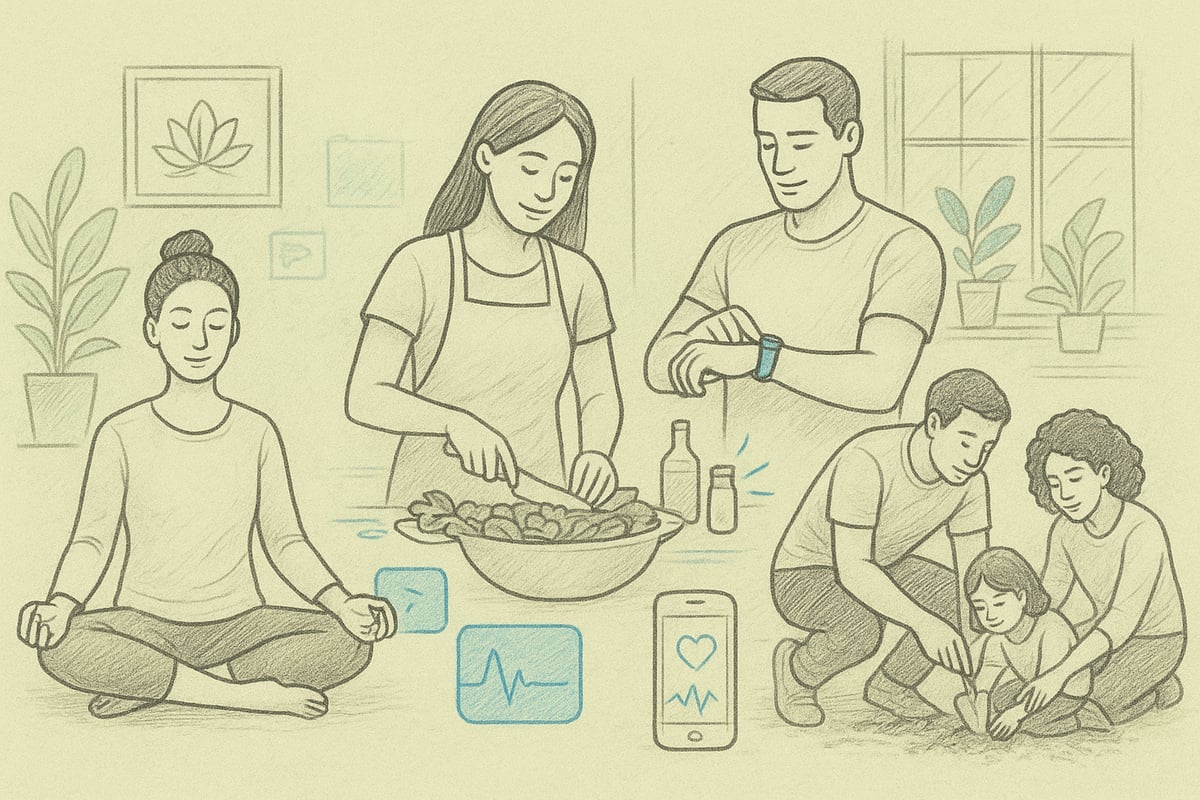
Holistic living today means nurturing every aspect of your life—physical, mental, emotional, social, and spiritual. This approach has evolved from being an alternative wellness option to a mainstream lifestyle choice. People now see holistic living as an interconnected web, where each part of health influences the others.
What sets holistic living apart in 2025 is a proactive, preventative mindset. Instead of waiting for illness, individuals focus on daily habits that support long-term vitality. The integration of technology has transformed how people track, understand, and improve their well-being. Apps, wearables, and digital health platforms offer personalized insights, making it easier to maintain balance.
Sustainability is another core value. Holistic living now extends to conscious choices that benefit both personal health and the planet. Community-driven wellness hubs, holistic centers, and retreats are flourishing worldwide, offering spaces for collective growth and support. These changes reflect a broader cultural shift toward mindful, sustainable living.
Key Trends Shaping Holistic Living in 2025
Several key trends are defining holistic living this year. Integrative and functional medicine have become mainstream, blending conventional science with natural therapies. Practices such as mindfulness, yoga, and energy healing are widely accepted and practiced.
A major trend is data-driven wellness. Personalized health plans use biometrics and artificial intelligence to tailor routines for each individual. Eco-conscious living is also at the forefront, with people choosing sustainable products and green habits.
Community support is vital. Online and offline groups help foster accountability and shared growth. According to Worldpackers (2024), over 60% of adults in the US now use at least one holistic health practice.
Below is a summary of the leading trends:
| Trend | Description |
|---|---|
| Integrative Medicine | Combining medical science with holistic therapies |
| Mindfulness & Yoga | Mainstream acceptance for stress and well-being |
| Personalized Wellness | AI and biometrics for tailored health plans |
| Eco-Conscious Living | Focus on sustainability and green practices |
| Community Support | Groups and wellness hubs for shared accountability |
For deeper insights into these emerging practices and technologies, explore Holistic Health Trends to Watch in 2025.
Digital detox retreats and eco-villages are also growing, offering immersive ways to reset and reconnect. In 2025, holistic living is about integrating science, tradition, and community for a balanced, fulfilling life.
The Benefits of Embracing Holistic Living
Holistic living offers a comprehensive pathway to well-being that goes beyond basic self-care. By integrating mind, body, and spirit, you can experience profound improvements in every area of life. Let us explore the far-reaching benefits of holistic living, both for individuals and for society as a whole.
Physical, Mental, Emotional, and Spiritual Advantages
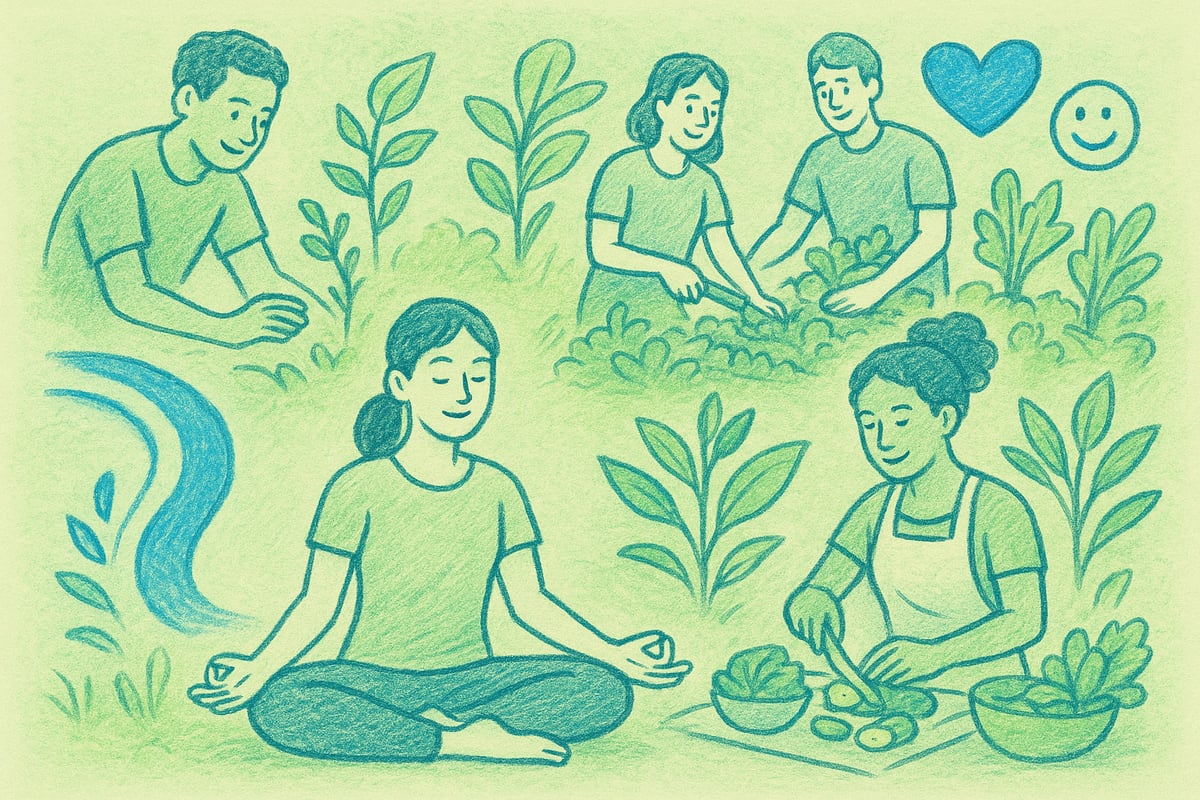
Embracing holistic living supports your entire being. Physically, people often notice increased energy, stronger immunity, and a lower risk of chronic illness. Simple daily choices, such as eating whole foods and prioritizing sleep, can have a transformative effect.
Mentally and emotionally, holistic living brings greater clarity, focus, and resilience. Regular mindfulness or gratitude practices help reduce stress and stabilize mood. For instance, a recent study found holistic practitioners report 30 percent higher life satisfaction compared to the general population, highlighting the emotional rewards of this approach.
Spiritually, holistic living encourages a deeper sense of purpose and meaning. Many individuals describe feeling more connected to themselves and the world around them. Real-life stories frequently showcase how holistic living has helped people find direction and fulfillment during challenging times.
Key advantages include:
- Improved physical health and vitality
- Enhanced emotional balance and mental clarity
- Deeper sense of purpose and spiritual connection
- Increased overall life satisfaction
By nurturing every aspect of yourself, holistic living sets the stage for lasting happiness and well-being.
Societal and Environmental Impact
The ripple effects of holistic living extend far beyond the individual. On a societal level, holistic living helps reduce healthcare costs by promoting prevention and lowering the burden on medical systems. Communities that embrace holistic values often report stronger connections and mutual support.
Environmentally, holistic living promotes sustainable choices, from reducing waste to supporting eco-friendly products and services. Many people join volunteer programs at holistic centers, which have been shown to improve local health outcomes. According to Worldpackers, 78 percent of holistic center volunteers report a stronger sense of community connection.
Holistic living also shapes how we build and share spaces. The rise of wellness-centric communities highlights this shift, as explored in the Wellness Communities & Real Estate Trends for 2025. These communities prioritize shared well-being, environmental stewardship, and supportive relationships.
Key impacts include:
- Lower healthcare costs and healthier populations
- Promotion of sustainable, eco-conscious habits
- Inclusive communities fostering collective well-being
By embracing holistic living, you contribute to a healthier, more connected, and sustainable world.
The Pillars of Holistic Living: A Step-by-Step Approach
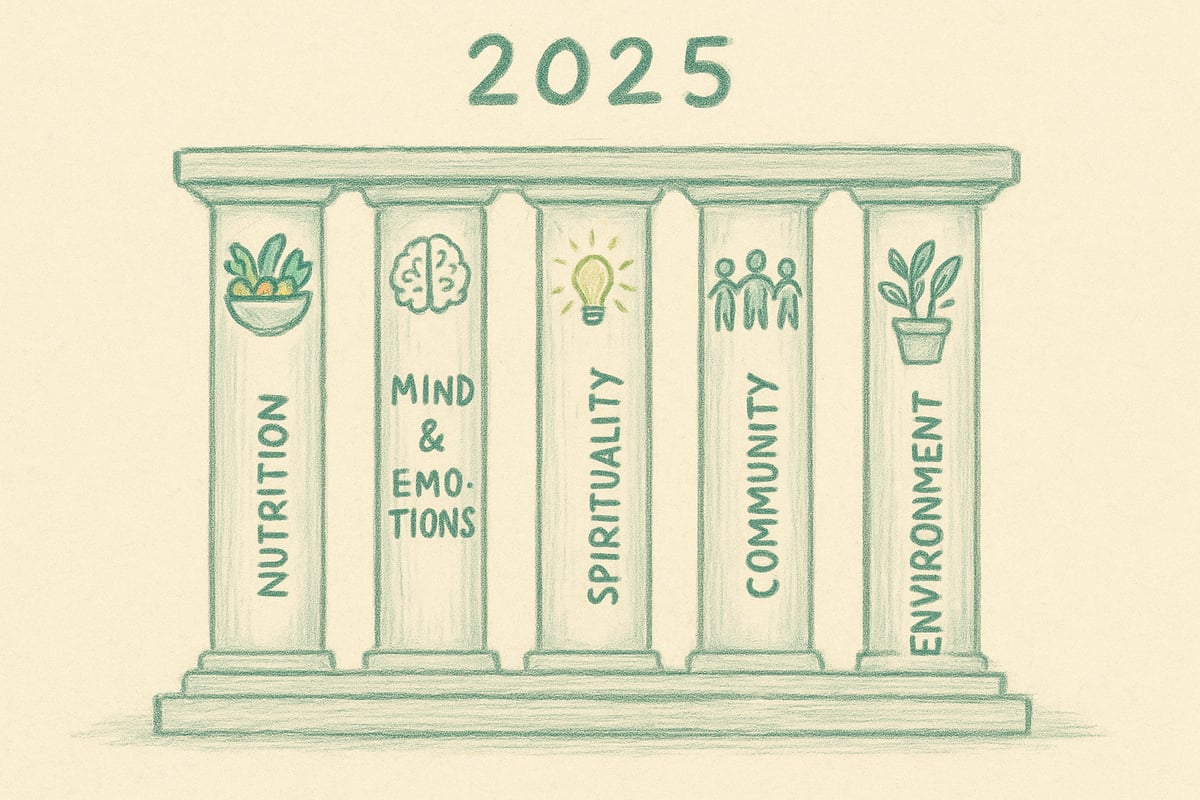
Achieving true holistic living in 2025 involves more than adopting isolated healthy habits. It is about weaving together choices that nurture your body, mind, relationships, spirit, and environment. This step-by-step approach breaks down holistic living into five practical, interconnected pillars, each designed to support your well-being in a fast-changing world.
Step 1: Nourish Your Body with Purpose
The foundation of holistic living starts with intentional nourishment. Eating whole, nutrient-rich foods supports not only physical health but also your mental and emotional states. Prioritize fresh fruits, vegetables, lean proteins, and healthy fats, while minimizing processed and artificial ingredients.
Mindful eating is key. Slow down, notice hunger and fullness cues, and savor each bite. This practice helps you reconnect with your body and avoid emotional eating.
Hydration is equally vital. Aim for at least eight glasses of water daily. Quality sleep and regular movement—such as walking, yoga, or stretching—round out the essentials for holistic living.
Simple swaps for daily life:
- Choose herbal teas over sugary drinks.
- Replace packaged snacks with fruit or nuts.
- Opt for home-cooked meals when possible.
Small, consistent changes compound over time, making sustainable transformation realistic. As you nurture your body, you set the stage for thriving in all areas of holistic living.
Step 2: Cultivate Mental and Emotional Well-Being
Holistic living flourishes when you prioritize your mental and emotional landscape. Start with daily mindfulness practices—meditation, deep breathing, or mindful walks—to manage stress and enhance focus.
Journaling is a powerful tool. Spend a few minutes each day writing down thoughts or reflecting on gratitude. This simple ritual can shift your perspective during challenging moments.
Set healthy boundaries in your relationships and practice self-compassion. Remember, emotional self-care is not selfish; it is a vital part of holistic living.
For those seeking new strategies, technology can offer support. For example, Enhancing Well-Being Through Positive Technology: VR Forest Bathing explores how immersive digital nature experiences can aid mental wellness, illustrating how innovation and tradition can blend in a holistic lifestyle.
Over time, these practices foster emotional resilience, reduce anxiety, and support lasting mental clarity.
Step 3: Foster Spiritual Connection and Purpose
A key pillar of holistic living is nurturing your spiritual life. Explore your personal values and beliefs, and seek activities that bring meaning to your days.
Nature walks, spiritual reading, and vision boards are practical ways to deepen your sense of purpose. Community service, such as volunteering at eco-villages or holistic centers, connects you with something larger than yourself.
Embrace openness to diverse spiritual traditions. This curiosity can enrich your journey and encourage growth.
Spirituality forms a foundation for resilience and fulfillment within holistic living. It provides a sense of grounding, especially during uncertain times.
Step 4: Build Supportive Relationships and Community
Holistic living thrives in the context of positive, authentic connections. Supportive relationships increase accountability and make lifestyle changes more enjoyable.
Join wellness communities, both online and offline, to share experiences and learn together. Participate in group challenges, local workshops, or support groups focused on holistic living.
Ways to connect:
- Attend holistic retreats or classes.
- Join online forums or social media groups centered on wellness.
- Organize small group activities like meditation circles.
Giving and receiving support fosters mutual growth. When you surround yourself with like-minded individuals, holistic living becomes a shared, uplifting journey.
Step 5: Create a Holistic Living Environment
Your surroundings play a silent but powerful role in holistic living. Design your home and workspace with wellness in mind—maximize natural light, improve air quality with plants, and keep spaces decluttered.
Reduce exposure to toxins by choosing natural cleaning products and minimizing electronic device use where possible. Incorporate daily rituals, such as lighting a candle or taking a mindful pause, to reinforce holistic values.
Examples of supportive environments:
- Set up a meditation corner with cushions and calming décor.
- Use air-purifying plants like peace lilies or snake plants.
- Establish tech-free zones for relaxation.
A nurturing environment supports every aspect of holistic living, helping you maintain balance and well-being each day.
Tools, Technologies, and Resources for Holistic Living in 2025
Staying ahead in holistic living requires the right blend of digital tools, trusted information, and meaningful community experiences. In 2025, the landscape is richer and more accessible than ever. Whether you are just beginning or looking to deepen your journey, the following resources can empower your daily practice.
Digital Health & Wellness Platforms
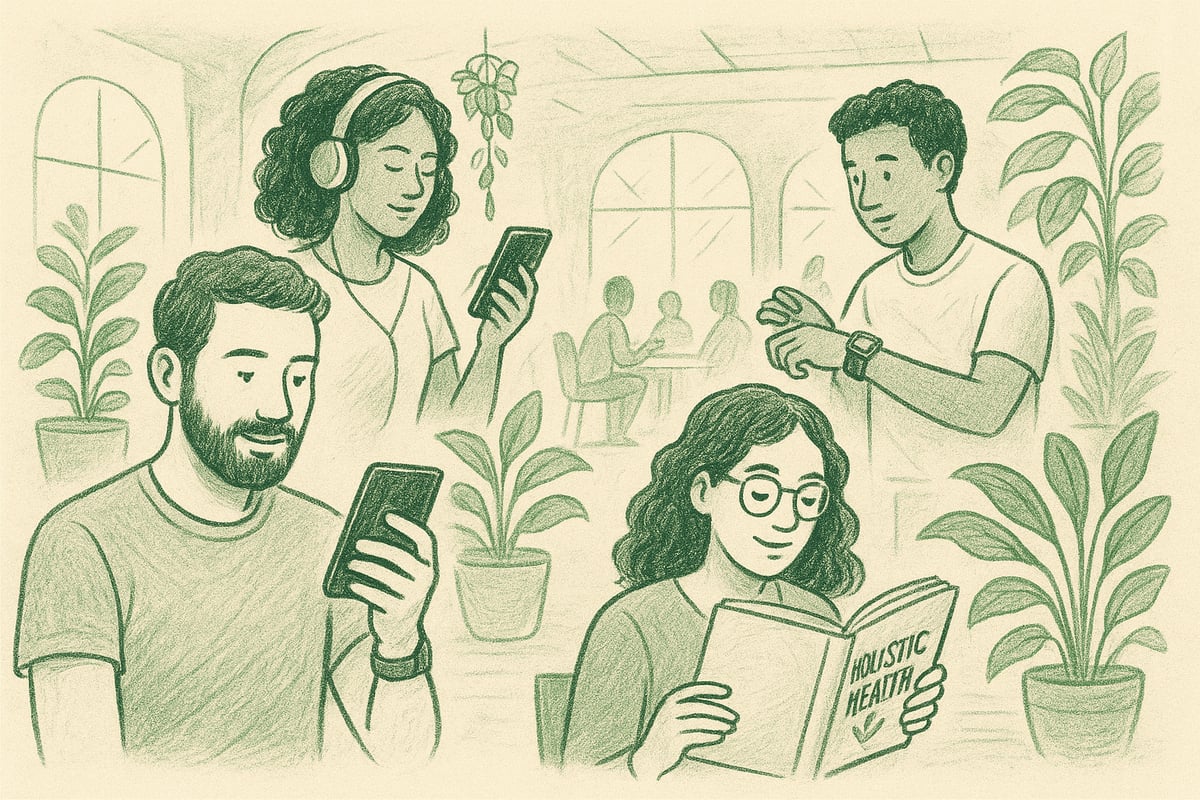
The digital revolution has made holistic living easier to track and personalize. Mobile apps help with mindfulness, guided meditation, nutrition tracking, and habit formation. Wearables now monitor sleep, stress, and physical activity, delivering real-time feedback for optimal well-being.
Online education platforms offer courses, webinars, and certifications in holistic health, connecting users with expert practitioners worldwide. Virtual coaching services provide tailored support, bridging the gap between personal goals and actionable steps.
According to the US Healthy Lifestyles Consumer Report 2025, nearly half of adults now engage with health and wellness apps, highlighting the mainstream embrace of holistic living technologies. This trend empowers individuals to make informed choices and build sustainable routines.
Books, Podcasts, and Media
Curating your information sources is vital for a successful holistic living journey. Top-rated books guide readers through evidence-based practices, while engaging podcasts and YouTube channels offer interviews with experts and real-life stories.
Recommended resources include:
- Books on integrative nutrition and mindful living
- Podcasts such as “Confessions of a Holistic Doctor”
- Video content with practical wellness tips
Always verify the credibility of authors and hosts. Prioritize evidence-based advice to ensure your holistic living habits are effective and safe. Diverse media formats allow for learning on-the-go, fitting into even the busiest schedules.
Community and In-Person Experiences
Human connection remains at the heart of holistic living. In-person experiences like retreats, workshops, and volunteering provide immersive learning and foster authentic relationships. Local holistic centers and wellness events serve as hubs for sharing knowledge and support.
Popular options include:
- Nature-based retreats for digital detox
- Yoga and permaculture community volunteering
- Group challenges at wellness collectives
Engaging with community not only enhances motivation but also solidifies lasting holistic living habits. Whether online or offline, supportive environments are essential for growth and transformation.
Overcoming Common Challenges in Holistic Living
Adopting holistic living is a rewarding journey, but it often comes with practical and emotional hurdles. Many individuals face obstacles as they strive to integrate new habits and perspectives into their daily lives.
Navigating Barriers and Building Consistency
Starting holistic living can feel overwhelming. Many people try to change everything at once, only to burn out quickly. Instead, focus on one small habit at a time. For example, begin by adding a five-minute meditation or swapping a processed snack for a whole food option.
Information overload is another barrier. With countless resources online, it is important to curate trusted sources and seek mentors with real-world experience. This approach helps filter noise and build confidence in your holistic living choices.
Skepticism from friends or family may arise. Communicate your reasons and invite loved ones to join simple activities, such as a nature walk or a healthy meal. If support is limited, consider joining online forums or local wellness groups for encouragement.
Time management is crucial. Integrate holistic living practices into your daily routine, such as meal prepping on weekends or using free meditation apps during breaks. Financial concerns are common, but many aspects of holistic living, like deep breathing or gratitude journaling, cost nothing.
Remember, progress is more important than perfection. Setbacks are part of the process and can teach valuable lessons. Keep your goals realistic, celebrate small wins, and stay patient as you build a sustainable lifestyle.
Real-Life Solutions and Success Stories
Many people have found success by embracing holistic living in practical, community-driven ways. For instance, families who meal prep together report less stress and improved nutrition. Individuals who join group challenges or community-supported wellness programs often stay motivated and accountable.
Statistics highlight the power of community: 62% of people report lasting lifestyle changes when supported by others (Worldpackers, 2024). Online forums and group challenges can make holistic living more sustainable by providing encouragement and accountability.
One inspiring example is a group of friends who committed to a month-long holistic living challenge. They shared daily progress, exchanged recipes, and celebrated milestones together. This collective effort led to lasting changes in their habits and overall well-being.
If you are seeking guidance or connection, explore trusted platforms like Worldpackers for volunteering opportunities, wellness retreats, and holistic living resources. These communities can help you overcome obstacles and find inspiration for your journey.
Real-life stories show that small, consistent steps, paired with support, make holistic living accessible and transformative. With the right strategies and encouragement, anyone can navigate challenges and thrive.
Frequently Asked Questions About Holistic Living
Are you new to holistic living or looking to deepen your understanding in 2025? These frequently asked questions address the most common concerns, helping you make informed choices and build a balanced, sustainable lifestyle.
What is the first step to starting holistic living, and how do I balance science with tradition?
The best way to begin holistic living is by picking one area, such as nutrition, mindfulness, or movement, and making small, consistent changes. Many find starting with a morning routine helps set the tone for the day. To balance science and tradition, look for practices supported by research, but stay open to approaches that feel right for you. Seek out credible sources, such as peer-reviewed studies or certified holistic practitioners, to ensure your journey is both safe and effective.
Are holistic living practices safe, evidence-based, and accessible for all?
Most holistic living practices, like meditation, yoga, and mindful eating, are generally safe for most people. However, it's wise to consult healthcare professionals, especially when integrating new supplements or therapies. Today, many holistic approaches are backed by studies showing benefits for mental and physical health. Affordability can be managed with free resources, such as guided meditations or community yoga, and by connecting with local or online support groups. For guidance, you might explore reputable communities like Mindful.org.
What daily rituals boost holistic living, and how do I find credible support?
Quick daily rituals can make a big difference in holistic living. Consider this simple routine:
| Ritual | Benefit |
|---|---|
| Meditation (5 min) | Mental clarity |
| Movement/stretch | Physical energy |
| Gratitude journaling | Emotional balance |
To find reliable practitioners or communities, start with organizations known for holistic health. Ask for referrals, read reviews, and ensure certifications are up-to-date. According to Worldpackers (2024), 70% of holistic lifestyle beginners see positive changes within 30 days, especially when supported by community.
As you reflect on the actionable steps and real-world strategies for holistic living in 2025, remember that true transformation thrives in community. Whether you’re just starting out or deepening your holistic journey, staying connected with like-minded individuals and expert guidance can make all the difference. We’re building a supportive, science-informed space where you can access new insights, resources, and encouragement every step of the way. If you’re ready to stay inspired and keep learning, I invite you to Join Our Holistic Community for Updates—your next step toward empowered, holistic well-being.