
As parents seek more than just quick fixes for their children’s health, new approaches are taking center stage in pediatric care. The rise of holistic, child-centered wellness signals a shift in how families approach lifelong health for their kids.
A functional pediatrician offers a unique blend of personalized, root-cause, and integrative care that goes beyond traditional medicine. This guide will show you how these forward-thinking experts set the gold standard for child wellness in 2026.
Here, you will discover what defines functional pediatric care, how it compares to conventional pediatrics, and why its core pillars matter. We will also walk you through the step-by-step approach and share tips on choosing the right provider for your family. Ready to explore a proactive path to your child’s best health?
What Is a Functional Pediatrician?
Understanding the role of a functional pediatrician is essential as families seek comprehensive and lasting solutions for their children's health. Unlike the conventional model, this approach prioritizes root causes and long-term wellness rather than quick symptom relief. But what exactly sets a functional pediatrician apart in today's evolving healthcare landscape?

Defining Functional Pediatrics and Its Origins
A functional pediatrician represents the next step in pediatric medicine, building on the foundation of traditional care but moving far beyond symptom management. This model is rooted in systems biology and the principles of functional medicine, which focus on understanding how different body systems interact and influence each other. By integrating evidence-based medicine with nutrition, lifestyle, and environmental assessments, a functional pediatrician seeks to uncover the underlying reasons behind a child's symptoms.
Personalized care is at the core of this approach. For example, consider a child with chronic eczema. Instead of prescribing only topical creams, a functional pediatrician investigates gut health, dietary triggers, and immune function. Through targeted interventions, such as improving digestive balance and removing specific foods, lasting improvement can be achieved.
The origins of this practice can be traced to the growing recognition that children's health is influenced by more than genetics or isolated symptoms. By embracing a holistic view, a functional pediatrician creates individualized plans that support long-term wellness. To explore more about this philosophy, visit the Holistic Pediatrician Approach for an in-depth look at natural and integrative pediatric care.
Key Differences from Conventional Pediatricians
The differences between a functional pediatrician and a conventional pediatrician are significant. While traditional pediatricians often focus on diagnosing and treating symptoms, a functional pediatrician performs holistic health assessments that consider the whole child. This includes advanced testing for gut health, micronutrient deficiencies, and hormonal imbalances.
Appointments with a functional pediatrician are typically longer and more comprehensive. Families collaborate closely with the provider, ensuring that care plans address not just medical needs, but also lifestyle, nutrition, and emotional wellbeing. A 2024 survey found that over 60% of parents expressed dissatisfaction with conventional, symptom-only care, highlighting the demand for a broader, more integrative approach.
Here is a brief comparison:
| Feature | Functional Pediatrician | Conventional Pediatrician |
|---|---|---|
| Assessment style | Holistic, whole-child | Symptom-based |
| Testing | Advanced functional labs | Basic labs |
| Visit length | Longer, in-depth | Shorter, focused |
| Care approach | Collaborative, ongoing | Episodic, directive |
A functional pediatrician also values family input, ensuring that decisions are made together and respect cultural and personal values.
The Role of Functional Pediatricians in 2026
The healthcare needs of children are shifting, with rising rates of chronic conditions such as ADHD, allergies, and anxiety. A functional pediatrician is uniquely positioned to address these challenges by bridging the gap between medical science and natural therapies. Preventive strategies, resilience-building, and early intervention are central to their philosophy.
In 2026, a functional pediatrician not only treats illness but also advocates for healthy development across all areas of life. This includes supporting nutrition, mental health, physical activity, and environmental safety. By focusing on prevention and long-term health, a functional pediatrician empowers families to create strong, healthy foundations for their children.
Families seeking a proactive, integrative, and personalized approach will find that a functional pediatrician offers the gold standard for child wellness in the years ahead.
Core Pillars of Holistic Pediatric Care
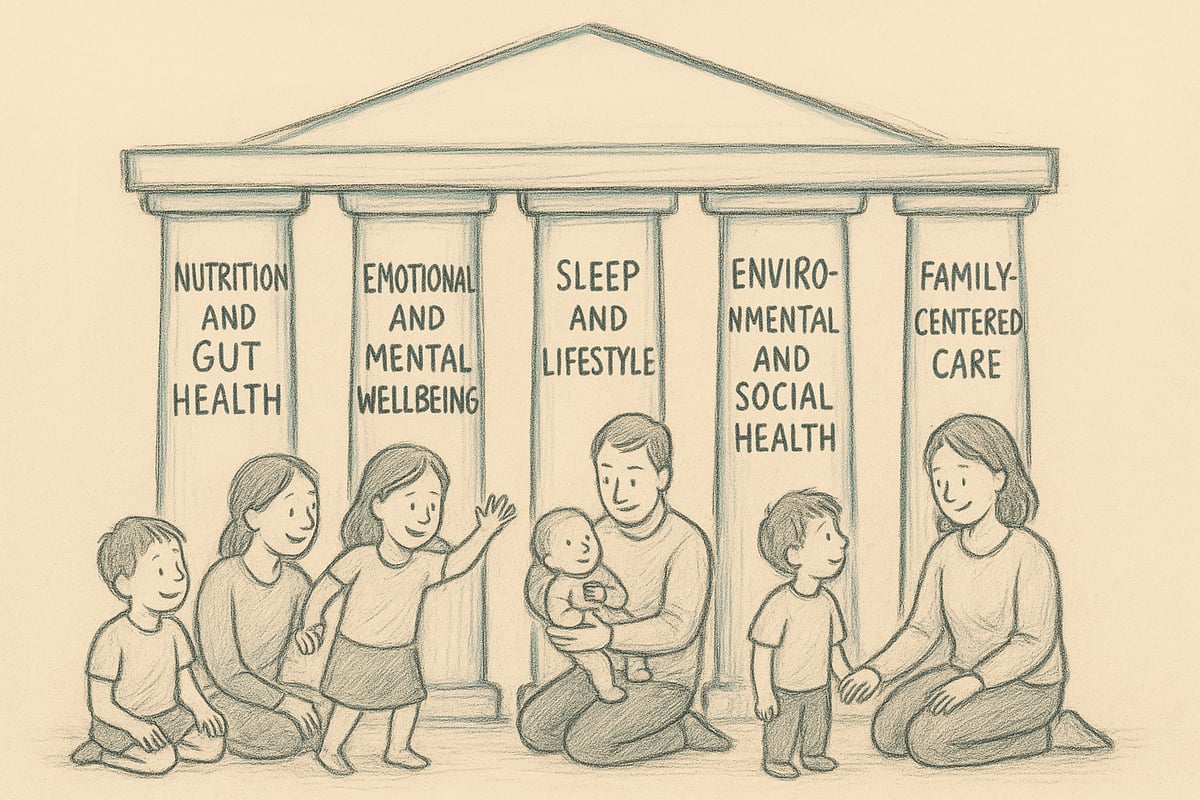
Holistic pediatric care is built on foundational pillars that address every aspect of a child's wellbeing. A functional pediatrician uses these pillars to move beyond symptom management, aiming to nurture resilience and lifelong health. To understand how these pillars work together, families can explore Functional Wellness for Families, which details core concepts of this approach.
Nutrition and Gut Health
Nutrition is at the heart of holistic care. A functional pediatrician recognizes that a whole-food, nutrient-dense diet supports optimal growth and development. The gut microbiome, which houses up to 70% of the immune system, plays a vital role in immunity, mood, and behavior.
Functional testing can uncover food sensitivities or digestive imbalances that may trigger symptoms like eczema or recurrent infections. For example, when a child’s chronic infections resolve after targeted probiotics and dietary changes, it demonstrates the power of addressing root causes rather than masking symptoms.
| Factor | Impact on Child Health |
|---|---|
| Whole foods | Growth, immunity, brain health |
| Gut balance | Mood, digestion, allergies |
| Food sensitivities | Skin, behavior, immunity |
A functional pediatrician guides families in making sustainable dietary changes, always considering the child’s unique biology.
Emotional and Mental Wellbeing
Emotional and mental health are central to a child’s development. A functional pediatrician approaches behavioral concerns holistically, integrating mindfulness, breathwork, and resilience coaching into care plans.
Collaboration with behavioral health specialists ensures that stress, anxiety, and neurodevelopmental challenges are addressed from multiple angles. For instance, mindfulness and tailored therapies can complement traditional ADHD management to improve focus and emotional regulation.
Families are encouraged to create supportive environments where children can express emotions safely. Through these strategies, the functional pediatrician supports both the child and family in building emotional resilience.
Sleep, Movement, and Lifestyle Foundations
Sleep and physical activity are essential pillars of holistic health. A functional pediatrician helps families establish routines that fit each child’s age and developmental needs.
Healthy sleep is linked to 40% fewer behavioral issues in children. By customizing bedtime routines and encouraging regular movement, the functional pediatrician empowers children to thrive. Managing screen time and promoting digital wellness are also key strategies, especially in today’s technology-driven world.
Practical steps include:
- Setting consistent sleep and wake times
- Encouraging outdoor play and regular exercise
- Limiting screen exposure before bedtime
These habits support not only physical growth but also cognitive and emotional wellbeing.
Environmental and Social Health
A child’s environment significantly impacts health. The functional pediatrician evaluates potential exposures to toxins at home, school, and in the community. Reducing contact with harmful chemicals, improving indoor air quality, and supporting clean water access are practical steps.
Social health is equally important. Children benefit from strong community ties and positive peer relationships. For example, a child with asthma may experience fewer symptoms after air quality interventions at home and increased participation in group activities.
By addressing both environmental risks and social opportunities, the functional pediatrician fosters holistic wellness.
Family-Centered, Culturally Competent Care
Holistic pediatric care thrives on partnership. A functional pediatrician actively involves parents and caregivers in every decision, respecting each family’s cultural, spiritual, and personal values.
This approach builds trust and ensures that care plans are realistic and aligned with family priorities. Open communication, shared goal-setting, and long-term relationships are hallmarks of this model.
Families are empowered with knowledge and resources, making them true partners in their child’s health journey. The functional pediatrician’s commitment to cultural competence and collaboration sets the standard for effective, compassionate care.
The Functional Pediatrician’s Process: Step-by-Step
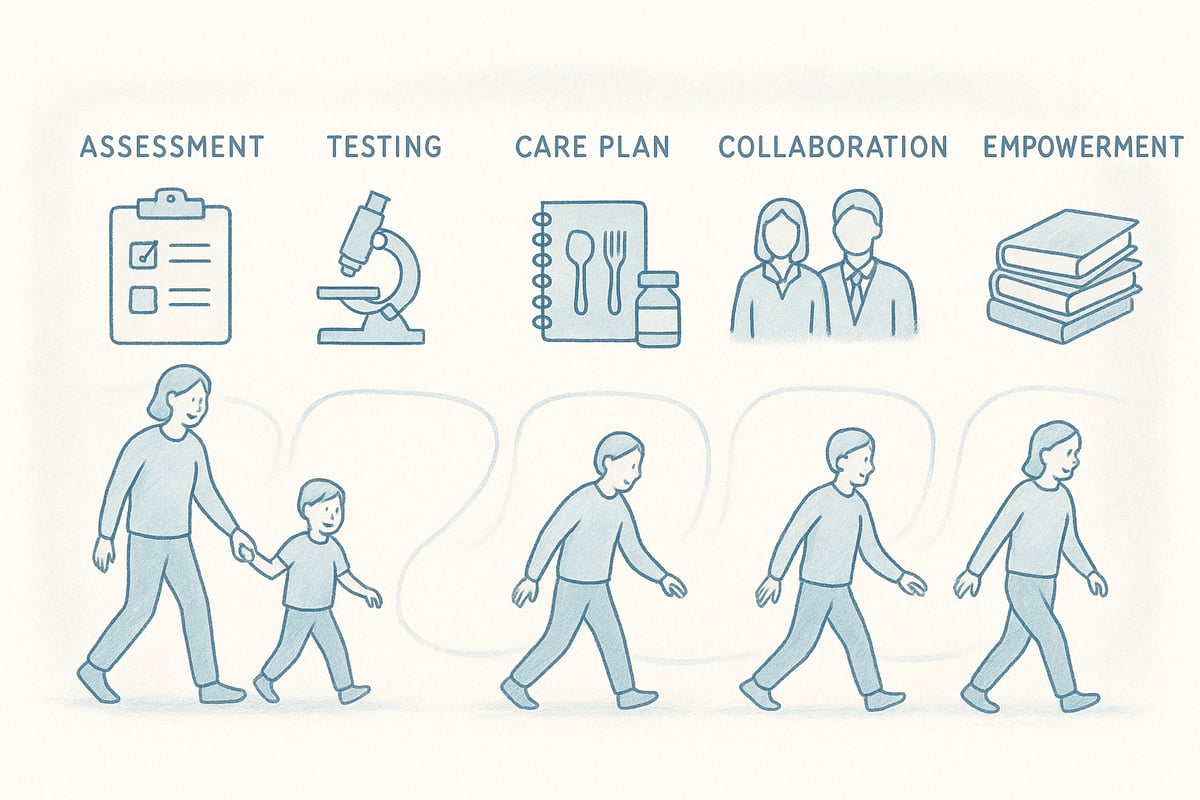
Navigating your child’s health journey with a functional pediatrician means experiencing a comprehensive, thoughtful process designed to uncover the true sources of symptoms and foster long-term wellness. Let’s explore each step of this approach, so you know exactly what to expect when choosing holistic care for your family.
Comprehensive Assessment and Intake
The journey with a functional pediatrician begins with a deep dive into your child’s unique health story. Instead of a brief, symptom-focused visit, you can expect a thorough intake that explores:
- Personal and family medical history
- Nutrition, sleep, and lifestyle habits
- Developmental milestones and stressors
A functional pediatrician uses validated questionnaires and detailed discussions, often uncovering patterns or triggers missed in conventional care. For example, a child’s recurring tummy aches might be traced back to food intolerances or family stress, not just treated with antacids.
This holistic intake lays the foundation for personalized care, ensuring no detail is overlooked and building a relationship of trust and collaboration from the start.
Advanced Functional Testing
After the initial assessment, your functional pediatrician may recommend targeted testing to better understand what is happening beneath the surface. These advanced labs go beyond standard bloodwork and can include:
- Stool analysis for gut health and microbiome balance
- Micronutrient and mineral panels
- Hormone and stress level tests
- Food sensitivity and allergy panels
Each test is selected based on your child’s unique presentation and needs. For instance, a child with frequent colds might have a stool test revealing gut imbalances affecting immunity.
This data-driven approach allows the functional pediatrician to identify root causes and tailor interventions, rather than relying solely on general treatments.
Individualized Care Planning
With assessment and test results in hand, the functional pediatrician crafts a personalized care plan. This plan is never one-size-fits-all; instead, it integrates your child’s biology, family goals, and lifestyle realities.
A typical plan might include:
- Dietary adjustments (such as eliminating trigger foods)
- Targeted supplements to address deficiencies
- Sleep and stress management routines
Plans are phased and actionable, often starting with simple changes and building over time. For example, a child with ADHD may begin with nutrition shifts and sleep support, then gradually add mindfulness or specific supplements.
Regular follow-ups ensure the plan evolves as your child grows and responds, keeping care dynamic and responsive.
Collaborative and Integrative Interventions
A functional pediatrician believes in teamwork. They coordinate with other professionals as needed, such as nutritionists, therapists, educators, or specialists. This collaborative model ensures every aspect of your child’s well-being is supported.
Examples of integrative interventions include:
- Combining allergy medication with dietary changes and home air quality improvements
- Pairing behavioral therapies with nutrition and sleep optimization for anxiety or ADHD
- Working alongside educators to support learning and social engagement
This holistic approach bridges the gap between medical science and natural therapies, empowering families to access the best of both worlds for their children.
Education and Empowerment for Families
Perhaps the most transformative part of working with a functional pediatrician is the focus on parent education and empowerment. Families are guided to understand test results, make informed choices, and build lasting health habits.
Your functional pediatrician provides:
- Clear explanations of lab results and next steps
- Practical resources for nutrition, lifestyle, and detoxification (see Nutrition, Detox, and Lifestyle Tips)
- Guidance on self-management and prevention strategies
By teaching parents to interpret health data and actively participate in care, the functional pediatrician ensures families feel confident and equipped to support their child’s wellness journey. This approach is the cornerstone of resilient, proactive pediatric health.
Conditions Commonly Addressed by Functional Pediatricians
Parents today are seeking answers beyond symptom relief. A functional pediatrician takes a root-cause approach to a wide range of childhood health concerns, addressing conditions that often require more comprehensive solutions. In fact, interest in holistic and integrative care is steadily rising, with recent data showing an increasing number of families turning to complementary health approaches for children.

Chronic Digestive Issues
A functional pediatrician is often consulted for persistent digestive problems like constipation, diarrhea, reflux, or abdominal pain. Unlike conventional care, this approach seeks to uncover underlying imbalances.
- Comprehensive testing for food sensitivities and gut microbiome health
- Elimination diets and targeted probiotics
- Emphasis on fiber-rich, whole-food nutrition
For example, chronic constipation can improve dramatically when a functional pediatrician identifies a fiber deficiency and supports the child’s microbiome with personalized interventions.
Allergies, Asthma, and Eczema
Many families turn to a functional pediatrician when their child struggles with allergies, asthma, or eczema. Instead of just managing symptoms, the focus is on identifying triggers and supporting immune balance.
- Environmental assessments to reduce exposure to allergens
- Nutritional strategies to decrease inflammation
- Use of targeted supplements for immune support
One in five children now experiences allergic conditions. Holistic care, guided by a functional pediatrician, can help reduce flare-ups by addressing both environmental and internal factors.
Behavioral and Neurodevelopmental Concerns
Functional pediatricians frequently support children facing ADHD, anxiety, autism spectrum challenges, and mood swings. The functional pediatrician evaluates nutrition, sleep, and stress, then crafts integrative plans.
- Omega-3 fatty acids for brain health
- Mindfulness and sleep optimization
- Collaboration with behavioral specialists
For some, ADHD symptoms improve with dietary changes and better sleep routines. This comprehensive approach sets a functional pediatrician apart from traditional providers.
Recurrent Infections and Immune Support
Frequent colds, ear infections, or other illnesses can signal underlying immune vulnerabilities. A functional pediatrician investigates gut health, vitamin status, and lifestyle factors to build resilience.
- Gut microbiome testing and support
- Vitamin D and zinc supplementation
- Lifestyle guidance for sleep and hygiene
Many parents report fewer sick days after following immune-boosting protocols developed by a functional pediatrician.
Sleep and Growth Challenges
Sleep disturbances and growth delays often bring families to a functional pediatrician. Instead of quick fixes, the goal is to understand root causes and promote healthy development.
- Assessing routines, nutrition, and stress
- Addressing nutrient deficiencies
- Creating individualized sleep plans
A functional pediatrician works closely with families to ensure children achieve optimal sleep and growth, laying the foundation for long-term wellness.
How to Choose the Right Functional Pediatrician for Your Family
Selecting a functional pediatrician is a crucial decision for your child's long-term health. With the growing emphasis on holistic, personalized medicine, parents want a provider who combines clinical expertise with integrative, family-centered care. Knowing what to look for can help you make the best choice for your family's unique needs.
Credentials and Training
When searching for a functional pediatrician, start by reviewing their credentials. Board certification in pediatrics is essential, as it demonstrates a strong foundation in child health. Look for additional training in functional or integrative medicine, such as certifications from the Institute for Functional Medicine or similar organizations.
Membership in respected professional groups, like the American Academy of Pediatrics, signals ongoing education and dedication to best practices. Ask about their experience with holistic approaches, and whether they participate in continuing education specific to functional pediatric care.
Clinical Approach and Philosophy
A functional pediatrician should embrace a root-cause, whole-child perspective. Their philosophy should prioritize personalized care, prevention, and family involvement. Ask how they integrate nutrition, lifestyle, and environmental factors into their assessments and treatment plans.
Look for providers who are open to both conventional and natural therapies, tailoring their recommendations to your child's needs. For deeper insight into this evolving approach, consider reviewing the Pediatric Integrative Medicine: Vision for the Future to understand the guiding principles behind integrative and functional pediatric care.
Communication and Accessibility
Effective communication is essential for building trust with your functional pediatrician. Evaluate how much time they spend during appointments, their willingness to answer questions, and their approach to follow-ups. Many functional pediatricians offer longer visits and encourage parent input throughout the process.
Consider their availability for urgent concerns, telehealth options, and the use of digital tools like secure patient portals. These features make it easier to stay connected and track your child's progress.
Patient Reviews and Success Stories
Patient testimonials offer valuable perspectives on a functional pediatrician's impact. Look for reviews that mention positive experiences, successful case outcomes, and compassionate care. Stories from other families can reveal how the provider addresses complex health challenges and supports ongoing wellness.
Ask the practice if they can share examples of children who have benefited from their approach. Word-of-mouth recommendations from trusted friends or local parenting groups can also guide your decision.
Practical Considerations
Finally, weigh practical factors when choosing a functional pediatrician. Confirm whether the practice accepts your insurance, offers transparent payment options, and is conveniently located. Check current wait times for new patients and the process for scheduling appointments.
Balancing these logistical details with clinical expertise ensures your family receives consistent, high-quality care. Taking the time to find the right fit empowers you to partner with a provider who truly supports your child's holistic health journey.
The Future of Holistic Pediatric Care: Trends and Innovations for 2026
The future of holistic pediatric care is being shaped by rapid innovation and a growing emphasis on whole-child wellness. As families seek more from their healthcare experience, the functional pediatrician stands at the forefront, embracing new tools and approaches to deliver truly personalized care.
Digital Health and Remote Monitoring
Digital health is revolutionizing how families connect with a functional pediatrician. Mobile apps now empower parents to track symptoms, nutrition, sleep, and progress in real time. Telehealth appointments offer convenient access for busy families, breaking down barriers to expert care.
In 2025, over 50 percent of pediatric functional visits were conducted virtually. This trend is expected to grow, expanding support for families regardless of location. Remote monitoring also allows a functional pediatrician to intervene early, ensuring timely adjustments to care plans.
Personalized and Precision Medicine
Personalized medicine is transforming the approach of every functional pediatrician. Genomic testing, advanced biomarkers, and individualized protocols are now standard tools, helping providers tailor interventions to each child’s unique biology.
For example, integrating genetic and metabolic data can reveal predispositions to certain conditions, enabling truly proactive care. This approach is especially impactful for mental health, as illustrated in research on Functional Medicine in Child and Adolescent Psychiatry, where root-cause evaluation guides more effective therapies.
Community and Family Wellness Programs
Community programs are a vital trend in holistic care. Many functional pediatrician practices now offer group education, parent workshops, and online support collectives. These programs foster connection, empower families, and help spread best practices for child wellness.
Parents can share experiences, learn from experts, and build a supportive network. As a result, families are better equipped to sustain healthy habits and advocate for their children’s needs both at home and in the community.
Preventive and Resilience-Focused Care
A functional pediatrician is increasingly focused on prevention rather than crisis management. The latest strategies emphasize building lifelong habits early, including nutrition, movement, sleep, and stress management.
By teaching resilience and self-care skills, providers help children develop the tools they need to thrive. This shift supports long-term wellness and reduces the risk of chronic conditions, reflecting the core philosophy of functional pediatrician care.
Advocacy and Policy Shifts
Holistic pediatric care is gaining recognition in mainstream healthcare. Advocacy efforts are driving changes in insurance coverage, public health policy, and pediatric practice standards. The functional pediatrician plays a vital role in these shifts, championing access to integrative services for all children.
Families can expect more resources, better coverage, and increased support as these policy trends continue to evolve in 2026.
Integrative Partnerships and Multidisciplinary Teams
Collaboration is key to the future of child health. Functional pediatrician teams are working closely with nutritionists, therapists, educators, and community organizations. School-based holistic programs are emerging, bridging the gap between healthcare and education.
These partnerships ensure a comprehensive approach, addressing every aspect of a child’s health and development. In 2026, families can expect a seamless, team-based experience built around their unique needs.
As you’ve seen, holistic pediatric care is about so much more than treating symptoms—it’s about nurturing your child’s whole health, building resilience, and empowering your family with knowledge and support for the long run. If you’re ready to take the next step or just want to stay connected with others who share your passion for integrative, family-centered wellness, I invite you to join our growing community. Here, you’ll get the latest updates, practical resources, and a supportive network dedicated to holistic living for kids and families.
Join Our Holistic Community for Updates