Imagine stepping into a future where your health journey is guided by functional wellness, not by quick fixes, but by a deep, personal understanding of your body, mind, and spirit.
This guide is your comprehensive roadmap to functional wellness, an approach that blends science with holistic care to help you thrive in 2026 and beyond.
You will discover the core principles, pillars, and practical steps to reclaim your well-being, while exploring emerging trends and strategies that empower real transformation.
Ready to take control and build lasting health? Let’s begin your journey today.
Understanding Functional Wellness: The Foundation of Holistic Health
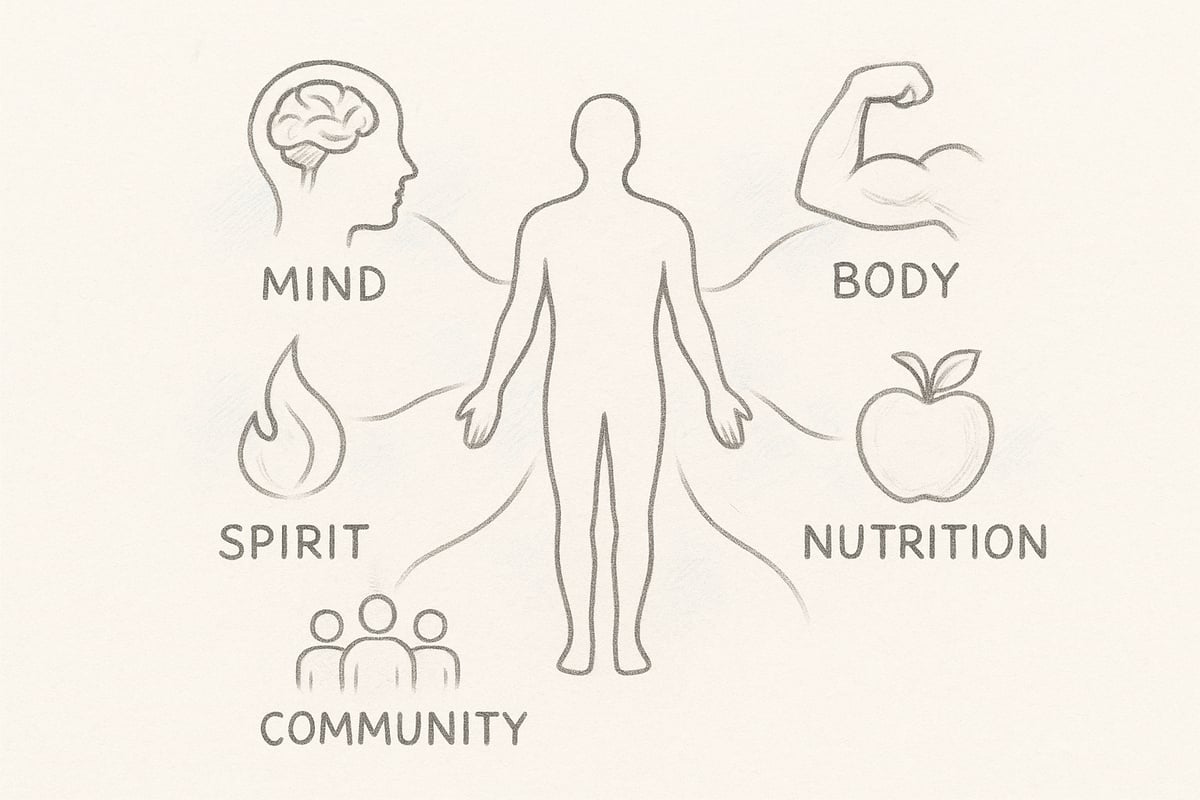
Functional wellness is a comprehensive approach that seeks optimal functioning across every dimension of health—physical, psychological, social, and spiritual. Unlike traditional models that often focus on treating symptoms, functional wellness emphasizes understanding the unique factors that influence your overall well-being.
At its core, functional wellness prioritizes a root-cause approach. Rather than masking discomfort, this model seeks to uncover the underlying reasons for health challenges. Body systems are viewed as interconnected, meaning an imbalance in one area can ripple throughout your entire being. Integrating prevention, self-care, and resilience is central to this philosophy, empowering individuals to take an active role in their health journey.
Personalization is a defining feature of functional wellness. Each person’s genetics, lifestyle choices, environment, and medical history shape their path to well-being. For example, two people with similar symptoms might require entirely different plans based on their unique biology and life circumstances. This tailored care stands in contrast to the “one-size-fits-all” approach often seen in conventional medicine.
To illustrate the difference, consider how functional wellness addresses chronic fatigue, hormonal imbalance, or persistent digestive issues. Instead of prescribing a quick fix, practitioners explore potential causes—such as nutrient deficiencies, stress, or environmental exposures—and develop strategies to restore balance. For those interested in learning more about the root-cause philosophy, exploring functional medicine approaches can offer valuable insights.
Data highlights the need for holistic, integrated care. For instance, only a quarter of women living with HIV in the US achieve viral suppression, underscoring the importance of addressing physical health alongside mental, emotional, and social support. Functional wellness offers a framework for bridging these gaps by uniting medical science with compassion and personalized strategies.
A foundational principle of functional wellness is the mind-body-spirit connection. Physical symptoms are not isolated; they are linked to emotional state, social environment, and even spiritual well-being. By honoring this interconnectedness, functional wellness moves beyond symptom management, offering a path toward true vitality and resilience.
This holistic model empowers individuals to become partners in their health. By addressing the full spectrum of influences, functional wellness creates a foundation for lasting transformation, preparing you to thrive in a complex and ever-changing world.
The Pillars of Functional Wellness: Building Blocks for Lasting Health
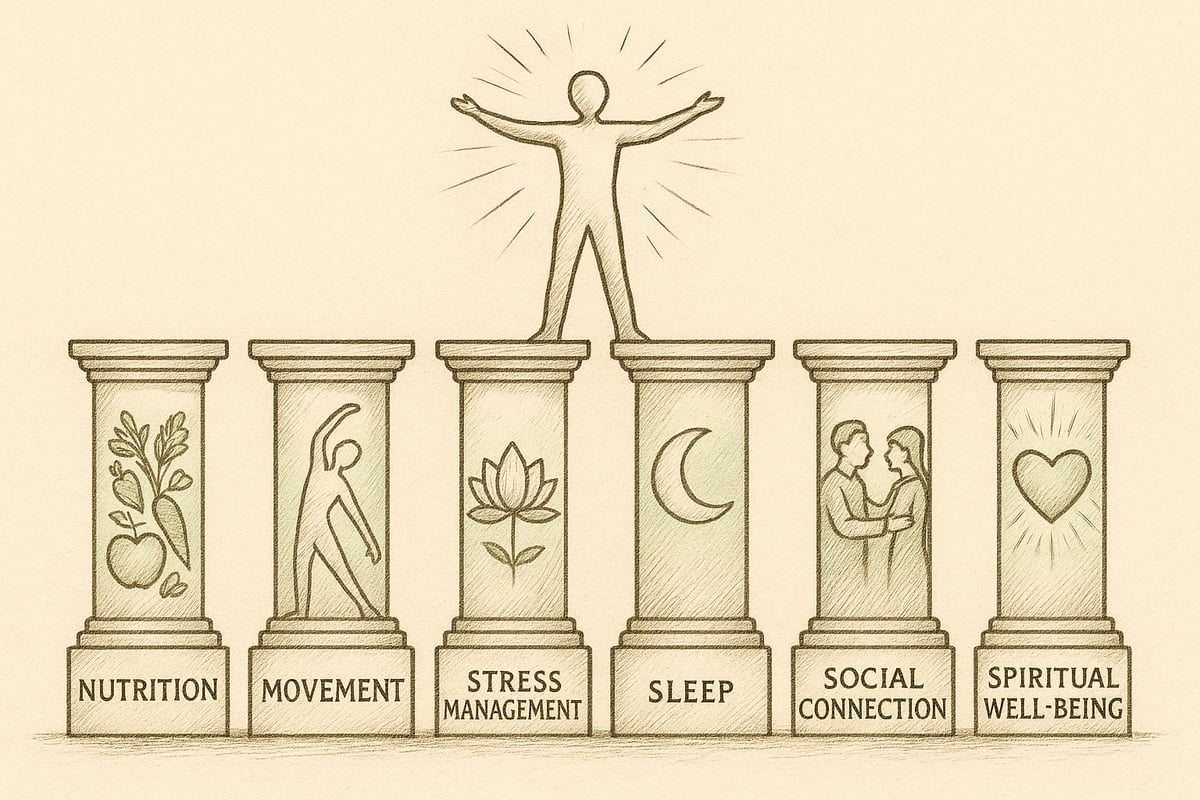
True functional wellness is built on a set of interwoven pillars, each supporting your body, mind, and spirit. By strengthening these pillars, you create a resilient foundation for lifelong health. Let us explore each building block and see how they work together to help you thrive.
Nutrition: The Cornerstone of Functional Wellness
Nutrition is the central pillar of functional wellness, influencing every system in your body. A diet focused on whole foods, anti-inflammatory choices, and vibrant plant-based meals can transform energy, immunity, and mood. Recent trends emphasize the power of nutrient-dense, gut-friendly foods, with the gut microbiome recognized as a key player in overall well-being. Personalized nutrition plans, often informed by lab testing for food sensitivities or nutrient levels, can address the unique needs of each individual. To learn more about these advances, see Functional nutrition and gut health.
Movement: Personalized Exercise for Mind and Body
Movement is more than just exercise; it is about choosing activities that match your needs and lifestyle. Functional wellness encourages movement routines that boost energy, support detoxification, and sharpen mental clarity. Whether you prefer walking, yoga, strength training, or dance, the goal is to find joy in motion and make it a consistent part of daily life. Personalized programs can be tailored using assessments of mobility, endurance, and even genetic factors.
Stress Management: Balancing Emotions and Building Resilience
Chronic stress disrupts immune, digestive, and cardiovascular systems, making stress management a vital pillar of functional wellness. Techniques such as mindfulness meditation, deep breathing, and intentional lifestyle design help to regulate emotions and promote calm. Emotional balance is cultivated through both individual practices and support networks, empowering you to respond constructively to life’s challenges.
Sleep: The Foundation for Restoration and Repair
Quality sleep is essential for functional wellness, as it is during rest that the body repairs tissues, balances hormones, and consolidates memories. Sleep optimization involves creating healthy routines, addressing disruptors like blue light or caffeine, and ensuring a restorative environment. Poor sleep can undermine immune, cognitive, and metabolic health, so tracking patterns and making adjustments is key to long-term vitality.
Social Connection: Building Community and Support
Humans are social beings, and strong connections are fundamental to functional wellness. Supportive relationships foster resilience, reduce stress, and encourage healthy behaviors. Community can be built through family, friends, peer groups, or online networks, all of which provide a sense of belonging and accountability. Research shows that social isolation is linked to poorer health outcomes, making this pillar just as critical as nutrition or movement.
Spiritual Well-Being: Finding Meaning and Inner Peace
Spiritual wellness is about discovering purpose, meaning, and inner peace, whatever your beliefs or traditions. Practices like meditation, gratitude, time in nature, or personal rituals nurture this dimension of functional wellness. A strong sense of purpose can buffer stress, inspire growth, and deepen your connection to yourself and others.
Each pillar of functional wellness is unique, yet they are deeply interconnected. By nurturing these building blocks, you create a holistic framework for lasting health—one that adapts to your needs and empowers you to thrive.
The Functional Wellness Pathway: Step-by-Step Guide to Holistic Health in 2026
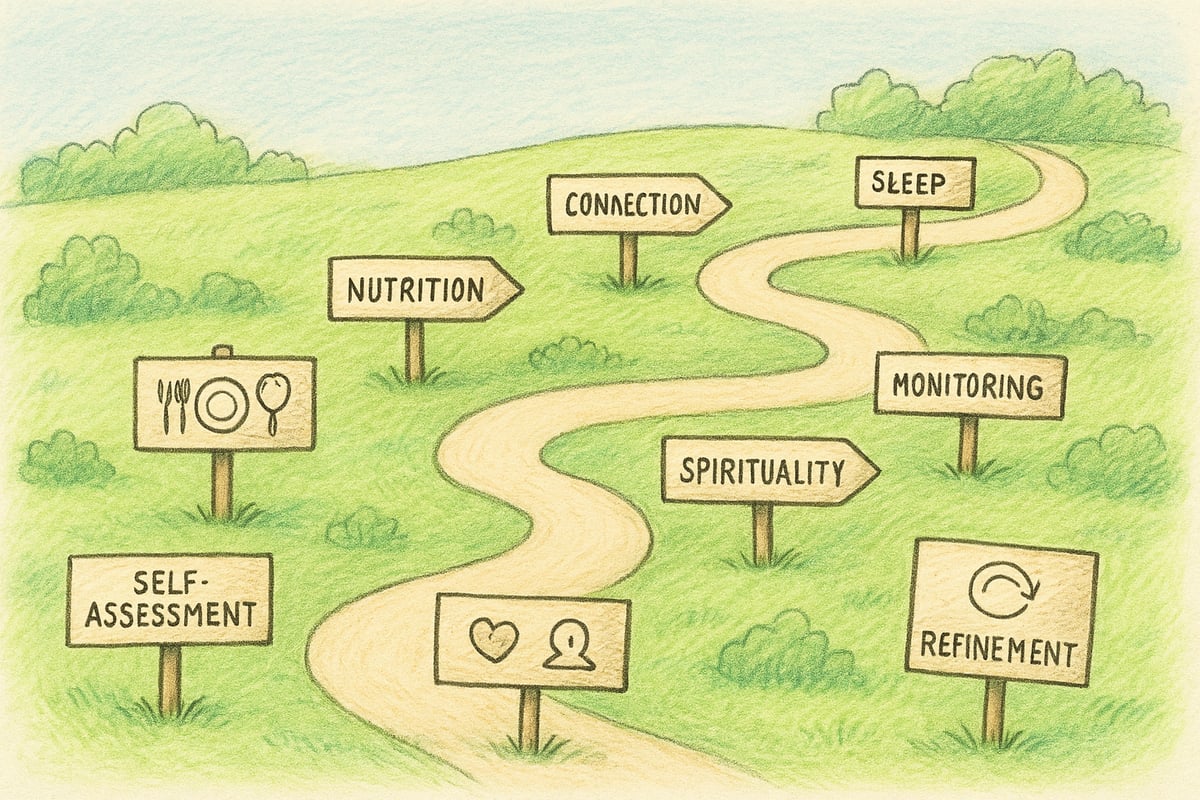
Embarking on your functional wellness journey is less about a quick fix and more about building a sustainable, personalized roadmap to optimal health. In 2026, this pathway integrates scientific insight, self-awareness, and actionable strategies, guiding you to thrive in every aspect of life.
Below, discover a step-by-step guide designed to help you reclaim your well-being. Each step is rooted in the core principles of functional wellness, blending evidence-based practices with real-world practicality.
Step 1: Self-Assessment
Begin by tuning in to your body, mind, and spirit. Identify current imbalances, symptoms, and personal health goals. Reflect on your energy, mood, digestion, and overall vitality. This honest self-inquiry forms the foundation of functional wellness, empowering you to take charge of your journey.
Step 2: Comprehensive Evaluation
Partner with a functional wellness professional for a thorough evaluation. This may include reviewing your health history, lifestyle patterns, and advanced lab testing. Understanding your unique genetics, environment, and medical background helps uncover root causes of persistent issues.
Step 3: Personalize Nutrition
Adopt a nutrition plan centered on whole, nutrient-dense foods tailored to your individual needs. Address food sensitivities and prioritize gut health, which plays a crucial role in functional wellness. Explore resources like Gut health essentials to deepen your understanding of digestive wellness and its impact on your overall vitality.
Step 4: Move with Purpose
Create a movement routine that aligns with your energy levels, lifestyle, and enjoyment. Whether it is yoga, walking, strength training, or dance, regular movement supports detoxification, mental clarity, and resilience. The goal of functional wellness is not just fitness, but joyful, sustainable activity.
Step 5: Master Stress Management
Incorporate mindfulness, breathwork, and emotional resilience practices into your daily life. Functional wellness emphasizes stress reduction as a key driver of immune, hormonal, and mental well-being. Try meditation, guided imagery, or journaling to restore balance.
Step 6: Prioritize Restorative Sleep
Establish a consistent sleep routine and address any underlying disruptors. Track your sleep quality and patterns, aiming for deep, restorative rest. Functional wellness recognizes that sleep is the body’s time for repair, cognitive renewal, and metabolic balance.
Step 7: Build Social and Community Connections
Engage in supportive networks, whether through group activities, online communities, or meaningful relationships. Social connection is vital for resilience and emotional support within functional wellness. Prioritize authentic engagement and shared experiences.
Step 8: Foster Spiritual Well-Being
Explore practices that nurture your sense of meaning and inner peace. This may include meditation, nature walks, gratitude exercises, or personal rituals. Spiritual wellness is a core aspect of functional wellness, guiding you toward purpose and fulfillment.
Step 9: Monitor Progress
Use digital tools, journaling, or health apps to track changes and outcomes. Regular monitoring keeps you engaged and allows you to celebrate milestones. Functional wellness is an evolving process that benefits from ongoing reflection.
Step 10: Adjust and Refine
Review your progress regularly, either independently or with a functional wellness coach. Adjust your plan based on new insights or life changes. This adaptive approach ensures that your journey remains personalized and effective.
Case Study: Overcoming Chronic Fatigue
Consider Maria, a 38-year-old woman experiencing chronic fatigue. Through functional wellness self-assessment, she identified poor sleep and dietary imbalances. With professional guidance, she adopted an anti-inflammatory diet, began gentle yoga, and joined a supportive community group. Over several months, Maria tracked her progress using a wellness app, adjusting her plan as needed. Her energy, mood, and resilience improved dramatically.
Practical Tools for Your Functional Wellness Pathway
| Tool | Purpose | Example Use |
|---|---|---|
| Self-Assessment Questions | Identify imbalances and goals | "How do I feel after meals?" |
| Food Journal Template | Track nutrition and reactions | Note energy, mood, digestion |
| Movement Tracker | Log daily activity and patterns | Steps, type, and duration |
Functional wellness is a lifelong journey, not a destination. By following this stepwise guide, you can create a personalized blueprint for lasting health and vitality. Remember, small changes compound over time, and every step you take brings you closer to thriving in 2026 and beyond.
The Role of Technology and Innovation in Functional Wellness (2026 Trends)
In 2026, technology is reshaping how we approach functional wellness, opening doors to more personalized, data-driven, and accessible health solutions. The integration of digital tools has made holistic care more interactive, measurable, and adaptable for people from all walks of life.
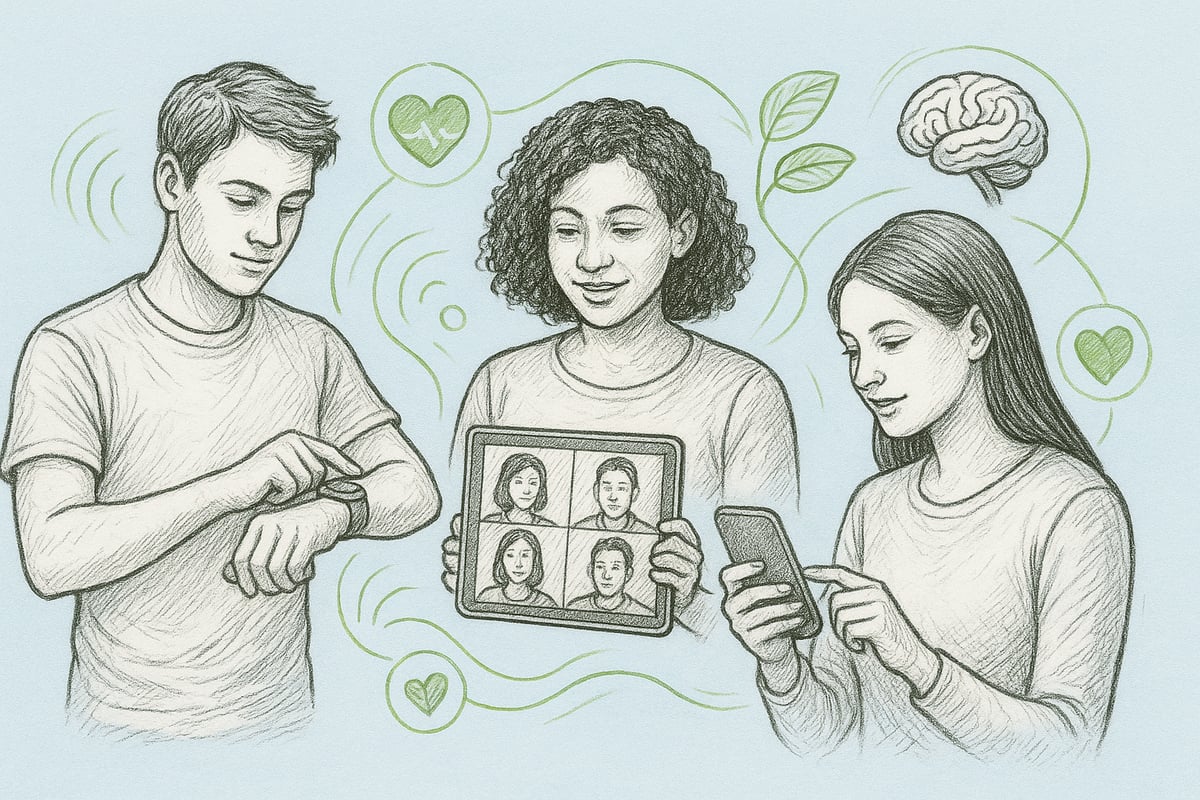
Smartphones, wearables, and telehealth platforms have become essential for anyone pursuing functional wellness. Since 2020, the adoption of health tracking apps and telemedicine has soared, making it easier to monitor vital signs, sleep, movement, and nutrition in real time. These platforms empower users to take charge of their health journey, offering instant feedback and actionable insights.
Remote monitoring and AI-driven dashboards are now central to functional wellness. Devices such as continuous glucose monitors, smartwatches, and microbiome testing kits allow users to gather detailed health data from the comfort of home. Advanced systems are leveraging large language models to analyze wearable data, providing tailored recommendations and behavior insights. For a deeper look at how this technology works, see Transforming wearable data into health insights.
Online education and virtual communities have also transformed the landscape of functional wellness. People can now access expert-led webinars, group coaching, and supportive forums that foster accountability and connection. These resources break down barriers of location and schedule, making holistic health strategies available to more individuals.
Privacy and data ownership are increasingly important as digital wellness grows. Users expect transparency about how their information is stored, shared, and protected. Ethical considerations around AI recommendations and data security are shaping new industry standards, ensuring that innovation aligns with personal values and public trust.
Technology is also advancing health equity in functional wellness. Digital platforms offer access to care for those in remote or underserved communities, reducing gaps caused by geography or traditional healthcare limitations. As more people engage with these tools, the potential for personalized, holistic well-being continues to expand.
Functional Wellness for Diverse Populations: Personalization and Inclusivity
Every person’s health journey is shaped by unique experiences, backgrounds, and challenges. As functional wellness continues to gain momentum, the need for truly inclusive, personalized approaches has never been greater. This section explores how functional wellness adapts to serve the varied needs of our diverse world.
Personalization Across Cultures and Communities
Functional wellness recognizes that no two individuals are alike. Women, BIPOC communities, and those living with chronic conditions require care that honors their cultural values, traditions, and lived experiences.
For example, women living with HIV often prioritize resilience, self-care, and holistic support. BIPOC communities may value ancestral healing practices, language-specific resources, or community-driven programs. Addressing these needs means listening, adapting, and co-creating solutions.
Inclusive functional wellness providers offer tailored assessments, flexible care models, and programs that respect cultural beliefs. By embracing diversity, the field moves beyond a one-size-fits-all model and empowers everyone to thrive.
Addressing Social Determinants in Functional Wellness
True functional wellness considers the broader context of health. Social determinants—such as housing stability, food security, education, and access to quality care—profoundly impact well-being.
Many individuals face barriers like limited transportation, financial constraints, or lack of healthy food options. Functional wellness practitioners are increasingly collaborating with local organizations to bridge these gaps, ensuring care is accessible and relevant.
Community-based wellness groups, mobile clinics, and language-accessible education help reduce inequities. By addressing these root causes, functional wellness creates a foundation for lasting change, particularly for those historically underserved.
Building Inclusive Ecosystems and Access
Building an inclusive functional wellness ecosystem requires intention and innovation. Programs tailored to specific communities—like women’s health collectives or support groups for chronic illness—foster belonging and empowerment.
Key strategies include:
- Offering services in multiple languages
- Providing sliding-scale or free wellness events
- Creating safe spaces for marginalized groups
- Encouraging peer mentorship and leadership
Online resources, like Holistic health and wellness, expand access to evidence-based, integrative guidance for diverse populations. When everyone is seen and supported, functional wellness becomes a catalyst for health equity.
Embracing the Future of Inclusive Functional Wellness
As the field evolves, functional wellness must remain rooted in empathy, open communication, and continuous learning. By prioritizing personalization and inclusivity, we can build a future where every individual, regardless of background, has the opportunity to achieve optimal health.
Resources, Tools, and Next Steps for Your Functional Wellness Journey
Embarking on a functional wellness journey requires more than good intentions. The right resources, practical tools, and ongoing support can transform knowledge into lifelong habits. This section provides a curated roadmap to help you take actionable steps and sustain progress in every area of your well-being.
Trusted Resources for Functional Wellness
Start by building a strong foundation of knowledge. Quality resources empower you to make informed choices about functional wellness for yourself and your family.
- Books: Look for evidence-based guides on nutrition, stress management, and holistic health.
- Podcasts: Listen to experts share insights on the latest functional wellness research and real-world applications.
- Online Courses: Enroll in programs focusing on topics like gut health, mindfulness, or movement science.
- Professional Directories: Use directories to find certified functional wellness practitioners in your area.
For targeted support on the mind-body-spirit connection, explore mind-body wellness strategies that address mental and emotional health as part of a holistic approach.
Essential Digital Tools and Templates
Technology can make your functional wellness journey more personalized and sustainable. Leverage digital platforms to track progress and stay motivated.
- Health Tracking Apps: Monitor nutrition, sleep, activity, and mood.
- Meditation Platforms: Access guided meditations and stress reduction exercises.
- Online Communities: Join groups focused on functional wellness for encouragement and shared learning.
Templates such as a daily wellness tracker, meal planner, and stress management worksheet help you translate goals into daily routines. Stay updated with top wellness trends in 2024 to see how science-backed solutions are shaping the future of functional wellness.
Finding the Right Practitioner or Coach
Choosing a qualified functional wellness practitioner is crucial for personalized care. Look for professionals with formal training in integrative or functional medicine, and check for certifications or affiliations with reputable organizations.
Schedule an initial consultation to discuss your goals, ask about their approach, and ensure their philosophy aligns with your expectations. Trusted practitioners will encourage active participation, helping you co-create a plan that fits your life and supports lasting functional wellness.
Continuing Your Functional Wellness Journey
Make ongoing education part of your routine. Attend webinars, workshops, or certification programs to deepen your understanding of functional wellness. Set realistic goals, and use self-check-ins to measure progress and adjust strategies as needed.
Engage with supportive communities, whether in person or online, to stay accountable. Integrate functional wellness practices into family or group settings, inviting others to join you. Remember, progress is incremental, and every step forward builds resilience and well-being for the future.
As you reflect on the core pillars and actionable steps we’ve explored, remember that real transformation begins when knowledge turns into action. If you’re ready to take the next step toward holistic health—supported by expert guidance, practical tools, and a vibrant community—you don’t have to do it alone. Join us for ongoing insights, inspiration, and the connection you need to thrive in 2026 and beyond. Stay connected to the latest trends, resources, and supportive voices by becoming part of our wellness movement—Join Our Holistic Community for Updates.