In 2026, parents are navigating a rapidly shifting healthcare landscape, often weighing whether a natural pediatrician or traditional care is best for their child. The rise of holistic and integrative options has made these choices both exciting and overwhelming.
This article aims to clarify the differences, benefits, and considerations between a natural pediatrician and conventional approaches. Our goal is to offer a balanced, up-to-date comparison so you can make confident, informed decisions.
We will define each model, explore philosophies, compare outcomes, and provide practical guidance, empowering you to choose the best pediatric care for your family’s needs.
Defining Natural Pediatricians and Traditional Care
Understanding the landscape of pediatric care in 2026 begins with clear definitions. Parents today can choose between a natural pediatrician, traditional pediatric care, or even a blend of both. Each path is rooted in unique philosophies, methods, and clinical approaches. Let us break down what sets these options apart, where they overlap, and how they are shaping the future of children’s health.

What is a Natural Pediatrician?
A natural pediatrician focuses on holistic, integrative, and preventive care for children. This approach emphasizes nutrition, lifestyle choices, and environmental influences on health. Instead of reaching for immediate pharmaceutical solutions, a natural pediatrician often suggests natural remedies, such as herbal medicine, homeopathy, dietary supplements, and mind-body practices.
Many natural pediatricians have training in naturopathic medicine, functional medicine, or integrative pediatrics. For example, if a child has recurring ear infections, a natural pediatrician might recommend dietary adjustments and herbal support before considering antibiotics. The popularity of this model is rising, with more families seeking alternatives to conventional care. For a deeper dive into these philosophies and training, explore Naturopathic Doctor Insights.
What is Traditional Pediatric Care?
Traditional pediatric care is grounded in conventional, evidence-based medicine. Board-certified pediatricians (MDs or DOs) rely on standardized diagnostic protocols and proven treatments. Pharmaceuticals, vaccines, and surgical interventions are used when necessary, ensuring children receive rapid, effective care for acute and chronic issues.
A traditional pediatrician will typically prescribe antibiotics for bacterial infections, follow strict vaccination schedules, and perform routine developmental screenings. This model is the dominant form of care in the United States, with over 90 percent of children seeing a provider who adheres to traditional standards, according to CDC data from 2024. The focus remains on safety, efficacy, and adherence to established guidelines.
Key Philosophical Differences
The philosophical divide between a natural pediatrician and traditional care is significant. Natural care prioritizes identifying root causes, prevention, and treating the whole child rather than just symptoms. In contrast, traditional care emphasizes symptom management, quick intervention, and acute care for urgent health needs.
Attitudes toward pharmaceuticals and alternative therapies differ as well. Natural pediatricians may advocate for delayed or customized vaccine schedules, while traditional providers generally follow CDC recommendations. Parental involvement is often more pronounced in natural care, with shared decision-making and individualized plans for chronic or complex conditions.
Overlap and Areas of Integration
Despite their differences, there is a growing overlap between natural pediatrician practices and traditional care. Many pediatricians are now integrating complementary therapies, such as mindfulness exercises or nutrition counseling, alongside standard treatments. This trend is supported by evolving insurance policies and regulatory frameworks that recognize the value of integrative care.
For instance, a traditional pediatrician might suggest mindfulness techniques to help manage stress or recommend dietary modifications along with prescribed medication. According to a 2025 survey, 35 percent of pediatricians in the U.S. now offer at least one complementary therapy, illustrating the shift toward a more holistic approach in mainstream medicine.
Methods, Treatments, and Tools: A Side-by-Side Comparison
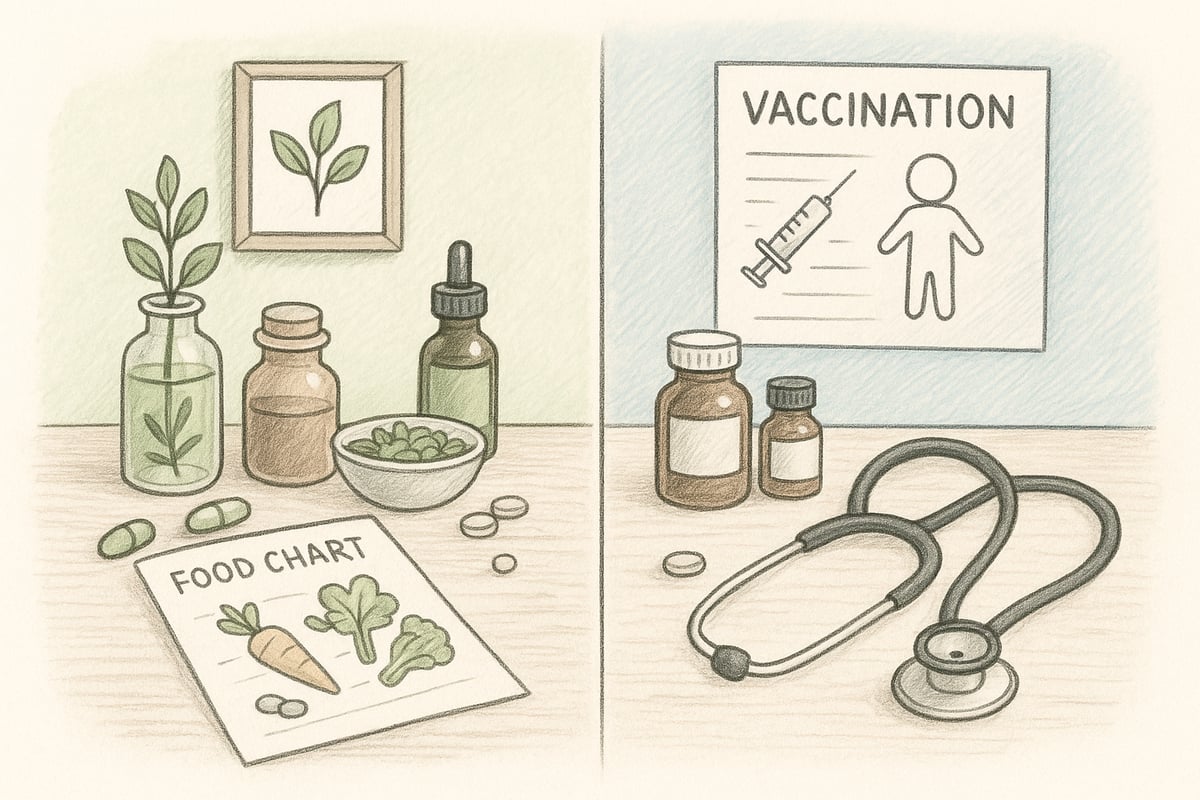
Choosing between a natural pediatrician and traditional care means understanding how each approach handles prevention, illness management, and the tools they use. Parents today want clarity on these differences to make the best decisions for their children.
Preventive Focus and Health Promotion
A natural pediatrician places prevention at the core of their practice, emphasizing nutrition, sleep, exercise, and stress management. They often provide tailored advice on diet and lifestyle, sometimes recommending probiotics or herbal supplements for gut health. Families working with a natural pediatrician report feeling empowered to take charge of their child’s wellness.
Traditional care, in contrast, focuses on standardized screenings, regular checkups, and timely immunizations to catch issues early. Both approaches share the goal of keeping children healthy, but their strategies differ. According to the 2025 Parenting Health Survey, families using holistic care often express higher satisfaction with preventive guidance. For more on holistic methods, explore Holistic Health & Wellness.
Acute and Chronic Illness Management
When it comes to illness, a natural pediatrician typically uses non-invasive therapies as a first step. For colds or recurrent infections, they may recommend dietary adjustments, herbal remedies, or homeopathy. Chronic issues, such as asthma or eczema, are managed with long-term lifestyle plans and environmental changes.
Traditional care prioritizes immediate pharmaceutical intervention, especially for acute or severe conditions. This can include antibiotics, antivirals, or hospitalization if needed. For chronic illnesses, ongoing medication is common, often following strict protocols. A natural pediatrician may offer alternative strategies, but collaboration with traditional providers is sometimes necessary for complex cases.
Use of Pharmaceuticals and Natural Remedies
A natural pediatrician prefers to reserve pharmaceuticals for situations where natural treatments are ineffective or inappropriate. Instead, they utilize botanicals, homeopathic remedies, and dietary supplements. For example, in managing ADHD, a natural pediatrician might focus on nutrition and behavioral therapy.
Traditional care relies on evidence-based medications, following FDA-approved guidelines. Stimulants for ADHD or antibiotics for infections are standard. Recent studies reveal that 60 percent of natural pediatricians only prescribe medication when absolutely necessary, highlighting a significant difference in treatment philosophy.
Vaccination and Immunization Practices
Vaccination is a key area where a natural pediatrician and traditional care often diverge. Traditional pediatricians strictly follow CDC and American Academy of Pediatrics schedules, ensuring each child receives recommended vaccines at the right time. This approach prioritizes population-level protection.
A natural pediatrician may offer alternative or delayed schedules, discuss exemptions, and provide thorough vaccine counseling. They respect parental concerns about ingredients or timing, emphasizing informed consent. According to CDC data, about 15 percent of US families choose alternative vaccine schedules, reflecting the growing influence of natural pediatrician guidance.
Diagnostic Tools and Technology
A natural pediatrician employs functional medicine labs, food sensitivity testing, and environmental assessments to uncover root causes of health issues. For instance, gut microbiome analysis is becoming more common in holistic practices. Both natural pediatrician and traditional care providers are embracing telehealth and digital health records to improve access.
Traditional pediatricians use lab tests, imaging, and standardized developmental screenings to diagnose and monitor conditions. The integration of technology is growing across both fields, making care more efficient and personalized. This trend is likely to continue as parents seek comprehensive solutions for their children.
Outcomes, Evidence, and Safety: What Does the Research Say?
The debate between natural pediatrician care and traditional pediatric care is shaped by a growing body of research. Parents want to know: which approach delivers better outcomes, prioritizes safety, and supports long-term child wellbeing? Let’s examine what recent studies reveal about effectiveness, risks, satisfaction, and the emerging integrative models.

Effectiveness for Common Childhood Conditions
When comparing outcomes for allergies, asthma, ADHD, and recurrent infections, the research highlights nuanced differences. Traditional care is highly effective in acute and emergency cases, such as bacterial infections or severe asthma attacks. In contrast, a natural pediatrician often addresses chronic or recurring conditions with prevention-focused strategies.
Several studies show integrative care, which blends both philosophies, can improve quality of life for children with eczema and mild asthma. For example, dietary changes and stress management recommended by a natural pediatrician may reduce flare-ups, while traditional medicine manages acute symptoms. Overall, evidence suggests that families using a natural pediatrician may see benefits in managing chronic, lifestyle-related pediatric health issues.
Safety and Risk Considerations
Safety is a key concern for any parent. Traditional pediatric care follows strict safety protocols, but pharmaceutical treatments can bring side effects, including allergic reactions or long-term impacts. A natural pediatrician, by contrast, typically uses fewer pharmaceuticals and more natural remedies, which may reduce some risks.
However, natural remedies can carry their own concerns:
- Supplements and herbs may interact with prescribed medications.
- Not all alternative treatments are well-regulated.
- Unproven approaches might delay critical care.
Choosing a qualified natural pediatrician is essential to ensure treatments are evidence-based and safe. Both care types require ongoing oversight and clear communication to minimize risk.
Parent Satisfaction and Child Wellbeing
Parental satisfaction varies depending on the child’s needs and the approach chosen. Families who work with a natural pediatrician for chronic conditions often report a stronger sense of involvement in care decisions. These parents appreciate personalized plans and holistic attention to nutrition, sleep, and stress.
In contrast, parents using traditional pediatric care tend to express higher satisfaction when facing emergencies or acute illnesses. According to the 2025 Parenting Health Survey, 80 percent of families using holistic or natural pediatrician care feel “very involved” in decision-making, while those using traditional care value reliability and rapid intervention for urgent health issues. Long-term outcomes remain mixed, with more research needed.
Integrative and Hybrid Models: Best of Both Worlds?
Integrative pediatric clinics, which combine traditional and natural pediatrician methods, are gaining popularity. These practices offer both conventional treatments and holistic options, allowing for more comprehensive care. Families benefit from improved communication, shared decision-making, and access to a broader range of therapies.
A recent Pediatric Integrative Medicine Implementation Study demonstrated that large health systems can successfully integrate complementary therapies alongside standard care. This approach is linked to higher patient retention and satisfaction, suggesting that blending the strengths of both models can provide optimal outcomes for modern families.
Gaps in Research and Future Directions
Despite growing interest, there are still significant gaps in research comparing natural pediatrician care and traditional care. Large-scale, long-term studies are limited, especially regarding natural therapies for children. Experts call for more rigorous trials to evaluate safety and effectiveness.
Advances in technology, such as digital health tracking and telehealth, are beginning to enable better data collection and personalized care plans. Ongoing NIH-funded studies aim to shed light on how integrative and natural pediatrician approaches impact long-term child health. As the field evolves, parents can expect more clarity and guidance in the years ahead.
Key Factors to Consider When Choosing Pediatric Care in 2026
Choosing the right pediatrician is a crucial decision for families in 2026. Parents must weigh several factors to ensure their child receives the best care, whether they opt for a natural pediatrician or traditional provider. Below are the key considerations to guide your choice.

Family Values, Beliefs, and Health Goals
Begin by examining your family’s health philosophy. Are you drawn to prevention and holistic wellness, or do you value rapid intervention for acute issues? A natural pediatrician often aligns with families seeking minimal pharmaceutical use, faith-based approaches, or a strong focus on nutrition and lifestyle.
- Consider whether your cultural or spiritual beliefs influence your healthcare choices.
- Reflect on your comfort with alternative therapies versus conventional medicine.
- Discuss your long-term health goals as a family.
Choosing the right provider means finding someone whose approach resonates with your core values and expectations.
Child’s Unique Health Needs and Medical History
Every child is different, and their health needs can shape your decision. If your child has chronic conditions, allergies, or requires complex care, a natural pediatrician may offer tailored, multidisciplinary support. For acute, life-threatening issues, traditional care is often essential.
- Review your child’s medical history and ongoing concerns.
- Consider the balance between chronic management and emergency readiness.
- Children with autoimmune diseases or special needs may benefit from a provider who collaborates across specialties.
Matching your child’s unique profile with the right pediatrician ensures their needs are fully met.
Provider Credentials, Training, and Experience
Credentials matter when it comes to pediatric care. Always verify whether your chosen provider is board-certified, licensed in your state, and experienced with your child’s age group or health condition. A natural pediatrician may hold credentials in naturopathic medicine, functional medicine, or integrative pediatrics. For example, many families research Functional Medicine for Children to understand the training and principles behind holistic care.
- Check for board certification and relevant fellowships.
- Investigate state regulations, as some areas have specific licensure for naturopathic providers.
- Read patient testimonials and reviews to gauge reputation.
Prioritizing experience and transparency helps you make an informed, confident decision.
Accessibility, Insurance, and Cost
Access and affordability play a significant role in choosing a pediatrician. While traditional care is commonly covered by insurance, some services offered by a natural pediatrician might require out-of-pocket payment or direct-pay models.
- Review your insurance policy for coverage of holistic therapies.
- Compare costs for office visits, telehealth, and additional services.
- Consider location, appointment availability, and ease of communication.
Balancing convenience, coverage, and cost can help families plan for sustainable, long-term care.
Communication, Collaboration, and Trust
Effective communication is the foundation of a positive healthcare relationship. Whether you choose a natural pediatrician or traditional provider, ensure they prioritize parental involvement and respect your preferences.
- Look for practices that encourage shared decision-making.
- Assess the provider’s willingness to explain options and answer questions.
- Value ongoing collaboration, especially as your child’s needs evolve.
Trust and open dialogue empower families to make the best choices for their children’s health.
The Evolving Landscape: Trends Shaping Pediatric Care in 2026
Pediatric care is undergoing rapid transformation as new trends shape how families choose and experience healthcare. The landscape in 2026 looks different from just a few years ago, with both holistic and traditional models adapting to changing needs and expectations. For families seeking the right fit, understanding these shifts is essential.
Rise of Holistic and Integrative Pediatric Practices
The demand for holistic, preventive, and integrative care is on the rise. Many families are turning to a natural pediatrician for a more comprehensive approach that addresses nutrition, lifestyle, and emotional wellbeing. Major children’s hospitals are establishing integrative medicine departments, and hybrid clinics are becoming common.
This shift is driven by parents who want more than symptom management. They seek providers who consider the whole child and collaborate on long-term wellness strategies. To learn more about how integrative care is evolving worldwide, see this Integrative Pediatrics Webinar Announcement.
Advances in Digital Health and Remote Care
Technology continues to reshape pediatric care. A natural pediatrician now often leverages telehealth, remote monitoring, and digital health apps to stay connected with families. These tools provide personalized health tracking, making it easier to monitor nutrition, sleep, and stress.
Remote care has expanded access for families in rural or underserved areas. Virtual wellness programs and online consultations are reducing barriers and improving continuity of care. Digital innovation supports both traditional and natural pediatrician practices, ensuring families can access expertise anytime.
Shifting Parental Attitudes and Informed Decision-Making
Parents are more informed and proactive than ever. Many seek a natural pediatrician because they value shared decision-making and transparency. Online communities, forums, and educational platforms empower parents to research care models, ask questions, and advocate for their children’s needs.
This shift means providers must be open to collaboration and respect diverse family preferences. Whether choosing traditional or natural pediatrician care, families now expect to play an active role in creating care plans tailored to their values and goals.
Regulatory and Insurance Changes
Regulatory and insurance landscapes are evolving to reflect new care models. More insurers are covering select holistic services, making access to a natural pediatrician more affordable for some families. Recent policy updates influence licensure for naturopathic providers and introduce new billing codes for integrative therapies.
Regulations are also tightening around supplements and alternative treatments, ensuring higher safety standards. These changes support families in making informed, safe choices as they navigate the expanding options in pediatric care.
Case Studies and Real-World Examples: Families Navigating Their Choices
Real-life experiences can illuminate the decision-making process for parents choosing between a natural pediatrician and traditional care. The following case studies highlight the unique journeys and outcomes of three families, each navigating pediatric care in their own way.
Family A: Choosing Natural Care for Chronic Wellness
The Smith family sought a natural pediatrician after their son developed persistent eczema and seasonal allergies. Frustrated by recurring flare-ups and limited relief from topical steroids, they turned to a holistic provider who emphasized nutrition, gut health, and environmental changes.
Their natural pediatrician recommended removing certain foods, introducing probiotics, and using herbal salves. Over time, the child’s symptoms improved, and the family appreciated the provider’s comprehensive approach and focus on prevention. The Smiths also found valuable support and information through resources like Children’s Health Topics, which deepened their understanding of holistic pediatric care.
This experience helped the family embrace lifestyle changes that promoted long-term wellness.
Family B: Relying on Traditional Care for Acute Needs
The Johnsons faced a sudden crisis when their daughter developed a high fever and difficulty breathing. They immediately contacted their primary care pediatrician, a board-certified traditional provider.
Swift diagnostic testing revealed bacterial pneumonia. The pediatrician administered antibiotics and recommended hospitalization for close monitoring. Thanks to rapid intervention and advanced medical technology, the child made a full recovery within days.
For the Johnsons, traditional pediatric care offered the reassurance of standardized protocols and quick access to lifesaving treatments. Their experience underscored the strengths of conventional medicine in acute, high-risk situations.
Family C: Integrative Approach for Complex Needs
The Lee family’s son was diagnosed with ADHD, presenting both academic and behavioral challenges. Seeking a balanced approach, they worked with an integrative pediatric clinic staffed by a natural pediatrician and a traditional physician.
The care team recommended a combination of nutritional adjustments, behavioral therapy, and, when needed, low-dose medication. This collaborative model allowed the family to address root causes while managing symptoms effectively.
Integrating behavioral health into pediatric care, as discussed in resources like Integrating Behavioral Health in Pediatric Care, provided the Lees with comprehensive support and improved their son’s school performance and confidence.
Lessons Learned and Practical Tips
Families navigating pediatric care in 2026 can learn from these examples. Whether choosing a natural pediatrician, a traditional provider, or an integrative model, flexibility and open communication are essential. Consider these tips:
- Assess your child’s unique health needs and family values.
- Research provider credentials and treatment philosophies.
- Stay open to evolving care plans as your child grows.
- Engage in shared decision-making and ask questions regularly.
Ultimately, the best choice is one that aligns with your goals and supports your child’s wellbeing through every stage of development.
Resources for Parents: Finding the Right Pediatrician in 2026
Choosing a pediatrician in 2026 requires careful consideration, especially with more families considering both traditional and natural pediatrician options. Parents need practical resources and clear steps to guide their decisions. Below, you will find essential questions to ask, ways to verify credentials, tips for navigating insurance, and recommendations for supportive communities.
Questions to Ask When Interviewing Pediatricians
When meeting a potential pediatrician, it is vital to ask questions that reveal their approach to care. Whether you are interested in a natural pediatrician or a traditional provider, focus on these topics:
- How do you balance pharmaceuticals and natural therapies in your practice?
- What is your stance on customizing vaccine schedules?
- How do you support prevention and whole-child wellness?
- Are you open to shared decision-making and parental preferences?
- Can you provide examples of treating common conditions with natural remedies?
These questions help you gauge whether a natural pediatrician or a traditional provider aligns with your family's values and expectations.
Researching Provider Credentials and Reviews
Verifying a provider’s qualifications is crucial, especially when considering a natural pediatrician. Start by confirming board certification for traditional doctors or checking for accredited naturopathic or integrative medicine credentials for holistic practitioners.
Use state medical board websites and professional association directories to ensure licensure. Online review platforms and parent testimonials offer insights into provider experience and patient satisfaction. A natural pediatrician with positive reviews and recognized training is more likely to deliver quality care.
Navigating Insurance, Payment, and Access
Understanding insurance coverage is essential, as plans may differ in support for traditional versus natural pediatrician services. Ask providers about accepted insurance, out-of-pocket costs, and available payment plans. Direct-pay models and health savings accounts (HSA/FSA) can help manage expenses for holistic services.
Many families face persistent gaps in access and coordination, as highlighted by the National Survey on Pediatric Care Gaps. Researching payment options and insurance coverage helps ensure you select a natural pediatrician or traditional provider who meets your needs.
Additional Support: Community Groups and Online Resources
Connecting with other parents can provide valuable support during your search for a natural pediatrician. Join parent forums and local support groups to learn from shared experiences. Explore educational websites and organizations such as the American Academy of Pediatrics and the National Center for Complementary and Integrative Health.
Holistic parenting communities often share provider recommendations and practical tips. Utilizing these resources empowers you to make informed choices and find a natural pediatrician who fits your family’s unique needs.
As you weigh the differences between natural pediatricians and traditional care, it’s clear that the “best” choice depends on your child’s unique needs and your family’s values. Feeling empowered with up-to-date information is the first step, but connecting with others on a similar journey can make all the difference as you explore your options for 2026 and beyond. If you’re looking for ongoing support, trusted resources, and a welcoming space to keep learning, I invite you to Join Our Holistic Community for Updates. Together, we can navigate the evolving world of family health with confidence and clarity.