PublicHealth inequities have persistently harmed Black and Brown communities, reflecting historic and systemic racism. I observe how policies and practices have often marginalized these groups, leading to disproportionate negative health outcomes. You will learn how public health interventions, intended to protect, have sometimes been manipulated to further disenfranchise, exploit, and oppress. Understanding this complex history is vital in addressing the root causes of health disparities, and to foster a future where your community receives the equitable care it deserves.

Key Takeaways:
- Public health policies have historically marginalized Black and Brown communities, often prioritizing control over care.
- Data collection and health surveillance can perpetuate systemic racism, leading to biased health outcomes and resource allocation.
- Access to healthcare services is systematically hindered through economic and geographical barriers, exacerbating health disparities.
Historical Precedents of Public Health Manipulation
Past public health efforts reveal a troubling pattern of manipulation that disproportionately affected Black and Brown communities. Events such as the Tuskegee Syphilis Study demonstrated a blatant disregard for African American lives, where hundreds were misled and denied treatment. This legacy of exploitation continues to shape trust in public health initiatives and policies, fostering resentment and fear that permeate these communities. Such historical precedents linger in the collective memory, influencing contemporary health outcomes and disparities.
Colonial Practices and Medical Racism
Colonial practices laid the groundwork for medical racism, where colonial powers often exploited local populations in the name of public health. For instance, during the colonization of Africa, European entities imposed health regulations that not only disregarded local knowledge but also targeted Indigenous peoples under the guise of disease control. These actions established a framework of inequality and marked the beginning of a systematic devaluation of racially marginalized groups in health discourse.
Discriminatory Health Policies and Their Legacy
Discriminatory health policies have left a lasting impact on public health equity. Policies such as redlining and the segregation of health facilities have created barriers to access, leading to lower health outcomes for Black and Brown communities. Despite advancements, the remnants of these policies resurface in disparities in health insurance coverage, disease treatment, and overall access to quality care, further entrenching societal inequities.
The legacy of discriminatory health policies is evident in the ongoing disparities in healthcare access and outcomes. For example, Black Americans face a higher likelihood of being uninsured, contributing to lower rates of preventive care. According to the CDC, the maternal mortality rate for Black women is more than three times higher than that of white women, showcasing the direct impact of historical inequities on present-day health realities. As we unpack these policies, it becomes clear that their repercussions have shaped a landscape where systemic barriers continue to hinder equity in health, necessitating urgent attention and action.
Contemporary Issues in Healthcare Disparities
Healthcare disparities persist in today’s society, deeply rooted in systemic racism and socio-political neglect. These disparities often manifest in unequal access to quality care, leading to significant health outcomes for Black and Brown communities. Factors like insurance coverage, availability of services, and institutional biases exacerbate these inequalities, highlighting the urgent need for reform in public health policies.
Access Barriers in Urban and Rural Settings
Access to healthcare varies greatly between urban and rural settings, with both facing distinct challenges. In urban areas, the abundance of healthcare facilities does not eliminate obstacles like transportation barriers and cultural disconnection from providers. Conversely, rural communities grapple with fewer healthcare facilities, resulting in longer travel distances and a shortage of available specialists, ultimately compromising timely care for residents.
The Impact of Socioeconomic Status on Health Outcomes
Your socioeconomic status profoundly influences health outcomes, shaping access to resources that promote health and wellness. Individuals from lower-income backgrounds often experience higher rates of chronic diseases due to limited access to nutritious food, safe housing, and reliable healthcare services. This reality illustrates the intertwining of poverty and health, with wealthier individuals generally having better life prospects and health status.
Research indicates that individuals living in poverty are at higher risk for conditions like diabetes and hypertension, impacting their overall quality of life. For instance, studies show that communities with higher poverty rates experience life expectancies significantly lower than the national average. This disparity is not solely attributed to lifestyle choices; rather, it reflects systemic inequities in education, employment opportunities, and access to preventive care. Providing equitable resources and education can help bridge the gap in health outcomes caused by socioeconomic status.
Weaponizing Data: The Role of Public Health Surveillance
Public health surveillance has transformed into a tool for monitoring and controlling marginalized populations rather than solely for the benefit of community health. With data often collected without informed consent, I see how this surveillance system disproportionately stigmatizes Black and Brown communities. For instance, health data utilized in policy-making frequently fails to incorporate the full context of social determinants, leading to misguided interventions that reinforce existing inequalities rather than address the root causes.
Surveillance and Its Disproportionate Impact on Communities of Color
Surveillance practices often target communities of color, creating an environment of mistrust and fear. I recognize that these communities frequently experience over-policing within health mandates, leading to chronic stress and reluctance to seek necessary care. Statistical data indicates that regions with higher monitoring result in harsher repercussions for these populations, limiting their access to both healthcare and social services, thereby reinforcing cycles of disadvantage.
The Ethics of Data Collection and Use
The ethical implications surrounding data collection in healthcare cannot be overlooked. I am concerned about how personal health information is harvested and utilized without adequate protections for those often affected. Existing frameworks fail to account for the historical injustices faced by marginalized groups, leading to ethical breaches that strip individuals of autonomy and complicate their healthcare experiences.
Ethical data collection must prioritize informed consent, transparency, and accountability. I believe health agencies should establish stricter protocols to ensure the privacy of participants, especially those from vulnerable populations. By involving communities in data governance, I hope we can foster trust and promote equitable health outcomes, transforming surveillance from a weapon into a tool for genuine public health advancement. The potential for misuse is significant; therefore, ethical considerations should dictate how data is managed to safeguard individuals and their communities.
Addressing the Public Health Crisis: Strategies for Change
Addressing the disparities in public health requires multifaceted strategies that focus on community empowerment, equitable resource distribution, and collaboration with local organizations. Initiatives that center on Black Lives Matter in health promotion are important in addressing systemic injustices. Building infrastructures that support health education, preventive care, and access to important services can dismantle barriers for marginalized communities.
Community-Led Health Initiatives and Advocacy
Community-led health initiatives harness the power of local voices to reshape health narratives. Organizations actively engaging with residents can identify specific needs and develop tailored programs to combat health inequities. These grassroots movements often focus on mental health support, maternal health, and disease prevention, cultivating ownership over health outcomes.
Policy Reforms for Equitable Healthcare Access
Equitable healthcare must be cemented in policy reforms that specifically target the social determinants of health in marginalized communities. Extensive legislative action can address issues such as funding disparities, access to transportation, and insurance coverage gaps, ensuring all individuals receive necessary care without financial or systemic barriers.
The impact of implementing robust policy reforms cannot be overstated. Legislation should prioritize funding for community health programs and incentivize healthcare providers to serve in under-resourced areas. For example, the Affordable Care Act has significantly increased insurance coverage, yet disparities in care persist. Proactive reforms need to address how care is delivered to vulnerable populations by integrating cultural competency training in medical education and promoting diverse leadership in health organizations. When these policies are informed by community voices, they become more effective in creating lasting change.
Shifting Narratives: The Power of Representation in Public Health
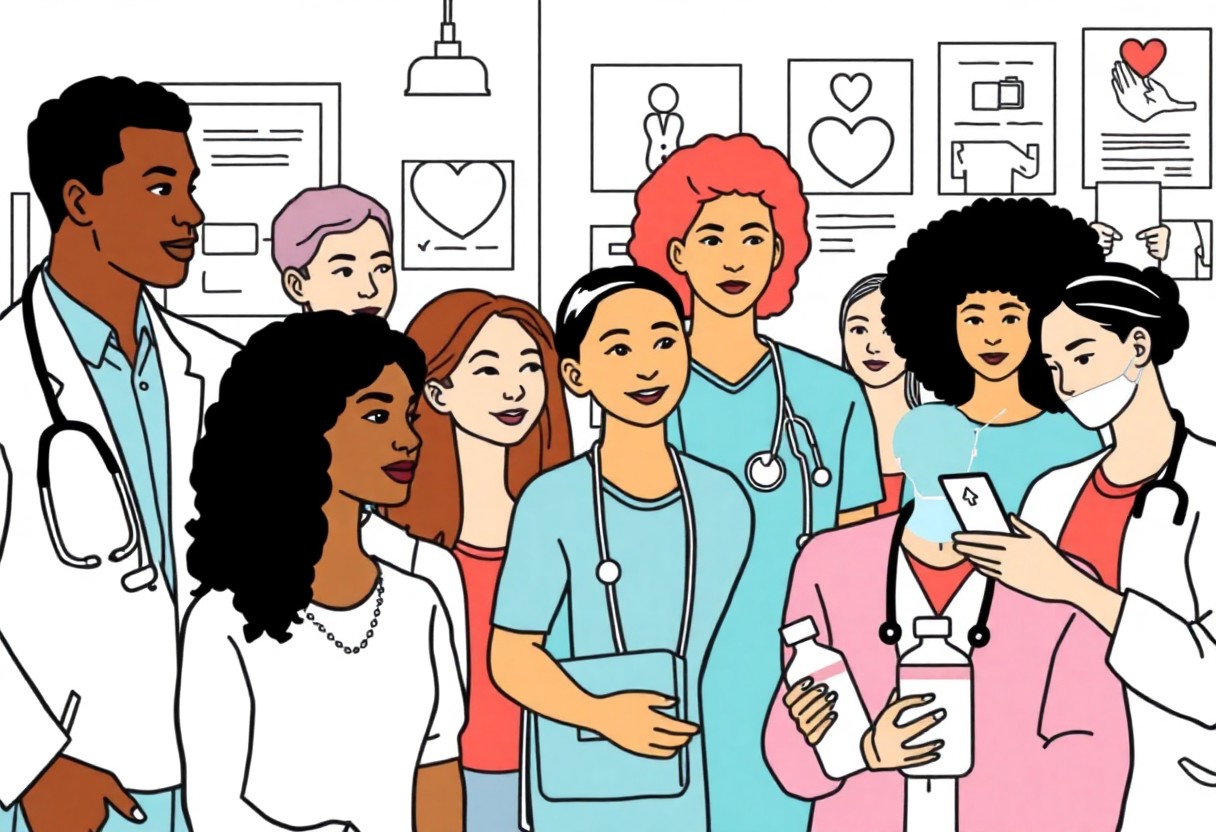
Shifting the narrative around public health requires a focus on representation. The experiences and voices of marginalized communities must be at the forefront of discussions. Addressing health disparities becomes more effective when diverse perspectives inform policy and practice. A study on Racism and Structural Violence: Interconnected Threats to Health reveals how acknowledging these narratives can combat systemic inequities and foster inclusive health strategies.
The Need for Diverse Voices in Health Leadership
Diverse voices in health leadership are necessary for creating policies that resonate with all communities. When leadership reflects the population’s demographics, it cultivates trust and improves engagement. I have witnessed how decisions made without input from underrepresented groups often overlook their unique health challenges, perpetuating disparities. Engaging these voices pushes for tailored solutions that are both effective and equitable.
Media’s Role in Shaping Perceptions of Health Inequities
Media plays a significant role in shaping public perceptions of health inequities. The narratives it promotes can either reinforce stereotypes or challenge the status quo. Coverage of health issues often disproportionately highlights Black and Brown communities, framing them through a lens of ‘victimhood’ rather than resilience. By emphasizing stories of community strength, innovation, and advocacy, media can shift public perception towards one of empowerment and agency, ultimately influencing policies and community support.
Effective media portrayal can dismantle the harmful stereotypes that often accompany discussions about public health in marginalized communities. For instance, community-led initiatives during the COVID-19 pandemic demonstrated resourcefulness and leadership among Black and Brown populations, countering narratives of helplessness. Positive representation encourages investment in these communities, fostering partnerships that uplift rather than exploit. By focusing on solutions and amplifying local voices, media can advocate for systemic change and promote a more equitable health landscape.
Final Words
Drawing together the threads of my exploration, I find it clear that public health has often been manipulated against Black and Brown communities, perpetuating systemic inequalities. As we confront this reality, it’s vital for you and I to advocate for equitable health policies that dismantle these oppressive structures. Your engagement can drive change, emphasizing the need for accountability in public health systems. I encourage you to read more about Addressing anti-Black racism within public health in North … for deeper insights into this pressing issue.