In 2026, the world faces a turning point in health, as stress, chronic illness, and information overload push wellness from trend to necessity. The natural path is no longer just an alternative—it is a proven roadmap for reclaiming balance and vitality in every aspect of life.
This guide empowers you to take control of your well-being using the latest science and timeless wisdom. You will explore the core principles of holistic wellness, discover step-by-step natural health strategies, and learn how to integrate nutrition, lifestyle upgrades, and mind-body practices.
Ready to build a sustainable, personalized wellness plan? Let the natural path guide you toward lasting health, resilience, and fulfillment.
Understanding the Natural Path: Core Principles of Holistic Wellness
Holistic wellness is no longer a passing trend. In 2026, the natural path is quickly becoming the foundation for how individuals approach health. This section explores the principles that define holistic wellness, why they matter, and how they guide lasting transformation for body, mind, and spirit.
Defining Holistic Wellness in 2026
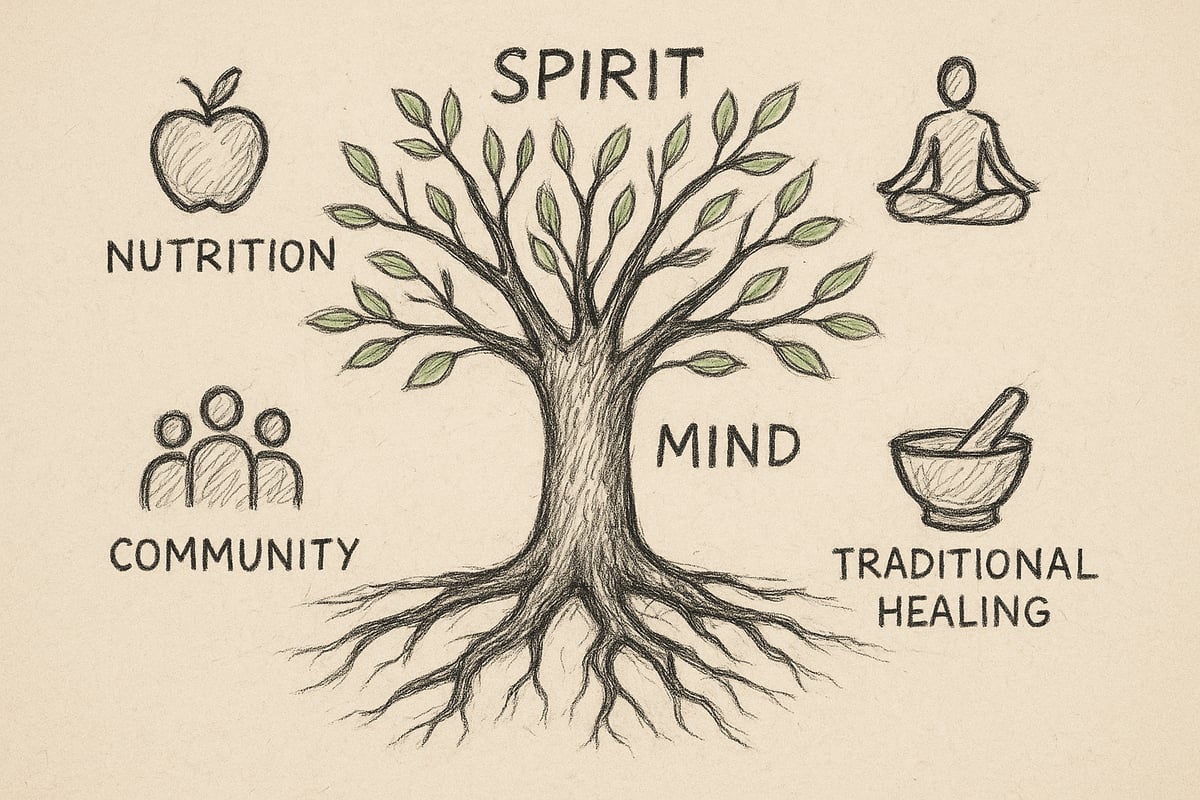
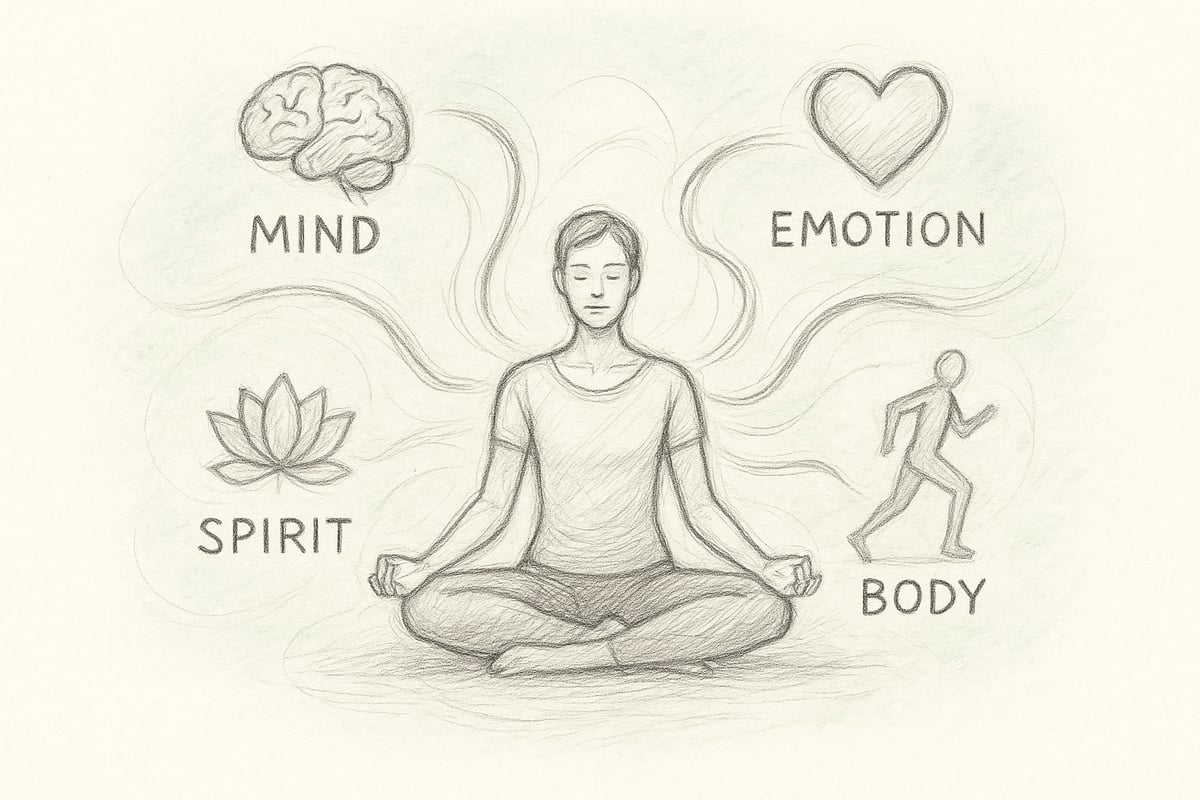
Holistic wellness in 2026 is an integrated approach that recognizes health as a dynamic balance of physical, mental, emotional, and spiritual well-being. Rather than only treating symptoms, the natural path emphasizes root-cause healing and prevention.
This shift is driven by increasing public demand for natural health options and a growing body of research supporting integrative care. For instance, the World Health Organization’s recent Traditional Medicine Strategy 2025–2034 highlights the need for whole-person health solutions. In the U.S., 64% of adults reported using some form of complementary health approach in 2025, reflecting a major cultural shift toward the natural path.
The Therapeutic Order: Stepwise Natural Healing
The natural path follows a stepwise approach known as the therapeutic order. This model begins with lifestyle and environment, moves to nutrition and natural remedies, and only then considers more advanced interventions.
Why does this order matter? By addressing basic needs first, individuals build a strong foundation for healing. For example, studies show that patient outcomes improve dramatically when foundational changes are made before introducing complex therapies. The natural path ensures every step is sustainable and supports long-term health.
Science Meets Tradition: Evidence-Based Natural Practices
Modern science is now validating what traditional healing systems have taught for centuries. The natural path draws from Ayurveda, Traditional Chinese Medicine, and Naturopathy, blending ancient wisdom with current research.
Key studies demonstrate that mindfulness can lower inflammation, while herbal medicine offers relief for chronic pain. This evidence bridges the gap between conventional and holistic care. The natural path empowers individuals to choose practices that are both time-tested and scientifically supported.
The Role of Personalization in Wellness
Personalization is at the heart of the natural path. No two individuals are alike, so one-size-fits-all solutions rarely deliver lasting results. Bio-individuality considers genetics, lifestyle, and environment when crafting wellness plans.
The rise of personalized nutrition, genomics, and health technology makes it easier to tailor approaches. For example, DNA-based fitness and diet plans are now widely accessible. By following the natural path, people can unlock strategies that fit their unique needs and goals.
Community, Connection, and Accountability
Sustained wellness is not a solo journey. The natural path recognizes the power of community, connection, and accountability in creating real change. Social support encourages consistency and resilience during challenging times.
Wellness groups and community programs make adopting healthy habits more achievable. Data from Harvard in 2024 found that participants in wellness groups are twice as likely to maintain new habits. The natural path thrives in environments where people uplift and learn from each other.
Navigating the Wellness Landscape: Avoiding Fads and Misinformation
With so much information available, discerning what truly supports the natural path can be challenging. Critical thinking is essential for filtering wellness marketing, vetting practitioners, and evaluating products.
To avoid common pitfalls, look for red flags like miracle claims, lack of transparency, or unsupported testimonials. Relying on evidence-based alternatives and trusted sources helps keep the natural path grounded in reality and results.
Step 1: Laying the Foundation – Nutrition, Movement, and Rest
A solid foundation is essential for lasting wellness. The natural path begins with everyday practices that nourish your body, energize your mind, and support your resilience. By focusing on what you eat, how you move, the way you rest, and how you respond to stress, you create the groundwork for sustainable health.
The Power of Food as Medicine
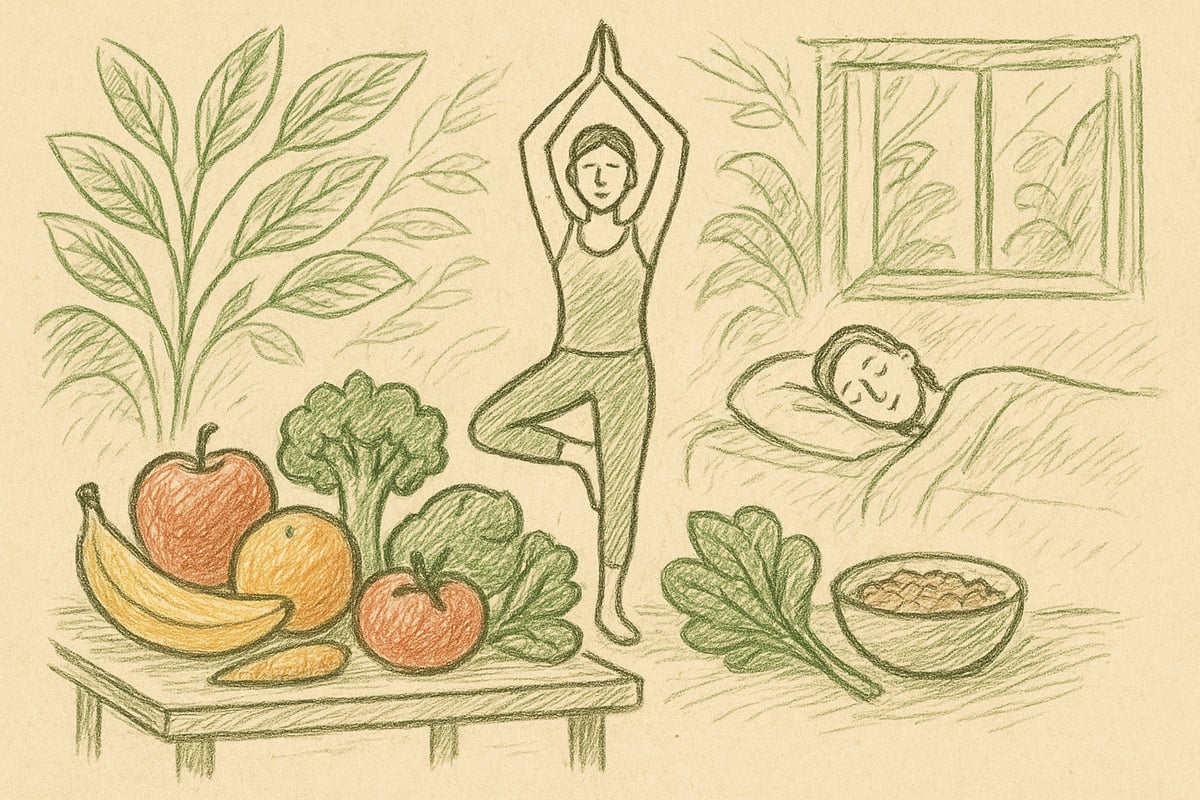
Nutrition is the cornerstone of the natural path. Choosing nutrient-dense, whole foods fuels every cell and supports your body’s ability to heal and thrive. Anti-inflammatory diets, including the Mediterranean, plant-forward, and ancestral eating patterns, have shown lasting benefits for heart, brain, and metabolic health.
Consider the world’s Blue Zones—regions where people live the longest and healthiest lives. These communities prioritize plant-based meals, healthy fats, and minimal processed foods. Their example highlights how dietary habits on the natural path can promote longevity.
- Core principles:
- Prioritize whole, colorful foods.
- Limit ultra-processed ingredients.
- Include healthy fats and fiber daily.
Adopting these habits can help you reclaim vitality and prevent chronic disease.
Movement for Every Body
Movement is medicine on the natural path. Unlike fleeting exercise trends, functional movement focuses on daily activities that build strength, flexibility, and balance. Whether it is walking, gardening, or stretching, consistent movement enhances mood, metabolism, and immune function.
The CDC reports that just 150 minutes per week of moderate activity, such as brisk walking, reduces disease risk by 30 percent. This simple commitment can transform your wellbeing.
- Benefits of regular movement:
- Supports healthy weight.
- Boosts energy and mental clarity.
- Reduces risk of chronic illness.
Find enjoyable ways to move each day, making activity a natural part of your routine.
Sleep and Recovery: The Forgotten Pillars
Quality sleep is a vital element of the natural path. Sleep regulates hormones, repairs tissues, and strengthens your immune system. Yet, one in three adults is sleep deprived, which can lead to fatigue, mood disturbances, and increased illness risk.
To optimize rest, establish a consistent bedtime, limit screens before sleep, and keep your room cool and dark. Aligning with your natural circadian rhythm can improve productivity by up to 20 percent.
- Sleep hygiene tips:
- Set a regular sleep schedule.
- Avoid caffeine in the evening.
- Practice calming routines before bed.
Prioritizing sleep is an act of self-care and a core wellness strategy.
Detoxification and Environmental Wellness
Detoxification is a natural process on the natural path. Your liver, kidneys, skin, and lungs work continually to remove toxins. However, modern life exposes us to pollutants in air, water, food, and household products.
To support these pathways, choose clean, minimally processed foods, filter your water, and ventilate your home. The EWG’s 2025 Clean Living Guide offers practical steps. For more on these strategies, visit Nutrition, Detox, and Lifestyle Tips.
- Environmental wellness checklist:
- Use glass or stainless steel containers.
- Choose organic produce when possible.
- Reduce use of synthetic fragrances.
Small changes help create a healthier internal and external environment.
Stress Management and Nervous System Reset
Chronic stress is a hidden disruptor on the natural path. It can trigger inflammation and undermine your physical and mental health. Effective stress management is essential for resilience and healing.
Relaxation techniques such as deep breathing, meditation, and time in nature can reset your nervous system. Mindfulness programs have been shown to reduce stress markers by 25 percent, according to JAMA in 2025.
- Simple stress relief tools:
- Practice slow, deep breathing.
- Take mindful breaks during your day.
- Spend time outdoors regularly.
Building these habits protects your wellbeing from the inside out.
Tracking Progress and Building Consistency
Consistency is the secret to success on the natural path. Tracking your habits through journaling, digital apps, or simple checklists keeps you motivated and accountable. Celebrating small wins helps reinforce positive change.
Studies show that regular self-monitoring leads to 80 percent higher goal achievement. Use tools that fit your lifestyle, such as habit trackers or wellness journals, to visualize progress.
- Ways to track your journey:
- Daily food and activity logs.
- Sleep and mood tracking.
- Weekly reflection prompts.
By monitoring your growth, you turn healthy actions into lasting routines.
Step 2: Integrating Mind-Body-Spirit Practices for Deeper Healing
True healing along the natural path requires more than just physical changes. Integrating mind-body-spirit practices unlocks deeper levels of wellness, supporting lasting transformation. This step explores how ancient wisdom and modern science converge, guiding you to holistic strategies that nurture every dimension of health.
Mindfulness and Meditation in Daily Life
Mindfulness is a foundational pillar on the natural path, tuning awareness to the present moment and fostering emotional balance. Neuroscience confirms that regular meditation can reshape brain pathways, boosting resilience and emotional regulation.
Practical routines make mindfulness accessible. Start each morning with five minutes of focused breathing, or try mindful eating by savoring each bite. Gratitude journaling also rewires the mind for positivity.
Studies show a 45% reduction in anxiety with daily meditation. For more guidance, explore Mind-Body-Spirit Wellness Strategies to deepen your practice and stay aligned with the natural path.
Breathwork and Somatic Healing
Breathwork bridges the mind and body, helping you regulate stress and restore balance on the natural path. Techniques like box breathing and diaphragmatic breathing activate the parasympathetic nervous system, calming the mind and supporting healing.
Somatic practices, such as gentle movement or vagal toning, help release stored tension. Research shows that somatic breathwork can significantly reduce PTSD symptoms, making it a powerful tool for emotional recovery.
Incorporating breathwork into daily routines on the natural path can increase energy, improve focus, and build resilience against daily stressors.
Emotional Resilience and Mental Fitness
The natural path recognizes that emotional health is just as vital as physical wellness. Building resilience begins with emotional awareness—identifying feelings, understanding triggers, and learning healthy ways to cope.
Techniques such as cognitive reframing and positive psychology exercises can transform negative thought patterns. Support networks, whether family, friends, or professional groups, provide accountability and encouragement.
Workplace studies reveal that emotional resilience training can cut burnout rates by 40%. Making emotional fitness a priority on the natural path paves the way for sustainable well-being.
Spiritual Wellness: Meaning, Purpose, and Connection
Spirituality infuses the natural path with a sense of meaning and direction, independent of religious affiliation. Practices like connecting with nature, quiet contemplation, or acts of service foster a deeper sense of purpose.
Research links a strong sense of higher purpose to increased longevity and reduced depression. Reflect regularly on what gives your life meaning—this anchors your wellness journey and keeps you motivated.
On the natural path, spiritual wellness is not an afterthought but a core element, supporting both resilience and fulfillment.
Energy Medicine and Subtle Therapies
Energy medicine encompasses therapies like acupuncture, Reiki, sound healing, and biofield interventions. These modalities, integral to the natural path, work with subtle energies to restore balance and support healing.
Clinical evidence supports acupuncture’s role in pain relief and stress reduction. When exploring these therapies, choose qualified practitioners and prioritize safety.
As part of the natural path, subtle therapies can complement other wellness strategies, providing gentle yet effective support for mind-body harmony.
Creating a Personalized Mind-Body Routine
Personalization is key to success on the natural path. Combine practices that resonate with your unique needs, schedule, and preferences for the most benefit.
A sample weekly routine might include:
- Morning meditation or breathwork
- Mindful movement, such as yoga or walking
- Evening gratitude journaling or reflection
Experiment with different modalities and adjust as you learn what works best. By curating your own mind-body-spirit routine, you transform the natural path into a sustainable lifestyle, paving the way for deeper healing and lifelong vitality.
Step 3: Advanced Natural Interventions – When and How to Go Deeper
Exploring advanced interventions is a pivotal step on the natural path to wellness. These approaches go beyond foundational habits, offering deeper insight and targeted solutions for complex health needs. Each strategy in this stage is evidence-based, blending tradition with the latest in science and technology.
Functional Medicine and Root Cause Analysis
Functional medicine is central to the natural path for those seeking to resolve health issues at their root. This systems biology approach assesses how genetics, environment, and lifestyle interact to influence wellness. Practitioners use advanced lab testing to evaluate gut health, hormones, and micronutrient levels, revealing imbalances behind symptoms.
Personalized protocols are then designed, targeting the underlying causes of conditions like autoimmunity or metabolic syndrome. This method ensures interventions build on solid foundations, aligning with the therapeutic order. For a deeper look at how root-cause healing aligns with the natural path, see Functional Medicine Approaches.
Herbal Medicine and Natural Supplements
Herbal medicine is a time-honored pillar along the natural path, offering gentle but powerful support for healing. Adaptogens, nervines, and immune modulators are commonly used, each with specific roles in balancing stress, mood, or immune health. Scientific research now validates many traditional herbs, making them a safe addition to holistic care when used appropriately.
Quality and dosing matter, so choosing reputable brands and seeking professional guidance is essential. With 75 percent of Americans using supplements, integrating these tools on the natural path can optimize results for those with unique needs or deficiencies.
Homeopathy and Gentle Healing Modalities
Homeopathy represents a subtle branch of the natural path, emphasizing gentle stimulation of the body’s innate healing capacity. Based on principles like "like cures like" and using the minimum effective dose, homeopathy is often chosen for chronic issues, children, or those sensitive to conventional treatments.
While scientific debate continues, many users report benefits, especially when remedies are matched precisely to individual symptoms. The natural path values homeopathy for its focus on personalized care and minimal side effects, making it an option for those seeking non-invasive solutions.
Integrative Therapies: Chiropractic, Osteopathy, Bodywork
Manual therapies play an important role on the natural path, addressing pain, mobility, and nervous system health through hands-on care. Chiropractic, osteopathy, and therapeutic bodywork aim to restore balance in the musculoskeletal system, improving how the body functions as a whole.
Research shows that spinal manipulation can reduce chronic back pain by 30 percent, underscoring the value of these integrative interventions. The natural path recommends working with licensed practitioners who use evidence-based methods and tailor treatments to individual needs.
Digital Health Tools for Advanced Wellness
Technology is now an ally on the natural path, empowering individuals to track and optimize their health with precision. Wearable devices, health apps, and remote monitoring tools offer real-time feedback on sleep, activity, heart rate, and more.
Continuous glucose monitors, for example, provide insights into metabolic responses, supporting data-driven decisions for diet and lifestyle. Journaling apps and habit trackers also promote consistency, ensuring advanced interventions on the natural path are both effective and sustainable.
How to Build Your Personalized Wellness Roadmap
Building your personalized wellness roadmap is the cornerstone of embracing the natural path to health. This process is not about quick fixes but about creating a sustainable, evolving journey tailored to your unique needs. By following these steps, you lay the groundwork for lasting change, guided by both science and intuition.
Assessing Your Starting Point: Self-Audit Tools
Every journey on the natural path begins with honest self-reflection. Start by evaluating your current physical, mental, lifestyle, and spiritual health. Tools like the wellness wheel, online quizzes, and baseline lab tests can help you map where you are today.
List your daily habits, stress levels, sleep quality, and nutritional patterns. Identify strengths and areas needing attention. This clear-eyed assessment ensures your wellness plan addresses real needs, not just trends. Remember, the natural path thrives on awareness, empowering you to make meaningful, targeted changes.
Setting Realistic and Inspiring Wellness Goals
The next step on the natural path is defining clear, motivating goals. Use the SMART framework—specific, measurable, achievable, relevant, and time-bound—to shape your intentions. Align your goals with your core values and life vision for deeper motivation.
Consider starting a 90-day wellness challenge or setting milestones for nutrition, movement, or stress management. Break large ambitions into smaller, actionable steps. By making your wellness goals both realistic and inspiring, you build a foundation for transformation that feels both structured and achievable.
Creating a Step-by-Step Action Plan
Once your goals are set, it is time to chart the natural path forward. Break down each big objective into manageable steps. Schedule these actions into your daily or weekly routine to build momentum. Habit stacking—pairing new habits with existing ones—can make change easier.
For example, add a short mindfulness practice after brushing your teeth. Use micro-habits to ensure progress, as research shows adopting small habits increases success rates by 60 percent. The natural path is about steady, consistent movement, not perfection. Track your progress and adjust as needed.
Accountability, Support, and Community Resources
No one walks the natural path alone. Accountability partners, mentors, and wellness groups provide crucial support. Engage with digital communities, group coaching, or local wellness meetups to share experiences and stay motivated.
Studies show that people who join wellness communities are twice as likely to maintain healthy habits. Leverage educational resources and expert guidance to deepen your journey. Remember, support systems not only keep you on track but also enrich your experience, making the natural path more rewarding and sustainable.
Holistic Family Practice: Your Partner in Holistic Wellness
Partnering with experts can accelerate your progress on the natural path. Holistic Family Practice offers an integrative approach, combining clinical care, education, and digital tools. Choose from self-guided resources or fully managed personalized care pathways.
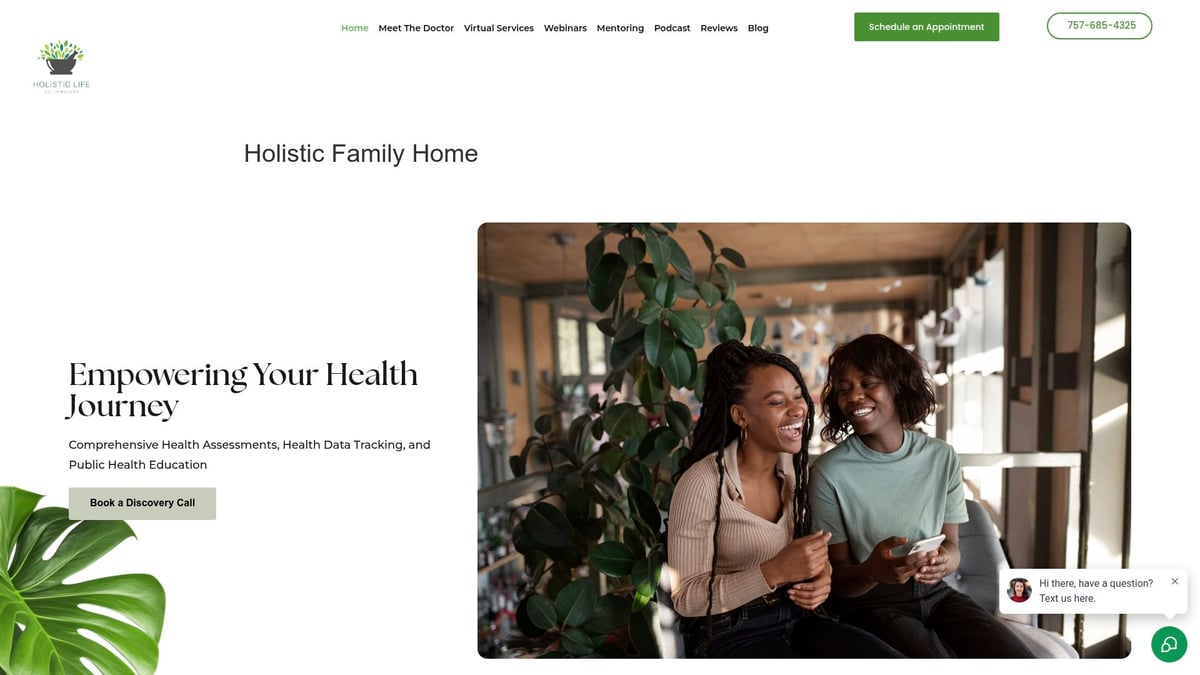
Access the Holistic Life App, structured programs, and a supportive community—all designed to empower root-cause healing. Education is at the heart of their philosophy, helping you make informed decisions. Begin your journey with a complimentary discovery call and explore free resources to support every step of your wellness roadmap.
Sustaining Wellness: Lifestyle Design for Long-Term Success
Designing a sustainable approach to wellness is a lifelong investment. The natural path emphasizes simple, consistent choices that build resilience and adaptability. By weaving healthy habits into each day, you create a foundation for lasting vitality and well-being.
Building Resilient Daily Routines
Resilient routines are the backbone of the natural path. Morning rituals, such as stretching or mindful breathing, set a positive tone. Evening routines, like journaling or gentle walks, help you unwind and reflect.
Consider these simple habits:
- Five-minute morning gratitude practice
- Preparing a nourishing breakfast
- Evening digital detox
These small actions create structure and support healthy behaviors. Over time, stacking habits and using environmental cues make wellness automatic, not effortful.
Navigating Setbacks and Plateaus
Setbacks happen to everyone traveling the natural path. Motivation can dip, stressors may arise, or progress might stall. Recognizing these moments as part of growth is key.
Common strategies to overcome plateaus include:
- Practicing self-compassion during tough times
- Adjusting routines to fit current circumstances
- Seeking professional support or community encouragement
Research shows that 70 percent of people face setbacks, but those with resilience recover faster. The natural path teaches that setbacks are opportunities for learning and adaptation.
Celebrating Progress and Maintaining Motivation
Celebrating small wins is essential for staying motivated on the natural path. Tracking milestones, whether through wellness journals or progress apps, reinforces positive change.
Effective ways to celebrate progress:
- Marking off achievements on a habit tracker
- Rewarding yourself with a favorite healthy activity
- Sharing successes with a supportive group
Positive reinforcement strengthens commitment. When you acknowledge each step, no matter how small, you build momentum and deepen your connection to the natural path.
Adapting Your Plan Through Life Transitions
Life changes, and so must your wellness plan. The natural path encourages flexibility as you move through different life stages, career shifts, or family dynamics.
Adaptations to consider:
- Modifying exercise routines for aging or injury
- Adjusting nutrition during pregnancy or travel
- Shifting priorities as family needs evolve
Embracing lifelong learning and regularly reassessing your goals ensures your approach remains aligned with your values. The natural path evolves with you, supporting well-being at every age.
Staying Current: Navigating Emerging Trends and Research
Wellness is always evolving. Staying informed about new science and trends helps you make evidence-based choices on the natural path. Evaluate innovations by checking for peer-reviewed research and expert recommendations.
For trusted guidance on holistic practices, explore Holistic Health and Wellness Insights. Scrutinize red flags and seek out reputable sources to distinguish between fads and genuine breakthroughs. Staying curious and critical is part of walking the natural path.
Giving Back: Wellness as a Ripple Effect
Personal wellness extends beyond the individual. The natural path recognizes that healthy habits can inspire families, friends, and communities. Sharing resources, volunteering, or leading by example multiplies positive impact.
Ways to give back:
- Organize community wellness events
- Mentor others on their wellness journey
- Advocate for healthier environments
Community wellness initiatives have been shown to improve public health metrics by 15 percent. When you walk the natural path, your actions become a catalyst for broader change.
As you set out on your journey to holistic wellness, it’s clear that real transformation comes from informed choices, supportive communities, and ongoing education. The Natural Path Guide has shown how integrating science with timeless wisdom empowers you to reclaim your health—body, mind, and spirit. If you’re eager to deepen your understanding and stay connected with others committed to this path, I invite you to Join Our Holistic Community for Updates. Together, we can keep learning, share progress, and support each other as we create lasting wellness for ourselves and our families.