Are you ready to launch your career or elevate your expertise in 2026? The ND Training Guide is your roadmap to success.
This article provides a clear, step-by-step approach to navigating nd training, from understanding eligibility requirements to exploring diverse training options and mapping out your application process.
You will learn how to make the most of your learning experience and discover future career pathways in North Dakota’s dynamic job market.
As demand for skilled professionals rises, the flexibility and opportunities offered by nd training can lead to better job prospects and personal fulfillment. Start your journey to success with this comprehensive guide.
Understanding ND Training: What It Is and Why It Matters
Are you curious about how nd training can shape your future in North Dakota? This section explores what nd training truly means, why it is gaining momentum, and how it fits into the broader workforce landscape.
What Is ND Training?
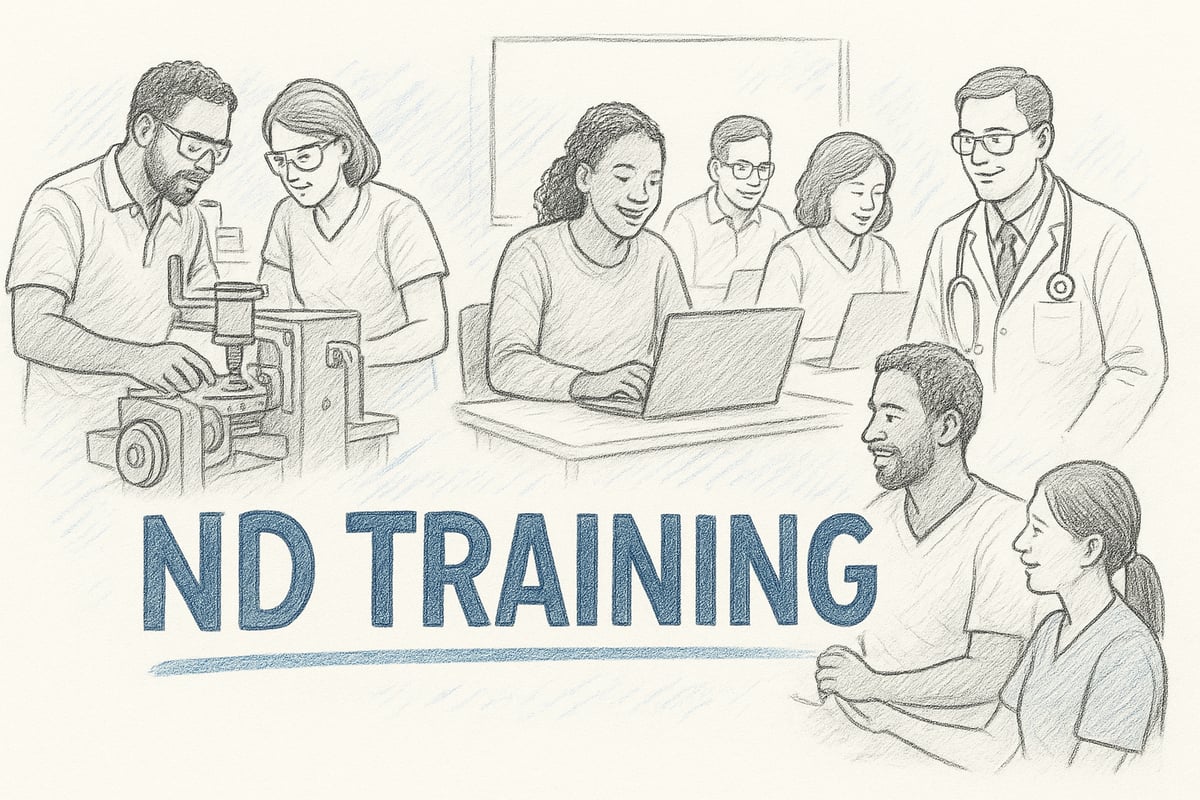
ND training refers to structured programs designed to equip individuals with practical, job-ready skills tailored for North Dakota’s most in-demand industries. These initiatives are essential for building a workforce that can respond quickly to evolving employer needs. Unlike traditional education, nd training focuses on applied learning and immediate workplace relevance.
Participants receive instruction that blends theory with hands-on practice. This approach ensures graduates are prepared not just academically, but also with the technical abilities employers value most in 2026.
ND Training vs. Apprenticeships and Academic Programs
While nd training shares features with both apprenticeships and college degrees, it remains distinct. Apprenticeships typically combine paid work with classroom learning over several years, often in skilled trades. Traditional academic programs prioritize theory and broader education, usually culminating in a degree.
In contrast, nd training programs are often shorter and more focused on certifying specific competencies. The table below highlights key differences:
| Feature | ND Training | Apprenticeship | Four-Year Degree |
|---|---|---|---|
| Duration | Months to 2 years | 1-4 years | 4+ years |
| Focus | Job skills | Work + study | Academic knowledge |
| Outcome | Certificate/licensure | Journeyman status | Bachelor’s degree |
| Learning Style | Hands-on, applied | On-the-job, mixed | Classroom, theoretical |
This flexibility makes nd training ideal for those seeking faster entry or advancement in the workforce.
Meeting North Dakota’s Workforce Needs in 2026
As the state’s economy changes, nd training is aligning more closely with sectors projected to grow. According to North Dakota employment projections 2022-2032, occupations in healthcare, manufacturing, and IT are expected to see robust demand.
Employers report a preference for candidates who have completed nd training because they demonstrate proven skills and adaptability. Job placement rates for nd training graduates remain high, reflecting the programs’ alignment with labor market needs.
Benefits and Industry Examples
The advantages of nd training extend beyond rapid job placement. Participants gain hands-on experience, access to career counseling, and opportunities for industry networking. Many programs offer job placement support, making the transition from classroom to career seamless.
Industries where nd training is especially beneficial include healthcare (medical assistants, technicians), manufacturing (CNC operators, welders), and IT (support specialists, network technicians). These roles often require specific skills that are best learned through targeted nd training.
ND Training: Common Misconceptions and Key Takeaways
A common misconception is that nd training is less valuable than a four-year degree. In reality, many high-quality careers in North Dakota begin with nd training, offering competitive wages and advancement potential.
For those seeking practical, accessible options, nd training provides a direct path to rewarding employment. It is not just an alternative, but a smart choice for anyone looking to build a stable and fulfilling career in a changing economy.
Eligibility and Requirements for ND Training Programs
Navigating the eligibility and requirements for ND training is crucial for a smooth application experience. Whether you are just starting your career or seeking a new direction, understanding what is expected can help you get started with confidence.

General Eligibility Criteria for ND Training
Most ND training programs have straightforward baseline requirements. Applicants are typically expected to be at least 18 years old, hold a high school diploma or GED, and provide proof of North Dakota residency. Some programs may accept out-of-state applicants, but preference is often given to residents. These basic criteria ensure that ND training opportunities are accessible to a broad range of individuals.
Field-Specific Requirements and Assessments
Certain ND training pathways, especially in healthcare or skilled trades, may have additional prerequisites. For example, healthcare programs might require up-to-date immunizations or CPR certification, while technical programs could mandate aptitude tests or prior coursework in math or science. Many ND training providers also evaluate prior work experience or previous education for credit, which can shorten your training timeline if you already possess relevant skills.
Background checks and drug screenings are often standard for roles involving vulnerable populations or safety-sensitive environments. Some programs may require placement tests to assess your starting level, ensuring you are matched with the right courses. Understanding these requirements early helps you prepare and increases your chances of successful admission to ND training.
Supporting Special Populations and Documentation
ND training programs strive to support a variety of applicants, including veterans, displaced workers, recent graduates, and individuals with disabilities. Special pathways or additional resources may be available to help these groups meet requirements. For instance, veterans might receive credit for military training, while displaced workers could access career counseling or tuition assistance.
The documentation typically required includes a government-issued ID, high school or college transcripts, proof of residency (such as a utility bill), and sometimes letters of recommendation or personal statements. Being aware of these needs in advance allows you to gather materials without last-minute stress.
Streamlining Your Application Process
Preparation is key to a seamless ND training application. Gathering all required documents ahead of time and understanding program-specific guidelines will help you avoid delays. Many training providers offer checklists or online portals to guide you through each step. Familiarizing yourself with state regulations and verifying eligibility before applying will save time and effort.
By taking a proactive approach, you can ensure that your ND training journey starts smoothly. Being prepared with the right documentation not only streamlines the process but also positions you for success as you advance toward your career goals.
Mapping Your Path: Types of ND Training Opportunities in 2026
Exploring the landscape of ND training in 2026 reveals more options than ever before. Whether you are seeking hands-on experience or prefer flexible online learning, North Dakota offers a pathway tailored to your needs. Understanding the range of ND training opportunities is the first step toward building a successful career.
Types of ND Training Opportunities
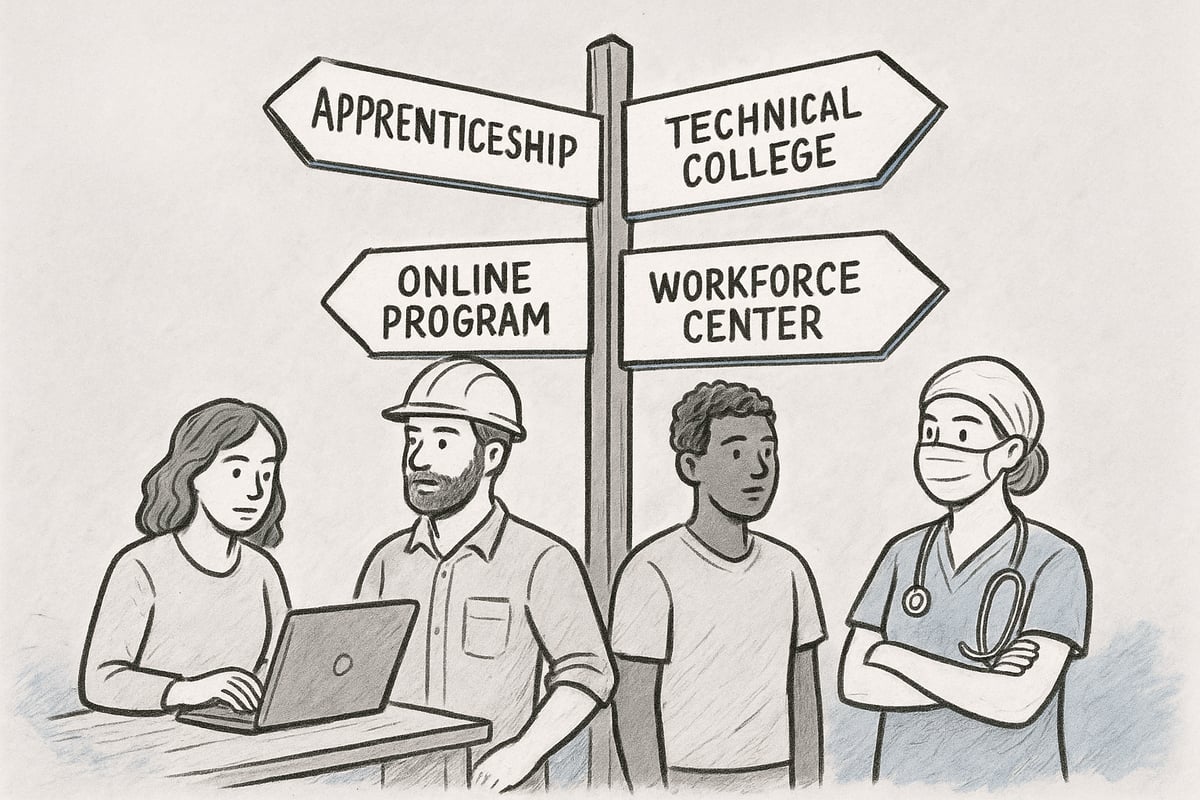
ND training spans a variety of formats designed to meet the needs of learners at every stage. Apprenticeships combine paid, on-the-job training with classroom instruction, making them ideal for those eager to earn while they learn. Technical colleges offer focused programs in areas such as healthcare, skilled trades, and technology.
Workforce centers provide short-term, intensive courses aligned with in-demand skills. Many employers are now offering their own ND training through sponsored programs, allowing employees to gain new competencies without leaving the workplace. With this broad range of options, ND training remains a flexible and accessible pathway for career advancement.
Comparing Training Formats: Classroom, Hybrid, and Online
When choosing among ND training opportunities, consider the format that matches your learning style. Traditional classroom-based programs foster direct interaction with instructors and peers, ideal for collaborative or hands-on subjects. Hybrid models blend in-person sessions with online coursework, offering flexibility without sacrificing engagement.
Fully online ND training programs are increasingly popular, especially for those balancing work or family commitments. These options let you learn at your own pace from anywhere. For example, you can explore online holistic classes and courses designed to develop practical skills in a virtual setting. This diversity ensures that ND training adapts to your schedule and personal preferences.
Leading Providers and Sector-Specific Programs
Several respected organizations deliver ND training across North Dakota. Job Service North Dakota coordinates workforce development programs and connects job seekers with apprenticeships. Community colleges such as Bismarck State College and North Dakota State College of Science offer certificates and diplomas in high-demand fields.
Industry partners collaborate to deliver sector-specific ND training in healthcare, manufacturing, energy, IT, and business. For example, healthcare programs focus on nursing and medical technician roles, while energy sector training covers wind and oil technologies. Many of these providers offer stackable credentials, allowing you to build qualifications over time.
Success Stories, Outcomes, and Pathways for Every Goal
ND training programs consistently report strong completion rates and high job placement statistics. For instance, apprenticeships in skilled trades often lead directly to full-time employment at competitive wages. Technical college graduates enter the workforce with industry-recognized certifications, increasing their earning potential and job stability.
The key argument is clear: ND training meets the demands of today's job market and supports every learning style. Whether you are starting your career or seeking to upskill, there is an ND training pathway designed for your aspirations. By selecting the right format and provider, you lay the foundation for long-term professional growth.
Step-by-Step Guide: Applying for ND Training Programs
Embarking on the ND training journey begins with a clear, organized approach. Following each step methodically ensures you meet deadlines and maximize your chances of acceptance. Whether you are new to the workforce or seeking to upskill, this guide will help you navigate the ND training application process with confidence.
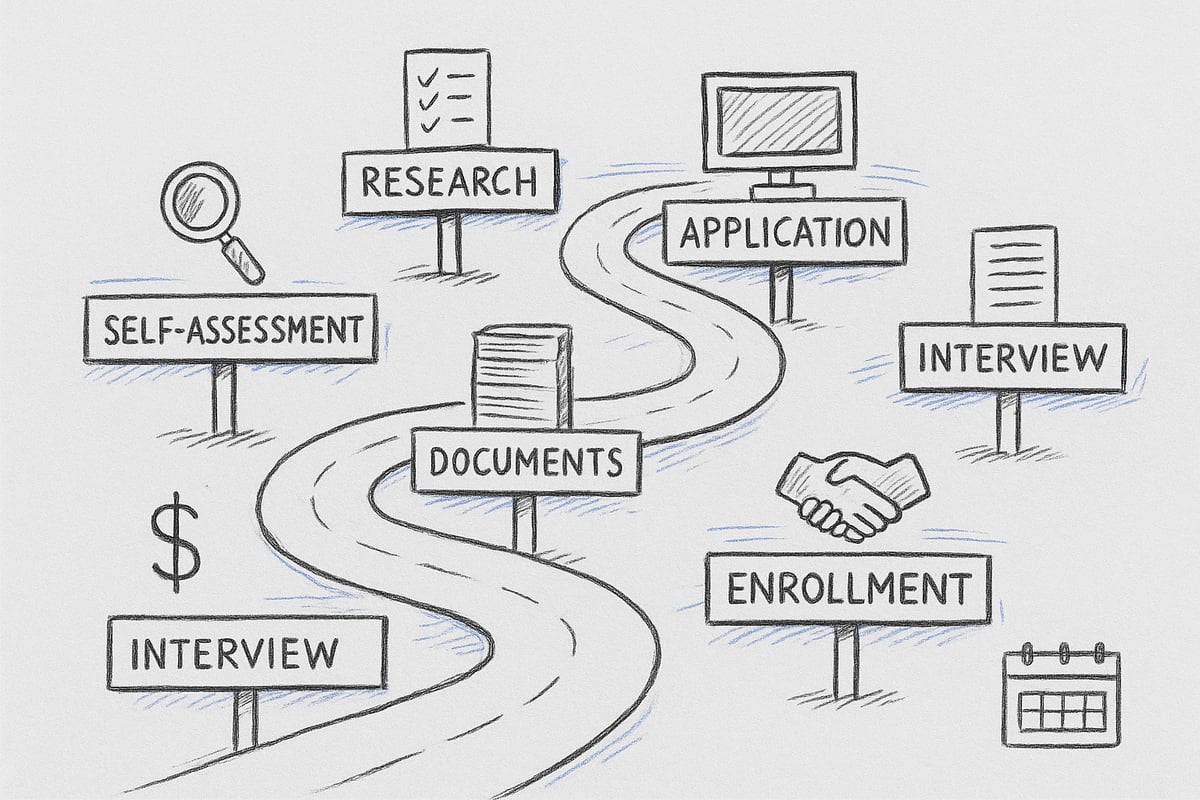
Step 1: Self-Assessment—Identify Your Goals
Start by reflecting on your interests, strengths, and long-term career goals. ND training offers diverse pathways, so knowing what motivates you is crucial. Ask yourself:
- What industries or roles excite me most?
- Do I prefer hands-on work, technical skills, or creative problem-solving?
- What are my long-term career aspirations?
Use career assessment tools or speak with a career counselor to clarify your direction. Document your findings, as these will guide your next steps.
Step 2: Research and Compare ND Training Options
Next, explore the full range of ND training opportunities available in 2026. Consider factors such as program length, delivery format (in-person, hybrid, online), and industry focus. Visit official resources like JobsND.com for updated listings and program details.
For those interested in flexible learning, Naturopathic education online programs provide an example of how online ND training can fit varied schedules. Compare costs, accreditation, and job placement rates. Create a shortlist of programs that align with your self-assessment results.
Step 3: Gather Required Documents and Check Eligibility
Prepare all necessary documentation early to avoid delays. Most ND training programs require:
- Government-issued ID
- Proof of residency in North Dakota
- High school diploma or GED
- Transcripts from prior education
- Letters of recommendation (if needed)
Check the eligibility criteria for your chosen program. Some fields, such as healthcare or skilled trades, may require background checks or prerequisite coursework. Organize your documents in a folder, both digital and physical, for easy access.
| Document | Purpose | Notes |
|---|---|---|
| ID/Proof of Residency | Verify eligibility | Must be current |
| Transcript | Academic background | Official copy preferred |
| Recommendation Letter | Support application | Optional for some |
Step 4: Complete the Application Process
With documents in hand, proceed to the application stage. Most ND training applications can be completed online, though some may require in-person submission or interviews. Pay close attention to:
- Application deadlines for 2026
- Required essays or personal statements
- Submission confirmation emails
Double-check every field before submitting. Missing information is a common pitfall. Reach out to admissions staff if you have questions during the process.
Step 5: Apply for Financial Aid and Scholarships
Many ND training programs offer financial support options. Research state and federal grants, as well as program-specific scholarships. Prepare to submit:
- FAFSA (Free Application for Federal Student Aid)
- Proof of income
- Scholarship essays
Contact financial aid offices for guidance. Keep track of all application dates, and follow up to confirm receipt of materials. Budget for tuition, books, and living expenses to ensure you can complete your ND training without financial strain.
Step 6: Prepare for Interviews, Assessments, or Placement Tests
Some ND training programs require interviews or entrance assessments. Prepare by:
- Reviewing common interview questions
- Practicing skills assessments relevant to your field
- Scheduling test dates early
If you are nervous, consider mock interviews or practice exams. Remember, these steps help programs match you with the best learning environment for your needs. Past applicants often report that preparation improved their performance and confidence.
Step 7: Confirm Enrollment and Plan Next Steps
Once accepted, promptly confirm your enrollment. Carefully review any onboarding materials, orientation schedules, and initial coursework requirements. Set up your training calendar, and reach out to assigned advisors or mentors.
Early engagement with ND training resources—such as career centers or student networks—can set a positive tone for your experience. Mark key dates and deadlines in your planner to stay organized from day one.
Maximizing Your ND Training Experience
Unlocking the full potential of your nd training starts with proactive engagement and a commitment to continuous improvement. Whether you are new to the workforce or seeking to advance your career, a strategic approach ensures you reap the maximum benefits from every learning opportunity.
Make the Most of Your ND Training: Strategies for Success
Success in nd training often begins with effective time management. Create a structured schedule that balances coursework, hands-on practice, and personal commitments. Use digital calendars or planners to set reminders for assignments and assessments.
Active learning is another essential strategy. Participate in discussions, ask questions, and apply new concepts in real-world scenarios. Set clear, achievable goals for each stage of your nd training. Regularly track your progress and adjust your approach as needed to stay on course.
To further enhance your learning, seek feedback from instructors and peers. Treat each comment as an opportunity for growth. By embracing challenges and viewing setbacks as learning moments, you develop resilience and adaptability—skills highly valued in North Dakota’s workforce.
Build Strong Connections and Use Resources
Building relationships with instructors, advisors, and fellow trainees can make a significant difference in your nd training journey. These connections provide support, mentorship, and valuable insight into your chosen field.
Take advantage of campus or online resources such as tutoring centers, libraries, and career development offices. Many programs offer specialized services including resume workshops, interview preparation, and job placement assistance. For those seeking to expand their knowledge, explore additional education and professional development resources tailored to your career goals.
Hands-on learning is a cornerstone of nd training. Make the most of apprenticeships, internships, and lab sessions by asking questions and volunteering for new responsibilities. The skills you gain in these real-world settings are often the key differentiator when you enter the job market.
Stay Motivated and Overcome Challenges
Balancing work, family, and nd training can be demanding. Stay motivated by celebrating small wins and maintaining a clear vision of your long-term objectives. If obstacles arise, reach out to mentors or support staff for guidance.
Develop strategies to manage stress, such as short breaks, exercise, or connecting with peers facing similar challenges. Remember, persistence and a positive mindset are critical to overcoming setbacks.
Real Story: Excelling with ND Training Support
Consider the story of Maria, a recent nd training graduate in healthcare. By actively participating in study groups and utilizing campus tutoring, she overcame initial struggles with technical coursework. Maria’s dedication and use of available resources led to a top internship placement and a full-time job offer upon graduation.
Her experience illustrates a key insight: those who fully engage with their nd training and leverage every support system achieve greater satisfaction and long-term career success.
Career Pathways and Advancement After ND Training
Unlocking your future begins with the right support after completing nd training. North Dakota offers robust job placement services designed to connect graduates directly with employers in high-demand sectors. These services often include resume workshops, interview coaching, and exclusive job fairs. According to the North Dakota labor market overview Q1 2024, many industries across the state are experiencing sustained growth, making now an opportune time to leverage your new skills.
Graduates of nd training typically enter the workforce in roles tailored to their specialization, such as medical technicians, IT support analysts, or skilled trades professionals. Entry-level positions provide a strong foundation, but the real advantage comes from well-defined career ladders. For example, a certified welder can advance to supervisory roles or specialize in high-precision fabrication, while a healthcare graduate may progress from technician to department lead.
One of the most impactful aspects of nd training is the focus on industry-recognized certifications and stackable credentials. These qualifications not only validate your expertise but also open doors to promotions and higher salaries. In fact, local employers frequently prioritize candidates with up-to-date, relevant certifications, as these indicate both technical proficiency and a commitment to professional growth.
Continuing education and upskilling are integral to staying competitive in today’s job market. Many nd training programs offer pathways for ongoing learning, including advanced certificates, workshops, and short courses in emerging technologies. For those seeking personal and professional growth, resources like personal growth and self-development can complement formal training, helping you build resilience, adaptability, and leadership skills.
Alumni success stories highlight the long-term benefits of nd training. Take, for example, a former trainee who began as an entry-level electrician and, within a few years, launched their own contracting business. Others have transitioned into management positions, leveraging their hands-on experience and credentials. Whether your goal is to climb the corporate ladder, specialize in a niche field, or start your own venture, nd training serves as a launchpad for sustainable, lifelong career development.
Now that you have a clear roadmap to navigating ND training pathways in 2026, it’s the perfect time to take your next step toward a fulfilling career and lifelong growth. Whether you’re just starting out or looking to advance your expertise, being part of a supportive, knowledgeable community can make all the difference. If you want to stay connected, receive the latest updates, and be surrounded by others on similar journeys, I invite you to Join Our Holistic Community for Updates. Let’s work together to help you achieve your goals and thrive in the evolving world of holistic health and professional development.