Imagine a world where wellness is truly holistic, and every aspect of your health is addressed with care and innovation. In 2026, naturopathic health solutions are leading a new era in personalized, natural healthcare.
This comprehensive guide will show you how the latest advancements in naturopathic health solutions can help you achieve optimal well-being. Whether you are curious about cutting-edge therapies or seeking actionable steps for a healthier lifestyle, you are in the right place.
We will explore the core principles of naturopathic medicine, review innovative treatments, provide a step-by-step integration plan, and examine how natural and conventional care work together. Join us as we uncover the future of wellness and empower you to take control of your health journey.
Understanding Naturopathic Medicine in 2026
Naturopathic health solutions have entered a new era in 2026, offering a unique blend of time-tested wisdom and modern innovation. As more individuals seek comprehensive, personalized care, understanding the foundations and evolution of naturopathic medicine is essential for making informed health decisions.
The Core Principles of Naturopathic Medicine
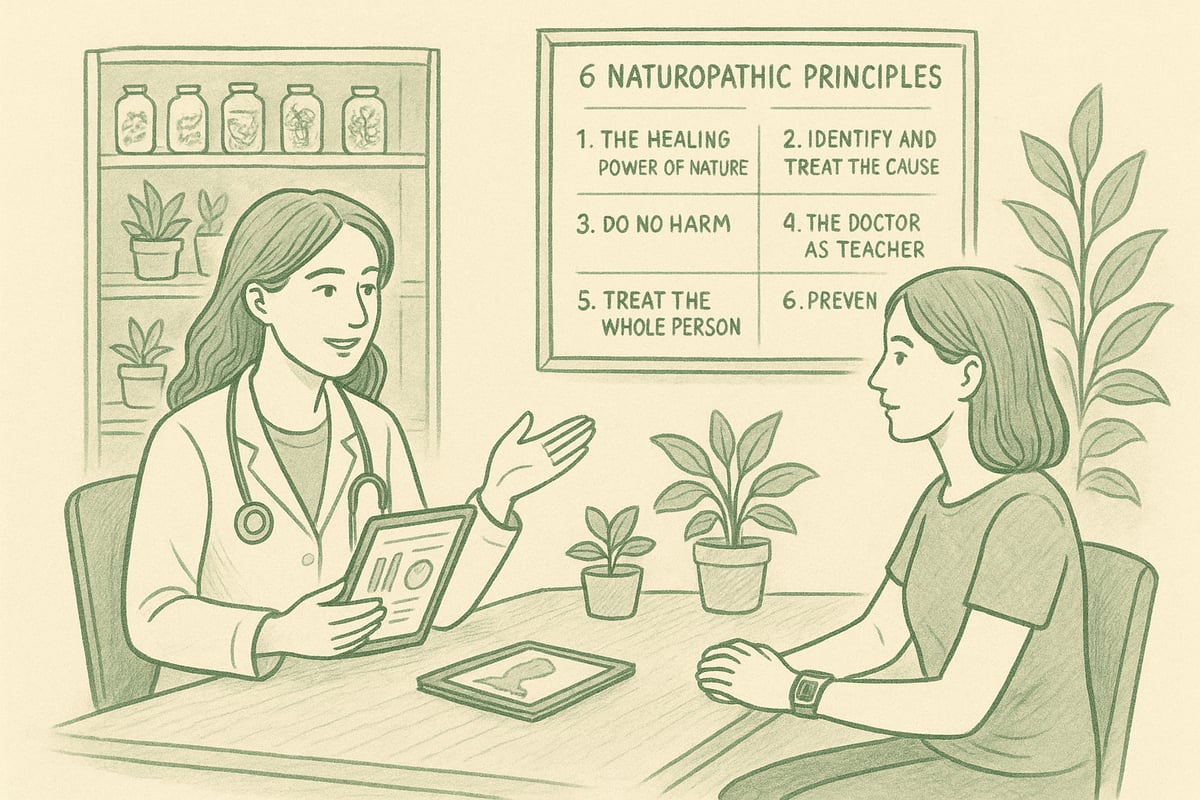
At the heart of naturopathic health solutions lie six foundational principles that guide every patient interaction:
- First, Do No Harm: Choose the least invasive and least toxic therapies.
- The Healing Power of Nature: Support the body’s innate ability to heal.
- Identify and Treat the Causes: Focus on root causes, not just symptoms.
- Doctor as Teacher: Educate and empower patients in their health journey.
- Treat the Whole Person: Address physical, mental, and emotional aspects.
- Prevention: Prioritize disease prevention through proactive care.
These principles set naturopathic health solutions apart from conventional models by promoting individualized, patient-centered care. The therapeutic order, a key concept, emphasizes starting with natural, gentle interventions and progressing to more intensive options only when necessary.
A practical example is the management of chronic fatigue. In conventional medicine, treatment may focus on symptom management with medication. In contrast, naturopathic health solutions dig deeper, identifying underlying causes such as nutrient deficiencies, stress, or sleep disturbances, and crafting a plan that addresses each factor holistically.
Current data highlights the growing demand for this approach. According to 2024 Healthgrades statistics, over 60% of patients now seek integrative care models that combine both conventional and naturopathic health solutions. Regulatory progress is also notable: by 2026, more states have expanded licensure for naturopathic doctors, and insurance coverage for naturopathic services is increasingly common.
For those interested in a deeper dive into these foundational philosophies, exploring Naturopathic education online programs can provide additional context and resources.
Evolution of Naturopathic Practice
The landscape of naturopathic health solutions has evolved rapidly with advances in technology and healthcare integration. Modern diagnostics, including genetic and microbiome testing, are now common tools in naturopathic practice. Telemedicine and remote monitoring have made expert care accessible regardless of location, allowing patients to stay engaged in their wellness plans from home.
Collaboration between naturopathic doctors, medical doctors, and specialists has strengthened. Patients benefit from coordinated care teams that address complex conditions from multiple perspectives. This model is particularly effective in chronic disease management, where naturopathic health solutions often complement conventional treatments for improved outcomes.
Data-driven care is now the norm. Wearable health technology tracks metrics such as sleep patterns, activity, and even stress levels, enabling practitioners to personalize protocols and measure progress objectively. For example, patients with metabolic concerns can use wearable devices to monitor blood sugar trends, while their naturopathic doctor adjusts nutrition and lifestyle strategies in real time.
Virtual care and online wellness communities are also on the rise. Patients join group programs, access educational content, and connect with others pursuing similar health goals. This sense of community, combined with the flexibility of digital health tools, empowers individuals to take a more active role in their well-being.
As naturopathic health solutions continue to integrate cutting-edge technology and collaborative care, their role in shaping the future of healthcare becomes even more significant.
Key Naturopathic Health Solutions for 2026
Naturopathic health solutions in 2026 are more personalized, evidence-based, and accessible than ever before. Patients now have a wide range of holistic options to support their well-being, from advanced nutrition plans to digital health innovations. Below, explore the leading approaches shaping the future of natural medicine.
Nutrition and Lifestyle Interventions
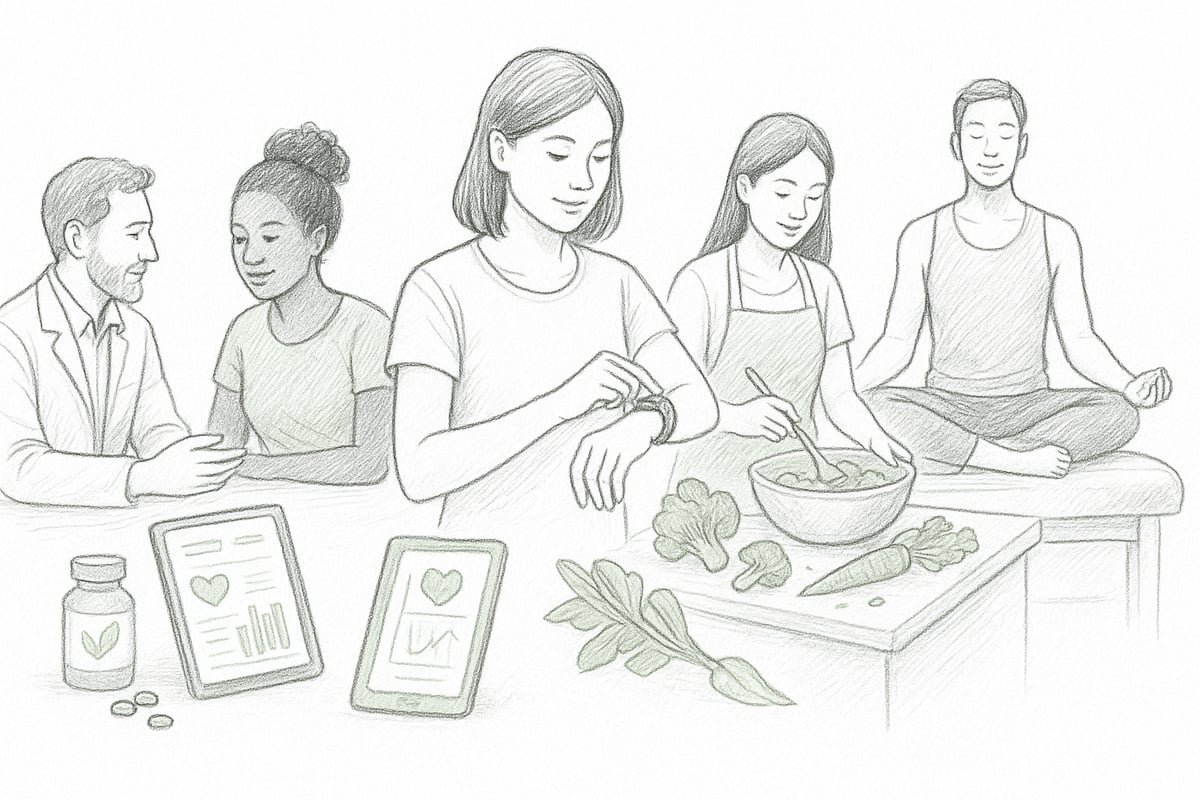
Personalized nutrition lies at the core of naturopathic health solutions in 2026. Practitioners use genetic and microbiome testing to create individualized eating plans, targeting the root causes of imbalance. Plant-based and anti-inflammatory diets are now widely adopted, helping prevent and manage conditions like diabetes and cardiovascular disease.
Stress management is integrated into these plans, utilizing mindfulness techniques, breathwork, and digital apps. A notable example involves a patient reversing prediabetes through a tailored nutrition and lifestyle program, guided by regular check-ins and data-driven adjustments.
Emerging evidence supports these approaches. In fact, 70% of naturopathic patients report improved energy and mood after consistent lifestyle changes. For practical guidance on these interventions, consider exploring Nutrition, detox, and lifestyle tips.
Botanical and Herbal Medicine
Herbal medicine remains a cornerstone of naturopathic health solutions. In 2026, the most commonly used botanicals include ashwagandha, turmeric, adaptogens, and medicinal mushrooms. These herbs are selected based on rigorous evidence and tailored to individual needs.
Protocols using herbs such as valerian for sleep and reishi mushrooms for immune support are now standardized. Safety and quality sourcing are prioritized, with practitioners recommending only clinically validated products.
For example, clinical outcomes show significant improvement in insomnia symptoms when patients follow evidence-based herbal regimens. Naturopathic health solutions ensure these therapies are integrated safely alongside conventional care, offering a comprehensive approach to wellness.
Homeopathy and Energetic Therapies
Homeopathy is gaining renewed interest within naturopathic health solutions, particularly for acute and chronic conditions. In 2026, research continues to explore its mechanisms and efficacy, with new studies addressing both the science and controversy surrounding homeopathic remedies.
Integration with conventional treatments is more common, allowing patients to benefit from a combination of approaches. Patients report positive outcomes in areas such as allergy relief and migraine management, often citing reduced reliance on pharmaceuticals.
These energetic therapies are chosen based on a personalized assessment, supporting the body's innate ability to heal. Naturopathic health solutions include ongoing monitoring to ensure safety and effectiveness throughout the treatment process.
Physical Medicine and Manual Therapies
Physical medicine is a vital part of naturopathic health solutions, focusing on pain management, rehabilitation, and whole-body wellness. Techniques such as craniosacral therapy, hydrotherapy, and therapeutic massage are widely used in 2026.
These therapies help patients recover from injuries, reduce chronic pain, and improve mobility. For instance, manual therapy has been shown to support post-injury recovery by enhancing circulation and promoting tissue repair.
Insurance reimbursement for physical medicine is becoming more common, increasing accessibility for patients. Naturopathic health solutions integrate these therapies into comprehensive care plans, emphasizing hands-on, noninvasive methods.
Digital Health Tools in Naturopathy
Digital health tools are transforming naturopathic health solutions by enabling remote monitoring, real-time support, and personalized coaching. Health apps track sleep, nutrition, and activity, while wearable devices collect valuable data for practitioners.
Online platforms offer guided wellness programs, making it easier for patients to engage in group detox sessions or virtual support communities. For example, virtual group detox programs provide real-time feedback and accountability, improving outcomes for participants.
These digital innovations increase patient engagement and allow for continuous adaptation of care plans. Naturopathic health solutions in 2026 harness technology to empower individuals on their wellness journey.
Step-by-Step Guide: Integrating Naturopathic Solutions Into Your Life
Embarking on a journey with naturopathic health solutions can feel empowering, yet knowing where to start is essential. This step-by-step guide breaks down the process into manageable actions, helping you personalize your wellness approach for lasting results.
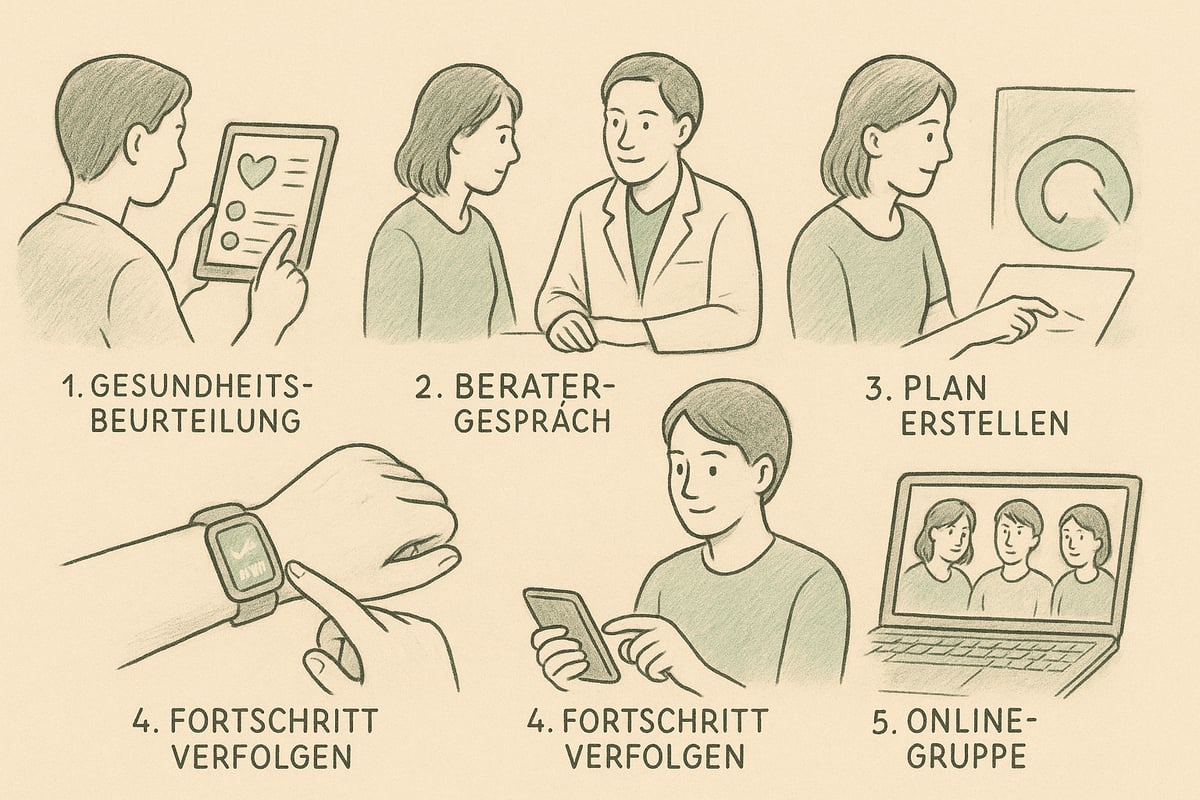
Step 1: Assessing Your Health Needs
Begin by reflecting on your current health status. Identify symptoms you wish to address, such as fatigue, digestive issues, or stress. Consider your risk factors and set clear health goals.
Holistic assessment is at the core of naturopathic health solutions. Practitioners often use comprehensive intake forms, reviewing physical, emotional, and lifestyle elements. Today, digital platforms make it simple to track sleep, nutrition, and mood, giving you a complete health snapshot.
For example, you might use a health tracker app to log symptoms and habits for two weeks. This data will provide a strong foundation for your personalized plan.
Step 2: Choosing the Right Naturopathic Practitioner
Selecting a qualified provider is crucial when integrating naturopathic health solutions. Look for practitioners with a Doctor of Naturopathic Medicine (ND) degree from an accredited institution. Verify licensure in your state and check for continuing education or specialty certifications.
Consider whether telehealth or in-person visits best fit your needs. Many reputable directories allow you to search for practitioners based on location, expertise, and patient reviews.
For instance, a patient seeking support for hormonal balance may choose an ND with women's health experience, verified through professional directories.
Credential Comparison Table
| Credential | Description | When to Choose |
|---|---|---|
| ND | Licensed Doctor of Naturopathic Medicine | For complex or chronic health needs |
| Health Coach | Certified in wellness coaching | For lifestyle guidance and motivation |
| Integrative MD | Medical Doctor with integrative training | For combining natural and conventional care |
Step 3: Building Your Personalized Wellness Plan
Work collaboratively with your practitioner to set achievable goals. Naturopathic health solutions prioritize shared decision-making, ensuring your values and preferences are respected.
Your plan may include dietary adjustments, exercise routines, stress management, and sleep strategies. Lab testing or biomarker analysis can further personalize recommendations.
Imagine creating a 12-week roadmap with milestones like improving energy, reducing inflammation, or optimizing digestion. Regular check-ins help track progress and keep you accountable.
Step 4: Implementing and Adapting Your Plan
Consistency is key to success with naturopathic health solutions. Set realistic milestones and monitor your results using digital tools or wellness journals. Be open to adjusting your protocols based on feedback and life changes.
For example, if travel disrupts your routine, your practitioner might modify your nutrition plan and suggest portable supplements. Digital platforms can help you stay on track by sending reminders or providing community support.
Remember, flexibility allows your plan to evolve with your lifestyle.
Step 5: Engaging With Community and Support Networks
Long-term success often depends on strong support networks. Join group programs, peer coaching sessions, or online forums to share experiences and stay motivated. These communities offer encouragement, accountability, and access to diverse perspectives on naturopathic health solutions.
Online resources, such as Holistic health and wellness approaches, provide valuable education and connection to like-minded individuals.
Virtual group coaching and forums can be especially helpful, allowing you to learn from others and celebrate milestones together.
Integrating Naturopathic and Conventional Medicine
Bringing together naturopathic health solutions and conventional medicine is transforming healthcare in 2026. This integration creates a holistic, patient-centered approach that addresses both root causes and symptoms. By combining the strengths of each system, patients experience more comprehensive and personalized care.
Collaborative Care Models
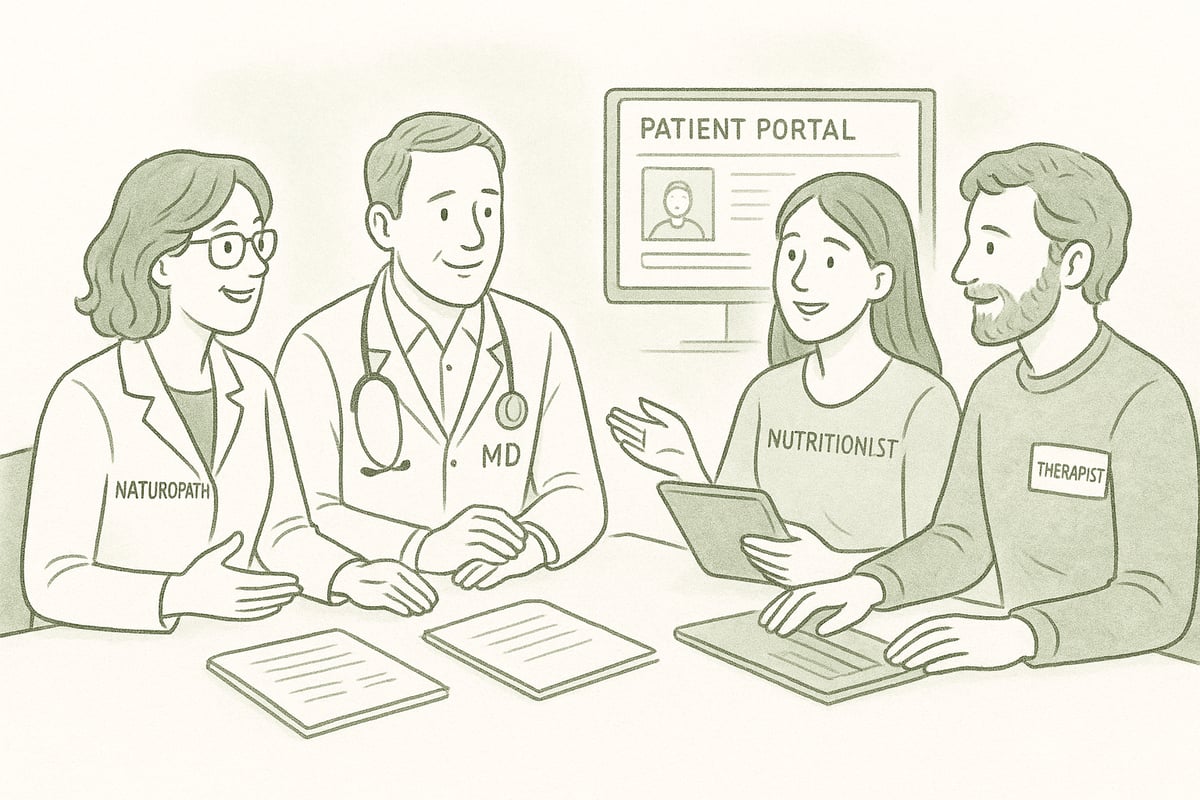
Collaborative care models are at the heart of integrated wellness. Teams that include naturopathic doctors (NDs), medical doctors (MDs), nutritionists, and therapists work together to design effective treatment plans. These teams focus on both prevention and management of chronic and mental health conditions.
A key benefit of this approach is improved health outcomes. For example, co-managed care for thyroid disorders allows patients to benefit from the expertise of both conventional endocrinologists and naturopathic practitioners. This ensures that medication, lifestyle changes, and natural therapies are all considered.
Recent data shows that in 2026, 55% of patients report higher satisfaction with integrated care. Patients value having their concerns addressed from multiple perspectives. For a deeper look at the challenges and benefits of combining these approaches, see this review on integrating naturopathy with modern medicine.
Communication and Coordination
Effective communication is vital for successful integration of naturopathic health solutions. Sharing health records and care plans among providers ensures continuity and reduces duplication of tests or treatments. Many clinics now use secure patient portals, allowing real-time updates and easy access to lab results.
Patient advocacy is also essential. Individuals are encouraged to ask questions, seek clarification, and participate in decisions about their care. Self-education empowers patients to understand their options and make informed choices.
A practical example is the use of digital portals, where patients can view their entire care plan, track progress, and communicate directly with all members of their healthcare team. This seamless coordination supports better outcomes and reduces stress.
Insurance and Accessibility
Access to naturopathic health solutions has expanded significantly by 2026. More insurance plans now cover naturopathic visits, therapies, and diagnostic tests. This shift makes integrative care more accessible to a wider population.
Navigating costs is easier with options like flexible spending accounts (FSA) and health savings accounts (HSA), which many patients use for naturopathic services. Understanding your coverage can help minimize out-of-pocket expenses.
For example, a patient managing chronic pain might use insurance for physical therapy sessions while applying HSA funds for botanical supplements or nutrition consultations. These changes ensure that more people can benefit from comprehensive, integrative care.
The Future of Naturopathic Health Solutions: Trends and Innovations
As we look ahead to 2026, the landscape of naturopathic health solutions is rapidly evolving. Innovations in technology, research, and policy are shaping how providers and patients approach holistic wellness. Let us explore the most significant trends driving the future of this dynamic field.
Advances in Personalized Natural Medicine
Personalization is at the heart of modern naturopathic health solutions. In 2026, genomics and microbiome analysis allow practitioners to tailor nutrition, supplements, and lifestyle recommendations with unprecedented precision. Artificial intelligence tools interpret complex health data and suggest evidence-based protocols for conditions like autoimmune disease. For example, AI-powered platforms now adjust dietary plans in real time based on wearable data. These advances are transforming how individuals achieve optimal wellness. For more on what is driving these changes, see the latest functional medicine predictions for 2026.
Digital Transformation and Telehealth
Digital health is revolutionizing access to naturopathic health solutions. Virtual consultations connect patients and providers across distances, while remote monitoring tools track vital signs, sleep, and activity. Wearable technology is now fully integrated with practitioner dashboards, offering real-time insights into patient progress. Group wellness programs are often delivered online, fostering community support. These digital tools not only increase convenience but also enable proactive, data-driven care for diverse populations.
Research and Evidence-Based Practice
Rigorous research is strengthening the credibility of naturopathic health solutions. Clinical trials and outcome studies are more common, with data informing best-practice guidelines for herbal therapies, nutrition, and mind-body interventions. Recent publications demonstrate the effectiveness of naturopathic approaches for mental health and chronic conditions. The naturopathic medical research agenda highlights ongoing efforts to build a robust scientific foundation for the field, ensuring treatments remain safe and effective for patients.
Policy, Regulation, and Public Perception
The policy environment for naturopathic health solutions is shifting. Legislative changes in several states have expanded the scope of practice for licensed providers, allowing for greater integration with conventional care. Insurance coverage for naturopathic services is increasing, making therapies more accessible. Public perception is also evolving, with growing recognition of the value of preventive and holistic care. These changes are helping to legitimize and mainstream naturopathic approaches across the country.
Addressing Health Equity and Access
Equity is a core focus for the future of naturopathic health solutions. Community-based programs are emerging to serve underserved populations in both rural and urban areas. Initiatives to decolonize healthcare are prioritizing traditional healing methods and cultural competence. Integrative clinics are being established in health deserts, ensuring that all individuals can benefit from comprehensive, patient-centered care. These efforts are closing gaps and advancing health for all.
Frequently Asked Questions About Naturopathic Health Solutions
What conditions can naturopathic health solutions treat in 2026?
Naturopathic health solutions address a wide range of conditions, including digestive issues, hormonal imbalances, chronic fatigue, allergies, anxiety, and metabolic disorders. Many patients seek care for prevention and overall wellness, as well as for managing chronic illnesses alongside conventional treatment.
How do I find a reputable naturopathic provider?
Look for a licensed naturopathic doctor (ND) who has graduated from an accredited program. Verify credentials through state licensing boards and use professional directories. Many reputable practitioners offer telehealth, making access to naturopathic health solutions easier than ever.
Are naturopathic health solutions safe and evidence-based?
Yes, safety is a core principle. Naturopathic health solutions use evidence-based protocols tailored to individual needs. Practitioners stay updated on research, integrating therapies that have demonstrated efficacy and safety. Always disclose all treatments to your healthcare team.
How does insurance coverage work for naturopathic care?
By 2026, more insurance plans and health savings accounts reimburse for naturopathic health solutions. Coverage varies by state and provider, so check your policy and ask about out-of-pocket costs before starting care.
What is the difference between naturopathy and functional medicine?
Both focus on root-cause care and personalized wellness. Naturopathic health solutions emphasize natural therapies, prevention, and the therapeutic order, while functional medicine often uses advanced diagnostics and supplements. For more insight, see Integrative and functional medicine insights.
| Aspect | Naturopathy | Functional Medicine |
|---|---|---|
| Core Focus | Natural therapies, prevention | Biochemical individuality |
| Practitioner | ND | MD, DO, or other |
| Approach | Holistic, therapeutic order | Systems biology, root cause |
How can I combine naturopathic and conventional treatments?
Collaborative care is increasingly common. Share your naturopathic health solutions plan with your primary doctor. Many clinics now offer integrative teams for seamless, coordinated support.
What are the latest innovations in naturopathic health?
Advancements include personalized nutrition based on genetics, AI-driven health plans, remote monitoring, and expanded licensure. Explore reflections on decades of progress in AANP 2025: 40 years of progress for more context on today’s innovations.
As you explore how naturopathic health solutions are evolving in 2026, you might be wondering how to put these insights into practice for yourself or your family. Whether you’re new to holistic medicine or looking to deepen your understanding, I invite you to take a meaningful next step. Our free course, "Intro to Holistic Medicine I," is designed to guide you through the foundations of integrative care, empowering you to make informed choices about your well-being. If you’re ready to start your journey toward holistic health, you can join us here: Intro to Holistic Medicine I.