Imagine a world where you can restore your vitality through natural means, even as chronic illness and stress challenge our daily lives. This introduction to naturopathy offers a fresh perspective for 2025, guiding you through the essential principles and practices that empower holistic health choices.
In this guide, you will discover how naturopathy’s roots, core beliefs, and modern approaches work together to support well-being. We will explore its history, examine treatment options, and explain how it fits within today’s healthcare landscape.
With the rising demand for natural solutions, now is the perfect time to learn how naturopathy can help you achieve lasting wellness.
The Foundations of Naturopathy: History, Philosophy, and Core Principles
Naturopathy has a rich tapestry woven from diverse healing traditions. This introduction to naturopathy begins with its roots in ancient European, Asian, and Indigenous practices that valued harmony between nature and the human body. The late 19th century saw naturopathy take shape in Europe and North America, where pioneers like Benedict Lust and Sebastian Kneipp championed natural therapies, hydrotherapy, and lifestyle medicine.
Their vision was to blend time-honored wisdom with emerging science. As the wellness movement gained momentum in the 20th century, naturopathy adapted, integrating new research and a growing focus on patient empowerment. Today, the global naturopathic market is projected to expand by 7.5% annually through 2025, reflecting increased interest in holistic health. For more on this rapid growth, see the global naturopathic market projected to grow by 7.5% annually through 2025.
This evolution forms the backbone of the modern introduction to naturopathy and shapes its philosophy of care.
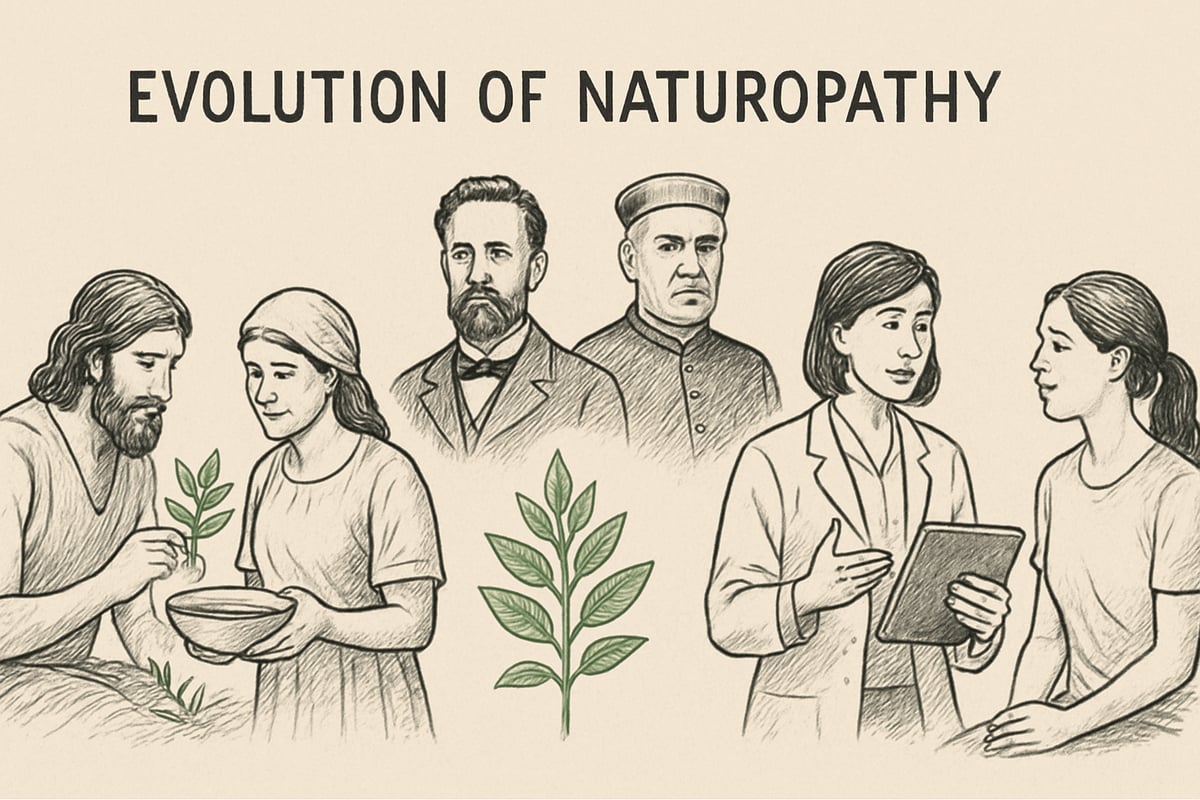
Origins and Evolution of Naturopathy
The introduction to naturopathy is incomplete without understanding its six guiding principles. Each principle frames naturopathic care as a holistic, patient-centered approach.
The Six Core Principles:
- First, Do No Harm (Primum Non Nocere): Use gentle and non-invasive treatments.
- The Healing Power of Nature (Vis Medicatrix Naturae): Support the body’s innate healing.
- Identify and Treat the Causes (Tolle Causam): Focus on root causes, not just symptoms.
- Doctor as Teacher (Docere): Empower patients through education.
- Treat the Whole Person: Address mind, body, spirit, and environment.
- Prevention: Promote proactive wellness for the long term.
These principles distinguish the introduction to naturopathy from other health systems. They remind practitioners to see each patient as a unique individual, not just a diagnosis. This philosophy underpins every naturopathic assessment and treatment, guiding practitioners to empower people and foster true healing.
The Six Core Principles of Naturopathic Medicine
Naturopathy is rapidly adapting to the needs of 2025. The introduction to naturopathy now involves digital health tools, telemedicine, and personalized plans tailored to genetic, lifestyle, and environmental factors. Mainstream healthcare systems increasingly recognize the value of integrative care, with naturopaths collaborating on patient-centered teams.
Innovations include wearable devices for real-time health monitoring, apps for tracking nutrition and stress, and expanded access to evidence-informed therapies. New research is illuminating how botanical medicine, nutrition, and mind-body strategies can support chronic disease management.
With these advancements, the introduction to naturopathy continues to evolve. It promises a future where holistic care and modern science work side by side to empower individuals on their wellness journeys.
Naturopathic Assessment and Treatment Modalities
Navigating the world of holistic health begins with a thorough understanding of how practitioners assess and treat each person. In this introduction to naturopathy, the process starts with a deep look at every aspect of a patient’s well-being, ensuring that care is tailored and comprehensive.

Holistic Assessment: Understanding the Whole Person
A key feature of any introduction to naturopathy is the holistic assessment. Practitioners gather detailed information about physical symptoms, emotional state, environmental exposures, and lifestyle habits. This comprehensive intake often includes:
- Detailed health history and timeline
- Analysis of diet, sleep, stress, and exercise
- Review of environmental factors such as home and work
- Assessment of mental and emotional well-being
Modern naturopaths enhance this process with functional medicine labs and advanced diagnostics. These tools help identify nutritional deficiencies, hormonal imbalances, and hidden triggers for chronic illness. For example, a patient presenting with persistent fatigue may undergo both standard blood tests and specialized panels to uncover underlying causes.
The patient-centered consultation is central to the introduction to naturopathy. Practitioners build strong therapeutic relationships, actively listening and involving patients in every step. This approach fosters trust and empowers individuals to participate in their healing journey.
Consider a case study: A woman with digestive issues, stress, and low energy meets with a naturopath. Her practitioner reviews her entire lifestyle, orders targeted lab tests, and co-creates a plan addressing nutrition, stress management, and environmental changes. This illustrates how individualized planning is at the heart of naturopathic care.
Key Naturopathic Modalities and Therapies
The introduction to naturopathy would not be complete without exploring its diverse treatment modalities. Naturopathic practitioners use a blend of time-tested and modern therapies, always with a focus on the whole person.
Core modalities include:
- Nutrition and dietary counseling: Emphasizing whole foods, anti-inflammatory diets, and individualized meal plans.
- Botanical medicine: Using herbs and plant extracts to support healing and balance.
- Homeopathy: Applying highly diluted substances, though its effectiveness remains debated.
- Physical medicine: Incorporating hydrotherapy, massage, and therapeutic movement to promote circulation and relaxation.
- Mind-body techniques: Teaching meditation, breathwork, and stress reduction strategies.
- Supplementation: Recommending vitamins, minerals, and targeted natural products.
For chronic conditions like fatigue, practitioners often combine these approaches. A tailored plan may include dietary changes, herbal formulas, gentle exercise, and mindfulness training. According to research on Prevalence and predictors of naturopathic practitioners' self-reported practice behaviours, most naturopaths regularly integrate multiple therapies, adapting care for each patient’s unique needs.
This multimodal approach highlights the adaptability and depth of the introduction to naturopathy. It empowers patients to address root causes and achieve sustainable wellness.
Safety, Regulation, and Professional Standards
Trust is foundational in any introduction to naturopathy. Safety, regulation, and professionalism ensure that patients receive high-quality care.
Naturopathic doctors are licensed and regulated in many countries. They must complete rigorous education, including a recognized doctoral degree and extensive clinical training. Licensing requirements often include board exams and ongoing professional development.
Patient safety protocols are strictly followed. Naturopaths collaborate with conventional healthcare providers, sharing information and ensuring coordinated care. This teamwork benefits patients with complex or chronic conditions, minimizing risks and maximizing support.
Globally, thousands of licensed naturopathic physicians practice in regulated settings. The introduction to naturopathy emphasizes evidence-based practice, drawing on scientific research and traditional wisdom. Practitioners commit to lifelong learning and ethical standards, building trust within their communities.
In summary, understanding assessment, treatment modalities, and safety measures is essential for anyone seeking holistic health. The introduction to naturopathy offers a pathway to comprehensive, patient-centered care.
The Evidence Base: Scientific Research and Clinical Outcomes
Understanding the scientific research behind naturopathic medicine is essential for anyone seeking an introduction to naturopathy. As interest grows globally, both patients and practitioners are asking how well these holistic approaches stand up to careful study. In this section, we examine the current evidence, clinical outcomes, and ongoing debates that shape the field in 2025.

Research Supporting Naturopathic Approaches
Recent years have seen a surge in scientific studies evaluating naturopathic treatments. Nutrition and botanical medicine, two pillars of the introduction to naturopathy, now have a robust body of evidence supporting their use for chronic disease prevention and management. For example, randomized trials have shown that whole-food, plant-based diets can improve outcomes for patients with diabetes, hypertension, and cardiovascular disease.
Botanical therapies, such as standardized herbal extracts, have demonstrated benefits in conditions like mild depression and irritable bowel syndrome. Integrative clinics often combine these modalities with mind-body interventions, such as meditation and stress management, leading to higher patient satisfaction and improved quality of life.
A growing body of data highlights the positive impact of naturopathic care on medication reduction and healthcare costs. In integrative settings, patients report fewer side effects and less reliance on prescription drugs. According to a systematic review and meta-analysis of international consultation rates, millions worldwide seek naturopathic services each year, signaling a significant shift in healthcare preferences.
Below is a summary of key clinical outcomes from recent studies:
| Therapy Type | Condition Treated | Outcome |
|---|---|---|
| Nutrition Counseling | Type 2 Diabetes | Improved glycemic control |
| Botanical Medicine | Mild Depression | Reduced symptom severity |
| Mind-Body Techniques | Chronic Pain | Enhanced pain management |
| Integrative Care | Hypertension | Lowered blood pressure |
Despite these promising results, the introduction to naturopathy remains an evolving science. Researchers continue to explore how personalized, multi-modal approaches can optimize health for diverse populations.
Criticisms and Controversies
While the introduction to naturopathy is increasingly evidence-informed, the field is not without controversy. Critics often point to modalities like homeopathy and certain supplements, arguing that some therapies lack a convincing scientific basis. This debate is ongoing, with systematic reviews sometimes finding little benefit for highly diluted homeopathic remedies.
Regulatory challenges also persist. Inconsistent standards across regions can lead to confusion about practitioner qualifications and the safety of certain treatments. Calls for greater standardization and more rigorous research are common, especially from mainstream medical organizations.
Another point of contention is the variability in study quality. Some clinical trials are small or lack proper controls, making it difficult to draw firm conclusions. Despite these limitations, systematic reviews have identified positive effects for naturopathic interventions in chronic conditions such as diabetes and hypertension, though more research is needed to confirm these findings.
Ultimately, the introduction to naturopathy is strengthened by open dialogue between conventional and naturopathic providers. As the evidence base grows, patients are better equipped to make informed choices about their care. Ongoing research, collaboration, and regulation will be key to ensuring that naturopathy remains a safe, effective, and empowering option for holistic wellness in 2025.
Integrating Naturopathy with Conventional Medicine
The landscape of healthcare is rapidly evolving as more people seek the benefits of both natural and conventional approaches. In this introduction to naturopathy, understanding how these systems work together is crucial for maximizing patient outcomes and satisfaction. Integrative care is not just a trend; it is becoming a standard in clinics and hospitals worldwide.

Collaborative Care Models
Collaborative care models are at the heart of successful integration between naturopathy and conventional medicine. These models bring together naturopathic doctors, medical doctors, and other health professionals in one setting. Their shared goal is to address the full spectrum of a patient's needs.
In many integrative clinics, patients with chronic illnesses such as cancer, autoimmune disorders, or mental health conditions benefit from coordinated care. For example, a conventional physician may manage medication while a naturopath provides nutrition counseling, stress reduction, and lifestyle coaching.
Benefits of collaborative care include:
- Improved patient outcomes due to comprehensive treatment plans
- Enhanced patient satisfaction from holistic support
- Reduced risk of conflicting therapies through open communication
Challenges still exist, such as navigating scope of practice, ensuring seamless communication, and managing insurance coverage complexities. However, more clinics are adopting integrative models each year.
To see how these settings operate in practice, you can explore What is a holistic health clinic, which offers a real-world example of an environment where conventional and naturopathic approaches unite. This kind of clinic embodies the spirit of introduction to naturopathy in modern healthcare.
Patient Empowerment and Shared Decision-Making
Empowering patients is a fundamental principle of both naturopathy and integrative healthcare. In an introduction to naturopathy, the focus is on education, transparency, and shared decision-making. Patients are encouraged to ask questions, participate in their care plans, and track their progress over time.
Tools that support empowerment include:
- Health tracking apps and digital journals
- Educational workshops and resources
- Regular consultations designed for open dialogue
A notable example involves a patient transitioning from conventional care alone to an integrative model. With support from both medical and naturopathic teams, the patient gains a deeper understanding of their health, learns to manage symptoms naturally, and develops long-term prevention strategies.
By combining expert guidance with patient-driven choices, introduction to naturopathy becomes a pathway for individuals to take control of their wellness journey. This collaborative approach ensures that care is personalized, evidence-informed, and aligned with the patient’s values and goals.
How to Choose a Qualified Naturopathic Practitioner in 2025
Selecting the right practitioner is a vital part of your journey with naturopathic care. As interest in holistic wellness grows, understanding how to evaluate qualifications and fit can make all the difference. This section of our introduction to naturopathy ensures you have the tools to make informed, confident choices.
Credentials and Accreditation
When beginning your introduction to naturopathy, always verify your practitioner’s credentials. Look for degrees like ND (Naturopathic Doctor) or NMD, which indicate completion of a recognized program. Accredited naturopathic schools require rigorous coursework, supervised clinical training, and successful passage of board exams.
Reliable practitioners are transparent about their background and licensing. Be wary of those who lack formal education or present misleading certifications. According to Characteristics of global naturopathic education, regulation, and practice frameworks, accreditation standards can vary widely by country. Prioritize professionals who uphold continuing education and adhere to recognized regulatory bodies.
Checklist for evaluating credentials:
- Does the practitioner have a degree from an accredited institution?
- Are they licensed or registered with a recognized authority?
- Do they engage in ongoing professional development?
- Are their credentials easily verifiable?
By focusing on these factors, you ensure your introduction to naturopathy begins with a foundation of safety and expertise.
Questions to Ask Before Choosing a Practitioner
Before committing to a practitioner, prepare thoughtful questions. A strong introduction to naturopathy includes understanding their experience with your specific health concerns. Ask whether they collaborate with other medical professionals to provide comprehensive care.
Inquire about their treatment philosophy. Do they emphasize patient involvement and education? Request examples of how they tailor care plans. This step supports a truly individualized experience.
Sample questions:
- What is your approach to addressing root causes?
- How do you involve patients in decision-making?
- What is your experience with conditions like mine?
- Do you coordinate with my primary care provider?
Use these questions to guide your introduction to naturopathy and ensure your practitioner aligns with your values and health goals.
Navigating Virtual and In-Person Care
The landscape of naturopathic care has evolved rapidly. Virtual consultations are now widely available, expanding your options for accessing care. When exploring your introduction to naturopathy online, prioritize platforms that guarantee privacy, security, and clear communication.
Look for practitioners who use digital tools to track your progress, offer education, and foster engagement. According to Virtual naturopathic services, virtual visits have surged since 2020, making remote care more accessible than ever.
Tips for successful virtual care:
- Confirm the practitioner uses secure, HIPAA-compliant platforms.
- Set clear expectations for follow-up and support.
- Keep a health journal or use an app to track your wellness journey.
- Communicate openly about challenges and successes.
With the right approach, your introduction to naturopathy can be effective whether you choose in-person or virtual visits.
As you’ve seen throughout this guide, naturopathy blends timeless healing wisdom with modern science, offering a truly integrative path to wellness. Whether you’re curious about natural approaches for your family or seeking a deeper understanding of holistic health, the journey begins with a solid foundation. If you’re ready to take the next step and explore the essentials of holistic medicine in a practical, approachable way, I invite you to start with our free course, Intro to Holistic Medicine I. Let’s learn together and empower your wellness journey.