Imagine a healthcare journey where every aspect of you is seen and valued. Picture a partnership that cares for your mind, body, and spirit together. This is the promise of a holistic primary care doctor.
Today, many feel lost in a system that is fragmented and focused only on symptoms. The rise in chronic illness leaves patients searching for more complete answers. A holistic primary care doctor offers an integrative, patient-centered approach designed for true wellness.
In this guide, you will discover how to select, collaborate with, and thrive under a holistic primary care doctor. Learn how holistic methods can transform your health and unlock your best self. Follow this step-by-step roadmap to achieve lifelong wellness in 2026.
What Is a Holistic Primary Care Doctor?
Imagine visiting a physician who sees you as more than just a collection of symptoms. A holistic primary care doctor is committed to treating you as a whole person, focusing on your mind, body, and spirit. This approach stands apart from traditional models by emphasizing long-term wellness and genuinely partnering with you on your health journey.

Defining Holistic Primary Care
At its core, a holistic primary care doctor addresses the person, not just the illness. Rather than merely treating symptoms, the focus is on discovering and resolving the root causes of health concerns. This approach combines evidence-based medicine with complementary therapies, such as nutrition, lifestyle changes, and mindfulness practices.
To illustrate, if you visit a holistic primary care doctor for digestive problems, you might discuss your diet, emotional stressors, and daily routines, not just receive a prescription. This comprehensive perspective creates a personalized and integrative experience.
Here’s a table to highlight the differences:
| Aspect | Conventional Primary Care | Holistic Primary Care Doctor |
|---|---|---|
| Focus | Symptom management | Whole-person care |
| Approach | Disease-centered | Patient-centered |
| Therapies | Medications, procedures | Nutrition, lifestyle, mind-body |
| Goal | Acute care, diagnosis | Prevention, root cause resolution |
By working with a holistic primary care doctor, you gain access to a blend of conventional and complementary strategies that support lasting well-being.
Core Principles and Philosophies
A holistic primary care doctor follows core principles that shape every aspect of care. The therapeutic order guides practitioners to start with the least invasive interventions, only moving to more complex measures when necessary. This means prioritizing lifestyle changes and natural therapies before turning to medications or surgeries.
Patient empowerment is key. Shared decision-making ensures you are an active participant in your health plan. Preventive care and health optimization are always at the forefront, aiming to stop problems before they start.
Respect for your unique values, culture, and preferences is central. Holistic doctors utilize diverse modalities, including nutrition, herbal medicine, homeopathy, and mind-body practices. To learn more about these approaches, you can explore holistic medicine and care explained.
This philosophy enables a holistic primary care doctor to tailor each plan to the individual, respecting both science and the art of healing.
Training and Credentials
Holistic primary care doctors may come from a variety of educational backgrounds. Many are MDs (Medical Doctors), DOs (Doctors of Osteopathic Medicine), or NDs (Naturopathic Doctors) who have pursued additional training in integrative or holistic medicine. Some complete fellowships in integrative medicine, expanding their expertise beyond conventional care.
Board certifications and professional affiliations, such as with the Academy of Integrative Health & Medicine or the Institute for Functional Medicine, signal a commitment to high standards. Verifying your doctor’s credentials is vital for ensuring safety and efficacy.
When choosing a holistic primary care doctor, always check for relevant degrees, board certifications, and membership in respected organizations. This assures you are partnering with a skilled and trustworthy professional.
The Growing Demand for Holistic Primary Care
Interest in holistic primary care continues to rise across the United States. According to the NIH, 42% of Americans used complementary and alternative medicine in 2023, reflecting a shift toward more personalized and preventive care.
Patients are increasingly drawn to the holistic primary care doctor model for its emphasis on chronic disease management, mental health, and overall wellness. Holistic approaches are especially valued for their ability to address the complex, interconnected factors that influence health.
As more people seek integrative solutions, the demand for holistic primary care doctors is expected to grow. This trend highlights the vital role these practitioners play in creating a healthier future for individuals and communities.
How to Choose the Right Holistic Primary Care Doctor in 2026
Choosing the right holistic primary care doctor in 2026 is a pivotal decision for your long-term wellness. This process can feel overwhelming, but breaking it down into clear steps empowers you to find a provider who truly aligns with your health vision. Let us walk you through a streamlined approach so you can confidently begin your journey toward integrative, whole-person care.

Step 1: Clarify Your Health Goals and Values
Start by reflecting on what you want from your holistic primary care doctor. Are you seeking preventive care, help with chronic conditions, mental health support, or family wellness? Define your priorities, as this clarity guides your search and ensures your doctor’s philosophy matches your expectations.
Consider your preferences for communication, cultural sensitivity, and treatment style. For example, do you value a practitioner who blends spirituality with science? Are you interested in integrative approaches such as nutrition, mindfulness, or natural remedies? By outlining your goals, you set the foundation for a productive relationship with your holistic primary care doctor.
Write down your expectations and share them during your initial consultation. This step helps you and your doctor align on a shared vision for your health journey. Make sure to revisit your goals periodically, as your needs may evolve over time.
Step 2: Research Credentials and Experience
Verifying the credentials of a holistic primary care doctor is essential for safety and trust. Look for degrees such as MD, DO, or ND, and check for board certifications in family, internal, or integrative medicine. Additional training in holistic or functional medicine demonstrates a commitment to comprehensive care.
Here is a quick comparison of common credentials:
| Degree/Certification | Focus Area | Typical Training |
|---|---|---|
| MD | Conventional/Integrative | Medical School + Residency |
| DO | Osteopathic, Holistic | Med School + OMM |
| ND | Naturopathic, Holistic | Naturopathic Medical School |
| IFM/AIHM Fellow | Functional/Integrative | Postgraduate Fellowship |
Membership in reputable organizations, such as the Academy of Integrative Health & Medicine (AIHM) or the Institute for Functional Medicine (IFM), can also indicate a provider’s dedication to holistic practice. Always ensure your holistic primary care doctor has experience with your specific health concerns.
Step 3: Evaluate Practice Approach and Services
Understanding the practice style of your holistic primary care doctor helps you gauge if their approach fits your needs. Ask about how consultations are structured: How much time is spent on your first visit? What is the depth of their assessments? How often are follow-ups scheduled?
Review the range of services offered, such as:
- Nutrition counseling
- Advanced lab testing
- Mind-body therapies
- Telemedicine and virtual visits
- Remote patient monitoring
Inquire about the use of technology, like health apps or online patient portals, which can enhance communication and tracking. For example, some practices offer digital health tracking and virtual consultations, making care more accessible and personalized. Compare these offerings to your preferences and lifestyle.
Step 4: Assess Compatibility and Communication Style
The relationship you build with your holistic primary care doctor is built on trust, empathy, and transparent communication. Pay attention to how the doctor listens to your concerns and whether they involve you in decision-making.
Patient testimonials and reviews can offer valuable insights into the doctor-patient relationship. Reading real experiences from others can help you understand what to expect and spot potential red flags, such as dismissive attitudes or lack of transparency. For authentic feedback, explore patient testimonials and experiences to gain a clearer picture of the provider’s style and effectiveness.
Choose a holistic primary care doctor who encourages shared decision-making and respects your individual values. If you feel comfortable and heard, you are more likely to achieve positive outcomes.
Step 5: Understand Costs, Insurance, and Accessibility
Before committing to a holistic primary care doctor, clarify the financial aspects of care. Practices may use direct care, insurance-based, or membership models, each with different costs and benefits. Ask about out-of-pocket expenses and whether your insurance plan offers any reimbursement.
Consider accessibility factors, such as clinic location, appointment availability, and telehealth options. As of 2024, 37 percent of holistic practices offer telehealth, which can be especially helpful for busy professionals or those with limited mobility.
Check scheduling flexibility and emergency procedures. Ensuring your holistic primary care doctor is accessible and affordable will help you avoid surprises and maintain consistent care.
What to Expect from Your First Visit and Ongoing Care
Choosing a holistic primary care doctor is the start of a transformative health journey. Understanding what to expect from your initial visit and ongoing care can help you make the most of this partnership. Here, we break down each step, so you feel prepared and supported every step of the way.
Comprehensive Intake and Assessment
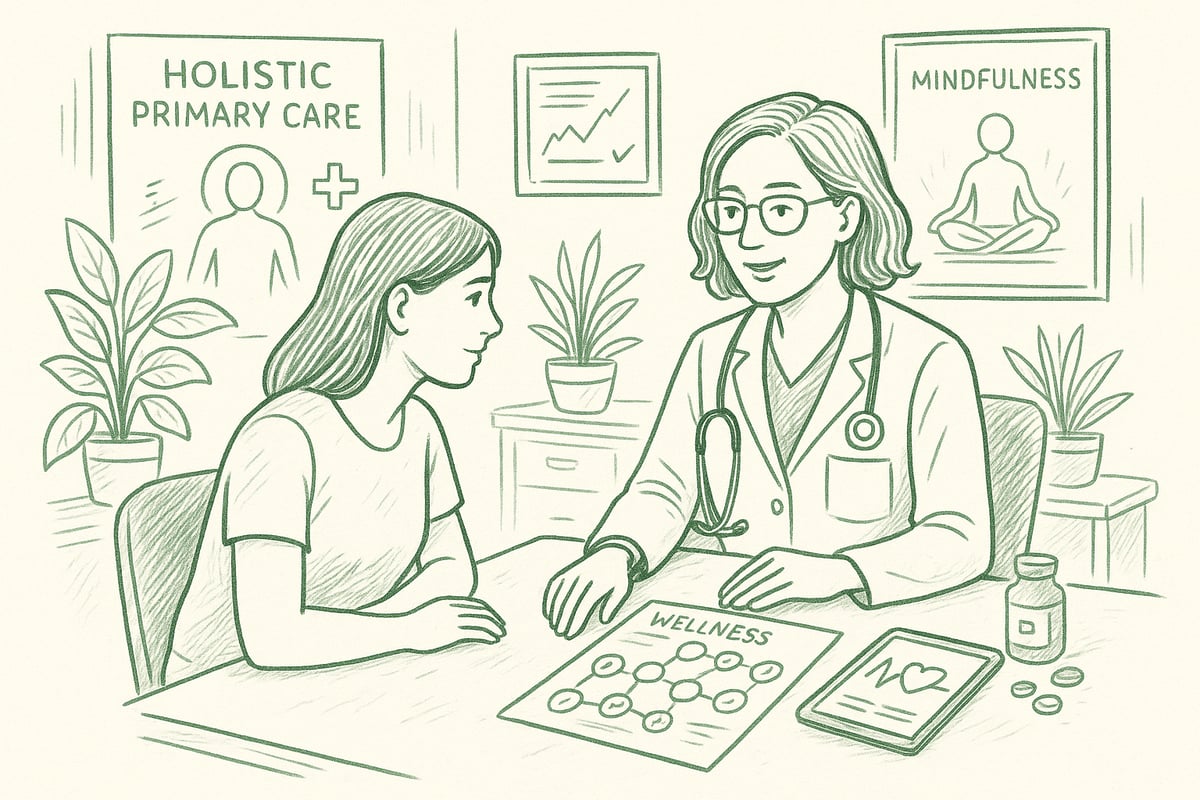
Your first appointment with a holistic primary care doctor involves a thorough exploration of your health history, lifestyle, and emotional well-being. The doctor will ask about your physical symptoms, stress levels, sleep habits, diet, and even your mental health. This comprehensive approach ensures your care addresses every aspect of your well-being.
Expect to spend 60 to 90 minutes in your first session. The process may include advanced diagnostic tools, such as functional lab testing or digital health tracking. For a deeper look at how this assessment works, visit the comprehensive health assessments overview.
This in-depth intake helps your holistic primary care doctor identify root causes and patterns, setting the stage for a truly personalized plan.
Personalized Wellness Roadmap
After gathering detailed information, your holistic primary care doctor will create a tailored health plan. This roadmap might include nutrition guidance, exercise routines, stress management practices, and supplement recommendations. Your preferences and goals are central to this process.
You will collaborate on setting short-term and long-term goals. The doctor will explain each step and provide educational resources to support your understanding. As your needs change, your plan will be adjusted to keep you moving forward.
This personalized approach empowers you to take charge of your health, with expert guidance at every stage.
Integrative Treatment Modalities
A holistic primary care doctor blends conventional and complementary therapies for optimal results. Your care may include nutrition therapy, herbal medicine, mindfulness practices, acupuncture, or homeopathy, depending on your needs and preferences.
For example, if you are dealing with chronic stress, your doctor might recommend a combination of relaxation techniques, targeted supplements, and dietary adjustments. This integrative model ensures that every treatment supports your overall well-being.
By drawing from multiple disciplines, your holistic primary care doctor offers comprehensive solutions tailored to you.
Follow-Up and Remote Monitoring
Ongoing care with a holistic primary care doctor means regular check-ins and continuous support. Follow-up visits are scheduled to track your progress, address new concerns, and refine your wellness plan as needed.
Many practices leverage digital tools, such as health tracking apps or online portals, allowing you to communicate easily and share updates between visits. Data from Statista shows that 53% of patients now prefer digital communication with their healthcare provider.
This combination of in-person and remote care makes it easier to stay engaged and proactive about your health.
Building a Long-Term Doctor-Patient Partnership
A strong relationship with your holistic primary care doctor is built on trust, open dialogue, and shared decision-making. You are encouraged to ask questions, express concerns, and participate actively in your care.
The doctor will support you in making lifestyle changes and celebrate your progress. Over time, this partnership fosters greater self-awareness and confidence in managing your health.
With ongoing support, you can navigate challenges and build habits that lead to lasting wellness.
The Holistic Wellness Roadmap: Steps to Lasting Health in 2026
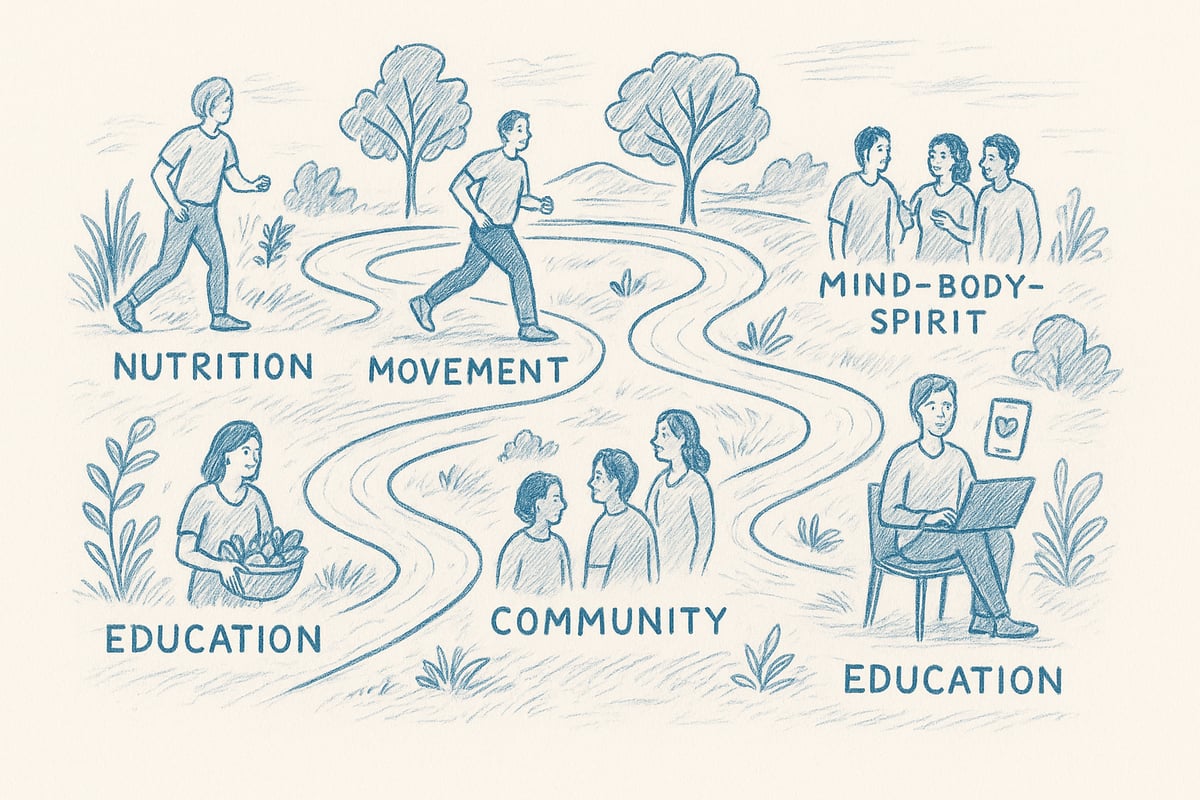
Ready to transform your health journey? The holistic wellness roadmap is your guide to building a vibrant, resilient life with support from a holistic primary care doctor. Each step is designed to help you achieve balance, prevent illness, and thrive in 2026.
Step 1: Foundation—Lifestyle and Prevention
Building a strong foundation is the first priority for any holistic primary care doctor. Nutrition, movement, restorative sleep, and stress management are the pillars of lifelong wellness.
Start by evaluating your diet. The Mediterranean diet, rich in plants and healthy fats, lowers cardiovascular risk by 25 percent, according to Harvard in 2024. Movement matters, too. Aim for regular exercise suited to your body and preferences.
Prioritize sleep hygiene with consistent routines and screen-free evenings. Stress management techniques, such as deep breathing and gentle stretching, can dramatically improve your overall health. Your holistic primary care doctor will help you tailor these habits for lasting impact.
- Emphasize whole foods
- Incorporate daily activity
- Create a calming bedtime routine
- Practice mindfulness for stress
Step 2: Personalized Interventions and Therapies
One size does not fit all. A holistic primary care doctor uses advanced assessments to identify your unique needs. Functional lab testing reveals nutrient deficiencies, hormonal imbalances, or hidden inflammation.
Based on these insights, your doctor may recommend targeted supplements, botanicals, or other therapies. For example, persistent fatigue might be addressed with a tailored nutrient protocol, rather than generic advice.
Personalized care ensures that interventions align with your goals, values, and health history. Regular check-ins allow your plan to adapt as you progress. This individualized approach is key to sustainable results.
Table: Common Personalized Therapies
| Concern | Example Therapy | Benefit |
|---|---|---|
| Fatigue | B12, iron supplements | Boosts energy |
| Stress | Adaptogenic herbs | Balances cortisol |
| Digestion | Probiotics, enzymes | Improves gut health |
Step 3: Mind-Body-Spirit Integration
True wellness means nurturing every part of yourself. A holistic primary care doctor supports the integration of mind, body, and spirit in your care journey.
Mindfulness practices, such as meditation or yoga, help reduce anxiety by up to 30 percent, according to JAMA in 2023. Addressing emotional wellness, building resilience, and exploring spiritual health are essential components of this step.
Your doctor may introduce guided imagery, breathwork, or gentle movement to support healing. These modalities complement conventional care, creating a more complete approach to health. The goal is to foster inner balance and a sense of purpose.
- Try guided meditation apps
- Explore journaling for emotional release
- Seek out spiritual practices that resonate
Step 4: Community and Social Support
Healing thrives in community. A holistic primary care doctor recognizes the power of social connection for accountability and encouragement.
Join group wellness programs or online communities to share experiences and support. Research shows that patients in wellness groups maintain lifestyle changes more effectively than those who go it alone.
Peer support and group learning foster motivation. You might participate in nutrition workshops, fitness classes, or mindfulness circles. These connections make your journey more enjoyable and sustainable.
- Attend group workshops or classes
- Connect with peers for encouragement
- Share progress in a supportive setting
Step 5: Technology and Digital Health Tools
In 2026, technology is a vital ally for your holistic primary care doctor. Health apps and remote monitoring tools track nutrition, activity, and symptoms in real time.
Digital journaling helps identify patterns and triggers, while telehealth expands access to care. As Telemedicine in Holistic Healthcare reports, telemedicine is on the rise, making holistic support more accessible than ever.
Use secure online portals to communicate with your doctor, access educational resources, and receive timely feedback. Technology empowers you to take charge of your wellness, wherever you are.
- Track habits with health apps
- Schedule virtual check-ins
- Share data for personalized feedback
Step 6: Continuous Education and Self-Advocacy
Your wellness journey is ongoing. A holistic primary care doctor encourages you to stay informed and advocate for your needs.
Engage in online courses, attend workshops, and read trusted resources to deepen your understanding. Explore Integrative Medicine Education Programs for opportunities to expand your health knowledge.
Patients who pursue continuous education and self-advocacy report higher satisfaction and better outcomes. Ask questions, seek second opinions when needed, and participate in setting your health goals. Your empowerment is the ultimate key to lasting wellness.
- Enroll in health education programs
- Join webinars on holistic topics
- Collaborate with your doctor on care decisions
With this roadmap, you and your holistic primary care doctor can build a dynamic, personalized plan for lifelong health. Embrace each step, stay curious, and enjoy the journey toward your best self.
The Future of Holistic Primary Care: Trends and Innovations for 2026
The landscape of healthcare is shifting rapidly as patients seek more comprehensive solutions. The future for the holistic primary care doctor is full of innovation, aiming to blend tradition, technology, and equity for optimal patient outcomes.
Expansion of Integrative and Functional Medicine
The number of integrative and functional medicine practitioners is growing, with more clinics and hospitals adopting these holistic approaches. A holistic primary care doctor now often combines conventional training with advanced integrative education, ensuring a well-rounded perspective.
Board certifications and specialized programs are expanding, making it easier for patients to find a qualified holistic primary care doctor. For example, the Integrative Medicine Training Track offers medical professionals comprehensive training in integrative care, resulting in more expertise within the field.
Digital Transformation in Holistic Care
Technology is transforming how a holistic primary care doctor delivers care. Telehealth, remote monitoring, and personalized health apps are now standard tools, making care more accessible for patients everywhere.
These digital tools allow for real-time communication, easier data tracking, and more personalized wellness plans. Patients can connect with their holistic primary care doctor from the comfort of home, increasing both convenience and engagement in ongoing care.
Focus on Health Equity and Decolonizing Healthcare
A key trend is the emphasis on health equity and cultural competence within holistic care. A holistic primary care doctor is increasingly aware of social determinants of health and strives to honor diverse traditions and backgrounds.
Efforts to decolonize healthcare involve including traditional healing practices, building trust with marginalized communities, and addressing systemic barriers. This ensures that every patient, regardless of background, benefits from a holistic primary care doctor’s expertise.
Preventive and Predictive Health Models
The future holistic primary care doctor prioritizes prevention and prediction over reaction. Genomics, wearable devices, and predictive analytics are being used to tailor care to each patient’s unique risk factors and needs.
Regular screenings, data-driven insights, and early interventions help catch issues before they become chronic. By focusing on prevention, the holistic primary care doctor helps patients maintain wellness, not just manage disease.
Empowerment Through Education and Community
Patient empowerment and education are at the heart of holistic medicine’s future. A holistic primary care doctor encourages ongoing learning and self-advocacy, supporting patients as active partners in their health journey.
Online courses, workshops, and supportive communities are growing resources. Patients who engage with educational opportunities report better outcomes and greater satisfaction with their holistic primary care doctor.
Challenges and Opportunities Ahead
Despite rapid progress, there are challenges for the holistic primary care doctor. Navigating insurance, adapting to technology, and addressing practitioner shortages require ongoing attention.
Opportunities abound for those who embrace evidence-based innovation and prioritize the human touch. As holistic care evolves, the holistic primary care doctor will continue to be a vital guide, helping patients thrive in an ever-changing healthcare world.
As you reflect on the steps to finding the right holistic primary care doctor and building your personalized wellness roadmap, remember that you don’t have to do this alone. Staying informed and connected is key to making empowered choices about your health journey—especially as holistic care continues to evolve in 2026. If you’re ready to deepen your understanding, connect with like-minded individuals, and receive ongoing support, I invite you to Join Our Holistic Community for Updates. Together, we can navigate the path to lifelong wellness with clarity, confidence, and a sense of belonging.