Imagine a healthcare approach that considers your mind, body, and spirit as one. The growing interest in holistic medicine for beginners shows that more people want solutions beyond just treating symptoms. This essential guide will help you understand holistic medicine for beginners, breaking down its core principles and practical benefits for 2025.
You will discover how ancient healing wisdom blends with modern science to support your well-being. We will explore popular therapies, show you how to find trustworthy practitioners, and share actionable steps to help you start your holistic journey. Ready to reclaim your health naturally and make empowered choices? Let’s begin.
What is Holistic Medicine? Understanding the Foundations
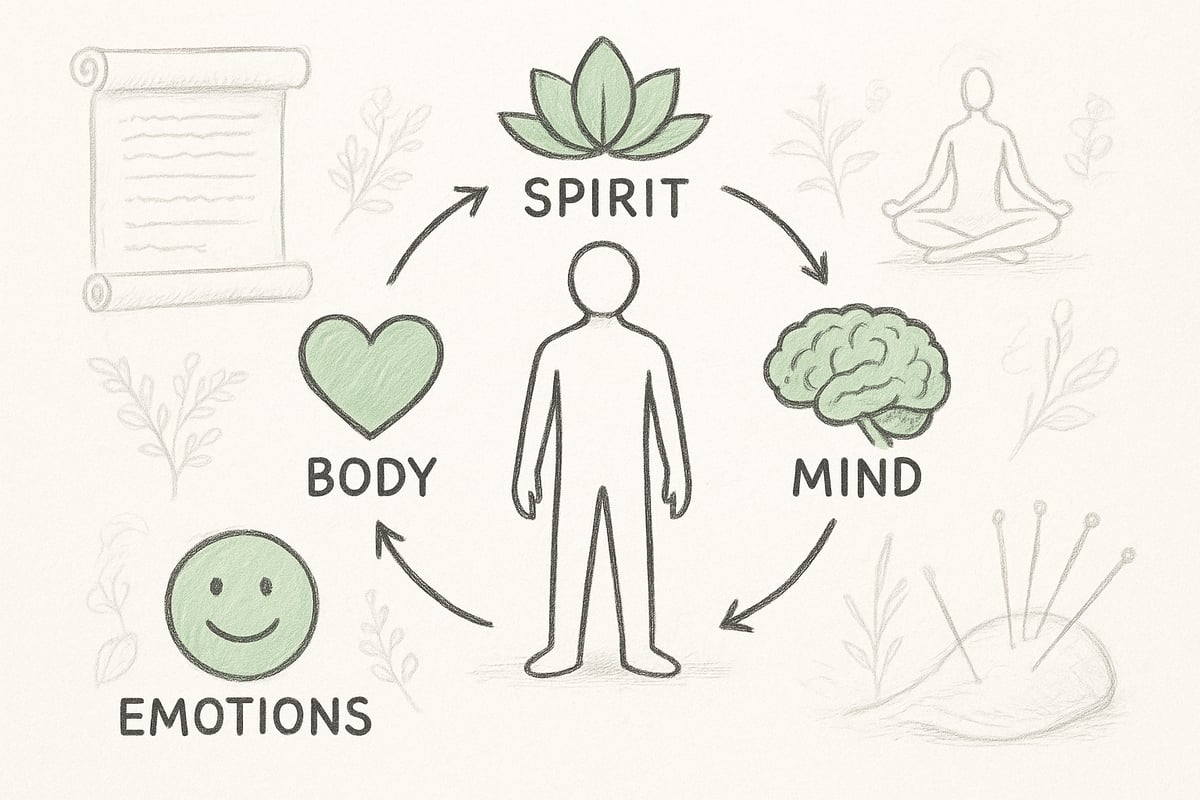
Holistic medicine for beginners starts with a simple yet powerful idea: treating the whole person, not just the symptoms. This approach looks at your physical, mental, emotional, and spiritual health as interconnected parts of a larger system. If you have ever wondered how your stress levels, diet, and relationships might influence your well-being, you are already thinking holistically.
The roots of holistic medicine for beginners can be traced back thousands of years. Systems like Traditional Chinese Medicine and Ayurveda have long recognized the importance of balance and harmony in the body and mind. Many indigenous cultures also practiced healing traditions focused on energy, nature, and prevention. The core principles here include balance, the interconnectedness of all life, and the belief that the body has an innate ability to heal itself when given the right support.
Unlike conventional medicine, which often targets symptoms with medication or surgery, holistic medicine for beginners seeks out the root causes of illness. It emphasizes individualized care, where treatments are tailored to your unique needs, lifestyle, and genetics. This approach puts you at the center, empowering you to take an active role in your health journey. For example, someone with chronic pain might explore nutrition, stress management, and acupuncture, instead of relying solely on painkillers.
Growing scientific evidence supports holistic medicine for beginners. According to recent studies, about 38% of adults in the United States use some form of complementary medicine. The rising popularity is reflected in market trends, with global acceptance expanding rapidly. For a deeper look at industry growth and trends, see the Integrative Health Market Report 2025-2033, which highlights how holistic practices are gaining traction worldwide.
Holistic medicine for beginners covers a wide range of therapies. From nutrition and herbal medicine to acupuncture, yoga, and energy healing, there are many ways to support your health naturally. It is important to remember that holistic medicine is not anti-science. Many modalities are backed by research, and practitioners often work alongside conventional healthcare providers. Common myths, such as "holistic medicine is unregulated" or "it is only for chronic conditions," are being debunked as more people experience the benefits firsthand.
Key Types of Holistic Therapies Explained
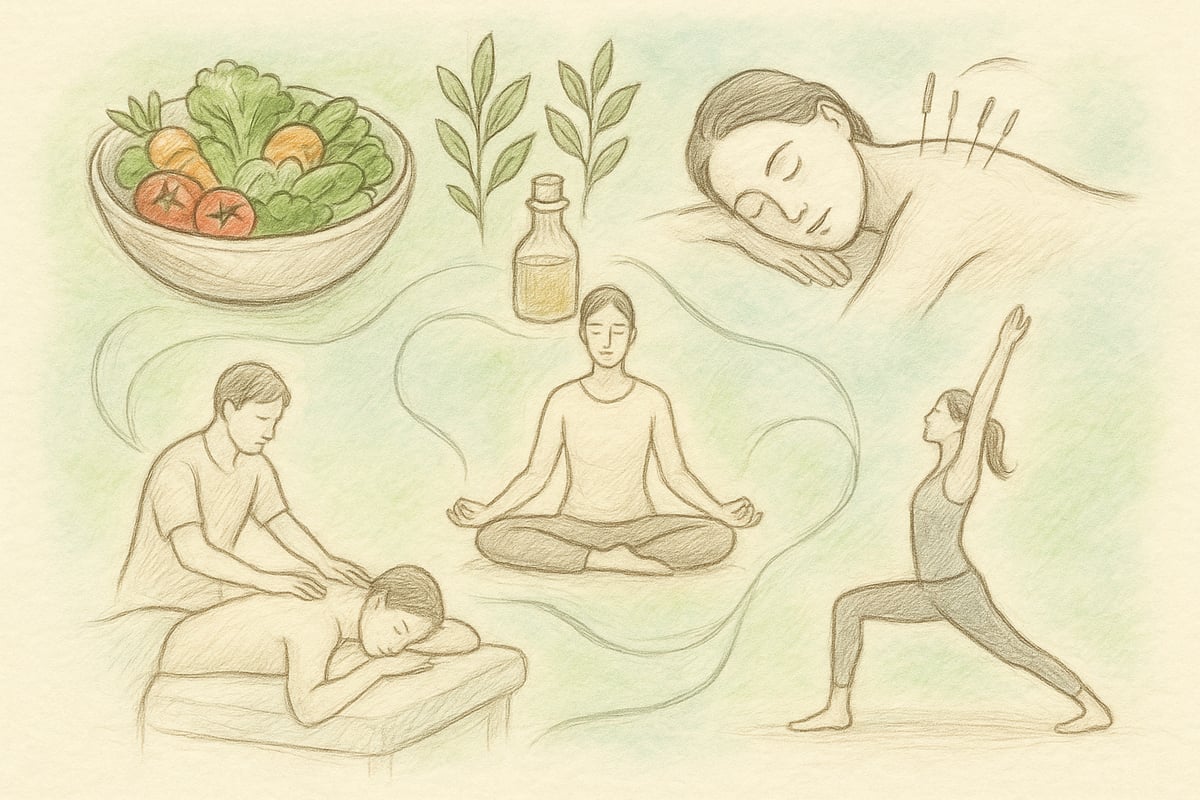
Exploring holistic medicine for beginners means understanding the diverse range of therapies available to support mind, body, and spirit. Each approach offers unique benefits and can be tailored to individual needs. Let us break down the most popular types of holistic therapies, their uses, and how they fit into a whole-person wellness journey.
Nutrition and Dietary Therapy
Nutrition is the foundation of holistic medicine for beginners. Whole foods, personalized nutrition plans, and functional nutrition approaches help address the root causes of health concerns. Practitioners assess dietary habits, nutrient deficiencies, and lifestyle factors to create individualized plans.
- Focus on fruits, vegetables, whole grains, and healthy fats
- Address food sensitivities and gut health
- Use nutrition to manage chronic conditions
Herbal Medicine
Herbal medicine uses plants and natural extracts to promote healing. This therapy is central to many holistic traditions and is gaining popularity due to its accessibility and evidence base. Safety is crucial, as herbs can interact with medications or cause side effects.
- Common herbs: turmeric (for inflammation), ginger (for digestion), chamomile (for sleep)
- Always check for quality and proper dosing
- Consult a trained herbalist for personalized advice
Mind-Body Practices
Mind-body therapies bridge the gap between physical and emotional health. Meditation, yoga, and breathwork are popular choices in holistic medicine for beginners, offering stress reduction and improved resilience.
- Meditation: reduces anxiety, improves focus
- Yoga: enhances flexibility, strength, and mental clarity
- Breathwork: calms the nervous system
These practices are accessible for most people and supported by a growing body of research.
Traditional Systems: Ayurveda and Traditional Chinese Medicine (TCM)
Ayurveda (from India) and Traditional Chinese Medicine are ancient systems that guide holistic care. They use diagnostic methods like pulse reading or tongue analysis and prescribe dietary changes, herbs, and therapies such as acupuncture.
- Ayurveda: focuses on balancing doshas (body energies)
- TCM: works with the flow of qi (life energy) through meridians
- Both emphasize prevention and individualized care
Energy Medicine
Energy medicine explores the flow of subtle energy within the body. Practices like Reiki, acupuncture, and qigong are designed to restore balance and support healing. Acupuncture, for example, uses fine needles to stimulate specific points and is well-researched for pain management.
Scientific perspectives on energy medicine vary, but many people find these therapies beneficial as part of holistic medicine for beginners.
Manual Therapies
Manual therapies involve hands-on techniques to relieve pain, improve mobility, and enhance well-being. Chiropractic, osteopathy, and massage therapy are common examples.
- Chiropractic: spinal adjustments to support nervous system health
- Osteopathy: holistic assessment and gentle manipulations
- Massage: reduces muscle tension and promotes relaxation
These therapies often complement other holistic treatments.
Homeopathy and Naturopathy
Homeopathy uses highly diluted substances to stimulate self-healing, while naturopathy combines natural therapies with lifestyle counseling. Both are controversial but remain popular among those exploring holistic medicine for beginners.
- Naturopaths may use nutrition, herbs, and physical therapies
- Homeopathy is individualized and gentle, though not universally supported by scientific evidence
Integrative Approaches
Many people combine therapies for maximum benefit. For example, someone might pair dietary changes with acupuncture and meditation. This integrative mindset is central to holistic medicine for beginners and reflects trends in mainstream healthcare. According to the Lifestyle Medicine Initiative Trends for 2025, collaborative care and personalized wellness plans are on the rise, making it easier than ever to access holistic support.
Summary Table: Key Holistic Therapies
| Therapy Type | Main Focus | Example Benefit |
|---|---|---|
| Nutrition | Whole foods, balance | Gut health, energy |
| Herbal Medicine | Plant-based remedies | Inflammation, sleep |
| Mind-Body | Mind-emotion-body link | Stress reduction |
| Traditional | Ancient systems | Prevention, balance |
| Energy Medicine | Subtle energy flow | Pain management |
| Manual Therapy | Physical manipulation | Mobility, pain relief |
| Homeopathy | Diluted remedies | Gentle symptom relief |
| Naturopathy | Natural therapies | Overall wellness |
Choosing the right therapies depends on your goals, preferences, and current health status. For those new to holistic medicine for beginners, start with accessible options like nutrition or mind-body practices, then build a personalized toolkit as you gain confidence.
How to Get Started with Holistic Medicine: A Step-by-Step Guide
Embarking on your journey with holistic medicine for beginners can feel exciting yet overwhelming. The process is about honoring your individuality while making informed, sustainable choices. This step-by-step guide will help you build a foundation for holistic wellness, tailored to your needs in 2025.

Step 1: Self-Assessment—Know Your Starting Point
Begin your holistic medicine for beginners journey by reflecting on your current health. List your primary goals, symptoms, and lifestyle patterns. Are you seeking stress relief, better sleep, or improved digestion? Journaling your observations helps clarify your intentions and priorities.
Consider factors such as diet, physical activity, emotional well-being, and daily habits. This honest inventory will guide your next steps and help you track progress over time.
Step 2: Educate Yourself—Reliable Resources Matter
Next, empower yourself with trustworthy information. Explore reputable books, websites, and scientific articles focused on holistic medicine for beginners. Look for resources from established organizations and avoid sources that promise quick fixes or miracle cures.
Connecting with community forums or local groups can provide real-life perspectives and support. Understanding the foundations of holistic care builds your confidence as you make decisions about your health.
Step 3: Explore Beginner-Friendly Therapies
Start with accessible practices that require little to no investment. Mindfulness meditation, gentle yoga, and clean eating are excellent entry points for holistic medicine for beginners. These approaches support stress management, resilience, and physical vitality.
You might choose to incorporate deep breathing exercises or guided relaxation. Whole foods and hydration are equally important, nurturing your body from the inside out.
Step 4: Find a Qualified Practitioner—Credentials Count
When seeking professional guidance, research practitioners’ qualifications carefully. Verify certifications, experience, and client testimonials. For holistic medicine for beginners, it is crucial to consult providers who integrate evidence-based approaches and respect your autonomy.
Ask questions about their philosophy, treatment plans, and communication style. Be cautious if you encounter pressure to purchase products or if the provider lacks transparency.
Step 5: Create a Personalized Holistic Health Plan
Set clear, achievable goals based on your self-assessment. Your holistic medicine for beginners plan might include daily meditation, balanced nutrition, and scheduled movement. Use a journal, spreadsheet, or health app to monitor your progress and celebrate milestones.
Small, consistent changes are more sustainable than drastic overhauls. Adjust your plan as you learn more about what works for you.
Step 6: Integrate Holistic Practices into Daily Life
Building new habits takes time and patience. Incorporate holistic medicine for beginners into your routine by linking new practices to existing habits. For example, meditate after brushing your teeth or stretch before bedtime.
If you encounter obstacles, seek support from friends, family, or online communities. Remember that setbacks are part of growth, not signs of failure.
Step 7: Monitor Results and Adjust as Needed
Track your experiences and outcomes regularly. Use journals, smartphone apps, or scheduled check-ins to record changes in symptoms, mood, or energy. This feedback loop helps you fine-tune your holistic medicine for beginners plan and recognize patterns over time.
If you are combining holistic and conventional care, communicate openly with all providers involved. Share updates and seek guidance to ensure safe, coordinated care.
Step 8: When and How to Combine Holistic and Conventional Care
Holistic medicine for beginners works best when integrated thoughtfully with conventional healthcare. Consult your primary provider before adding new supplements, herbs, or therapies, especially if you manage chronic conditions or take medications.
Many individuals find that blending modalities enhances well-being, prevention, and recovery. The expanding U.S. Complementary and Alternative Medicine Market 2025-2030 reflects this growing acceptance and the demand for integrative approaches.
Sample Beginner Plans and Family Tips
| Goal | Sample Holistic Plan |
|---|---|
| Stress Relief | 5 minutes daily mindfulness, evening herbal tea, and weekly gentle yoga session |
| Digestive Health | Probiotic-rich foods, mindful eating, and regular hydration |
| Better Sleep | Evening screen-free time, calming breathwork, and chamomile tea before bed |
Families and caregivers can adapt holistic medicine for beginners by involving children in meal prep, practicing gratitude rituals, or introducing simple movement breaks. For elders, focus on gentle exercises and social connection.
Data-Driven Results
Recent surveys indicate that 62% of people report improved well-being after starting holistic practices. Tracking your own outcomes can further validate your personal progress.
Holistic medicine for beginners is a journey of self-discovery and empowerment. With clear steps, trusted resources, and ongoing support, anyone can build a sustainable path to whole-person health.
Evaluating Holistic Practitioners and Programs: What Beginners Need to Know
Choosing the right practitioner is a crucial step for anyone exploring holistic medicine for beginners. With the growing popularity of holistic approaches, it is essential to understand how to evaluate qualifications and spot warning signs before committing to care.

Credentials, Certifications, and Red Flags
When searching for holistic medicine for beginners, always verify a practitioner's credentials. Look for licenses, board certifications, and professional affiliations with respected organizations. Not all holistic fields require the same level of regulation, so check for recognized training and continuing education.
| Credential Type | What to Look For | Why It Matters |
|---|---|---|
| State License | Required for MD, ND, LAc | Ensures legal practice |
| Board Certification | Specialty areas | Demonstrates expertise |
| Memberships | Professional associations | Shows commitment |
Be wary of practitioners who make unsubstantiated claims, lack transparency about their backgrounds, or pressure you to purchase expensive supplements or products.
Interviewing Practitioners and Patient-Centered Care
A key part of holistic medicine for beginners is interviewing potential practitioners. Ask about their philosophy, experience with your health concerns, and how they create treatment plans. Good practitioners listen to your goals, respect your preferences, and encourage your active participation.
Questions to consider:
- What is your approach to holistic care?
- How do you integrate patient input into treatment?
- What outcomes can I realistically expect?
Patient-centered care means you should feel empowered and informed, never rushed or pressured. Informed consent and collaborative decision-making are hallmarks of quality holistic care.
Reviews, Cost Transparency, and Resources
Before starting holistic medicine for beginners, review feedback from other patients. Look for consistent themes in testimonials, but remain cautious of overly positive or vague reviews. Verify reputation through trusted directories and professional associations.
Discuss costs, insurance coverage, and payment options up front. Transparency helps you avoid unexpected expenses. As the demand for holistic therapies grows, market data shows significant revenue increases for providers. For example, the Alternative Medicine Provider Market U.S. 2025 report highlights the financial impact and rising popularity of holistic services, making careful evaluation even more important.
Case Example and Practical Guidance
Imagine comparing two nutrition counselors. One provides clear credentials, a collaborative plan, and transparent fees. The other avoids questions about training and pushes costly supplements. For those new to holistic medicine for beginners, always choose practitioners who prioritize your well-being and provide evidence-based guidance.
Use resources like the National Center for Complementary and Integrative Health or the Institute for Functional Medicine to find qualified providers. Keep a checklist of your priorities and revisit them regularly as you build your support network.
Common Myths and FAQs About Holistic Medicine
Navigating holistic medicine for beginners can feel overwhelming with so much information out there. Myths and misunderstandings often cloud the real benefits and risks. Let us shed light on the facts with clear answers and evidence-backed guidance.
Myth vs. Fact: Setting the Record Straight
Let us start by debunking some of the most common myths about holistic medicine for beginners:
| Myth | Fact |
|---|---|
| Holistic medicine is unregulated and unsafe. | Many holistic therapies are regulated and practitioners must meet professional standards. |
| It is only for chronic or “incurable” conditions. | Holistic medicine can support prevention and everyday wellness for people of all ages. |
| Holistic therapies are expensive and inaccessible. | Many practices, such as meditation or dietary changes, are low-cost or even free. |
| You have to choose between holistic and conventional care. | Integrative care combines the best of both worlds for optimal health outcomes. |
These misconceptions can prevent people from exploring holistic medicine for beginners with an open mind. Understanding the facts helps you make empowered decisions.
Frequently Asked Questions
Here are answers to some of the top questions about holistic medicine for beginners:
-
How quickly can you expect results?
Results vary based on the therapy, your health goals, and consistency. Some people notice improvements in stress or sleep within weeks. Others may need longer for chronic issues. -
Can children and seniors use holistic therapies safely?
Yes, many holistic approaches are safe for all ages. Always consult a qualified practitioner, especially for herbal remedies or supplements. -
Are supplements and herbs always safe?
Not all natural products are risk-free. Quality, dosage, and possible interactions matter. Check with a healthcare provider before starting any new supplement. -
What is the difference between holistic, integrative, and alternative medicine?
Holistic medicine for beginners focuses on treating the whole person. Integrative medicine blends holistic and conventional care. Alternative medicine uses non-mainstream approaches in place of standard care.
Evidence and Expert Insights
Recent studies show growing support for holistic medicine for beginners. According to reputable sources, most users report high satisfaction and improved well-being. For example, surveys from the National Center for Complementary and Integrative Health indicate that people using holistic therapies often experience better stress management, sleep, and overall quality of life.
Healthcare professionals increasingly recommend holistic medicine for beginners as a complement to mainstream treatments. Patient stories frequently highlight improvements in mood, energy, and resilience.
Guidance for Finding Credible Information
With so much information online, how do you know what to trust?
- Look for sources like government health agencies, university research, and recognized professional organizations.
- Be wary of sites that make dramatic claims or push expensive products.
- Seek practitioners with credentials and transparent treatment plans.
Holistic medicine for beginners is about empowerment. By asking questions and relying on credible resources, you can safely explore options that fit your needs.
Curiosity and critical thinking will serve you well as you begin your journey with holistic medicine for beginners. Remember, informed choices lead to better health outcomes.
You’ve taken the first steps to understanding holistic medicine and how it can transform your well-being in 2025. If you’re curious to learn more and want a structured, reliable way to deepen your knowledge, I invite you to join me for our free Intro to Holistic Medicine I course. It’s designed for beginners just like you, blending science and holistic wisdom in a supportive, community-driven environment. Let’s empower you with practical tools and knowledge so you can confidently start your holistic health journey.