Imagine waking up each day feeling energized, balanced, and deeply connected to your purpose. The holistic lifestyle for beginners is about more than just diet or exercise—it’s a way to align mind, body, and spirit so you can thrive without confusion or overwhelm.
This essential guide breaks down holistic living into simple, science-backed steps. Here, you’ll discover why a whole-person approach matters, how to start with confidence, and what foundational principles can set you up for lasting success.
Ready to transform your well-being? Explore the core pillars, learn practical strategies, avoid common pitfalls, and access resources designed for your journey in 2025 and beyond.
What Is a Holistic Lifestyle? Understanding the Fundamentals
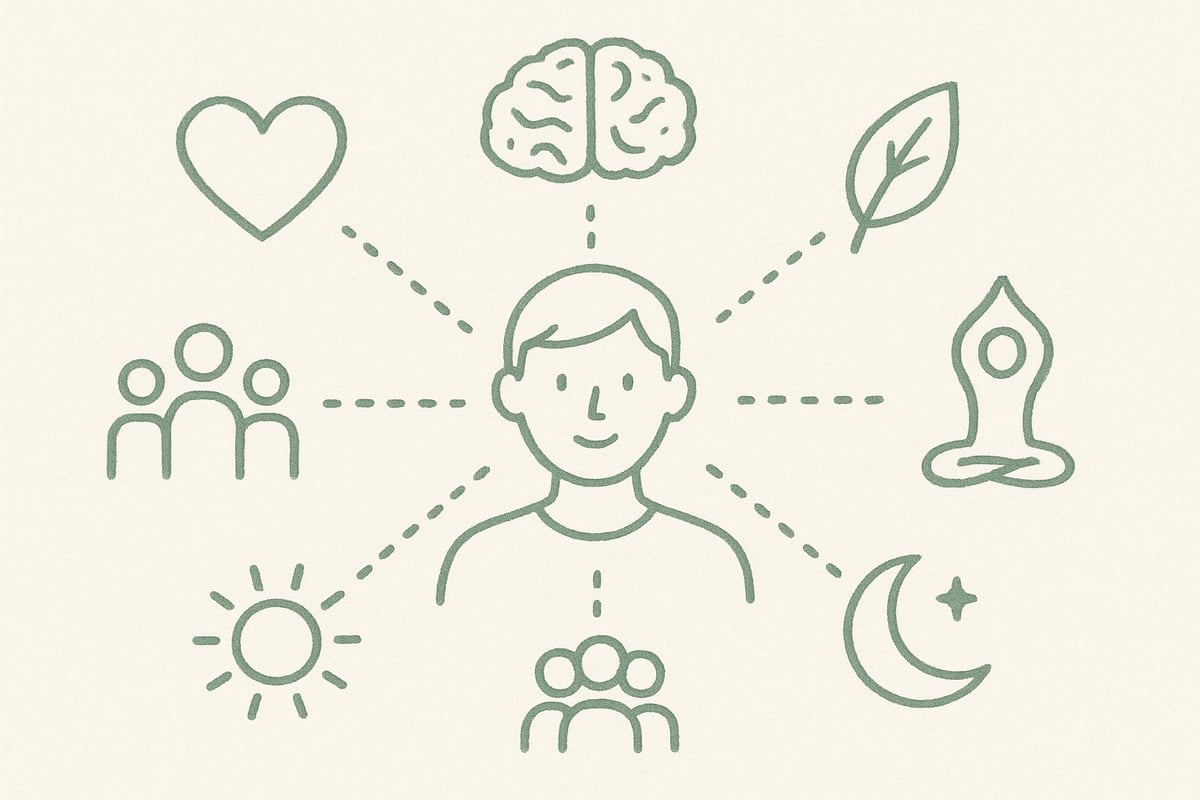
Embarking on a holistic lifestyle for beginners involves understanding how every part of your well-being connects. Unlike conventional wellness, which often isolates issues, holistic living weaves together physical, mental, emotional, and spiritual health. This whole-person approach is about nurturing balance, not just treating symptoms. If you want a deeper dive, explore Holistic health and wellness insights as a starting point.
Defining Holistic Living
A holistic lifestyle for beginners means approaching health as a combination of mind, body, and spirit. Unlike traditional wellness, which may focus on treating problems as they arise, holistic living emphasizes whole-person care. This mindset fosters harmony among all aspects of well-being and seeks to prevent issues before they start, making it a sustainable path to health.
Key Principles and Philosophies
The core philosophy of a holistic lifestyle for beginners centers on interconnectedness. Choices in one area impact all others. Prevention is prioritized over quick fixes, and the focus is on identifying root causes rather than just managing symptoms. Many global traditions, such as Ayurveda and Traditional Chinese Medicine, inspire these principles, highlighting balance and long-term vitality.
The Science Behind Holistic Health
Research shows that adopting a holistic lifestyle for beginners can help prevent chronic diseases. Studies from the CDC and WHO reveal that up to 80 percent of heart disease and diabetes cases are linked to lifestyle factors. Mind-body practices, validated by institutions like Harvard Health and the NIH, demonstrate measurable improvements in mental and physical health outcomes.
Benefits of a Holistic Approach
Choosing a holistic lifestyle offers far-reaching benefits. People often experience increased energy, stronger immunity, and greater resilience. Mental clarity and emotional balance improve, while long-term disease risk drops. For example, participants in holistic programs report lower stress levels and better sleep quality, illustrating how a balanced approach can transform daily life and health over time.
Common Misconceptions
Some believe holistic means anti-science or that it is only for the wealthy. In reality, holistic living is adaptable, evidence-informed, and accessible. It is not about rejecting medical advances but about complementing them with lifestyle choices. Anyone can start, regardless of budget or background, and benefit from integrating small, sustainable changes into their routine.
Who Should Consider a Holistic Lifestyle?
A holistic lifestyle for beginners is ideal for those seeking prevention, sustainable health, or support with chronic conditions. Families wanting to build healthy habits, and individuals facing burnout or stress, may find this approach especially beneficial. The flexibility of holistic living means it can be tailored to any age, background, or health goal.
The 2025 Perspective: Trends and Innovations
Looking ahead, holistic living is being shaped by new trends. Digital health apps and remote wellness communities are making support more accessible. Healthcare systems are increasingly integrating holistic practices. Telehealth and personalized wellness programs are expanding, reflecting a future where holistic approaches play a central role in mainstream health and well-being.
The Core Pillars of Holistic Living
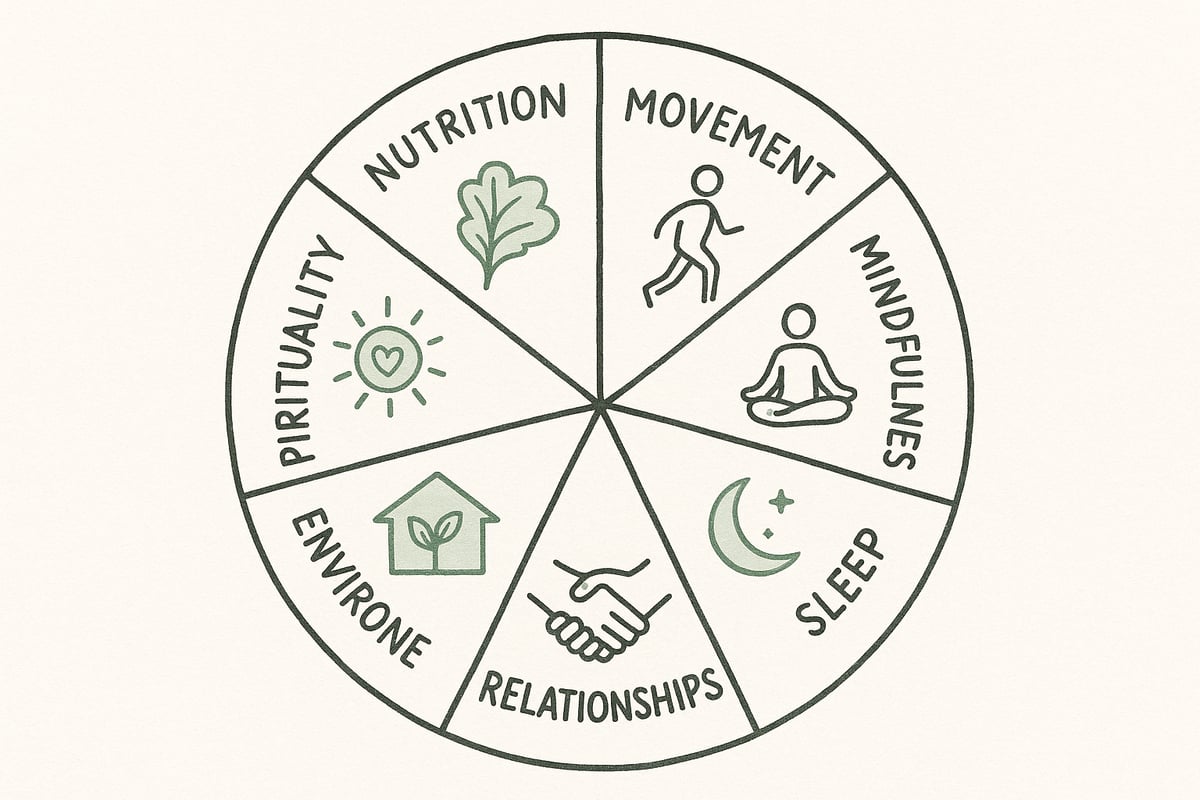
Unlocking a holistic lifestyle for beginners starts with understanding its foundational elements. These pillars create a balanced framework for mind, body, and spirit. Each one supports your journey, offering practical entry points for lasting transformation.
Nutrition and Nourishment
Nutrition is the cornerstone of a holistic lifestyle for beginners. Focusing on whole foods, such as fruits, vegetables, lean proteins, and healthy fats, supports energy and disease prevention. Processed foods often introduce excess sugars and additives, which can undermine wellness goals.
Anti-inflammatory diets and gut health are central themes. Diets like plant-based and Mediterranean are linked to reduced inflammation. In fact, a 2024 study found plant-rich diets lower inflammation by 30 percent. For more guidance, explore Nutrition and lifestyle basics for practical tips and meal ideas.
Movement and Physical Activity
Movement is vital for every holistic lifestyle for beginners. Physical activity extends beyond the gym. Daily movement—such as walking, stretching, or yoga—improves circulation and mood.
Incorporate variety: combine aerobic exercise, strength training, and mindful practices like functional movement. The World Health Organization recommends 150 minutes of moderate activity weekly for adults. This balanced approach helps prevent chronic diseases and builds resilience.
Mindfulness and Mental Wellbeing
A holistic lifestyle for beginners always includes mindfulness. Mind-body practices like meditation, breathwork, and journaling foster emotional stability and focus.
Mindfulness-based programs have been shown to reduce stress by 25 percent, according to a 2022 JAMA study. These routines can also ease symptoms of anxiety and depression. Even five minutes of daily mindfulness can build resilience and improve your mental outlook.
Rest, Sleep, and Recovery
Rest is essential in holistic living. Good sleep hygiene—consistent bedtimes, limiting screens, and a calming routine—promotes deep rest and hormone balance.
Sleep impacts immunity and emotional regulation. The CDC reports that one in three adults does not get enough sleep, increasing the risk for chronic illness. Prioritizing rest helps your body repair, recharge, and maintain overall health.
Relationships and Social Connection
Connection is key in any holistic lifestyle for beginners. Social support influences physical and mental health outcomes. Nurturing positive relationships and setting healthy boundaries build a strong support system.
Studies reveal that strong social ties are linked to a 50 percent greater chance of survival. Seek out communities, friends, or groups that share your wellness values for encouragement and accountability.
Environmental Wellness
Your environment shapes your holistic journey. Creating a toxin-free home, reducing digital distractions, and spending time in nature all support well-being.
Exposure to green spaces can lower stress and improve mood. Simple changes like opening windows for fresh air or adding plants can make your living space healthier and more inviting.
Spirituality and Purpose
Cultivating spirituality and a sense of purpose is transformative in a holistic lifestyle for beginners. Practices such as gratitude journaling, nature walks, or quiet reflection foster deeper meaning.
Research shows that having a sense of purpose increases longevity and happiness. Blue Zones, known for high rates of centenarians, emphasize purposeful living as a foundation for lifelong wellness.
Step-by-Step: How to Start Your Holistic Lifestyle Journey in 2025
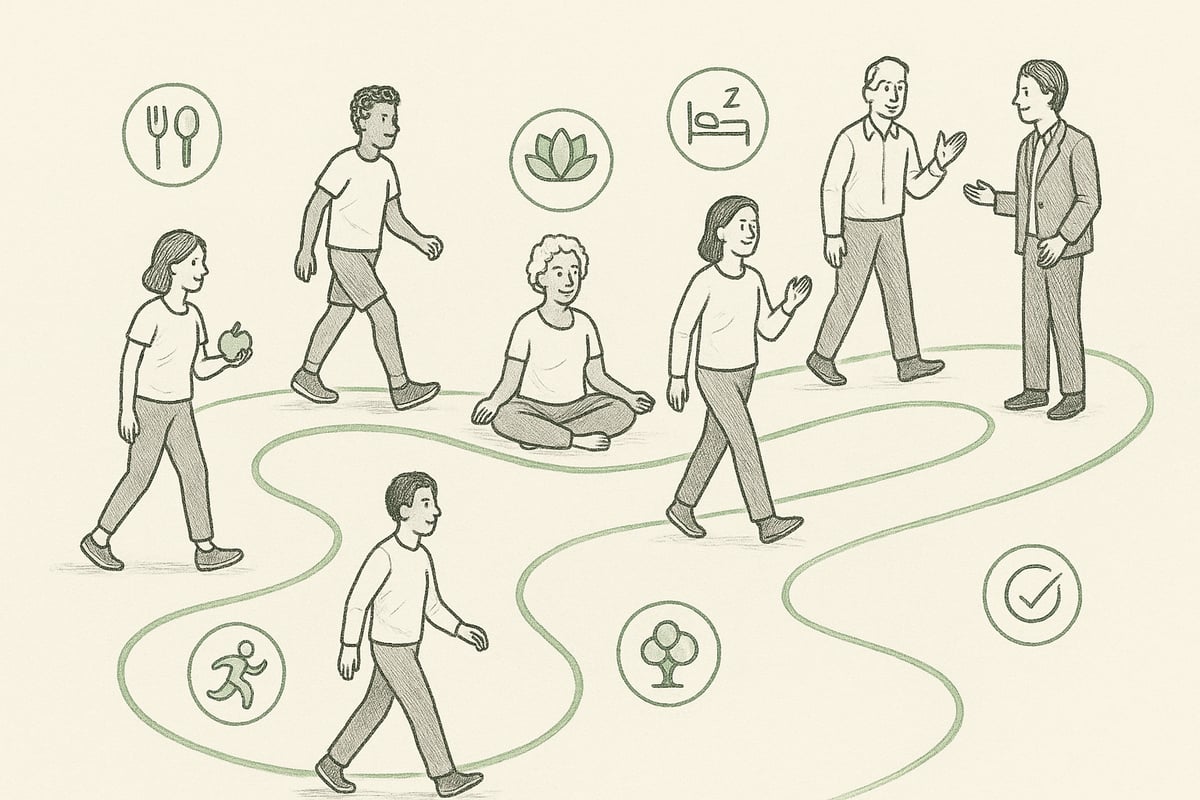
Embarking on a holistic lifestyle for beginners in 2025 can feel both exciting and overwhelming. The good news is, you do not have to make drastic changes overnight. By following a structured, step-by-step roadmap, you can build lasting habits that nourish every aspect of your well-being. Here is how to get started, one practical step at a time.
Step 1: Self-Assessment and Goal Setting
The first step in embracing a holistic lifestyle for beginners is honest self-reflection. Take time to assess your current habits, energy levels, stressors, and health priorities. Consider using tools like wellness wheels, personal journals, or online quizzes to clarify where you want to improve.
Set specific, measurable, achievable, relevant, and time-bound (SMART) goals for your holistic journey. For example, you might aim to walk for 20 minutes daily or reduce screen time before bed. Starting with clear intentions creates a strong foundation for lasting change. For a more detailed roadmap, explore this Beginner holistic makeover guide.
Step 2: Building Your Holistic Foundation
Once you have set your goals, it is time to choose one pillar of holistic living to focus on first. Many people begin with nutrition, movement, or mindfulness, as these areas often offer the quickest wins. Remember, a holistic lifestyle for beginners flourishes with consistency, not perfection.
Start small, such as adding one plant-based meal per week or practicing mindful breathing every morning. Research shows it takes about 21 days to form a new habit, so give yourself time to adapt. Over time, layer in new habits as each becomes second nature.
Step 3: Designing a Supportive Environment
Your surroundings play a major role in shaping your daily habits. To support your holistic lifestyle for beginners, create a home and workspace that promotes wellness. Start by decluttering, reducing exposure to toxins, and ensuring your space feels peaceful and inviting.
Consider simple changes like using air purifiers, choosing natural cleaning products, or setting up a designated relaxation corner. A digital detox, such as limiting blue light exposure in the evening, can also improve your sleep and focus.
Step 4: Integrating Mind-Body Practices
Mind-body techniques are essential for managing stress and enhancing resilience. For holistic lifestyle for beginners, daily routines might include meditation, gentle yoga, breathwork, or mindful eating. These practices can be as simple as five minutes of guided breathing or stretching.
Free resources are widely available, including apps, YouTube channels, and podcasts. Try different approaches to find what suits your routine and preferences. Even short, consistent practices can yield noticeable improvements in mood and clarity.
Step 5: Building Your Wellness Community
Support and accountability are crucial for maintaining motivation. Seek out friends, family, or online groups who share your values. For those pursuing a holistic lifestyle for beginners, joining a wellness community can provide encouragement, tips, and shared experiences.
Consider participating in virtual wellness challenges, attending local meetups, or connecting in online forums. A strong support network helps you stay on track and makes the journey more enjoyable.
Step 6: Tracking Progress and Adjusting
Monitoring your growth keeps you motivated and helps you adjust your approach as needed. For a holistic lifestyle for beginners, use journals, wellness apps, or wearable devices to log your habits and celebrate milestones.
Weekly check-ins allow you to reflect on what is working and where you might need to pivot. Habit stacking—linking new habits to existing routines—can make changes more sustainable. Remember to acknowledge every small victory along the way.
Step 7: When to Seek Professional Guidance
Sometimes, self-guided efforts might not be enough, especially if you face ongoing health challenges or feel stuck. It is wise for holistic lifestyle for beginners to consult with professionals such as integrative health coaches, nutritionists, or naturopathic doctors.
A qualified expert can provide personalized advice, help you navigate obstacles, and ensure your plan is safe and effective. Do not hesitate to reach out for support when needed, as professional guidance can accelerate your progress.
Common Pitfalls and How to Avoid Them
Starting a holistic lifestyle for beginners is exciting, but common pitfalls can derail even the most motivated individuals. By understanding these challenges, you can set yourself up for long-term success and avoid frustration on your wellness journey.
Overwhelm and Information Overload
Many people feel overwhelmed when starting a holistic lifestyle for beginners. With endless advice, trends, and wellness products, it is easy to get lost in information. Trying to change everything at once can lead to burnout or giving up entirely.
To avoid overload, choose one area to focus on first, such as nutrition or mindfulness. Set small, realistic goals. Remember, gradual progress is more sustainable than a complete overhaul overnight.
Falling for Fads and Misinformation
In the world of holistic lifestyle for beginners, flashy trends and miracle cures often grab attention. Unfortunately, not all advice is evidence-based. Social media can spread misinformation quickly, leading to wasted time or even harm.
Always check sources before adopting new practices. Rely on reputable organizations and peer-reviewed studies. If something sounds too good to be true, it probably is. Building a solid foundation takes time and discernment.
Inconsistency and Lack of Accountability
One of the biggest challenges in a holistic lifestyle for beginners is maintaining consistent habits. Life gets busy, motivation fluctuates, and it is easy to slip back into old routines.
Creating accountability can help. Track your progress in a journal or app, or partner with a friend. For additional support, explore Mindfulness for mental wellbeing resources to strengthen your mental resilience and stay on track.
Neglecting One or More Pillars
Focusing only on diet or exercise is a common mistake in a holistic lifestyle for beginners. True holistic health requires balance across all pillars: nutrition, movement, rest, relationships, environment, and purpose.
Review your habits regularly. Are you prioritizing sleep? Are you maintaining social connections? Strive for a balanced approach to support your overall well-being.
Ignoring Personalization
A holistic lifestyle for beginners is not one-size-fits-all. What works for someone else may not fit your needs, schedule, or values. Ignoring your unique preferences can make wellness feel like a chore.
Adapt practices to suit your life. Experiment with different routines, foods, or relaxation techniques. Listen to your body and adjust as needed for sustainable progress.
Unrealistic Expectations and Perfectionism
Many expect instant results when adopting a holistic lifestyle for beginners. Perfectionism and impatience can lead to disappointment or quitting altogether.
Focus on progress, not perfection. Celebrate small wins, such as cooking one healthy meal or meditating for five minutes. Each step forward reinforces your commitment and builds momentum.
Example Scenarios and Solutions
Imagine someone who tries every trend at once, only to burn out after a month. Or someone who never asks for support and struggles in isolation. These scenarios are common in a holistic lifestyle for beginners.
According to Forbes Health, 65 percent of people quit new wellness routines within three months. Avoid this by taking small steps, seeking community, and celebrating your achievements along the way.
Essential Resources and Tools for Holistic Living in 2025
Adopting a holistic lifestyle for beginners can feel overwhelming without the right resources. In 2025, a vast ecosystem of tools supports your journey, from expert-led books and digital trackers to thriving communities and professional guidance. Below, discover curated essentials to help you confidently build a holistic lifestyle for beginners, no matter your starting point.
Books, Podcasts, and Online Courses
Learning is the foundation of a successful holistic lifestyle for beginners. Start with beginner-friendly books that demystify holistic principles, such as "How to Be Well" by Dr. Frank Lipman or "The Blue Zones Solution" by Dan Buettner.
Podcasts like "The Doctor’s Farmacy" and "Mindbodygreen" deliver expert interviews, practical tips, and the latest wellness research. Online courses—both free and paid—offer step-by-step guidance on nutrition, mindfulness, and holistic self-care.
To stay ahead, explore Holistic Health Trends to Watch in 2025 for insights on emerging topics and innovative resources. Engaging with these materials builds your knowledge base and keeps you motivated.
Digital Apps and Trackers
Technology plays a vital role in the holistic lifestyle for beginners. Wellness apps help track nutrition, movement, sleep, and meditation habits with ease. Popular options include MyFitnessPal for meal logging, Headspace and Insight Timer for meditation, and sleep trackers like Sleep Cycle.
Microinterventions, such as sensory-driven reminders, are gaining traction as effective preventive tools. For more on this approach, see Sensory-driven microinterventions for improved health and wellbeing. Many apps allow you to set daily intentions, monitor progress, and receive actionable feedback—making holistic living more achievable.
Community and Support Networks
No holistic lifestyle for beginners is complete without a support network. Finding like-minded individuals boosts accountability and helps you stay inspired. Local meetups, such as those on Meetup.com, foster in-person connections, while Facebook groups and wellness forums offer 24/7 online support.
Look for groups focused on holistic wellness, nutrition, or mindfulness. Accountability partners keep you motivated, and shared experiences make challenges less daunting. Building community is a proven strategy for lasting change.
Professional Guidance: When and How to Seek Help
Sometimes, the holistic lifestyle for beginners requires expert input. Holistic health practitioners, integrative coaches, and therapists provide tailored advice, helping you navigate complex health concerns.
When seeking a professional, check for certifications, client reviews, and alignment with your values. A qualified guide can help you personalize your plan, overcome obstacles, and celebrate progress. Investing in professional support can accelerate results and safeguard your wellbeing.
Holistic Health Products and Supplements
Choosing safe, effective products is crucial for a holistic lifestyle for beginners. Focus on supplements and wellness products that are third-party tested, such as those certified by NSF International or ConsumerLab.
Avoid products with miracle claims or unclear ingredients. When in doubt, consult a practitioner before adding new supplements to your routine. A simple, evidence-based approach protects your health and investment.
Holistic Family Practice: Your Partner for Holistic Health
For those ready to take their holistic lifestyle for beginners to the next level, Holistic Family Practice offers comprehensive support. Their services include both virtual and in-person consultations, personalized care plans, and ongoing education.

With a science-based, whole-person philosophy, this practice empowers individuals and families to achieve sustainable wellness. Free discovery calls and public health webinars make starting simple and accessible. Their commitment to education and community ensures you are never alone on your journey.
The Future of Holistic Living: Trends to Watch in 2025
The landscape of wellness is rapidly evolving, offering more opportunities for those interested in a holistic lifestyle for beginners. As we look ahead, new technologies, science-backed personalization, and global influences are shaping a future where whole-person health is more accessible than ever. Here’s a look at the key trends that will define holistic living in 2025.
Digital Wellness and Telehealth Expansion
Digital wellness tools are set to become essential for anyone starting a holistic lifestyle for beginners. Virtual consultations and remote health tracking are breaking down barriers, making expert guidance accessible from any location.
In 2024, telehealth usage rose by 38 percent, reflecting increased demand for flexible, personalized care. Wearable devices and health apps now empower users to monitor everything from heart rate variability to sleep patterns in real-time. This not only supports daily habits but also connects people with holistic practitioners who can provide tailored advice.
For those seeking the latest innovations, resources like Health and Wellness Trends 2025: 7 Powerful New Hacks offer insights into new digital methods and biohacking strategies. These advancements are making it easier for beginners to track progress and stay motivated on their wellness journey.
Personalized and Precision Wellness
The future of holistic lifestyle for beginners is all about precision. Advances in genetic and microbiome testing now enable deeply individualized wellness plans, moving beyond generic advice.
With these tools, users can discover how their unique biology interacts with nutrition, exercise, and lifestyle choices. Imagine receiving a diet plan designed for your specific gut health, or a fitness regimen tailored to your DNA. Data-driven wellness is not just a trend—it’s becoming the new standard.
Personalized recommendations help beginners avoid the overwhelm of one-size-fits-all solutions. As a result, individuals are more likely to stick with habits that truly serve their long-term health and happiness.
Integration with Mainstream Healthcare
Holistic living is no longer on the fringe. In 2025, more hospitals and clinics are adopting integrative health services, making it easier for beginners to explore holistic options alongside conventional medicine.
A recent survey found that 42 percent of US hospitals now offer integrative modalities such as acupuncture, nutrition counseling, and mind-body therapies. This shift reflects growing recognition of the value in treating the whole person, not just symptoms.
For those new to holistic lifestyle for beginners, this integration means greater access to credible professionals, evidence-based practices, and coordinated care. It’s an exciting step toward a more unified approach to health.
Cultural and Global Influences
Holistic lifestyle for beginners is being enriched by a tapestry of global wellness traditions. Practices from Ayurveda, Traditional Chinese Medicine, and indigenous healing systems are gaining popularity in Western contexts.
This cultural exchange is fostering a more inclusive, adaptable approach to well-being. Cross-cultural wellness retreats, online courses, and fusion therapies are now widely available, making it easier for newcomers to find practices that resonate with their personal values.
As these traditions become mainstream, they offer fresh perspectives and time-tested wisdom for anyone embarking on a holistic journey in 2025.
Environmental and Social Responsibility
Environmental wellness is a core pillar of holistic lifestyle for beginners. In 2025, there is a growing demand for eco-friendly products, sustainable living, and community-based wellness initiatives.
Exposure to green spaces is increasingly recognized for its impact on mental health. Studies, such as the one on urban greenery and mental wellbeing in adults, highlight the importance of nature for stress reduction and emotional balance. Community gardens, toxin-free homes, and digital detox strategies are all part of this evolving trend.
By prioritizing both personal and planetary health, individuals can foster resilience and create lasting change for generations to come.
The Rise of Holistic Communities and Education
Connection and education are vital for sustaining a holistic lifestyle for beginners. The rise of both online and in-person wellness communities is providing spaces where individuals can learn, share, and grow together.
Enrollment in holistic health courses increased by 30 percent in 2024, reflecting a surge in interest for credible, structured learning. Certification programs, webinars, and local workshops are making holistic education more accessible than ever.
These communities offer much-needed support and accountability, helping beginners stay motivated and inspired. By joining these networks, individuals lay a strong foundation for lifelong wellness.
As you begin your holistic lifestyle journey, remember that real change starts with small, intentional steps and a supportive community. You do not have to navigate this path alone—connecting with others who share your goals can make all the difference. By joining our holistic community, you will get access to expert guidance, fresh resources, and updates tailored for beginners just like you. It is a space where you can ask questions, celebrate progress, and find ongoing encouragement as you build healthier habits for 2025 and beyond. Ready to take the next step? Join Our Holistic Community for Updates