In 2025, more people worldwide are seeking ways to connect mind, body, and spirit for better health. As fragmented self-care falls short, the demand for whole-person wellness is at an all-time high.
Did you know the global wellness market now exceeds $4.5 trillion, reflecting this surge in interest? Choosing a holistic lifestyle can bring greater energy, resilience, and satisfaction to your daily life.
This article will guide you through nine practical steps to adopt a holistic lifestyle in 2025. Ready to transform your wellbeing? Explore these actionable strategies and discover a more mindful, balanced approach to living.
What Is a Holistic Lifestyle?
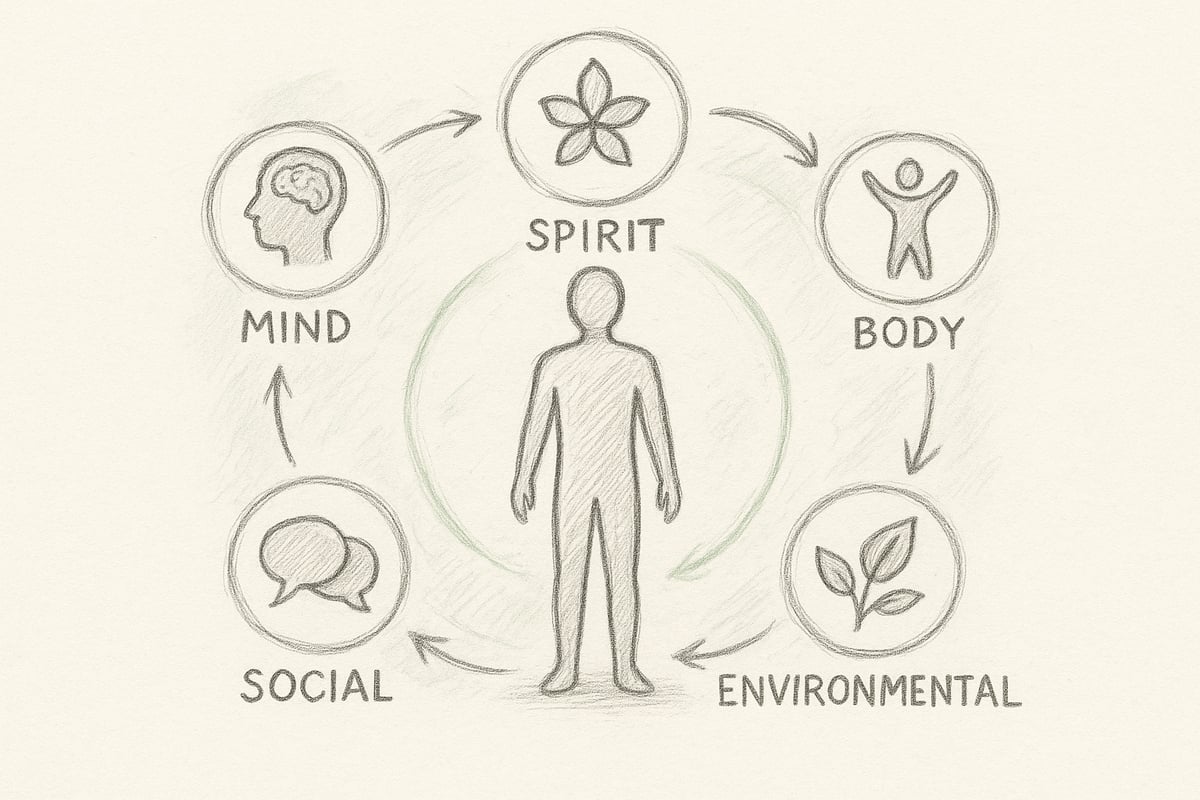
A holistic lifestyle is rooted in the belief that every aspect of our being—mind, body, and spirit—functions as a unified whole. Unlike conventional approaches that often address health in isolated parts, a holistic lifestyle recognizes that these domains are deeply interconnected.
Imagine neglecting your mental health for too long. Over time, anxiety or chronic stress can manifest physically as headaches, digestive issues, or fatigue. This example shows how imbalance in one area can ripple out, impacting the entire system.
A core tenet of the holistic lifestyle is balance. True wellness comes from nurturing not just the body, but also emotional, mental, social, and spiritual wellbeing. This approach goes beyond symptom management, focusing on harmony and prevention.
The world is increasingly recognizing the value of this philosophy. Consumer interest in holistic health is soaring, with the global wellness market surpassing $4.5 trillion. This surge reflects a growing desire for integrated, sustainable approaches to living well.
Defining Holistic Living
At its core, a holistic lifestyle means viewing health as a dynamic interplay between all parts of life. Instead of compartmentalizing, it considers how nutrition, movement, sleep, relationships, and even purpose contribute to the whole.
This approach is distinct from conventional healthcare, which may focus on treating symptoms in isolation. Holistic living asks: what is the root cause? How does your environment, mindset, or community play a role?
For example, someone experiencing chronic fatigue might look beyond physical symptoms. They could explore emotional stressors, sleep habits, and social support, addressing each for true restoration.
Balance is essential. If you focus only on physical fitness but ignore emotional needs, overall health can suffer. The holistic lifestyle encourages nurturing every domain for lasting wellbeing.
Benefits of Embracing Holism
Embracing a holistic lifestyle offers tangible and profound benefits. People often report improved overall wellbeing and greater resilience against life's challenges.
This approach empowers individuals to prevent chronic diseases through thoughtful lifestyle choices. By prioritizing nutrition, movement, and stress management, you support your body's natural ability to heal and thrive.
Holistic living also enhances self-awareness and emotional intelligence. As you tune into your body's signals and emotions, you make more informed, compassionate choices.
A deeper connection to yourself, others, and the environment often emerges. Families and individuals who adopt holistic practices frequently describe transformative results, such as improved relationships, better energy, and a renewed sense of purpose.
Common Myths and Misconceptions
Despite its growing popularity, several myths persist about the holistic lifestyle. One common belief is that it is "all or nothing," but in reality, holistic living is highly adaptable. You can start small and build habits over time.
Another misconception is that holistic approaches are expensive or complicated. Many practices—like mindful breathing or eating more whole foods—are accessible to everyone.
Some skeptics question the scientific basis of holistic living. Yet, practices such as mindfulness and functional nutrition are now widely accepted and supported by research.
Ultimately, a holistic lifestyle is not about perfection. It is about making intentional choices, integrating different aspects of wellbeing, and finding what works best for you.
9 Ways to Embrace a Holistic Lifestyle in 2025
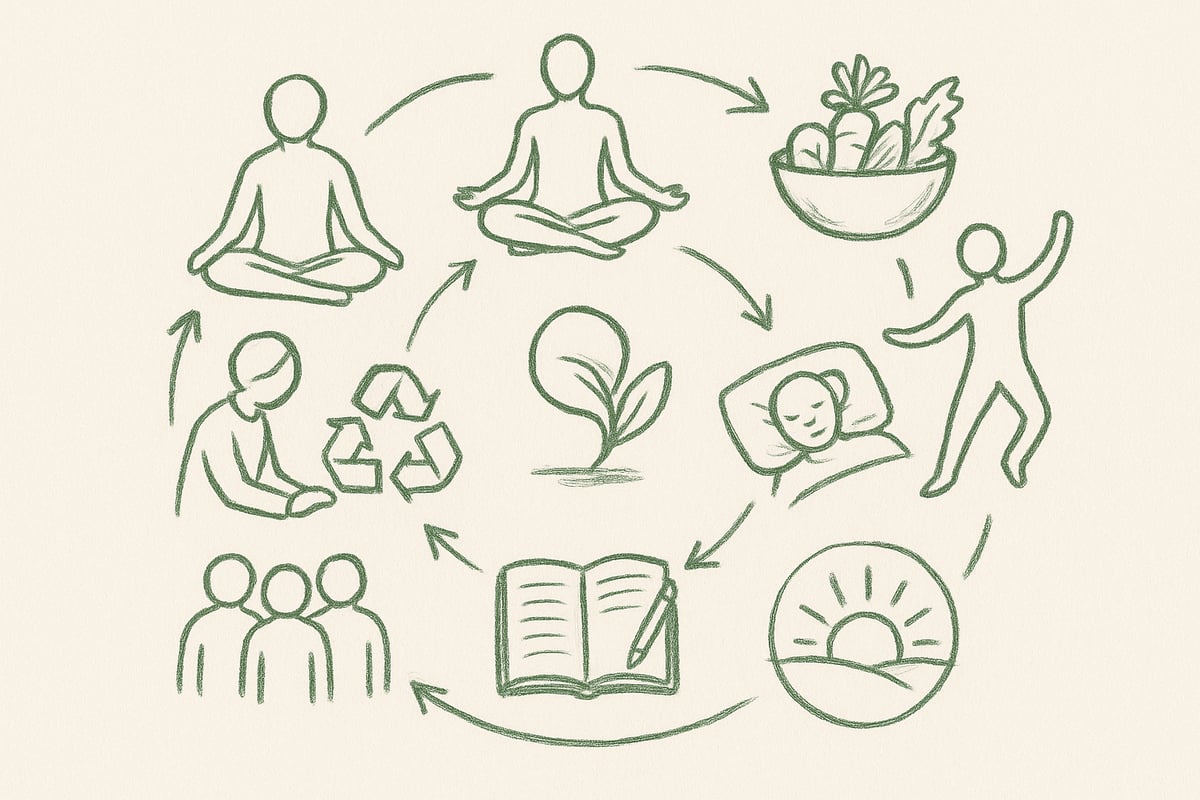
Adopting a holistic lifestyle in 2025 means more than just tweaking your habits. It involves a shift in mindset and actions that support your entire being—mind, body, and spirit. Below, you’ll find nine actionable strategies to help you thrive in the modern world, blending science, tradition, and mindful living.
1. Prioritize Mindfulness and Daily Presence
Mindfulness sits at the core of a holistic lifestyle, offering a transformative way to experience each moment. By practicing mindfulness techniques—such as meditation, breathwork, and mindful eating—you can create space for clarity and calm.
Integrate micro-moments of presence throughout your day. Try mindful commuting, pausing to notice your breath during meetings, or setting digital detox periods. In 2025, innovative apps and digital mindfulness tools make it easier than ever to access guided practices and reminders, even for those with demanding schedules.
The benefits of regular mindfulness are profound. Research shows that consistent mindfulness practice can decrease anxiety by 30 percent. This reduction in stress not only enhances your mental state but also creates a ripple effect, supporting your physical and emotional health.
If you’re new to mindfulness or short on time, start small:
- Set a timer for one minute of deep breathing.
- Practice gratitude during meals.
- Use a mindfulness app for short guided meditations.
A holistic lifestyle is about progress, not perfection. With each mindful moment, you nurture greater focus, resilience, and emotional regulation.
2. Eat for Whole-Body Wellness
Nutrition forms the foundation of a holistic lifestyle. Emphasize plant-forward, nutrient-dense foods, and choose minimally processed options to fuel your body and mind. The mind-gut connection is more evident than ever, with gut health shown to influence mood, immunity, and cognitive function.
Opt for seasonal, local, and organic produce when possible. This supports both your health and the environment. Mindful eating habits—like slowing down, savoring flavors, and listening to hunger cues—help you develop a more intuitive relationship with food.
Scientific evidence supports these choices. For instance, studies link Mediterranean-style diets with lower chronic disease risk, highlighting the power of whole, balanced meals. Hydration also plays a key role in a holistic lifestyle, as does mindful supplementation when needed.
To get started:
- Add more colorful vegetables to your plate.
- Drink water consistently throughout the day.
- Choose whole grains and healthy fats.
- Limit highly processed snacks.
Your holistic lifestyle thrives when your nutrition supports your whole self, from energy levels to emotional balance.
3. Move with Intention and Joy
Movement is a celebration of what your body can do, not a punishment. A holistic lifestyle reframes exercise as joyful and intentional, supporting both mental and physical health. Explore diverse practices, from yoga and tai chi to dance, walking, or functional fitness.
Find activities that bring you genuine pleasure. Movement “snacks” — short bursts of stretching or walking — can be woven into busy schedules. The mind-body connection is powerful. Physical activity releases endorphins, reduces stress, and supports emotional wellbeing.
Research supports these benefits. Regular physical activity reduces depression risk by up to 26%, making it a cornerstone of a holistic lifestyle. The key is sustainability—choose activities you look forward to, rather than forcing routines you dread.
Tips for joyful movement:
- Schedule short walks after meals.
- Try a new dance or movement class.
- Invite friends to join for accountability.
When movement fits seamlessly into your life, your holistic lifestyle becomes more vibrant and sustainable.
4. Cultivate Restorative Sleep and Relaxation
Quality sleep is essential for a balanced holistic lifestyle. Sleep hygiene practices—like maintaining a consistent bedtime and limiting blue light exposure in the evening—can make a significant difference in your health.
Modern challenges, such as digital overload and irregular schedules, often disrupt sleep. Solutions for 2025 include blue light blockers, smart tech to monitor sleep cycles, and calming evening rituals. Consider herbal teas, gentle stretching, or breathwork to wind down.
Sleep directly impacts your immune system, emotional health, and cognitive performance. Adults need 7 to 9 hours of sleep for optimal functioning, according to the CDC. Chronic stress and insomnia can undermine even the best holistic lifestyle intentions.
Simple steps to improve sleep:
- Set a tech-free curfew an hour before bed.
- Keep your bedroom cool and dark.
- Establish a winding-down routine.
By prioritizing restorative sleep, you reinforce the foundation of your holistic lifestyle, supporting every aspect of wellbeing.
5. Nurture Emotional and Mental Wellbeing
A holistic lifestyle prioritizes emotional and mental health as much as physical wellness. Cultivating emotional awareness, resilience, and self-compassion forms the backbone of inner strength. Journaling, therapy, and support groups are valuable tools for processing emotions and building coping skills.
Community and social connections play a vital role in mental health. In 2025, teletherapy and digital support networks make access to care more flexible and inclusive. Reducing stigma around seeking help empowers more people to prioritize emotional wellbeing within their holistic lifestyle.
Practical strategies for daily care:
- Start a gratitude journal.
- Connect with a mental health professional or support group.
- Practice self-compassion and positive self-talk.
Building these habits supports long-term resilience and self-awareness, deepening your commitment to a holistic lifestyle.
6. Build Meaningful Relationships and Community
Social health is a pillar of a holistic lifestyle. Meaningful relationships and a sense of community contribute to emotional stability, fulfillment, and even physical health. Foster connections through family rituals, volunteering, or group activities that align with your values.
Loneliness is a growing concern in the digital age, but technology also offers opportunities to build supportive networks. Digital communities and local meetups help you find likeminded individuals on a holistic lifestyle journey.
Research shows that strong social ties reduce stress and improve immune function. Investing in relationships is a powerful form of self-care.
Tips for nurturing connections:
- Schedule regular check-ins with loved ones.
- Join local clubs or online groups related to your interests.
- Practice active listening and presence in conversations.
With each connection, your holistic lifestyle is enriched, fostering greater wellbeing and resilience.
7. Create Sustainable and Eco-Conscious Habits
A holistic lifestyle recognizes the link between personal and planetary health. Eco-friendly living is not just a trend but a value that supports overall wellbeing. Simple steps like reducing waste, choosing sustainable products, and consuming mindfully protect both your body and the environment.
Spending time in nature—gardening, forest bathing, or outdoor exercise—offers proven benefits for mental and physical health. Environmental toxins can impact hormonal and mental balance, making mindful choices about your surroundings vital.
The rise of green technologies and eco-conscious products in 2025 makes sustainable living more accessible. Consider these practices:
- Use reusable bags and containers.
- Choose natural cleaning and personal care products.
- Spend time outdoors daily.
By weaving sustainability into your holistic lifestyle, you contribute to a healthier world for yourself and future generations.
8. Integrate Holistic Healthcare and Preventive Practices
A holistic lifestyle values both conventional and alternative healthcare. Regular check-ins with integrative practitioners help you address root causes, not just symptoms. Modalities like acupuncture, naturopathy, and functional medicine offer personalized support.
Prevention is central to holistic living. Screenings, lab tests, and health coaching help you catch imbalances early. In 2025, digital health platforms make tracking and guidance more convenient, empowering you to take charge of your health.
Tips for integrating care:
- Schedule annual wellness visits.
- Discuss both lifestyle and medical concerns with your provider.
- Use digital tools to monitor progress.
Finding qualified holistic providers ensures your care is evidence-based and tailored to your needs, reinforcing your holistic lifestyle.
9. Align with Your Purpose and Spirituality
Living a holistic lifestyle means connecting to your deeper purpose and values. Exploring spirituality—through meditation, prayer, time in nature, or creative expression—nourishes your sense of meaning and fulfillment.
Purpose-driven living has a measurable impact on health. Studies show that a strong sense of purpose is linked to reduced risk of heart disease and depression. Inclusive approaches ensure that everyone, regardless of belief system, can benefit from this dimension of a holistic lifestyle.
Tips for connecting to purpose:
- Reflect on your values and goals.
- Engage in practices that foster inner peace.
- Seek out communities or mentors who share your vision.
Aligning with your purpose brings clarity and joy, completing the circle of a holistic lifestyle.
Holistic Lifestyle Trends to Watch in 2025
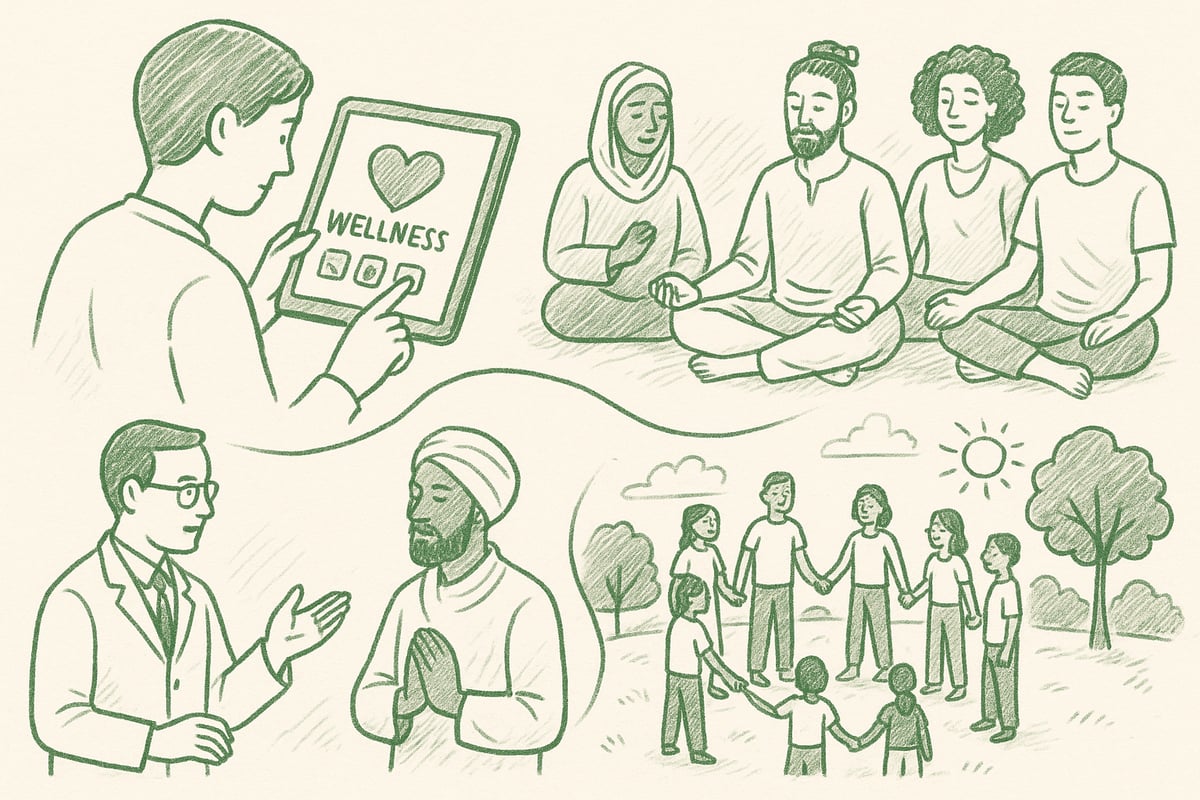
As the holistic lifestyle continues to gain momentum, 2025 promises exciting trends that will reshape how we approach wellbeing. Innovations in technology, deeper cultural inclusivity, and scientific validation are converging to make holistic living more accessible and effective for everyone.
Technology and Digital Wellness
Technology is transforming the holistic lifestyle by making wellness tools more accessible and personalized. In 2025, expect a surge in holistic health apps, wearable devices, and AI-driven platforms that provide tailored recommendations for sleep, nutrition, and mindfulness.
Remote patient monitoring and journaling apps are becoming essential for tracking holistic lifestyle habits. Digital communities also offer support and accountability, helping users stay engaged in their wellness journeys.
For those interested in exploring the latest digital wellness innovations, this resource offers up-to-date information on holistic technologies.
Decolonizing and Diversifying Holistic Health
The holistic lifestyle movement is embracing cultural inclusivity by honoring global wellness traditions. Afroindigenous, Asian, and other traditional healing practices are gaining recognition, enriching the holistic lifestyle with diverse perspectives.
Efforts to address systemic inequities are leading to more accessible holistic care. Community-driven wellness programs and collectives are making a positive impact, ensuring that holistic lifestyle benefits reach everyone.
By integrating traditional wisdom, the holistic lifestyle becomes more representative and empowering for all communities.
Science Meets Spirit: Evidence-Based Integrative Approaches
In 2025, the holistic lifestyle is increasingly supported by scientific research. Mind-body practices, functional medicine, and nutrition science are being validated through rigorous studies.
This evidence-based approach encourages a blend of academic rigor and practical strategies. As a result, more people are adopting holistic lifestyle habits with confidence, knowing they are grounded in both tradition and science.
Blending science and spirit helps bridge the gap between conventional and holistic health, making the holistic lifestyle more mainstream.
Building Resilient, Connected Communities
Community is at the heart of a successful holistic lifestyle. Group-based programs, support circles, and peer mentoring are on the rise, fostering connection and resilience.
Both local and online communities are providing safe spaces for sharing experiences and learning new holistic lifestyle skills. These connections help individuals stay motivated and supported on their wellness path.
By building resilient, connected communities, the holistic lifestyle becomes a shared journey, enhancing wellbeing for all.
As you explore these nine pathways to holistic living, remember that true transformation happens when you connect with others who share your vision for balanced, mindful health. Whether you're just starting your journey or looking to deepen your practice, joining a supportive community can make all the difference. Here, you can ask questions, share wins, and stay inspired as holistic health trends continue to evolve. Ready to go beyond information and step into real-world change with like-minded people? You’re warmly invited to Join Our Holistic Community for Updates—let’s embrace wellness together in 2025 and beyond.