Imagine stepping into a holistic health center where your mind, body, and spirit are cared for as one. In 2025, these centers are transforming how we approach wellness, blending the best of modern science with time-honored healing traditions. This guide will show you how holistic health centers deliver lasting vitality, what services and therapies to expect, how to choose the right fit, the top trends shaping the future, and the steps to start your journey toward empowered, whole-person health.
What Is a Holistic Health Center?
A holistic health center is more than just a place for treatment. It is a sanctuary where the focus is on nurturing every aspect of your well-being. Here, care extends beyond physical ailments, embracing the mind, emotions, and spirit for a truly comprehensive approach.
Defining Holistic Health Centers
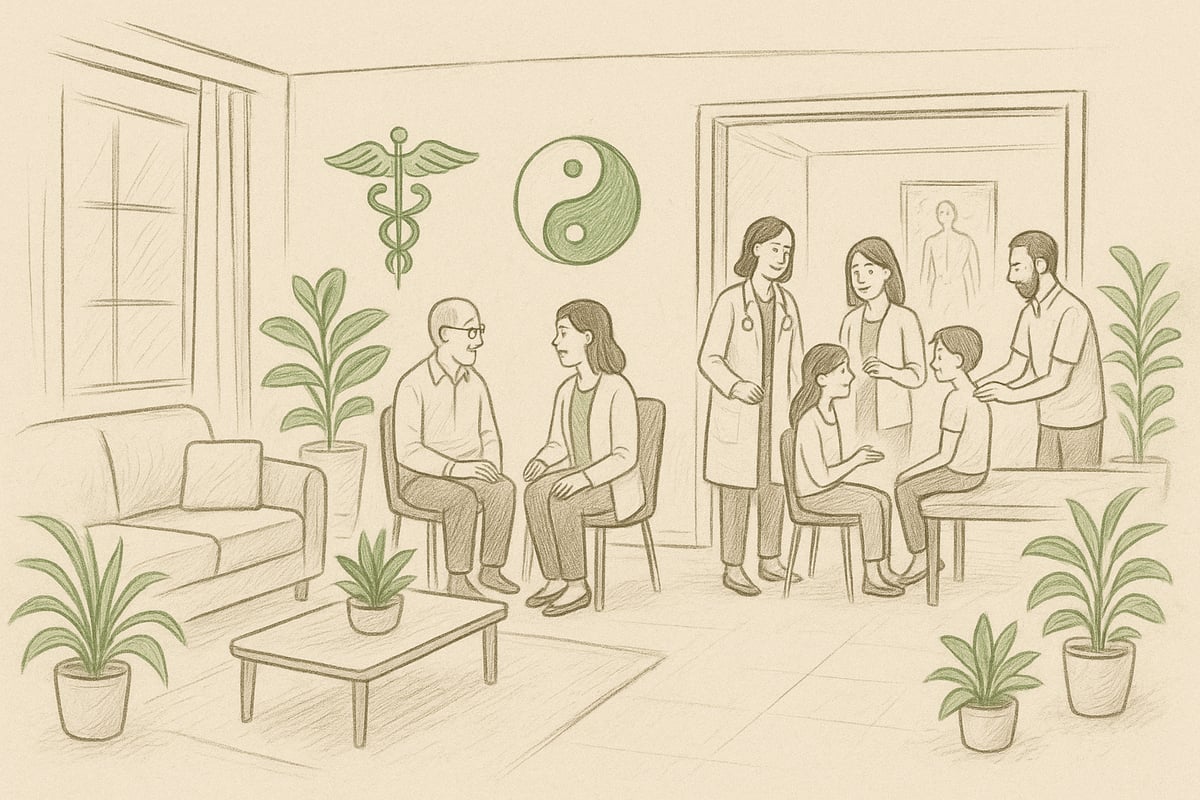
The philosophy behind a holistic health center is rooted in treating the whole person, not just isolated symptoms. This philosophy integrates physical, mental, emotional, and spiritual health to achieve balance and lasting wellness. By considering all aspects of life, these centers aim to uncover the root causes of illness rather than simply addressing surface issues.
Core principles at a holistic health center include prevention, personalization, and collaboration. Preventive care is prioritized, with practitioners working to identify imbalances before they become chronic problems. Every client receives a unique plan, tailored to individual needs and preferences.
Holistic health centers stand apart from conventional clinics in several ways. Instead of focusing solely on medication or isolated treatments, they offer a blend of modern science and time-honored healing practices. Common modalities include:
- Functional medicine consultations
- Naturopathy and herbal medicine
- Acupuncture and energy-based therapies
- Nutrition counseling and lifestyle coaching
- Mindfulness, meditation, and breathwork
To deliver this wide range of services, a holistic health center brings together interdisciplinary teams. You may encounter medical doctors, naturopathic physicians, nutritionists, mental health therapists, and wellness coaches working side by side.
For example, a new patient at a holistic health center might begin with an in-depth health assessment, including lifestyle, emotional well-being, and medical history. The care team then collaborates to develop a personalized plan combining dietary changes, stress management, acupuncture, and targeted supplements. Throughout the journey, the patient’s progress is monitored and the plan is refined to ensure optimal results.
Many of the therapies offered at these centers are part of the broader field of alternative medicine, which encompasses a variety of approaches outside mainstream Western medicine.
The Growing Demand for Holistic Care
Interest in holistic health centers has surged in recent years. According to the NIH, 37 percent of US adults used some form of complementary or alternative medicine in 2023. This growing demand is fueled by several factors.
The rise of chronic diseases is prompting many to seek out more personalized and proactive solutions. Dissatisfaction with conventional healthcare, where treatments can feel impersonal or fragmented, is another driver. People are searching for care that addresses their unique needs and empowers them to take charge of their wellness.
Cultural influences are also shaping the evolution of the holistic health center. There is a movement toward decolonizing wellness spaces, inviting a wider range of healing traditions and making care more inclusive. This shift recognizes the value of ancestral and community-based practices alongside scientific innovation.
In the wake of the COVID-19 pandemic, mental health and stress management services at holistic health centers have become especially popular. More individuals are seeking integrative approaches for anxiety, depression, and burnout, blending therapy with mindfulness and group support.
As these trends continue, the holistic health center is becoming a cornerstone for those who want to experience health in its fullest sense—body, mind, and spirit.
Core Services and Therapies Offered
At a holistic health center, services are designed to address the whole person. These centers combine clinical expertise, natural therapies, and community support to create a nurturing environment for healing and growth. Let us explore the main offerings you will find at a modern holistic health center.
Integrative Clinical Services
A holistic health center begins with comprehensive clinical assessments. Practitioners use detailed intake forms, lab testing, and advanced diagnostics to uncover root causes of health concerns. This approach focuses on prevention and the interconnectedness of physical, mental, and emotional well-being.
Key services typically include:
- Functional medicine consultations: Targeting the origins of illness, not just symptoms.
- Nutrition therapy: Personalized plans, nutrient optimization, and gut health protocols.
- Mind-body therapies: Yoga, meditation, and breathwork for stress relief.
- Energy medicine: Acupuncture, Reiki, and biofield therapies to balance vital energy.
- Herbal medicine and homeopathy: Evidence-based natural remedies.
- Digital health integration: Telemedicine, health apps, and remote monitoring.
For example, a holistic health center may combine lab data with tailored nutrition and mindfulness interventions to improve metabolic health. These centers stay up to date by integrating new modalities and trends, as seen in resources like Holistic Health Trends to Watch in 2025.
Community and Educational Programs
Education and community engagement are at the heart of every holistic health center. Group workshops empower participants with practical tools for detox, mindfulness, parenting, and chronic disease management. Wellness retreats offer immersive settings for deep transformation and relaxation.
Programs often include:
- Workshops: Covering stress management, nutrition, and holistic parenting.
- Retreats: Multi-day experiences focused on healing and self-discovery.
- Online education: Webinars, courses, and virtual support groups.
A holistic health center may run four-week group coaching programs to build stress resilience and foster lasting lifestyle changes. Online communities allow members to access expert guidance and connect with like-minded individuals from anywhere.
This blend of education and community creates a supportive atmosphere where each person’s wellness journey is valued.
Holistic Family Practice: Empowering Your Wellness Journey
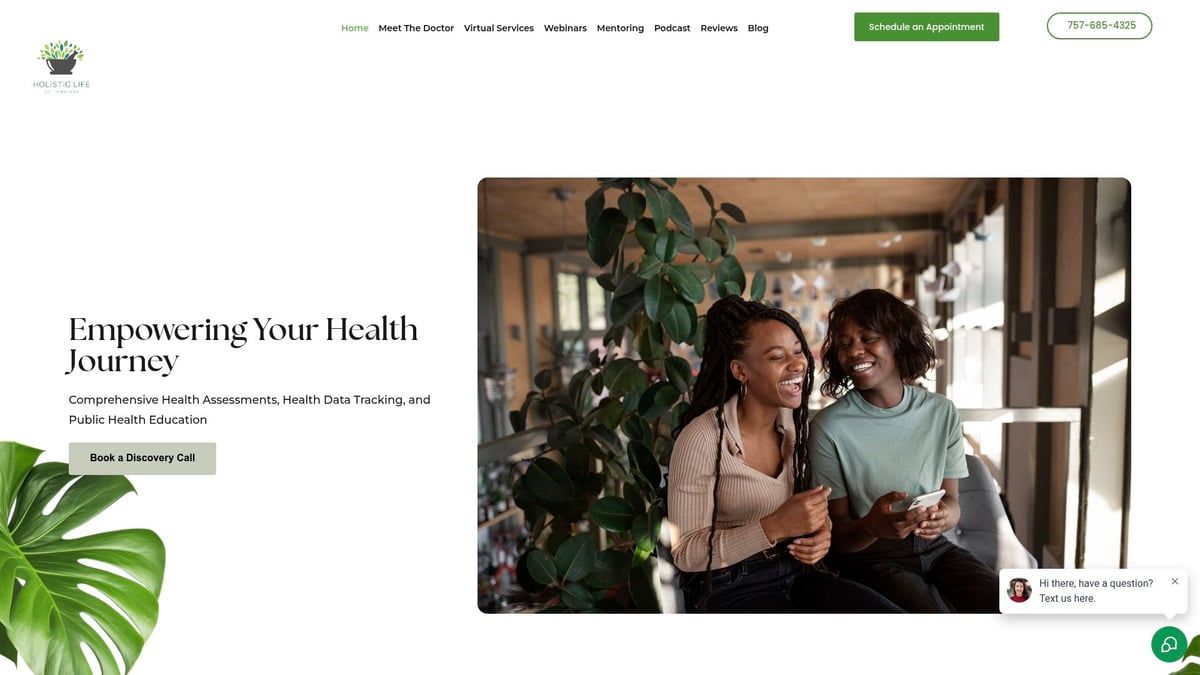
Holistic Family Practice serves as a model holistic health center, blending clinical care, education, digital tools, and community to support every stage of your health journey.
Distinctive features include:
- Patient-centered pathways: Choose self-guided, semi-managed, or fully managed care.
- Holistic Life App: Track your progress, access structured programs, and join support communities.
- Educational resources: Free courses, coaching certifications, and degree programs.
- Community-driven wellness: Participate in collectives, listen to podcasts, and receive ongoing support.
Imagine a family transitioning from conventional to holistic care. With expert guidance at a holistic health center, they receive a personalized care plan, benefit from group workshops, and gain access to digital resources that encourage sustainable change.
Holistic Family Practice demonstrates how a holistic health center can empower individuals and families to take charge of their well-being with confidence.
How to Choose the Right Holistic Health Center
Choosing the right holistic health center is a vital step toward meaningful, sustainable wellness. With so many approaches, philosophies, and services available, making an informed decision can feel overwhelming. By breaking down the process into clear steps, you can confidently select a center that aligns with your unique needs and values.
Assessing Your Needs and Goals
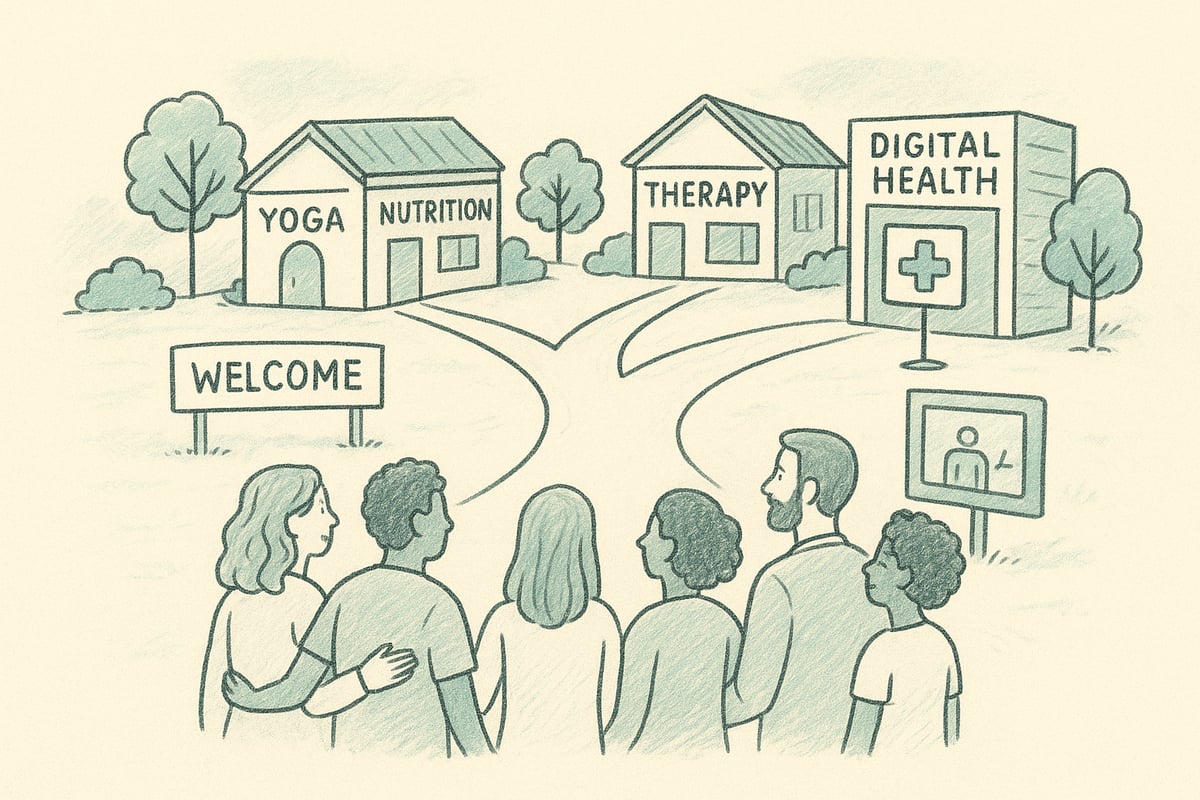
Start by identifying your primary health concerns and personal preferences. Are you looking for help with chronic conditions, stress management, or preventive care? Clarifying your goals will help you narrow down which holistic health center is best suited for your journey.
Reflect on your values and the type of care you prefer. Some centers focus on clinical interventions, while others emphasize group workshops, coaching, or mind-body therapies. Make a list of your priorities, such as nutrition guidance, integrative medicine, or spiritual support.
When evaluating a holistic health center, consider these key questions:
- What is the center’s approach to care? Do they integrate physical, mental, and spiritual health?
- What types of practitioners are available?
- Are personalized care plans offered?
- What support systems are in place for ongoing progress?
Decide if you want a center with a strong clinical foundation or one that leans toward community programs and lifestyle coaching. By matching your preferences and goals with a center’s strengths, you’re more likely to find a holistic health center that supports your wellness vision.
Credentials, Accreditation, and Reputation
Investigate the credentials and expertise of practitioners at each holistic health center. Look for licensed naturopathic doctors, board-certified integrative practitioners, nutritionists, and therapists with reputable backgrounds. These professionals should demonstrate ongoing education and commitment to evidence-based practice.
Accreditation matters. Seek out centers affiliated with recognized organizations or institutions in the holistic health field. For example, the American College of Healthcare Sciences sets high standards for education and professional training in holistic wellness, ensuring practitioners meet rigorous criteria.
Review testimonials, online ratings, and patient outcomes data to assess reputation. Centers that share case studies or success stories provide valuable insight into their impact. Ask about continuing education, professional memberships, and how the center incorporates the latest research into care plans.
Choosing a reputable holistic health center with strong credentials gives you confidence in the quality and safety of your care.
Accessibility, Technology, and Support
Consider practical factors when selecting a holistic health center. Is the location convenient, or do they offer virtual and hybrid care options? Many centers now provide telehealth appointments, remote monitoring, and digital health apps for tracking progress and communicating with your care team.
Access to technology can bridge gaps for those in rural areas or with busy schedules. Look for centers that offer robust digital platforms, such as secure messaging, online workshops, and virtual support groups. Community resources are also important, including forums, wellness events, and peer-led circles.
Here’s a quick comparison table to guide your decision:
| Feature | In-Person | Virtual | Hybrid |
|---|---|---|---|
| Practitioner Access | Yes | Yes | Yes |
| Group Programs | Yes | Yes | Yes |
| Digital Tools | Limited | Robust | Robust |
| Community Events | Local | Online | Both |
By prioritizing accessibility and support, you ensure your holistic health center experience is both effective and sustainable.
Holistic Health Trends for 2025
The holistic health center landscape is rapidly evolving as new trends shape the way we approach wellness. In 2025, centers are integrating innovation, inclusivity, and sustainability to provide comprehensive care that meets the needs of diverse communities. Staying informed about these trends can help you make empowered decisions for your own holistic health center journey.

Personalized and Data-Driven Wellness
Personalization is at the heart of every leading holistic health center in 2025. Advances in genetic testing, microbiome mapping, and wearable devices allow practitioners to craft highly tailored wellness plans. Imagine receiving nutrition and fitness advice based on your DNA or using a smart tracker that monitors your sleep, stress, and gut health in real time.
AI-powered algorithms now analyze patient data, identifying patterns and predicting risks before symptoms even arise. This data-driven approach enhances preventive care and empowers patients to make informed lifestyle choices. For example, a holistic health center might use lab data to design a unique metabolic reset program, combining specific foods, supplements, and mind-body practices for optimal results.
By focusing on the individual rather than a one-size-fits-all model, holistic health centers are revolutionizing the pursuit of vitality and longevity.
Integrative Mental Health and Emotional Wellbeing
Mental health is a cornerstone of holistic care, and in 2025, centers are pioneering new integrative therapies. Holistic health center teams now include counselors, mindfulness coaches, and trauma-informed practitioners who address anxiety, depression, and burnout through a blend of Western psychology and Eastern traditions.
Approaches such as mindfulness meditation, somatic experiencing, and expressive arts therapy are commonly offered. Group programs combine meditation, art, and coaching to help clients build emotional resilience. These therapies promote not only symptom relief but also deeper emotional healing and self-awareness.
Holistic health center experts recognize that mental and emotional wellbeing are inseparable from physical health. By supporting the mind and spirit alongside the body, they pave the way for sustainable transformation.
Decolonizing Wellness and Embracing Diversity
A significant trend in the holistic health center field is the movement toward decolonizing wellness and fostering inclusivity. Centers are increasingly integrating traditional and ancestral healing practices, acknowledging the wisdom of indigenous and multicultural approaches. This creates spaces where every individual feels seen and welcomed.
Efforts to address inequities in access are expanding. For example, some holistic health centers collaborate with a Free Clinic to reach underserved populations, offering culturally sensitive care and education. Wellness collectives now host Afroindigenous healing circles, language-accessible workshops, and peer support groups.
By honoring diversity and challenging systemic barriers, the holistic health center model becomes more accessible, equitable, and representative of all communities.
Sustainability and Eco-Conscious Practices
Environmental stewardship is a growing priority for every holistic health center in 2025. Facilities are adopting green building standards, installing solar panels, and creating on-site organic gardens to supply fresh produce for nutrition programs. Plant-based diets, herbal medicine, and locally sourced products are now standard offerings.
Many centers implement zero-waste policies and use biodegradable materials for treatments and packaging. These efforts reflect a commitment to planetary health as an extension of personal wellness. Patients are encouraged to take part in gardening, composting, and sustainability workshops.
This holistic approach ensures that the pursuit of wellbeing also benefits the earth, building a healthier future for all.
Community-Driven and Hybrid Models
Community engagement and flexible care models define the next generation of holistic health center services. In-person workshops, online courses, and virtual support groups foster a sense of belonging and accountability. Members can access programs from anywhere, making holistic care more convenient and inclusive.
Hybrid models blend clinical expertise with digital resources, such as health tracking apps and telemedicine consultations. Membership-based offerings provide ongoing education, live events, and peer forums. This approach nurtures long-term relationships between clients and practitioners, supporting sustained progress.
By combining technology, education, and community, the holistic health center continues to set the standard for integrative, empowering care in 2025.
Your Path to Wellness: Step-by-Step Guide
Embarking on your journey with a holistic health center can be transformative. This step-by-step guide is designed to help you navigate each stage, making your path to wellness clear and actionable.
Step 1: Self-Assessment and Goal Setting
Begin by reflecting on your current health and wellbeing. Consider your physical, emotional, and mental state. Journaling or using self-inventory checklists can clarify your goals.
Ask yourself: What do I want to achieve by joining a holistic health center? Are you looking for stress relief, chronic disease management, or overall vitality?
Online quizzes and health journals help identify patterns and areas for growth. Setting clear intentions ensures your journey aligns with your true needs.
Step 2: Research and Shortlisting Centers
Next, explore holistic health center options both locally and online. Compare their services, philosophies, and practitioner expertise.
Look for centers whose values resonate with yours. Does the approach emphasize integrative care and personalized attention?
Create a shortlist of three to five centers. Check their websites, read reviews, and note which modalities and therapies are available.
Step 3: Consultation and Evaluation
Reach out to your chosen holistic health center for an initial consultation or discovery call. Prepare to discuss your health history, lifestyle, and goals.
Expect intake forms, and possibly some lab work. Practitioners will collaborate with you to set meaningful, achievable objectives.
This step is vital for building trust and ensuring the center’s approach fits your needs. Ask questions about their team, philosophy, and success stories.
Step 4: Building Your Personalized Wellness Plan
Work closely with your holistic health center team to develop a tailored wellness plan. This may include clinical interventions, nutrition strategies, and mind-body practices.
Your plan should address root causes of health concerns, not just symptoms. Integrative practitioners may use a combination of lab data, dietary changes, and stress management techniques.
A personalized approach ensures your care evolves as your needs change, maximizing results over time.
Step 5: Engaging in Programs and Community
Participate in group workshops, wellness retreats, or online courses offered by your holistic health center. Community programs foster motivation and accountability.
Take advantage of support groups, virtual forums, and live events to connect with others on similar journeys. Shared experiences provide inspiration and practical tips.
Engagement in community activities enriches your experience and supports long-term change.
Step 6: Tracking Progress and Adjusting
Use health apps, journals, or regular check-ins with your holistic health center team to monitor your progress. Track changes in symptoms, energy levels, and overall wellbeing.
Review your plan regularly and make adjustments as needed. Flexibility is key to overcoming setbacks and maintaining momentum.
Continuous tracking helps you celebrate achievements and identify areas for further growth.
Step 7: Sustaining Wellness Long-Term
Long-term success at a holistic health center depends on building healthy routines and staying connected to your wellness community.
Prioritize habits that support your mind, body, and spirit. Attend periodic workshops or events to reinforce your commitment.
Many individuals find lasting transformation through ongoing support and shared learning. Your journey with a holistic health center can become a cornerstone of lifelong vitality.
As you take your first steps toward a more vibrant and balanced life, remember that a holistic approach means continuous learning and community support. We’ve explored how integrating clinical care, education, and digital resources can empower you to reclaim your health in 2025 and beyond. If you’re ready to stay connected, discover new holistic insights, and join others on the same path, I invite you to Join Our Holistic Community for Updates. Together, we can turn knowledge into action and create lasting wellness, one step at a time.