Interest in holistic healing classes is surging as more people seek personal transformation and well-being in 2025. With so many new options and approaches, understanding where to start can feel overwhelming for beginners.
This guide will demystify holistic healing classes by offering clear steps, expert advice, and essential resources tailored for those just beginning their journey. You will discover what holistic healing truly means, the types of classes available, how to choose the right class, what to expect as a beginner, and strategies to maximize your learning and results.
Curious about how holistic healing can fit into your life? Read on for practical insights and discover a path toward lasting wellness and growth.
Understanding Holistic Healing: Foundations and Principles
Interest in holistic healing classes has grown rapidly, driven by a desire to address health at every level—mind, body, and spirit. Understanding what sets holistic healing apart is the essential first step for any beginner.
Defining Holistic Healing
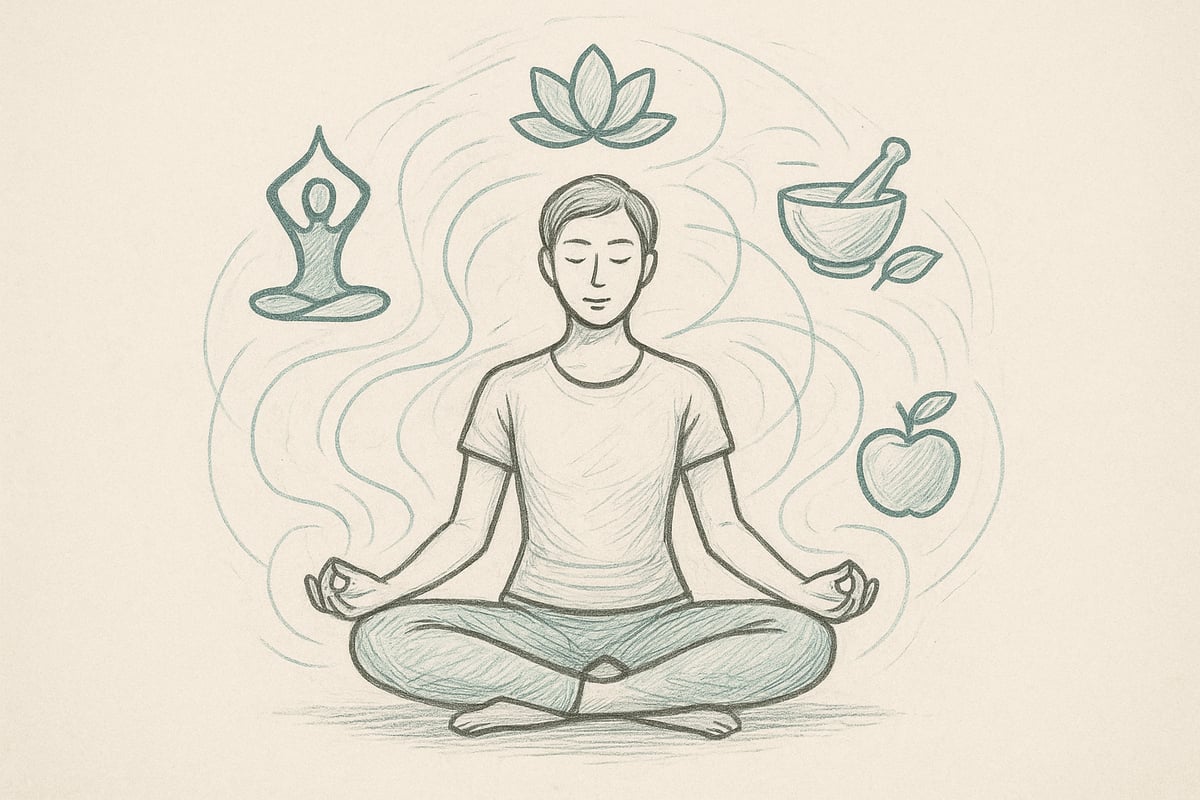
Holistic healing is the practice of viewing health as a complete system, where the mind, body, and spirit are deeply interconnected. Rather than focusing solely on symptoms, holistic healing classes teach that true wellness begins by addressing the root causes of imbalance. This approach has roots in ancient healing traditions such as Ayurveda and Traditional Chinese Medicine, but it has steadily evolved, integrating modern scientific understanding.
The main difference between holistic and conventional health approaches lies in their focus. Conventional medicine often targets specific symptoms or diseases, while holistic healing classes emphasize prevention, lifestyle change, and the interconnectedness of all aspects of well-being. For example, a holistic practitioner may explore emotional stress as a contributor to physical pain, not just the pain itself.
This philosophy is gaining ground worldwide. According to the Global Wellness Economy Monitor 2023, the holistic health sector was valued at $4.5 trillion in 2023, reflecting unprecedented demand for holistic healing classes and integrative methodologies. By seeking out these classes, individuals aim to transform their health from the inside out.
Core Principles of Holistic Healing
At the heart of holistic healing classes are core principles that guide both practitioners and students. The Therapeutic Order is a foundational concept, encouraging healing to begin with the simplest interventions—such as lifestyle changes—before progressing to nutrition, natural therapies, and advanced treatments if necessary.
Self-awareness and personal responsibility are central themes. Holistic healing classes often encourage students to reflect on their habits, emotions, and beliefs, empowering them to take an active role in their wellness journey. Prevention is prioritized, with a strong emphasis on modifying daily routines to maintain health, not just restore it.
A unique feature of holistic healing classes is the recognition of the deep connection between emotional, spiritual, and physical health. Scientific research supports this integrative approach, with studies showing that practices like meditation and mind-body medicine can improve stress resilience and overall well-being. By understanding these principles, beginners can set realistic expectations and embrace a proactive attitude toward healing.
Common Modalities in Holistic Healing
Holistic healing classes introduce students to a wide range of modalities, each supporting different aspects of health. Some of the most popular include:
- Yoga: Enhances flexibility, strength, and mental clarity.
- Meditation: Reduces stress and improves emotional balance.
- Energy Healing (e.g., Reiki, Qi Gong): Promotes relaxation and energetic harmony.
- Herbal Medicine: Uses plants to support natural healing processes.
- Nutrition: Teaches the role of diet in maintaining optimal health.
- Breathwork: Facilitates emotional release and increases vitality.
| Modality | Primary Benefit | Typical Class Format |
|---|---|---|
| Yoga | Flexibility, stress relief | Group sessions, online |
| Meditation | Emotional balance | Guided practice |
| Energy Healing | Relaxation, energy flow | Hands-on or distance |
| Herbal Medicine | Immune support, vitality | Workshops, courses |
| Nutrition | Overall wellness | Lectures, coaching |
| Breathwork | Emotional release | Interactive sessions |
When exploring holistic healing classes, it is important to choose certified, reputable instructors. A skilled teacher ensures that students receive safe, evidence-based guidance as they begin their journey.
Types of Holistic Healing Classes for Beginners
Choosing from the growing landscape of holistic healing classes can feel overwhelming for beginners. Understanding your options is the key to finding the right path for your personal wellness goals.
In-Person vs. Online Classes
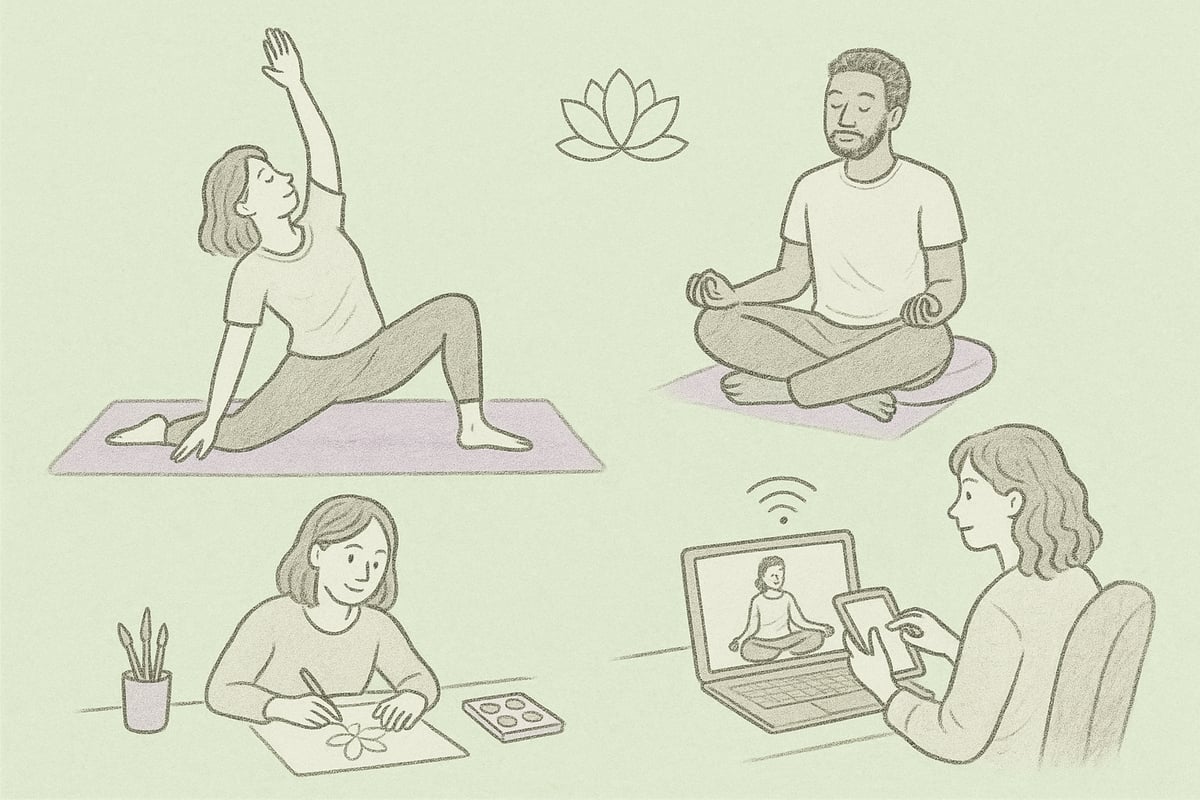
The choice between in-person and online holistic healing classes is more accessible than ever. In-person classes offer direct interaction, immediate feedback, and a sense of community. Many beginners value the structure and accountability of attending a physical location.
Online holistic healing classes provide unmatched flexibility. Learners can join from anywhere, fitting sessions into busy schedules. The rise of digital education platforms and virtual holistic health services has made holistic healing more inclusive, offering live and on-demand options for all lifestyles.
Consider your learning style, comfort level, and need for personal interaction when deciding. Both formats can support your journey, but online classes may be ideal if you require scheduling flexibility or prefer a private setting.
Popular Class Modalities
Holistic healing classes come in many forms, each focusing on the integration of mind, body, and spirit. Here are some popular modalities:
- Yoga and Mindfulness: Improve flexibility, reduce stress, and foster self-awareness.
- Meditation and Breathwork: Guided practices to support mental clarity and emotional balance.
- Energy Healing (Reiki, Qi Gong): Gentle techniques to harmonize your body's energy systems.
- Herbalism and Nutrition: Hands-on workshops introducing plant-based remedies and healthy eating.
- Sound Healing and Art Therapy: Creative sessions using music, art, and movement for emotional release.
Each modality offers unique benefits, allowing you to tailor holistic healing classes to your personal needs and interests.
Specialized Beginner Programs
Many holistic healing classes are designed specifically for newcomers. Structured programs, such as 4-week beginner courses, provide a clear progression and build foundational skills. Drop-in classes offer flexibility for those exploring without long-term commitments.
Wellness retreats immerse beginners in daily practice, often combining modalities for a well-rounded introduction. Community collectives may integrate cultural and traditional healing methods, enriching the learning experience. When starting with holistic healing classes, consider programs that match your schedule, cultural background, and comfort level.
What to Expect in Your First Class
Stepping into your first holistic healing class can feel both exciting and intimidating. Most classes begin with a gentle introduction, followed by guided practice, reflection, and a Q&A session. Instructors encourage questions and foster a supportive environment.
Beginner experiences often include nervousness or curiosity. Some notice early benefits, such as relaxation or increased energy, after just one session. To maximize comfort, wear loose clothing, bring water, and keep an open mind. Participation, even at your own pace, is the best way to benefit from holistic healing classes.
Credentials and Accreditation
As the demand for holistic healing classes increases, so does the importance of choosing certified instructors and accredited programs. Look for professionals with memberships in recognized associations, positive reviews, and transparent credentials.
Accredited holistic healing classes have grown by 20 percent from 2022 to 2024, reflecting higher industry standards. Verify program legitimacy by checking for testimonials, instructor bios, and clear curriculum outlines. Proper accreditation ensures your safety and enhances your learning experience.
How to Choose the Right Holistic Healing Class
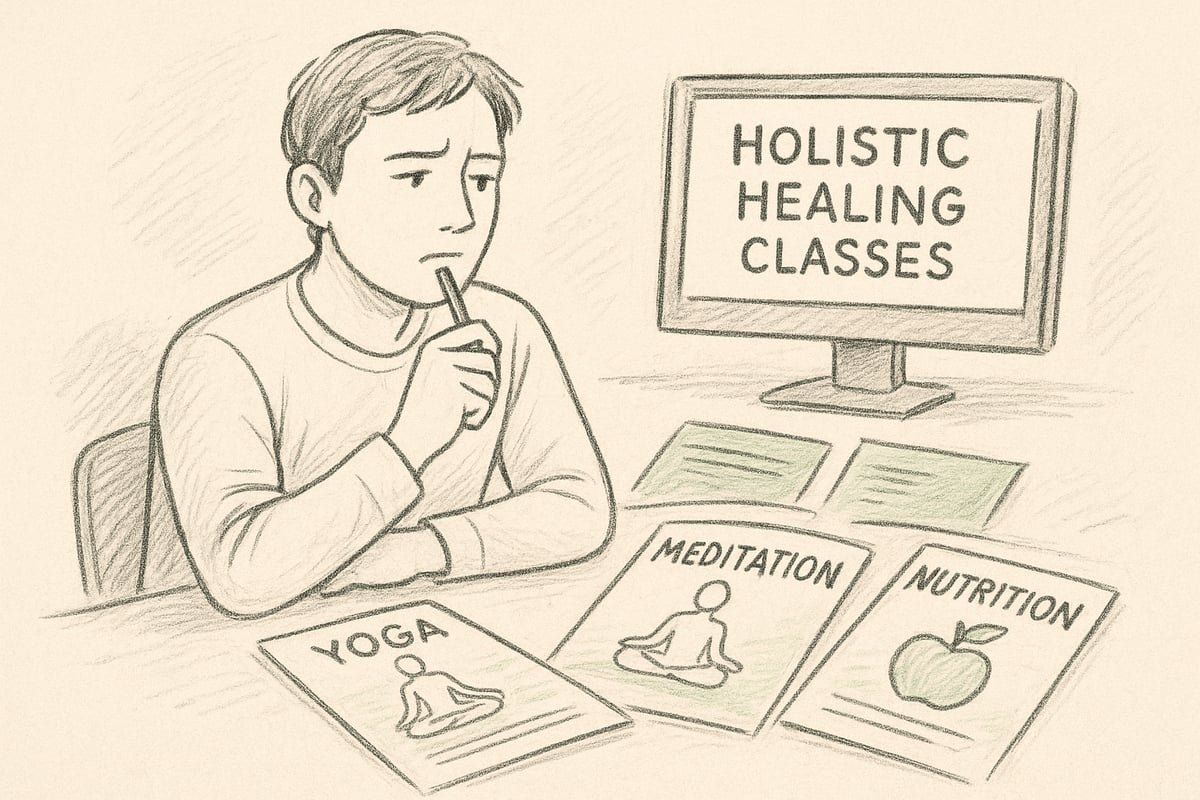
Choosing the right holistic healing classes can feel overwhelming for beginners. With so many paths and modalities available, making an informed decision ensures you start your wellness journey with confidence and clarity.
Assessing Your Goals and Needs
Begin by reflecting on what you hope to achieve through holistic healing classes. Are you seeking stress relief, better physical health, or emotional balance? Identifying your personal wellness goals will help you narrow down the best class modalities.
For example, those managing chronic pain might benefit from gentle yoga or meditation, while individuals seeking emotional healing may prefer mindfulness or energy work. Consider your lifestyle, current health status, and any specific needs, such as classes designed for seniors or children.
Matching your intentions to the right holistic healing classes maximizes your chances of a rewarding experience. Write down your goals and revisit them as you explore different options.
Researching Class Options
Once you know your goals, research is the next critical step. Start by searching reputable directories, professional organizations, or asking for referrals from friends and healthcare providers. Evaluate each class's structure, curriculum, and the instructor’s background.
Look for transparent information about the syllabus and teaching style. Red flags include lack of instructor credentials, vague descriptions, or promises of instant results. Reading reviews and testimonials can provide additional insights into what you can expect from holistic healing classes.
Compare options side by side. Consider making a checklist or table to weigh the pros and cons of each program, ensuring you select the most suitable path for your needs.
Budgeting and Time Commitment
Holistic healing classes are available at a range of price points, from free community sessions to premium certification programs. Assess your budget honestly and factor in any additional costs, such as materials or travel. Scholarships and sliding scale fees can make classes more accessible if needed.
Time commitment is just as important. Decide whether you prefer one-time workshops or ongoing multi-week courses. Remember, consistency often leads to better results, so choose a schedule that fits your life.
By planning ahead, you can approach holistic healing classes with realistic expectations about what you can invest and what you will receive in return.
Community and Support
Supportive communities play a vital role in holistic healing classes. Group learning and peer encouragement can boost motivation and help you stay engaged over time. Many programs offer online forums, local meetups, or mentorship opportunities.
Research shows that 68% of beginners are more satisfied when they participate in classes with active community engagement. Consider joining platforms like Holistic Family Practice overview, which provides access to virtual consultations, online courses, and wellness communities designed for both individuals and families.
Finding a class with a welcoming, knowledgeable community can transform your holistic healing classes experience, offering guidance and camaraderie as you grow.
Step-by-Step Guide: Starting Your Holistic Healing Journey
Embarking on your holistic healing journey is both inspiring and transformative. With so many holistic healing classes available, having a clear, step-by-step approach can help you start with confidence and clarity.

Step 1: Self-Assessment and Intention Setting
The journey toward holistic healing begins with honest self-reflection. Ask yourself: What brings you to holistic healing classes? Are you seeking stress relief, physical vitality, or a deeper emotional balance?
Use tools such as personal journaling or self-assessment questionnaires to clarify your health priorities. Write down your motivations and expectations for joining holistic healing classes. This process grounds your journey and sets a foundation for growth.
Set realistic, measurable goals. For example, you might aim to attend two holistic healing classes per week or practice daily meditation for 10 minutes. When your intentions are clear, you are more likely to stay committed and motivated.
Step 2: Research and Selection
Once you know your goals, begin researching holistic healing classes that align with your needs. Consider different modalities, such as yoga, meditation, energy healing, or herbalism.
Create a simple decision matrix to compare options. List class types, instructor credentials, class format (online or in-person), and cost. This helps you make informed choices.
| Class Type | Instructor | Format | Price | Reviews |
|---|---|---|---|---|
| Yoga for Beginners | Certified | In-person | $$ | 4.7/5 |
| Meditation Basics | Licensed | Online | $ | 4.8/5 |
Stay current with The Future of Wellness Trends to understand emerging practices and what to expect from modern holistic healing classes.
Seek recommendations from trusted sources. Check reviews, testimonials, and professional memberships to find reputable instructors and programs.
Step 3: Preparing for Your First Class
Preparation can ease any nerves before you attend your first holistic healing classes. Gather basic supplies:
- Comfortable clothing
- Yoga mat or cushion
- Water bottle
- Notebook for reflections
Arrive with an open mind and a willingness to learn. If you are exploring movement-based classes, understanding the impact of activity on wellness can be helpful. For more on this, see the Physical inactivity and wellness resource.
Familiarize yourself with class etiquette. Introduce yourself to the instructor, share any health concerns, and ask about class structure. Remember, everyone was a beginner once.
Step 4: Active Participation and Reflection
Fully engaging in holistic healing classes will deepen your learning. Participate in all exercises, whether they involve movement, meditation, or group discussion.
After each class, take time to reflect. Journaling about your experiences, feelings, and any physical changes helps track your progress. Sharing insights with peers or instructors can foster connection.
Emotional well-being often improves through these practices. Explore more about emotional health and healing to understand the benefits of reflection and self-awareness within holistic healing classes.
Celebrate small wins, like feeling more relaxed or sleeping better. These early successes build momentum for continued growth.
Step 5: Building Consistency and Practice
Developing a consistent routine is key to lasting benefits from holistic healing classes. Schedule regular practice times, even if brief.
Leverage digital resources such as wellness apps, online videos, and community forums for support and accountability. Engage with classmates or join online groups to share progress and challenges.
Expect setbacks. Life can interrupt routines, but returning to your practice after a pause is part of the journey. Consistency, not perfection, leads to sustainable change.
Step 6: Evaluating Progress and Next Steps
Periodically assess your experience with holistic healing classes. Are you meeting your original goals? Notice shifts in your stress levels, physical comfort, or emotional resilience.
If you feel ready, consider exploring advanced classes or new modalities. Ask for feedback from instructors and peers to guide your next steps.
Remember, holistic healing is a lifelong path. Keep learning, stay curious, and continue to build on your foundation for greater well-being.
Maximizing Results: Integrating Holistic Healing into Daily Life
Integrating the benefits of holistic healing classes into your daily routine is essential for lasting transformation. By applying what you learn beyond the classroom, you create a foundation for improved well-being and personal growth. This section breaks down actionable steps for weaving holistic practices into everyday life, ensuring you maximize results from your chosen holistic healing classes.
Developing a Holistic Lifestyle
Adopting a holistic lifestyle means applying the lessons from holistic healing classes to everyday routines. Start by integrating small changes, such as mindful eating, daily movement, and regular meditation. Consistency is key, so focus on building habits gradually rather than overhauling everything at once.
Simple practices, like setting aside a few minutes each morning for breathwork or journaling, can yield significant results. This approach aligns with the rising trend in the wellness economy, where more people seek to personalize their well-being journey. According to the Global Wellness Economy Reaches $5.6 Trillion, demand for holistic healing classes continues to surge as individuals look for sustainable lifestyle changes.
Over time, these habits become second nature, supporting long-term health and resilience.
Leveraging Technology and Digital Tools
Modern technology makes it easier than ever to reinforce the teachings from holistic healing classes. There is a wide range of apps designed to support meditation, nutrition, and movement. For example, meditation apps offer guided sessions, while nutrition trackers help you monitor dietary changes inspired by your classes.
A 2024 survey found that 72% of holistic learners use at least one health app as part of their routine. These digital tools not only track progress but also provide reminders and foster accountability. Many holistic healing classes now include digital resources, making it simple to continue your practice anytime, anywhere.
Here is a quick comparison of popular app categories:
| App Type | Purpose | Example Use Case |
|---|---|---|
| Meditation | Guided sessions, mindfulness | Daily stress relief |
| Nutrition Tracker | Monitor meals, hydration | Balanced eating |
| Online Journal | Reflect, set goals | Tracking progress |
Selecting the right tools can enhance your learning and help you stay engaged.
Staying Motivated and Overcoming Challenges
Sustaining motivation after completing holistic healing classes can be challenging, especially when faced with time constraints or information overload. Common obstacles include inconsistent practice, dips in enthusiasm, and confusion about next steps.
To overcome these hurdles, set clear goals and celebrate small achievements. Regularly review your progress, and adjust your approach as needed. Peer accountability can also be highly effective, so consider sharing your goals with a friend or joining a support group.
If you find motivation slipping, revisit your initial reasons for enrolling in holistic healing classes. This reminder can reignite your commitment and help you push through temporary setbacks.
Finding Community and Support
Community plays a vital role in maximizing the benefits of holistic healing classes. Engaging with others who share your interests can provide encouragement, accountability, and new perspectives. Whether you join local meetups, participate in online forums, or attend group workshops, these connections enrich your learning experience.
Studies show that beginners involved in community groups are 40% more likely to maintain holistic practices after six months. Many holistic healing classes offer built-in support networks, making it easy to connect with peers and mentors.
Participating in group challenges or attending wellness retreats can further deepen your sense of belonging and motivation.
Continuing Education and Growth
The journey does not end with beginner holistic healing classes. Continuing education is key to deepening your knowledge and expanding your skills. Consider enrolling in advanced classes, pursuing certifications, or attending workshops and holistic health conferences.
Ongoing learning not only keeps you inspired but also opens up new avenues for personal and professional development. As the integrative health market grows, more opportunities for specialized study and teacher training become available.
By prioritizing lifelong learning, you ensure that your commitment to holistic healing remains strong and evolves with your needs.
As you begin your journey into holistic healing, it’s natural to feel both excited and a bit overwhelmed by the options ahead. Remember, the key is to start with a strong foundation—ground yourself in reliable knowledge and practical skills that you can immediately apply to your daily life. If you’re looking for a supportive, expertly crafted starting point, I recommend exploring our introductory course designed specifically for beginners. It’s the perfect way to experience holistic healing in a welcoming, well-structured environment. Ready to take your first step? Discover more in Intro to Holistic Medicine I.