Radiant skin is more than just an aesthetic goal, it is a visible sign of your overall well-being. In 2026, a holistic dermatologist can help you unlock luminous, healthy skin by blending the latest science, mindful lifestyle choices, and natural therapies.
This guide will walk you through the holistic dermatologist’s method, sharing foundational principles, integrative treatments, lifestyle shifts, and future trends. Discover how a holistic dermatologist empowers you to transform your skin naturally, starting with actionable steps for lasting results.
Understanding Holistic Dermatology: The New Standard for Skin Health
Radiant skin is more than an aesthetic pursuit, it is a signal of harmony within the entire body. As more people seek sustainable, root-cause solutions, the holistic dermatologist has emerged as a guide for true skin transformation. This approach is setting a new standard in skin health, combining advanced science with a whole-person perspective.
What Sets Holistic Dermatology Apart
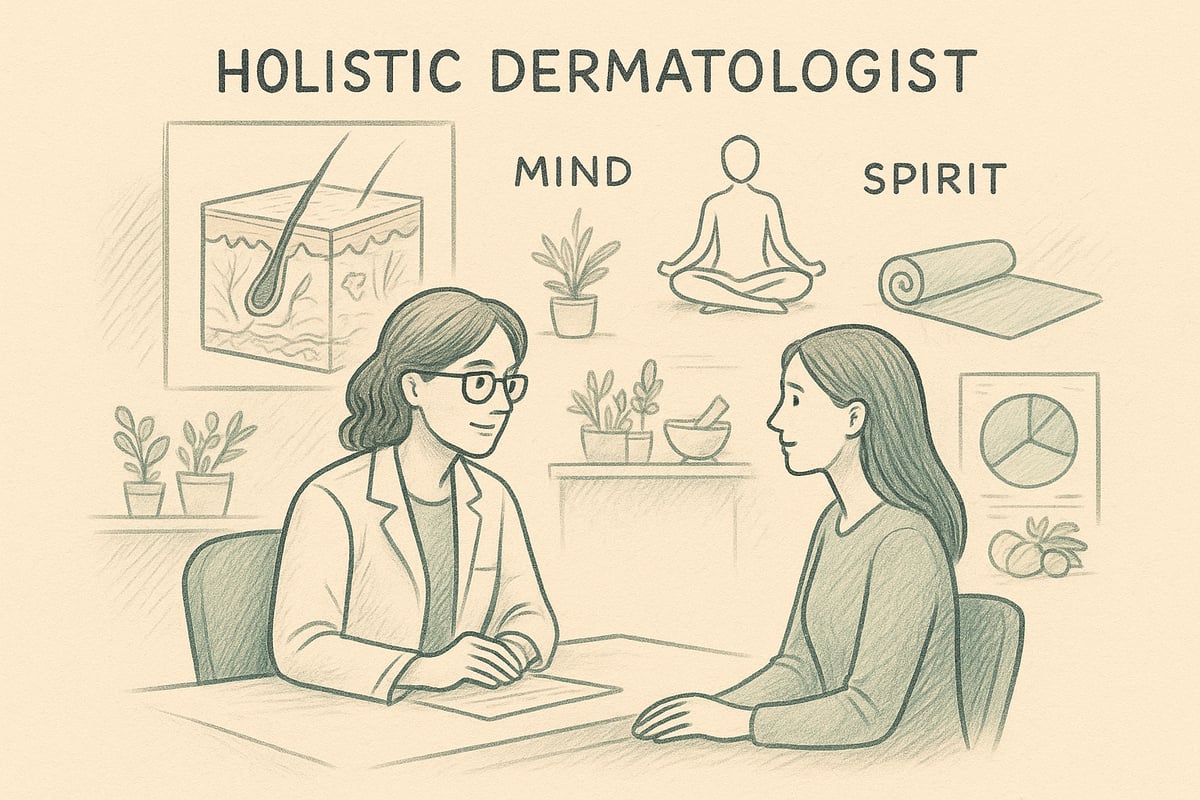
A holistic dermatologist does not just address what appears on the surface. Instead, they investigate why skin issues arise in the first place. This method is rooted in the belief that skin reflects the health of the whole body, including mental and emotional wellness.
Unlike conventional dermatology, which often focuses on symptom management with topical creams or medications, a holistic dermatologist integrates mind, body, and spirit into care. This means exploring how stress, diet, sleep, and even relationships impact skin health.
Key contrasts between holistic and conventional dermatology include:
| Approach | Conventional Dermatology | Holistic Dermatologist |
|---|---|---|
| Focus | Symptom relief | Root cause resolution |
| Treatment | Pharmaceuticals | Natural therapies plus medical |
| Patient Role | Passive recipient | Empowered partner |
| Prevention | Secondary | Primary emphasis |
Personalization is at the heart of holistic dermatology. Each patient’s genetics, lifestyle, and environment are factored into care plans. For example, treating eczema might involve gut healing protocols, stress reduction techniques, and topical botanicals, rather than relying solely on steroids.
Prevention, education, and empowerment are central pillars. Patients are encouraged to understand their bodies and take an active role in their health journey. The holistic dermatologist also relies on evidence-based natural therapies, using herbal remedies or nutrition interventions alongside medical treatments when appropriate.
Research supports this integrative approach. Studies show that combining holistic and conventional care can improve chronic skin conditions by up to 60% (source: National Center for Complementary and Integrative Health). For more in-depth evidence, see Complementary health approaches for skin conditions.
Key Principles of Holistic Skin Care
The holistic dermatologist follows a therapeutic order, beginning with the least invasive steps. This means starting with lifestyle changes, followed by nutrition, and only then considering supplements or more advanced interventions.
Key principles include:
- Addressing internal imbalances, such as hormones, digestion, or detoxification.
- Prioritizing mindfulness and stress management, recognizing their profound effect on skin.
- Conducting whole-person assessments, including sleep, mood, environment, and social support.
- Placing strong emphasis on patient education and self-advocacy.
For example, acne is often linked to gut dysbiosis and chronic stress. A holistic dermatologist might resolve this by guiding the patient through dietary changes, probiotics, and mindfulness practices, rather than prescribing antibiotics alone.
Patients are encouraged to see skin as an extension of internal health. This approach fosters lasting transformation, not just temporary relief. Data shows that 70% of individuals report improved overall well-being after adopting holistic skin care principles (source: Integrative Medicine Research).
By partnering with a holistic dermatologist, people gain the tools and support to uncover and address the true sources of their skin concerns.
Foundations of Radiant Skin: Nutrition, Lifestyle, and Mind-Body Balance
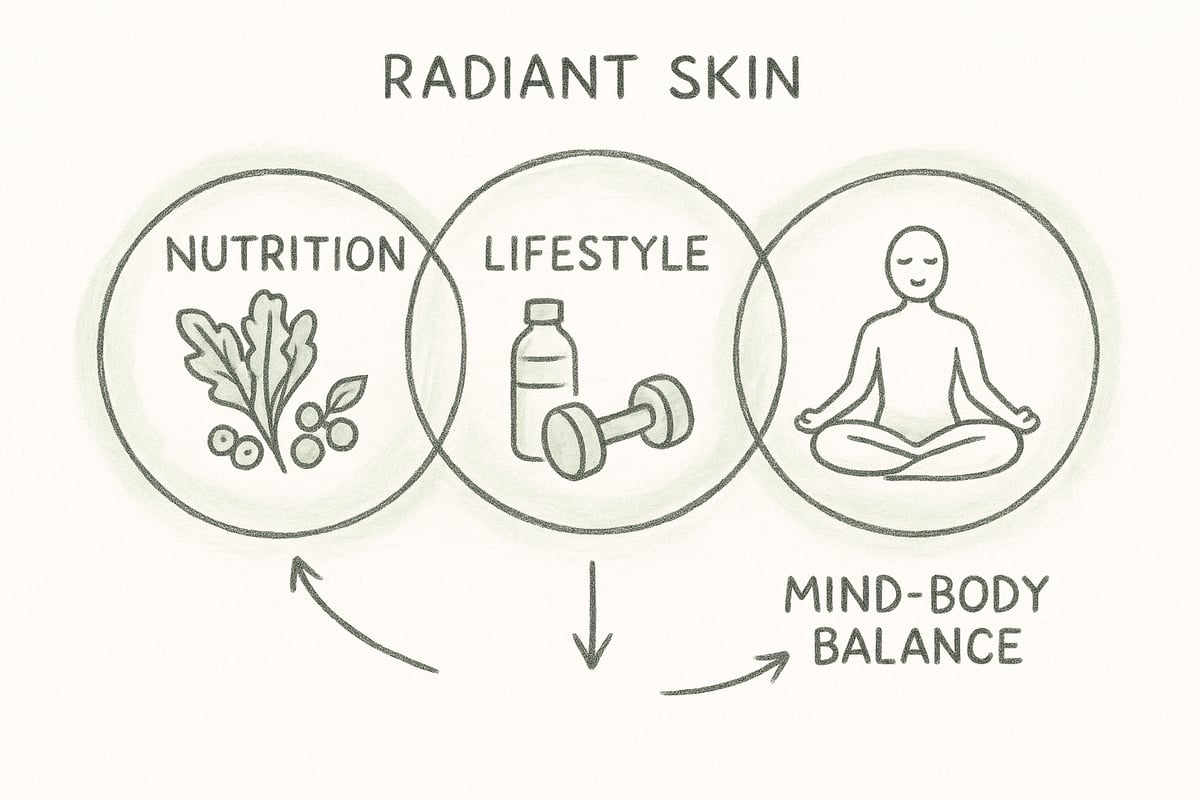
Unlocking luminous skin begins with understanding the essential foundations that a holistic dermatologist emphasizes: nutrition, lifestyle, and the mind-body connection. Each pillar supports not only outer beauty but also optimal health from within. By integrating these elements into your daily routine, you can foster resilience and radiance in your skin.
The Role of Nutrition in Skin Health
Nutrition forms the cornerstone of every holistic dermatologist's strategy for glowing skin. An anti-inflammatory diet, rich in omega 3 fatty acids, antioxidants, and phytonutrients, helps reduce redness, prevent breakouts, and support cellular repair. Foods such as wild salmon, walnuts, spinach, and colorful berries deliver nutrients that protect against oxidative stress.
Equally important is avoiding common skin triggers. Excess sugar, dairy, and processed foods can exacerbate conditions like acne and eczema. A holistic dermatologist may recommend eliminating these items to see noticeable improvements.
The gut-skin axis is a critical focus. Probiotics and prebiotics balance gut health, which in turn reflects on your skin's clarity and calmness. Hydration also plays a significant role, as well hydrated skin maintains elasticity and a natural glow.
A Mediterranean style diet, abundant in vegetables, whole grains, and healthy fats, has been shown to reduce acne and psoriasis flare ups. In fact, studies reveal that high antioxidant intake is linked to 30 percent fewer wrinkles, highlighting the power of nutrition in skin vitality.
For those eager to learn more about nutrition and lifestyle strategies, this Nutrition, detox, and lifestyle tips resource provides practical guidance aligned with a holistic dermatologist's philosophy.
Lifestyle Factors for Lasting Glow
Lifestyle choices profoundly impact your skin's ability to repair, rejuvenate, and resist aging. A holistic dermatologist will stress the importance of quality sleep, recommending seven to nine hours nightly to allow for optimal skin regeneration. Chronic sleep deprivation accelerates visible aging by up to 25 percent, making rest a non negotiable for a radiant complexion.
Physical activity is another key pillar. Regular movement increases circulation, delivers nutrients to skin cells, and supports collagen production. Activities like brisk walking, yoga, or cycling can all contribute to a youthful glow.
Sun protection is essential. Opt for mineral based sunscreens and seek shade during peak hours to prevent premature aging and hyperpigmentation. Reducing exposure to environmental toxins such as air pollution and harsh chemicals further supports skin resilience. Urban dwellers, in particular, benefit from using air purifiers at home and applying antioxidant serums to shield skin from daily stressors.
A holistic dermatologist encourages small, sustainable lifestyle changes that collectively foster long term skin health. By prioritizing sleep, movement, sun safety, and a clean environment, you lay the groundwork for lasting radiance.
Mind-Body Practices for Skin Vitality
The mind body connection is a vital, often overlooked aspect of holistic skin care. Stress triggers the release of cortisol, a hormone that can worsen inflammation and contribute to breakouts. A holistic dermatologist will often incorporate stress management techniques into treatment plans.
Mindfulness practices such as meditation, breathwork, and gentle yoga not only soothe the nervous system but also improve the skin's appearance. For example, mindfulness based programs have been shown to reduce eczema severity and overall dermatological symptoms by up to 40 percent.
Emotional well being also plays a significant role. Cultivating self esteem and skin confidence can influence how the skin heals and responds to treatments. A holistic dermatologist recognizes that addressing the emotional component is as important as treating physical symptoms.
By integrating mind body practices into your routine, you empower yourself to support both mental health and skin vitality. This comprehensive approach ensures your path to radiant skin is truly holistic.
Integrative Treatments: Natural Therapies and Advanced Holistic Interventions
Modern skin care is evolving, and the holistic dermatologist leads the charge by uniting traditional wisdom with state-of-the-art science. Integrative treatments are designed to address the root causes of skin concerns while nurturing overall well-being. These therapies focus on gentle, evidence-based interventions that respect the skin’s natural function, using botanicals, functional medicine, advanced technology, and a blend of Eastern and Western approaches. Let’s explore the powerful tools in the holistic dermatologist’s toolkit for radiant, lasting skin health.
Botanical and Herbal Remedies
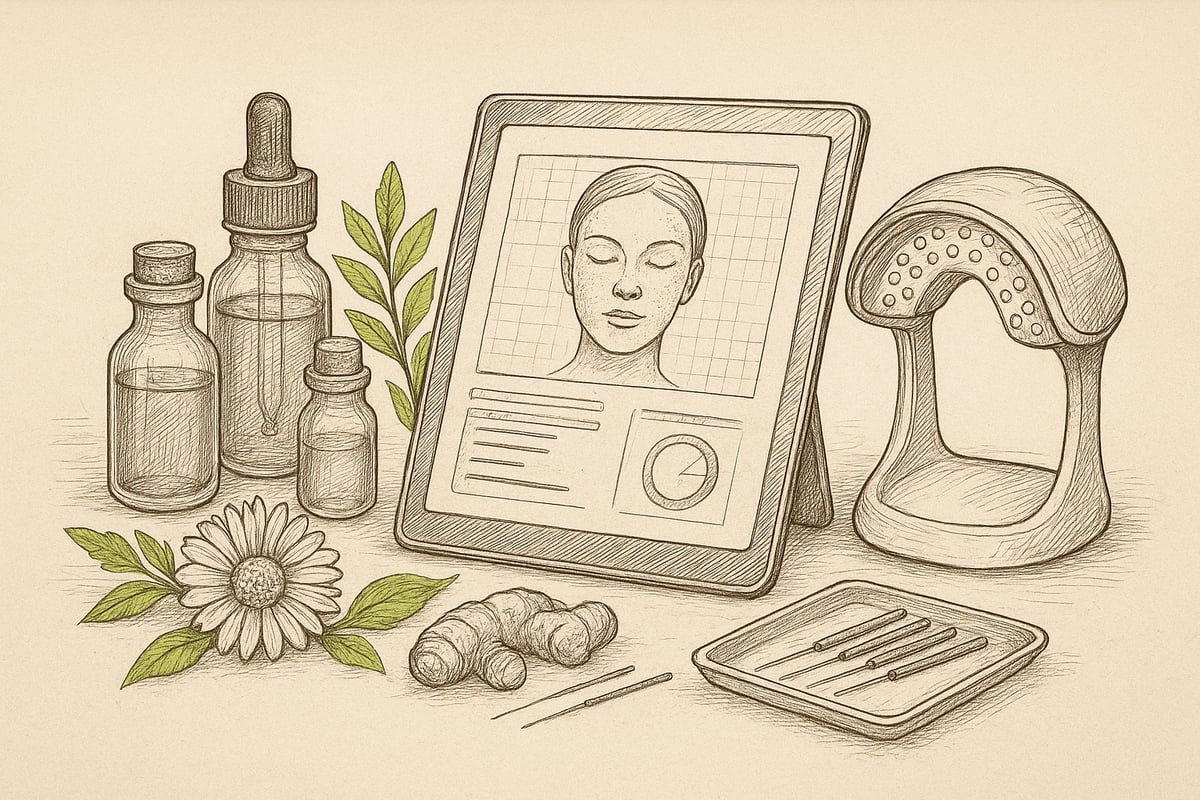
The holistic dermatologist frequently relies on the healing properties of nature’s pharmacy. Topical botanicals such as calendula, chamomile, and aloe are prized for their soothing and anti-inflammatory qualities. These gentle agents calm irritation and support the skin’s barrier, making them ideal for sensitive or inflamed skin.
Internally, herbs like burdock, dandelion, and turmeric are used to support detoxification and reduce systemic inflammation. Scientific studies confirm the effectiveness of herbal protocols in managing chronic skin conditions like eczema, psoriasis, and acne. For example, turmeric masks are well-known for reducing redness and inflammation, offering visible relief for many clients.
Safety and quality are paramount. The holistic dermatologist ensures herbs are sourced responsibly and tailored to the patient’s needs. For those interested in deeper insights into the use of herbal and nutritional supplements in dermatology, Integrative dermatology: herbals and supplements presents a thorough review of current evidence and best practices.
Functional Medicine Approaches
A cornerstone of holistic dermatologist care is functional medicine, which strives to uncover and resolve the root causes of skin issues. This approach often begins with comprehensive testing, including food sensitivities, hormone panels, and microbiome analysis. These tests reveal hidden imbalances that may drive persistent skin symptoms.
Personalized supplement protocols are crafted based on individual needs. Nutrients such as zinc, vitamin D, and omega-3 fatty acids are commonly recommended for their roles in skin repair and inflammation control. Detoxification strategies, including liver support, dry skin brushing, and sauna therapy, help eliminate internal toxins that may contribute to breakouts or rashes.
A holistic dermatologist might, for example, identify gluten sensitivity as the trigger for chronic dermatitis and guide the patient in eliminating this from their diet. This tailored, root-cause focus sets the holistic dermatologist apart, offering a path to transformation when conventional solutions fall short.
Integrative Aesthetics and Technology
The holistic dermatologist embraces cutting-edge yet non-toxic solutions for skin rejuvenation. Non-toxic skincare is a priority, with a commitment to clean beauty formulations and ingredient transparency. Patients are educated to recognize and avoid harmful additives, ensuring that what goes on the skin supports its health.
Advanced light therapies, such as LED, laser, and phototherapy, stimulate skin renewal, boost collagen, and reduce inflammation. Red LED therapy, for instance, is clinically proven to improve collagen production and diminish the appearance of acne scars. Microneedling and regenerative treatments are also used, harnessing the skin’s natural healing process with minimal reliance on synthetic chemicals.
To help patients compare options, here’s a quick overview:
| Technology | Benefits | Holistic Focus |
|---|---|---|
| LED Therapy | Improves texture, reduces scars | Non-invasive, safe |
| Microneedling | Boosts collagen, smooths wrinkles | Minimal chemicals |
| Clean Skincare | Reduces irritation, no toxins | Ingredient purity |
By integrating these technologies, the holistic dermatologist delivers visible results while honoring the skin’s integrity.
The Holistic Dermatologist’s Toolbox
What truly distinguishes the holistic dermatologist is the fusion of diverse healing traditions and ongoing patient partnership. Eastern modalities like acupuncture and Ayurveda are blended with Western naturopathy, creating a comprehensive plan that respects the whole person.
Patient education is a core pillar. Individuals are empowered with knowledge about their own skin, learning practical self-care and resilience strategies. Ongoing monitoring allows for real-time adjustments, ensuring the approach evolves with the patient’s needs.
Many integrative clinics offer group classes, nutritional counseling, and acupuncture sessions, supporting both individual and community healing. The holistic dermatologist’s toolbox is dynamic, evidence-based, and deeply personalized, providing a roadmap to radiant skin and lifelong wellness.
Step-by-Step: The Holistic Dermatologist’s Path to Radiant Skin
Embarking on a journey toward radiant skin with a holistic dermatologist means embracing a comprehensive, personalized process. This approach goes beyond quick fixes to address the whole person, building lasting skin health from the inside out. Here is a step-by-step guide designed to help you achieve luminous skin by working collaboratively with a holistic dermatologist.

Step 1: Comprehensive Assessment and Personalized Planning
The journey begins with a thorough intake by your holistic dermatologist. This step is far more detailed than a standard dermatology visit. Your practitioner gathers information about your medical history, daily habits, stress levels, diet, sleep, environment, and even emotional well-being.
A holistic dermatologist uses this information to identify the root causes of your skin concerns. For example, adult acne might stem from gut imbalance or hormonal shifts. The practitioner collaborates with you to set realistic, individualized goals, ensuring that your plan aligns with your unique needs and lifestyle.
During this step, you can expect:
- Review of current and past skin conditions
- Evaluation of dietary and lifestyle patterns
- Exploration of stressors and environmental exposures
- Discussion of your personal skin goals and expectations
This foundation sets the stage for long-term transformation and empowers you to become an active participant in your care.
Step 2: Building Your Foundation—Lifestyle and Nutrition
Once your assessment is complete, your holistic dermatologist will help you establish a strong foundation. This includes implementing an anti-inflammatory, nutrient-rich diet tailored to support skin health. You will also focus on optimizing sleep, daily movement, hydration, and stress reduction.
Key elements often include:
- Weekly meal planning with whole foods and healthy fats
- Hydration routines to support skin elasticity
- Sleep hygiene strategies to promote repair and renewal
- Mindfulness practices such as guided meditation or breathwork
Lifestyle is a major modifiable factor in skin health. Evidence supports that addressing these areas can significantly improve dermatologic conditions. For a deeper look at how lifestyle changes impact skin, see this Holistic dermatology and lifestyle factors review. With this approach, your holistic dermatologist helps you build habits that nourish both skin and overall well-being.
Step 3: Integrative Treatment Protocols
After your foundation is in place, your holistic dermatologist will introduce targeted integrative therapies. These may include botanical topicals, supplements, and other natural products selected for your specific needs. Non-toxic skincare is prioritized to avoid unnecessary irritants.
You might also be scheduled for therapies such as:
- Acupuncture or light-based treatments
- Herbal facials or detoxification protocols
- Functional testing for food sensitivities or hormonal imbalances
Progress is tracked through journaling, digital tools, or before-and-after photos. Your holistic dermatologist ensures each intervention is evidence-based and tailored, maximizing results while minimizing risks.
Step 4: Ongoing Support and Adjustments
Achieving radiant skin is not a one-time event. Your holistic dermatologist provides regular follow-ups to refine your plan and address any new triggers or life changes. Ongoing education and community support are central to maintaining your progress.
Support strategies may include:
- Monthly check-ins or virtual consultations
- Group workshops for accountability and shared learning
- Access to online resources for self-care
By partnering with a holistic dermatologist through each step, you gain the guidance and encouragement needed for lasting transformation. This collaborative, adaptive process ensures your skin health continues to evolve with you.
Future Trends in Holistic Dermatology: What to Expect in 2026
The future is bright for anyone seeking radiant skin through a holistic dermatologist. As technology, science, and lifestyle converge, the field is evolving at a remarkable pace. In 2026, expect a wave of innovation that prioritizes personalization, sustainability, and whole-person care. Let us explore the key trends shaping this transformation.
Personalized Digital Skin Health Platforms
Personalization is becoming the hallmark of every holistic dermatologist. Digital platforms now use AI-powered skin analysis to deliver expert insights from the comfort of home. These tools can assess hydration, sun exposure, and even stress levels, making recommendations for diet, lifestyle, and skincare.
Remote consultations are more accessible than ever, connecting patients to their holistic dermatologist regardless of location. Mobile apps now track daily routines, flagging potential skin triggers and guiding users toward healthier habits. In 2026, these platforms will continue to help individuals tailor their routines for optimal skin health.
Advances in Integrative Treatments
Innovation is at the core of the holistic dermatologist’s practice. Next-generation botanicals, enhanced through biotechnology, are setting new standards for natural therapies. Targeted probiotics and postbiotics are creating microbiome-focused skincare, addressing concerns from acne to sensitivity.
Regenerative treatments, such as stem cell serums and peptide complexes, are becoming more mainstream. These breakthroughs offer safer, more effective options for skin renewal. Data shows the probiotic skincare market is projected to grow by 10 percent annually through 2026, reflecting the growing trust in these integrative approaches guided by a holistic dermatologist.
Sustainability and Clean Beauty Movements
The sustainability movement is redefining what it means to be a holistic dermatologist. Patients are seeking products that are eco-friendly, cruelty-free, and transparently sourced. Brands are responding with upcycled ingredients, refillable packaging, and clear ingredient lists, making conscious choices more accessible.
For a deeper look at these evolving consumer values, explore this special report on skin care and holistic living trends. This shift aligns with the holistic dermatologist’s philosophy of minimizing harm and maximizing benefit for both individuals and the environment.
Holistic Dermatology in Mainstream Healthcare
Holistic dermatology is moving beyond boutique clinics and entering mainstream healthcare. Insurance coverage for integrative therapies is expanding, making these services more widely available. Collaboration between dermatologists, nutritionists, and mental health experts is becoming standard practice.
Hospital-based integrative dermatology clinics are emerging in major cities, allowing more people to access the expertise of a holistic dermatologist. This integration supports comprehensive care, addressing skin health from every angle and empowering patients to take charge of their well-being.
Choosing the Right Holistic Dermatologist: What to Look For
Selecting the right holistic dermatologist is a pivotal step on your journey to truly radiant skin. The decision should be informed by a careful assessment of credentials, approach, clinic offerings, community presence, and the questions you ask before committing. Let’s break down what makes a holistic dermatologist stand out in today’s integrative skin health landscape.
Credentials and Training
A reputable holistic dermatologist should hold board certification in dermatology, with additional training in integrative or holistic medicine. Look for practitioners who invest in ongoing education in nutrition, herbal therapies, and mind-body medicine.
Some may also have credentials such as MD/ND (naturopathic doctor) or MD/IFM (Institute for Functional Medicine). This multidisciplinary background ensures your holistic dermatologist understands both conventional and natural therapies. For more insight into the educational pathways, review the Holistic naturopathic doctor approach, which aligns closely with holistic dermatology principles.
Approach to Patient Care
The hallmark of a holistic dermatologist is the emphasis on partnership and empowerment. Instead of treating only symptoms, they focus on uncovering root causes by exploring lifestyle, environment, nutrition, and emotional health.
A holistic dermatologist will guide you through education and self-advocacy, ensuring you play an active role in your skin health. Many also draw from Functional medicine doctor insights, utilizing comprehensive assessments and integrative strategies for optimal results.
Clinic Offerings and Modalities
Top holistic dermatologists offer a wide spectrum of services tailored to whole-person care. These may include:
- Nutrition and supplement guidance
- Access to advanced lab testing
- Mind-body interventions like stress management
- Acupuncture and herbal treatments
- Group classes and online support communities
A diverse toolkit allows your holistic dermatologist to personalize care based on your unique needs and goals.
Patient Reviews and Community Engagement
Patient testimonials provide valuable insight into the impact of a holistic dermatologist’s care. Look for reviews that highlight real-life skin transformations, compassionate communication, and ongoing support.
Active engagement in holistic health communities, such as hosting public health workshops or participating in wellness podcasts, further demonstrates a practitioner’s commitment to integrative skin health.
Questions to Ask Before Booking
Before scheduling a consultation, consider asking:
- What is your approach to chronic skin conditions?
- How do you integrate nutrition and lifestyle into care?
- Can you provide examples of holistic treatment success?
- What types of therapies and assessments do you offer?
- How do you support patient education and follow-up?
The answers will help you gauge if a holistic dermatologist is the right fit for your long-term skin wellness journey.
As you’ve discovered, radiant skin truly reflects your whole health—body, mind, and spirit. If you’re ready to take the next step on your journey, why not get expert guidance tailored to your unique needs? Whether you’re just curious or seeking real transformation, a conversation can make all the difference. Let’s explore how holistic dermatology can help you address the root causes, create real change, and support your long-term wellness goals. You deserve care that honors both science and your personal story.
Book a Discovery Call