The surge in holistic education and wellness is reshaping how individuals approach health and learning in 2025. Holistic classes are now seen as essential for those seeking transformation in both their personal and professional lives.
This essential guide explores holistic classes by highlighting current trends, explaining popular course types, offering tips for choosing the right program, and showcasing leading institutions. Discover how holistic classes can unlock greater well-being, inspire growth, and create new opportunities. Ready to begin your journey? Explore the world of holistic education and see what the future holds.
The Evolution of Holistic Education: Trends and Innovations in 2025
The landscape of holistic classes is rapidly evolving in 2025, bridging ancient wisdom with modern science. As wellness becomes a central value in society, educational institutions are transforming their approach to holistic learning. Let us explore the key trends, innovative modalities, and career-aligned partnerships shaping the future of holistic classes.
The Rise of Holistic Wellness in Mainstream Education
Holistic classes are moving from the fringes to the heart of mainstream education in 2025. Public and private schools now integrate holistic wellness principles, recognizing their value for both academic and personal growth. Over 60% of adults actively seek holistic or integrative wellness solutions, according to recent industry reports.
Universities offer mind-body courses, while high schools introduce wellness electives, ensuring students experience the benefits of holistic classes early. The demand for holistic health professionals is rising fast, fueled by the growing popularity of wellness lifestyles.
Technology is expanding access to holistic classes. Online and hybrid models let students from different backgrounds join programs that previously required in-person attendance. This digital transformation is breaking down barriers, making holistic education widely available.
- Mind-body electives in universities
- Wellness curriculum in high schools
- Digital platforms for remote holistic classes
As these changes unfold, holistic classes are reshaping education, supporting well-being across all age groups.
Cutting-Edge Modalities and Curriculum Developments
In 2025, holistic classes extend far beyond traditional yoga and massage. Programs now include nutrition, herbalism, energy medicine, and mindfulness, reflecting a broader understanding of holistic health. Scientific validation and evidence-based practices are essential, ensuring credibility and effectiveness.
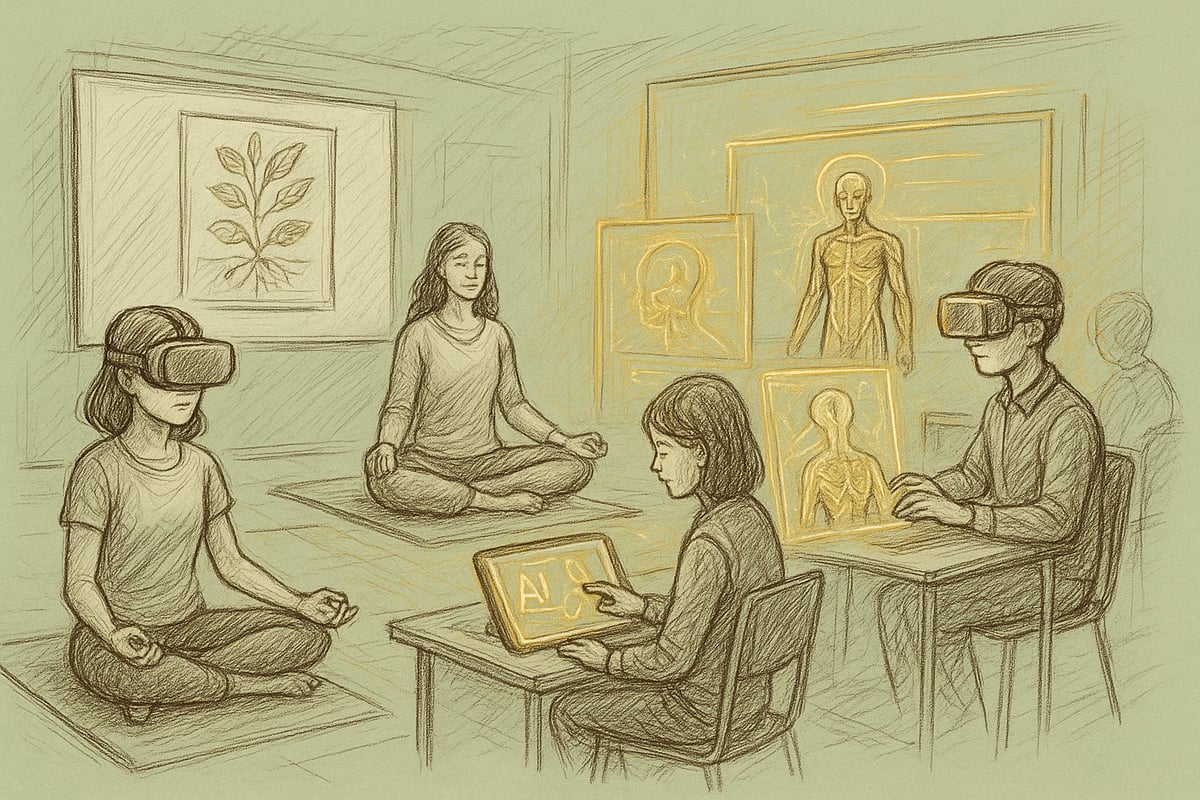
AI-driven personalized learning is revolutionizing holistic classes. Students receive tailored content and feedback, optimizing their learning journeys. This trend is highlighted in resources like Holistic AI adoption in education, which explores how AI supports individualized growth and workforce readiness.
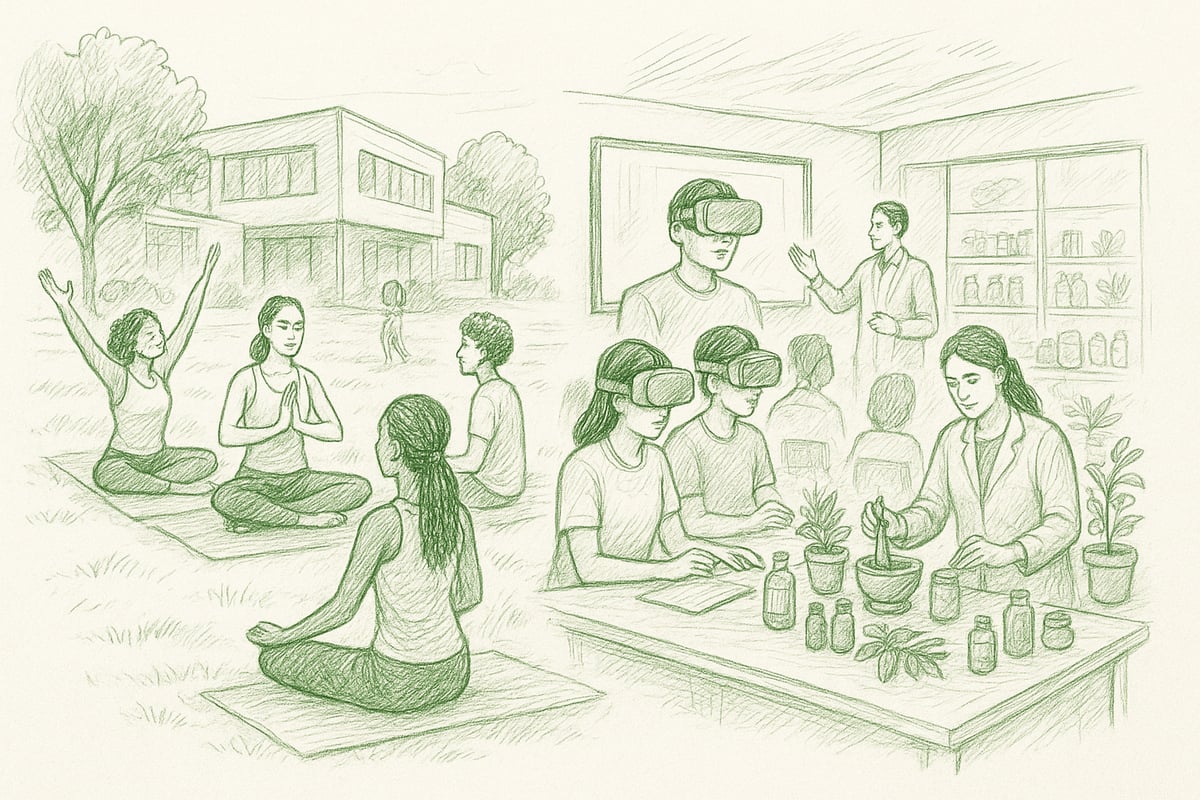
New certifications have emerged, such as Integrative Healing Arts, Holistic Nutrition, and Mind-Body Wellness Coaching. Institutions are using virtual reality for meditation experiences and digital anatomy labs, making holistic classes more interactive and accessible.
- AI-powered personalized learning modules
- VR-based meditation and anatomy labs
- Certifications in integrative healing and nutrition
These innovations ensure holistic classes remain relevant, evidence-based, and adaptable to diverse student needs.
Industry Partnerships and Career Alignment
Collaboration is a driving force behind the success of holistic classes in 2025. Holistic schools and healthcare organizations are forming partnerships to bridge clinical care and holistic wellness. Employers and insurance providers increasingly recognize holistic certifications, validating the career potential of holistic classes.
Hospitals partner with holistic nutrition and wellness coaching programs, creating new opportunities for graduates. The employment rate for holistic practitioners has increased by 30% since 2023, reflecting the robust demand for trained professionals.
- Hospital collaborations with training programs
- Employer acceptance of holistic certifications
- Insurance coverage for holistic services
As holistic classes continue to evolve, they offer clear pathways for career advancement and professional recognition, ensuring graduates are well-equipped for the future.
Types of Holistic Classes Available in 2025
The landscape of holistic classes in 2025 is more diverse and dynamic than ever before. Learners can now choose from a vast array of innovative programs designed for personal transformation, professional growth, and lifelong well-being. As holistic classes continue to evolve, students benefit from both time-honored wisdom and cutting-edge science.
Body-Based Modalities
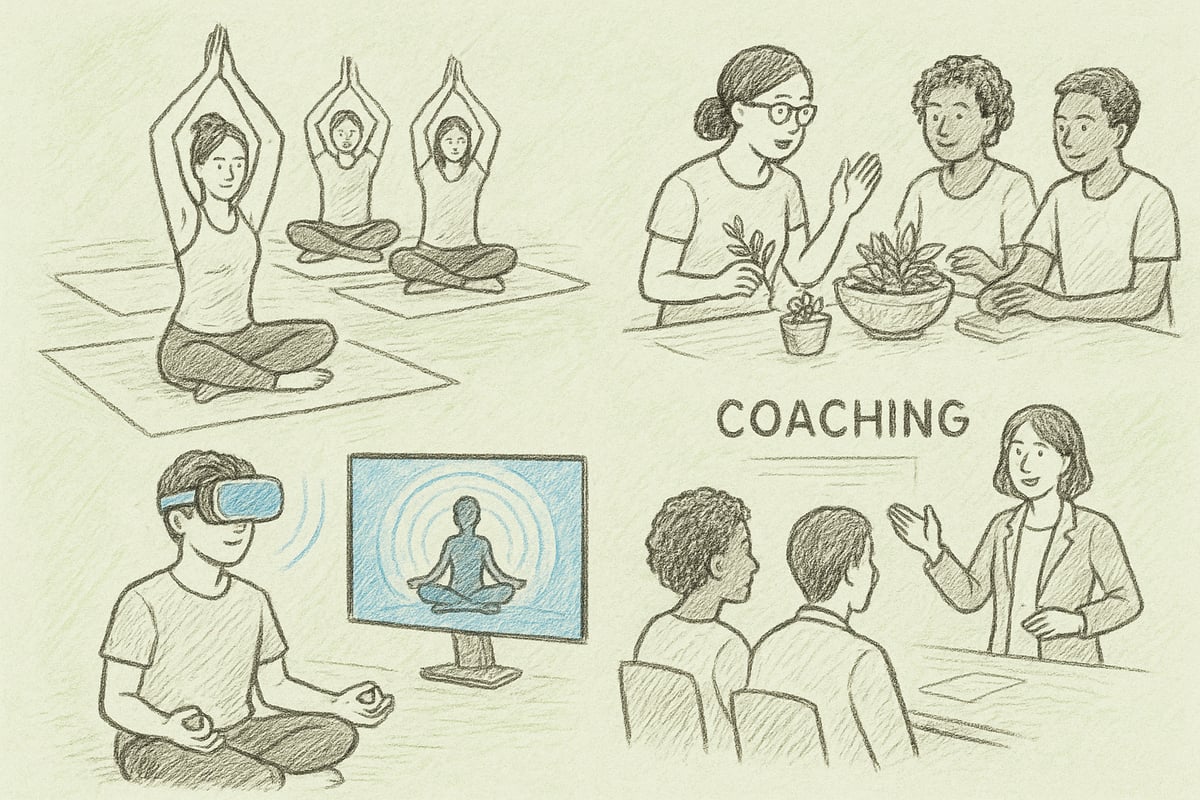
Body-based holistic classes remain foundational in 2025. These programs focus on the physical aspects of wellness, emphasizing movement, touch, and anatomical understanding. Popular offerings include massage therapy, myofascial release, cranial unwinding, and yoga teacher training.
Many institutions now blend Eastern and Western techniques, such as medical massage classes integrating acupressure with clinical anatomy. Trauma-informed approaches and somatic healing are central themes, ensuring that students learn to address both physical and emotional well-being. Trainees gain hands-on practice, advanced anatomy knowledge, and exposure to innovative therapies, making body-based holistic classes essential for anyone interested in integrative health careers.
Mind-Body and Energy Healing
Mind-body and energy healing holistic classes have gained tremendous popularity, especially as neuroscience and ancient wisdom converge. Students can enroll in programs like hypnotherapy, guided imagery, Reiki, polarity therapy, and shamanic studies.
A major trend is the incorporation of neuroscience principles to enhance learning and outcomes. For example, Neuroeducation gains momentum as educators use brain-based strategies to deepen the impact of mind-body practices. These holistic classes often include studies in meditation, breathwork, and the science of consciousness, helping students bridge the gap between traditional healing and modern psychology.
Nutrition, Herbalism, and Lifestyle
Holistic classes focusing on nutrition, herbalism, and lifestyle are thriving in 2025. Programs teach students to use food as medicine, emphasizing plant-based diets, sustainable agriculture, and practical herbalism.
Courses in Western herbalism and urban farming have become widely available, with many institutions offering online modules for hands-on learning. Students might engage in urban gardening projects or study the therapeutic properties of local plants. These holistic classes prepare graduates to educate communities about healthy living and empower individuals to make informed lifestyle changes.
Coaching, Counseling, and Spiritual Development
Coaching and counseling holistic classes are designed for those who wish to guide others on their wellness journeys. Offerings include health and wellness coaching, life coaching, end-of-life doula training, and spiritual celebrant programs.
The curriculum emphasizes motivational interviewing, ethical practice, and trauma-sensitive coaching. Many schools deliver these holistic classes online, blending live virtual practicums with self-paced study. This flexibility attracts working adults and career changers who seek meaningful, people-centered work. Graduates are equipped to support clients through personal growth, life transitions, and spiritual exploration.
Personal Development and Specialty Electives
For learners interested in self-growth or continuing education, specialty holistic classes abound. Short courses in aromatherapy, intuitive guidance, yoga nidra, spa treatments, and toe reading offer unique pathways for exploration.
Some programs, like reflexology and toe reading, are designed for both personal enrichment and professional use. These holistic classes cater to individuals seeking to enhance their own well-being or add new skills to their existing practice. Whether for career advancement or self-discovery, specialty electives provide accessible, engaging opportunities for lifelong learning.
How to Choose the Right Holistic Class or Program
Choosing the right holistic classes in 2025 requires careful thought and self-reflection. The landscape is filled with diverse options, so understanding your goals, assessing program quality, and evaluating support systems is crucial. Use this guide to navigate the process step by step.
Identifying Your Goals and Interests
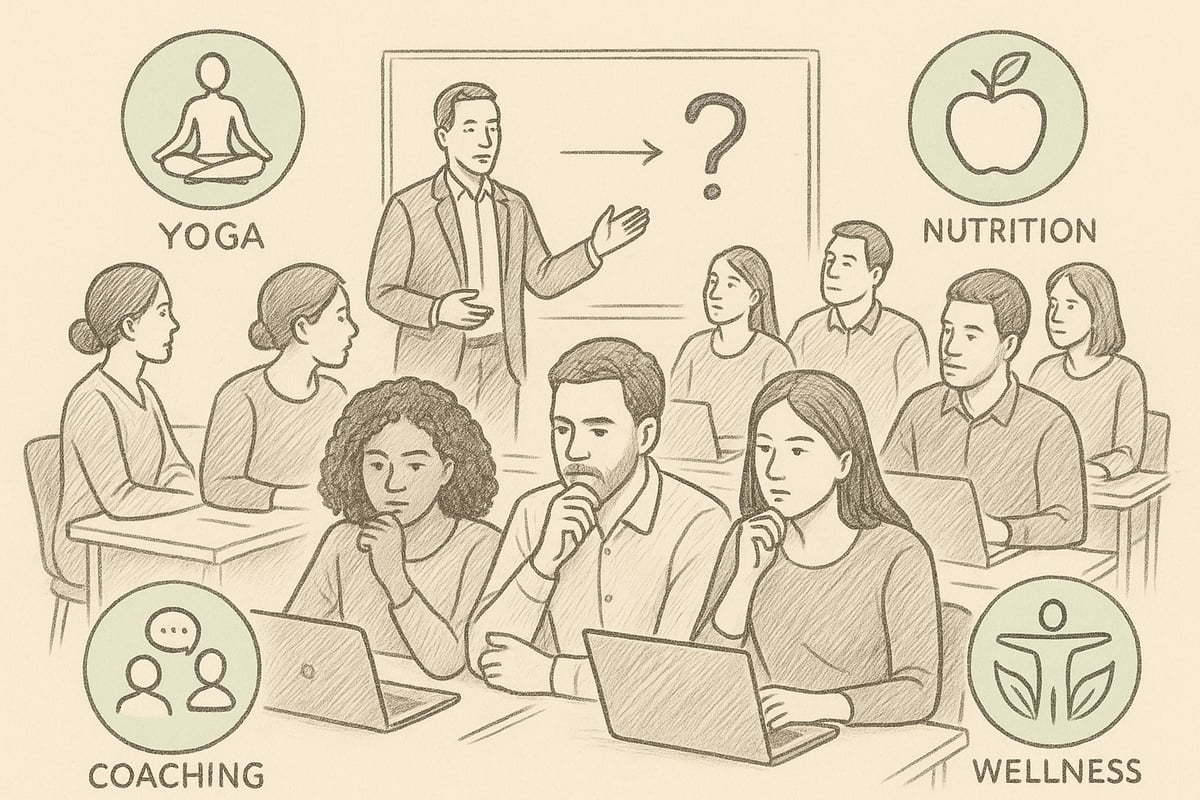
Start by clarifying your motivation for enrolling in holistic classes. Are you seeking a career change, personal growth, or professional development? Identify which aspects of holistic education—such as bodywork, nutrition, spiritual development, or coaching—resonate most with you.
- Reflect on what inspires you about holistic classes.
- Consider your current skill set and future aspirations.
- Decide if you want short-term learning or a path to certification.
By understanding your interests, you can narrow down holistic classes that align best with your vision.
Accreditation, Certification, and Instructor Expertise
Accreditation is a key factor when choosing holistic classes. Reputable programs are accredited by recognized bodies, which ensures quality and increases your credentials’ value. Instructor experience and teaching style also play a major role in your learning outcome.
- Verify program accreditation and industry recognition.
- Research faculty qualifications and student outcomes.
- Explore data-driven education and analytics for insights into how schools measure and improve student success.
Selecting accredited holistic classes with expert instructors boosts your confidence in the education you receive.
Delivery Formats: On-Campus, Online, and Hybrid Options
Holistic classes in 2025 are more accessible than ever, with formats ranging from traditional on-campus to fully online and hybrid models. Each option offers unique benefits and challenges.
| Format | Flexibility | Interaction Level | Best For |
|---|---|---|---|
| On-campus | Low | High | Hands-on learners |
| Online | High | Moderate | Remote students |
| Hybrid | Medium | High | Balanced approach |
Consider your schedule, learning style, and the need for hands-on practice when selecting holistic classes.
Cost, Financial Aid, and Return on Investment
Evaluate the cost of holistic classes, from tuition to materials and additional fees. Research available scholarships, grants, and payment plans to ease the financial burden. Consider the potential return on investment (ROI) based on career outcomes.
- Compare tuition rates for certificates, diplomas, and degrees.
- Investigate median salaries for holistic health practitioners in 2025.
- Calculate how quickly you can recoup educational expenses.
Making informed financial decisions helps ensure your holistic classes fit your budget and goals.
Community, Support, and Alumni Networks
A strong support system can make a significant difference in your holistic education journey. Look for programs that offer mentorship, peer collaboration, and active alumni networks.
- Seek holistic classes with vibrant student communities.
- Value programs that provide career services and ongoing education.
- Connect with alumni to gain real-world insights.
The right environment supports both your personal growth and professional advancement in the field of holistic classes.
Leading Institutions and Programs for Holistic Classes in 2025
The landscape of holistic classes in 2025 is rich with established institutions and innovative online platforms. As demand for holistic classes grows, students are seeking programs that offer flexibility, credibility, and cutting-edge curriculum. Schools are responding by expanding modalities and embracing technology to reach a wider audience. This shift is also driving global learning and cultural exchange, allowing students worldwide to access holistic classes that were once only available in select regions.
Below is a comparative table of top institutions for holistic classes in 2025:
| Institution | Location | Program Highlights | Delivery Formats |
|---|---|---|---|
| Southwest Institute of Healing Arts (SWIHA) | Arizona, USA | Mind-Body Wellness, Integrative Healing | On-campus, Online |
| International Institute of Integrative & Holistic Health Sciences | Global Online | Holistic Nutrition, Herbalism, Energy Work | Online, Hybrid |
| Holistic Academy of Europe | Europe | Shamanic Pathways, Urban Farming | Hybrid, On-campus |
| Pacific School of Healing Arts | California, USA | Advanced Herbalism, Clinical Aromatherapy | Online, In-person |
Students can choose holistic classes that align with their career goals and learning preferences, from in-person clinical practice to immersive online experiences.
Unique Features and Specializations
Leading institutions offering holistic classes in 2025 are distinguished by their specialized tracks and integration of technology. Some schools focus on niche areas such as urban farming, shamanic studies, or advanced herbalism. Others are pioneers in digital wellness, incorporating AI-powered coaching and virtual reality labs for anatomy or meditation.
Key unique features in holistic classes:
- Niche pathways: Urban gardening, end-of-life doula training, and spiritual celebrancy.
- Technology integration: VR meditation experiences, AI-driven curriculum personalization.
- Flexible learning: Hybrid programs with both online modules and hands-on practicums.
Programs like SWIHA’s Mind-Body Wellness Practitioner and Integrative Healing Arts Practitioner set the standard by blending evidence-based learning with real-world application. This diversity allows students to tailor holistic classes to their interests, from clinical roles to community wellness leadership.
Industry Recognition and Graduate Outcomes
Holistic classes are gaining strong recognition from employers, wellness organizations, and healthcare providers. Leading institutions report that 85% of graduates secure relevant employment within six months of completing their program. This high placement rate is a testament to the quality and industry alignment of holistic classes in 2025.
Graduates frequently share testimonials about how their holistic classes provided both practical skills and personal growth. Many programs offer active alumni associations, mentorship opportunities, and partnerships with hospitals or wellness centers. These connections help students transition smoothly from education to practice.
As holistic classes continue to evolve, institutions remain committed to maintaining rigorous standards and fostering lifelong professional development. Whether seeking a new career or expanding existing skills, students can trust that today’s top holistic classes deliver measurable results and ongoing support.
The Future of Holistic Classes: Opportunities and Challenges
The landscape of holistic classes is evolving rapidly, opening new doors for learners and professionals alike. As demand grows, these classes offer diverse opportunities while also presenting unique challenges. Let us explore what the future holds for holistic classes in 2025 and beyond.
Expanding Career Pathways in Holistic Health
The demand for practitioners trained in holistic classes is on the rise. New roles are emerging in hospitals, corporate wellness centers, and private practices. Graduates are finding opportunities as integrative health coaches, wellness directors, and holistic entrepreneurs.
A quick comparison of career settings:
| Role | Setting |
|---|---|
| Integrative Health Coach | Hospitals, clinics |
| Wellness Program Director | Corporate, schools |
| Holistic Entrepreneur | Private practice, online |
Holistic classes are now seen as a gateway to both traditional and innovative career paths. Employers value graduates with skills in both clinical and holistic approaches.
Technology and Digital Transformation
Technology is reshaping holistic classes through AI-powered learning, virtual classrooms, and immersive online simulations. Students can now access interactive content, participate in live webinars, and complete practicums remotely.
Some notable digital features include:
- Personalized learning paths using AI
- Virtual reality anatomy labs
- Branded wellness apps for community engagement
These advancements make holistic classes more accessible, flexible, and engaging for a global audience.
Addressing Systemic Barriers and Equity in Holistic Education
Efforts to increase equity in holistic classes are gaining momentum. Schools are working to decolonize curricula, ensuring diverse healing traditions are represented. Scholarships and outreach programs help make holistic classes accessible to underserved communities.
Culturally responsive teaching is becoming a standard, with Afroindigenous wellness groups leading the way. This shift ensures that holistic classes reflect a broader range of experiences and perspectives.
Regulatory, Ethical, and Professional Standards
As holistic classes become mainstream, new regulations and ethical guidelines are being implemented. National standards for holistic health coaching certification have been introduced in 2025, raising the bar for quality and safety.
Practitioners are expected to adhere to strict ethical codes, including informed consent and ongoing education requirements. These measures help protect both students and clients, ensuring holistic classes maintain their credibility.
Lifelong Learning and Community Engagement
Holistic classes promote lifelong learning through workshops, webinars, and active alumni networks. Graduates join vibrant communities where they can share knowledge, seek mentorship, and collaborate on projects.
Annual conferences and online masterminds offer additional opportunities for professional development. This strong sense of community keeps holistic classes relevant and dynamic for years to come.
Globalization and the International Reach of Holistic Classes
Holistic classes are no longer limited by geography. Online platforms now serve international students, promoting cross-cultural exchange of healing modalities and best practices.
Programs offer international certifications, enabling practitioners to work across borders. Global directories help connect holistic professionals, fostering a truly worldwide community.
The future of holistic classes is bright, filled with opportunities for growth, innovation, and connection.
As you explore the evolving landscape of holistic education in 2025, it’s clear that finding the right starting point is essential—whether you’re curious about new career paths, seeking personal growth, or aiming to integrate holistic practices into your daily life. If you’re ready to take the first step and experience the foundations of holistic medicine in a supportive, knowledgeable community, I invite you to join us for Intro to Holistic Medicine I. This free course is designed to help you discover what’s possible and empower you on your wellness journey.