The healthcare landscape in 2026 is rapidly evolving as the functional nurse practitioner emerges as a vital player bridging traditional and holistic care. This guide provides a complete overview of the functional nurse practitioner path, including roles, education, certification, career outlook, and future trends. Discover what these practitioners do, the steps to join this dynamic specialty, essential skills, certifications, and career opportunities. As the field grows, you will learn how to make a real difference for patients while building a versatile and rewarding career. Ready to explore the future of nursing?
What is a Functional Nurse Practitioner?
A functional nurse practitioner is redefining patient care by addressing the underlying causes of illness, not just symptoms. This advanced nursing role blends conventional medical knowledge with holistic strategies, offering a unique, patient-centered approach to health. Functional nurse practitioners are at the forefront of a movement focused on prevention, chronic disease reversal, and empowering patients to achieve optimal wellness.
Defining the Functional Nurse Practitioner Role
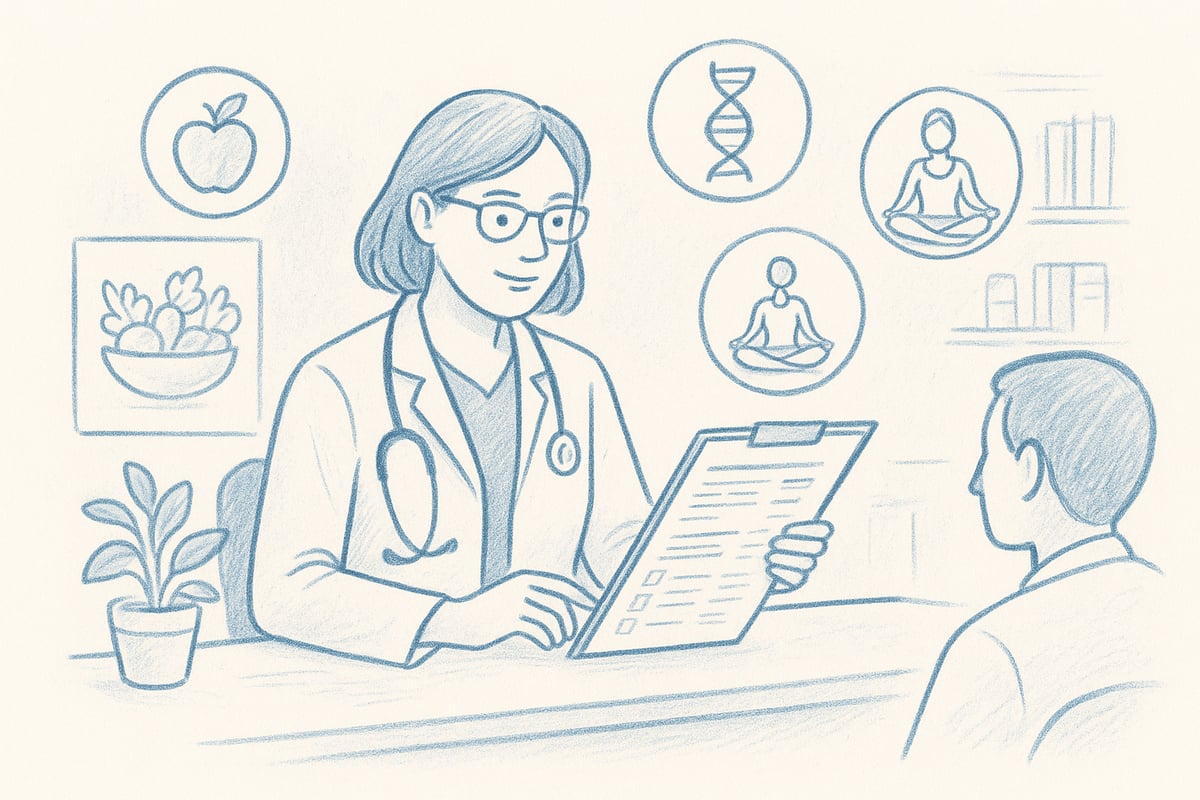
A functional nurse practitioner is an advanced practice registered nurse who specializes in holistic, root-cause, and patient-centered care. This role goes beyond treating symptoms, focusing instead on identifying and resolving the underlying contributors to health issues.
Functional nurse practitioners use an integrative approach, blending conventional medicine with lifestyle, nutrition, and environmental interventions. Their foundation is in systems biology, emphasizing prevention and the reversal of chronic diseases. These practitioners work closely with multidisciplinary teams, including physicians, nutritionists, and mental health professionals, to provide comprehensive care.
For example, a functional nurse practitioner managing a patient with autoimmune disease might combine nutrition therapy, stress reduction techniques, and conventional medication. To learn more about the foundational principles guiding this approach, explore this Functional medicine overview.
Scope of Practice and Core Responsibilities
The functional nurse practitioner conducts comprehensive health assessments, gathering detailed medical histories, lifestyle habits, and information about environmental exposures. They are trained to order and interpret both standard and advanced functional laboratory tests, which help uncover hidden imbalances or risk factors.
A key responsibility is creating personalized care plans that may include dietary guidance, nutritional supplementation, stress management strategies, and conventional treatments when appropriate. Patient education and empowerment are central to their practice, enabling individuals to take an active role in their health.
Functional nurse practitioners coordinate care with specialists and allied health professionals, ensuring a seamless experience for patients with complex or chronic conditions.
Key Skills and Competencies
To excel as a functional nurse practitioner, advanced clinical assessment and diagnostic reasoning skills are essential. A deep understanding of nutrition, genomics, and environmental health allows these practitioners to uncover connections between lifestyle and disease.
Communication is another core competency. Functional nurse practitioners use motivational interviewing, patient education, and shared decision-making to foster trust and engagement. They are skilled at integrating evidence-based holistic therapies with conventional care, ensuring the best possible outcomes.
For instance, a functional nurse practitioner might use laboratory data to detect subtle inflammation, then guide personalized interventions that address the root cause of a patient's symptoms.
Certification and Subspecialties
Becoming a functional nurse practitioner typically begins with a Master of Science in Nursing (MSN) or Doctor of Nursing Practice (DNP) degree, often with a focus on functional or integrative medicine. Many pursue additional certifications, such as the Institute for Functional Medicine Certified Practitioner (IFMCP) credential or integrative health board certifications.
Subspecialties are common, with many functional nurse practitioners focusing on areas like hormone health, gut health, autoimmune conditions, allergies, or metabolic disorders. The IFMCP program, for example, requires a master’s degree, an active nursing license, and successful completion of a 200-question exam with an $850 fee.
In 2026, more functional nurse practitioners are pursuing these advanced pathways to deliver specialized, comprehensive care.
Step-by-Step: How to Become a Functional Nurse Practitioner in 2026
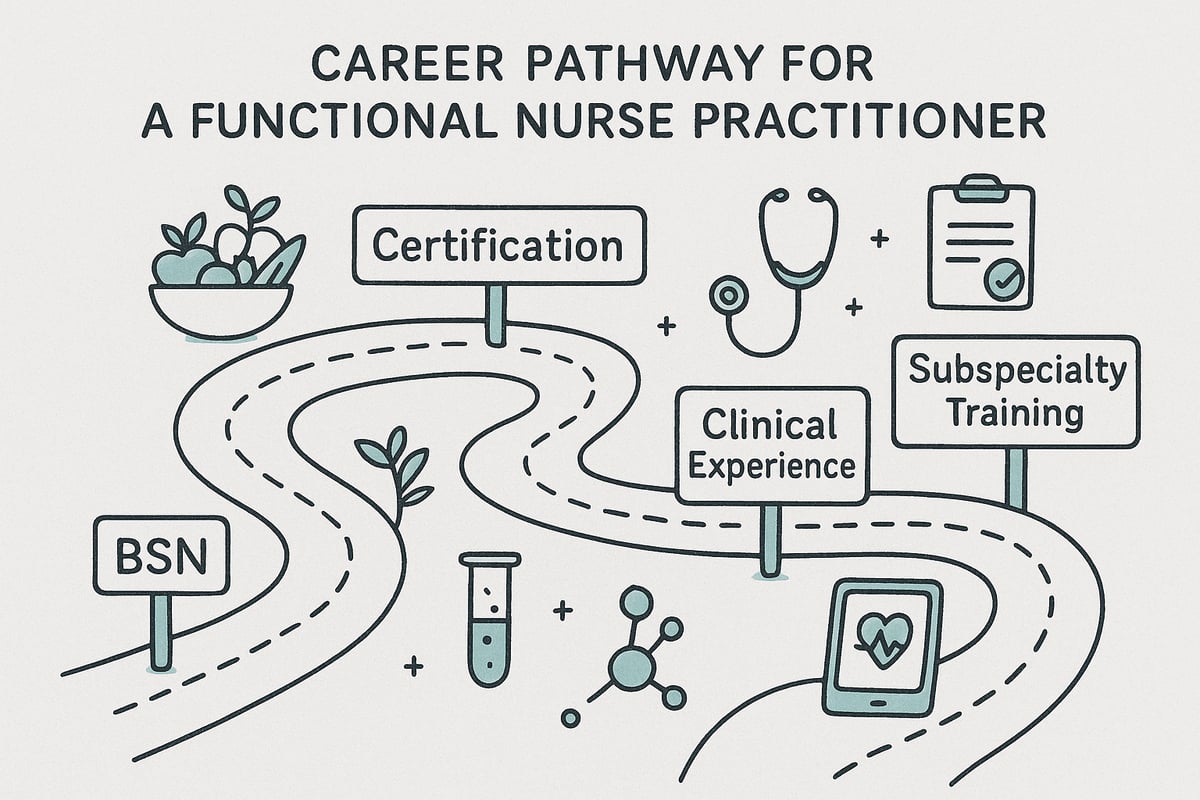
Embarking on the journey to become a functional nurse practitioner requires a strategic blend of education, clinical experience, and specialized training. Each step in this pathway is designed to equip you with the knowledge and skills needed to deliver advanced holistic care. Let us walk through the essential milestones for aspiring practitioners in 2026.
1. Educational Foundation: Nursing Degree
Your first step toward becoming a functional nurse practitioner is earning a Bachelor of Science in Nursing. This degree provides a solid grounding in patient care, critical thinking, and evidence-based practice. After graduation, you must pass the NCLEX-RN exam to obtain your registered nurse license.
Clinical experience as an RN is invaluable. It allows you to develop bedside skills and gain exposure to diverse patient populations. Foundational nursing knowledge forms the backbone of holistic assessment and patient-centered care, both essential for success as a functional nurse practitioner.
2. Advanced Practice Education: MSN or DNP
The next step is enrolling in an accredited master’s or doctoral nurse practitioner program. Look for curricula with integrative, holistic, or functional medicine content, as these align closely with the functional nurse practitioner role.
Many programs now offer flexible online or hybrid options, making them accessible to working nurses. Some schools provide electives focused on nutrition, lifestyle medicine, or systems biology. Completing this advanced education prepares you for the clinical and leadership responsibilities unique to a functional nurse practitioner.
3. Functional Medicine Training and Certification
After earning your advanced degree, pursue specialized training in functional medicine. Programs like the Functional Nursing Program for RNs and NPs offer a comprehensive curriculum tailored for nurses seeking expertise in root-cause care.
Coursework covers systems biology, advanced lab interpretation, nutrition, and environmental health. Certification typically requires a graduate degree, active license, application, and passing an exam. These credentials distinguish you as a functional nurse practitioner with advanced holistic skills.
4. State Licensure and Board Certification
To practice as a functional nurse practitioner, you must obtain nurse practitioner licensure in your chosen state. Each state has specific requirements for clinical hours and board exams, so review your local board’s guidelines carefully.
National certification as a family or adult-gerontology nurse practitioner is also required. Credentials from organizations like the AANP or ANCC validate your expertise and expand your scope of practice. Understanding state-specific regulations ensures legal and ethical practice as a functional nurse practitioner.
5. Gaining Clinical Experience and Mentorship
Hands-on clinical experience is vital as you transition into functional medicine practice. Seek out preceptorships, residencies, or mentorships in integrative health settings to gain real-world exposure.
Learning from experienced practitioners helps you refine diagnostic reasoning, case management, and collaborative care skills. Shadowing a seasoned functional nurse practitioner in a holistic clinic or wellness center accelerates your growth and confidence in this specialty.
6. Ongoing Professional Development
The field of functional medicine is dynamic, making ongoing education crucial for every functional nurse practitioner. Attend conferences, participate in workshops, and complete online courses to stay current with emerging research and therapeutic modalities.
Building a professional network within the functional and integrative medicine community opens doors to collaboration and mentorship. Continuous learning ensures you can adapt to new protocols and deliver the highest standard of care as a functional nurse practitioner.
7. Optional: Subspecialty Training and Career Advancement
As a functional nurse practitioner, you may choose to pursue subspecialty training in areas such as hormone health, gut health, or pediatrics. Advanced education in these fields enhances your expertise and broadens your career options.
Opportunities also exist for leadership, teaching, research, and entrepreneurship. Many practitioners launch private practices, consult for wellness programs, or develop digital health solutions. This flexibility allows you to personalize your career path as a functional nurse practitioner.
Functional Nurse Practitioner Career Paths and Opportunities
The functional nurse practitioner role offers diverse and rapidly expanding career paths in 2026. As healthcare shifts toward holistic and root-cause care, FNPs are positioned at the forefront of integrative practice. This specialty provides a variety of settings and populations to serve, with strong demand and rewarding professional growth.
Practice Settings and Employment Options
Functional nurse practitioners are found in a variety of dynamic settings, reflecting the breadth of the field. Opportunities include:
- Private functional or integrative medicine clinics
- Primary care practices adding functional medicine services
- Hospitals and specialty centers seeking holistic expertise
- Telehealth platforms for remote consultations
- Corporate wellness and public health programs
For example, a functional nurse practitioner might lead chronic disease management programs in a community clinic, designing interventions that blend lifestyle medicine with conventional care. This versatility allows FNPs to tailor their careers to their interests and values.
Patient Populations and Conditions Treated
A functional nurse practitioner cares for patients across the lifespan, addressing a wide spectrum of acute and chronic conditions. Common focuses include:
- Chronic diseases: diabetes, autoimmune, cardiovascular, gastrointestinal, and mental health
- Preventive care and wellness optimization
- Women’s health, pediatrics, and geriatrics
- Personalized care for complex or underserved populations
For instance, an FNP specializing in functional medicine may address metabolic syndrome by developing individualized lifestyle plans, targeting root causes for sustainable health improvements. This patient-centered approach enhances both outcomes and satisfaction.
Salary, Job Growth, and Demand in 2026
The outlook for functional nurse practitioner careers is exceptional. In 2026, median salaries for NPs exceed $120,000, with functional practitioners often commanding higher compensation due to advanced skills and specialization. The demand for holistic, root-cause providers continues to rise as chronic disease rates grow.
According to the Nurse Practitioner Career Outlook 2025, NP job growth is projected to surpass 40 percent from 2021 to 2031, with functional medicine roles expanding rapidly in both clinics and telehealth.
Professional Advancement and Leadership Roles
Functional nurse practitioners enjoy a wealth of opportunities for professional advancement. Career trajectories may include:
- Becoming a clinical director or program leader
- Teaching and mentoring future FNPs
- Engaging in research or publishing on integrative care
- Consulting for wellness programs or digital health startups
Some FNPs create online education platforms or develop innovative digital health solutions. This versatility allows practitioners to shape their careers, take on leadership roles, and make a broad impact on healthcare delivery.
Challenges and Rewards of the Career
A functional nurse practitioner faces unique challenges, such as navigating insurance reimbursement for integrative services and staying current with evolving science. Ongoing education is essential, and flexibility is key as the field grows.
The rewards, however, are substantial. FNPs report high patient satisfaction and see meaningful improvements in health outcomes. Balancing holistic philosophy with evidence-based practice, they make a tangible difference in patient lives and contribute to the transformation of healthcare.
Holistic Family Practice: A Model for Integrative Functional Nursing
Holistic Family Practice exemplifies the functional nurse practitioner’s ideal work environment. This model offers in-person and virtual consultations, remote patient monitoring, and health education. FNPs here focus on root-cause analysis, lifestyle interventions, and creating personalized care pathways.
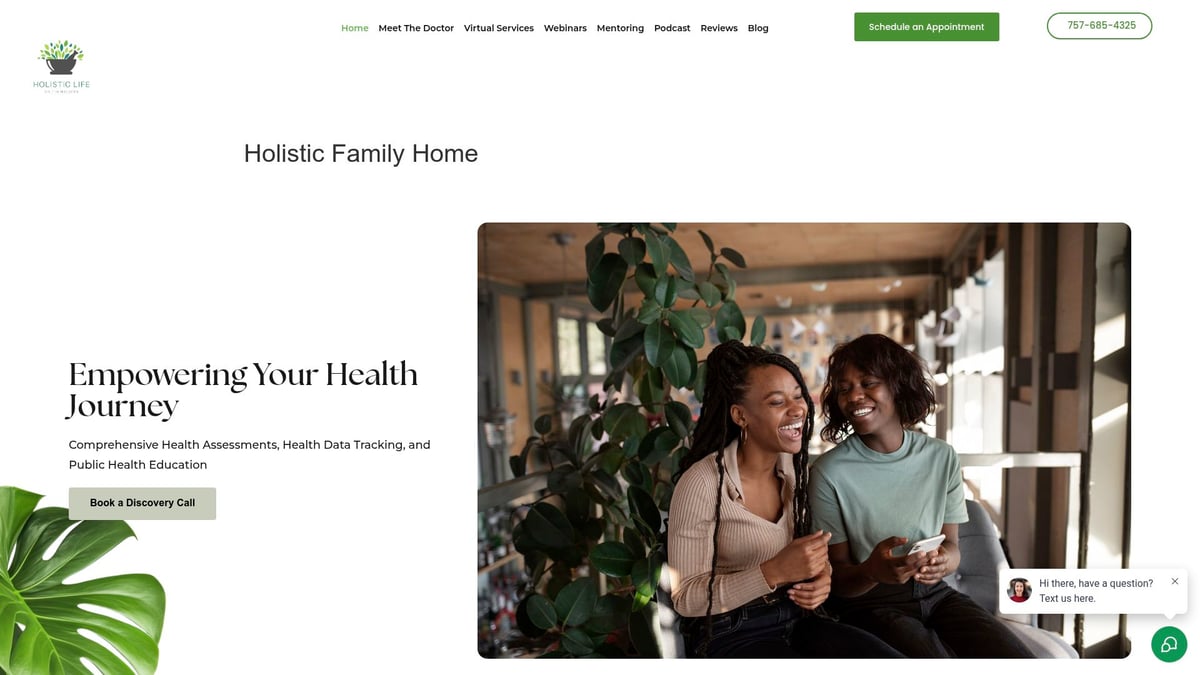
The practice emphasizes community, digital health, and ongoing professional development for practitioners. For those seeking to blend clinical excellence with holistic empowerment, Holistic Family Practice serves as an inspiring blueprint for the future of functional medicine nursing.
Essential Skills, Tools, and Technologies for Functional Nurse Practitioners
Successful practice as a functional nurse practitioner relies on a robust set of clinical skills, state-of-the-art tools, and innovative technologies. Mastery in these areas empowers FNPs to deliver holistic, patient-centered care and drive better health outcomes. Let us explore the core competencies and resources that define excellence in this evolving field.
Clinical and Interpersonal Skills
Every functional nurse practitioner must excel in advanced clinical assessment and diagnostic reasoning. This includes performing detailed health histories, physical exams, and evaluating lifestyle and environmental factors that influence patient health.
Equally important are interpersonal abilities. Skills such as motivational interviewing, patient coaching, and active listening foster trust and support behavioral change. Culturally competent and trauma-informed care ensures inclusivity, while clear communication enhances shared decision-making with patients and families.
Engaging with holistic health and wellness resources can help FNPs deepen their understanding of integrative approaches and develop stronger patient relationships. These clinical and interpersonal foundations are essential for guiding patients through sustainable changes and achieving transformative results.
Functional Medicine Lab Interpretation and Data Analysis
A functional nurse practitioner frequently orders and interprets advanced laboratory tests, such as comprehensive stool analyses, micronutrient panels, hormone profiles, and genomic screens. These tools help uncover hidden imbalances and root causes of chronic symptoms.
Proficiency in analyzing complex lab data is crucial. FNPs translate findings into tailored interventions, targeting issues like gut dysbiosis, nutrient deficiencies, or hormonal disruptions. For example, using GI mapping to address persistent digestive concerns is now a standard practice.
To further explore core topics such as gut health and chronic disease, many FNPs utilize educational resources like gut health and chronic disease. Mastery of these lab and data skills sets the functional nurse practitioner apart in modern patient care.
Digital Health, Telemedicine, and Remote Patient Monitoring
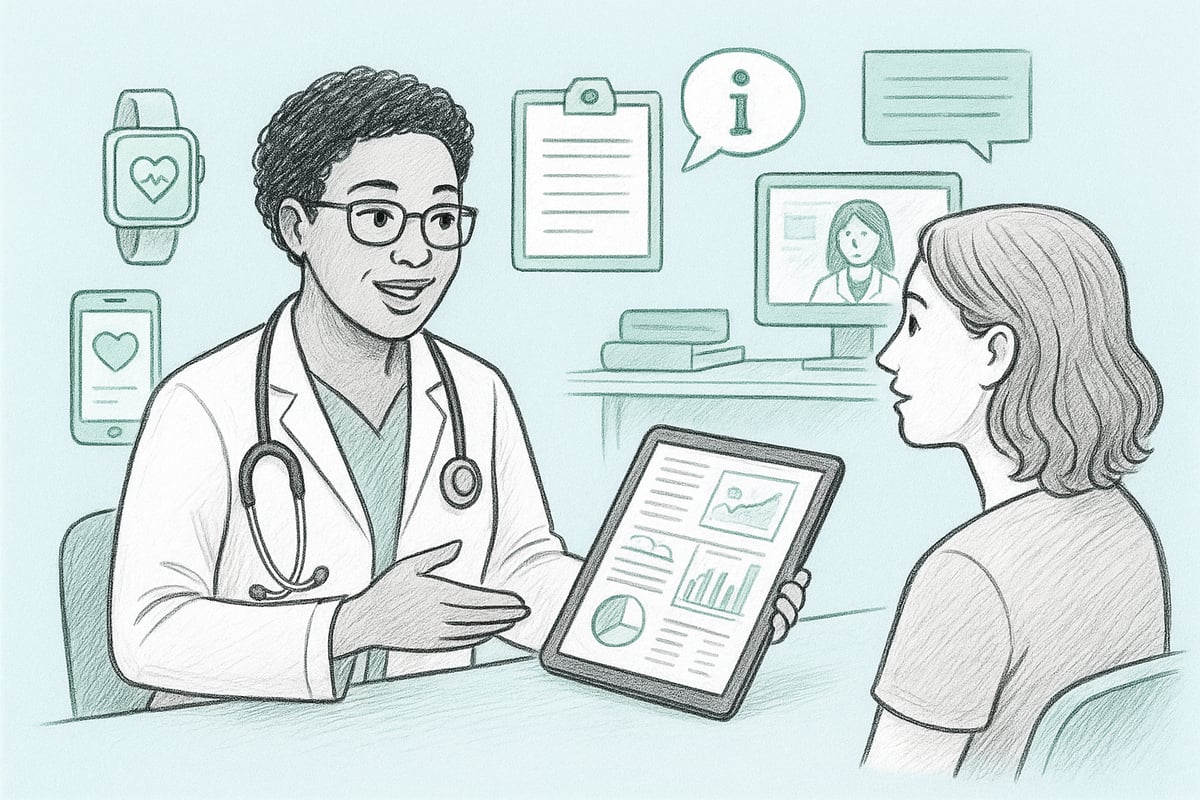
The functional nurse practitioner leverages digital health tools to expand access and streamline care. Telemedicine platforms enable virtual consultations, follow-ups, and group visits, making it easier for patients to connect with providers regardless of location.
Remote patient monitoring technologies, including wearable devices and mobile health apps, facilitate real-time tracking of symptoms, lifestyle habits, and treatment progress. These digital solutions allow FNPs to personalize care plans, monitor adherence, and respond quickly to patient needs.
By integrating telehealth and remote monitoring, FNPs can offer more flexible, patient-centered care while maintaining the holistic focus that defines their specialty.
Patient Education and Empowerment Strategies
A functional nurse practitioner is a guide and educator, helping individuals take charge of their health. Developing clear educational materials, hosting workshops, and creating digital content such as online courses or webinars are all vital strategies.
FNPs empower patients by fostering health literacy, encouraging self-advocacy, and breaking down complex medical concepts into understandable, actionable steps. Group programs for chronic disease prevention or lifestyle change can build community and accountability.
Patient education is an ongoing process, equipping individuals to make informed decisions and sustain positive health behaviors over time.
Collaboration and Interdisciplinary Practice
Collaboration is central to the role of a functional nurse practitioner. FNPs work closely with physicians, nutritionists, mental health professionals, and wellness coaches, creating a multidisciplinary support system for complex patient cases.
Building strong referral networks and participating in joint care teams enhances outcomes, especially for individuals with chronic or multifaceted conditions. Regular case reviews and interdisciplinary meetings foster learning and innovation.
This collaborative spirit ensures that care is comprehensive, integrated, and tailored to each patient’s unique needs, reinforcing the core values of functional medicine in practice.
The Future of Functional Nurse Practitioners: Trends and Predictions for 2026
The healthcare landscape is rapidly evolving, and the role of the functional nurse practitioner is poised for significant transformation in 2026. As demand for holistic, root-cause care intensifies, practitioners face both exciting opportunities and new challenges. Let us explore the major trends shaping the future of this dynamic specialty.
Expansion of Functional Medicine in Mainstream Healthcare
In 2026, functional medicine is no longer confined to niche clinics. Hospitals and primary care networks are increasingly adopting the functional nurse practitioner model to address chronic conditions and prevent disease. This expansion is driven by patient demand for integrative solutions and a growing body of research supporting holistic approaches.
For example, leading hospitals are piloting functional medicine programs that blend conventional and lifestyle-based therapies. Collaboration with multidisciplinary teams is becoming standard, allowing the functional nurse practitioner to impact patient care at every level. Insurance coverage is also improving, making these services more accessible.
Advances in Personalized and Precision Medicine
Personalized medicine is revolutionizing the way functional nurse practitioners deliver care. The integration of genomics, microbiome analysis, and biomarker testing allows practitioners to tailor interventions to each patient’s unique biology. This precision supports more effective treatment plans and better outcomes.
Artificial intelligence and big data are entering clinical practice, helping the functional nurse practitioner interpret complex data and predict patient responses. Imagine designing a nutrition plan based on genetic testing or using microbiome data to resolve chronic gut issues. These advances are making care more targeted and impactful.
Telehealth, Digital Tools, and Virtual Practice Models
The rise of telehealth is reshaping how the functional nurse practitioner interacts with patients. Virtual clinics, wearable devices, and health apps are now standard tools for monitoring and managing chronic diseases remotely. Patients benefit from greater convenience and continuity of care.
Functional nurse practitioners are leveraging digital platforms to deliver education, track symptoms, and adjust care plans in real time. Some are even running fully virtual practices, reaching patients who previously lacked access. This trend not only increases reach but also streamlines workflow and documentation.
Education, Certification, and Professional Development Evolution
The education pathway for the functional nurse practitioner is evolving rapidly. Universities are launching new degree programs and micro-credentials focused on functional and integrative medicine. Online learning is making advanced training more accessible for working professionals.
Continuous professional growth is essential in this field. Practitioners are turning to resources like Education and professional development to stay updated on research, protocols, and best practices. This commitment to learning ensures the functional nurse practitioner remains at the forefront of holistic care innovation.
Addressing Health Equity and Access in Functional Medicine
Equity is a major focus for the functional nurse practitioner community in 2026. Efforts to expand access to holistic care for underserved populations are gaining momentum. Community-based programs are being developed in both urban and rural areas to address disparities in chronic disease outcomes.
Practitioners are also prioritizing culturally competent care, recognizing the importance of meeting patients where they are. Initiatives to decolonize healthcare and build trust with marginalized communities are central to the evolving role of the functional nurse practitioner.
Career Outlook: Opportunities and Challenges Ahead
The future looks bright for the functional nurse practitioner, with demand expected to rise as chronic disease rates climb. New opportunities in leadership, research, and entrepreneurship are emerging, allowing practitioners to shape the direction of integrative healthcare.
However, there are challenges ahead. Rigorous research is needed to validate integrative therapies, and regulatory frameworks must adapt to support innovation. The functional nurse practitioner who commits to ongoing learning and adaptability will be well-positioned to thrive in this exciting era.
As you consider the evolving role of functional nurse practitioners and imagine yourself making a real impact in holistic healthcare, it’s essential to have the right educational foundation. If you’re ready to take the first step or strengthen your understanding of integrative medicine, I invite you to start with a focused learning experience that blends science and holistic wisdom. You don’t have to navigate this journey alone—explore practical strategies and evidence-based insights alongside a supportive community. Begin your path with our complimentary course, Intro to Holistic Medicine I, and empower your career with knowledge that truly transforms.