Healthcare in 2025 is evolving rapidly, as more people seek answers that go beyond symptom relief. Traditional models are being replaced by holistic, science-driven solutions that address the whole person. This shift is fueling interest in the functional medicine approach, which uncovers root causes and integrates the latest research with timeless wellness principles.
With the functional medicine approach, you can expect personalized care, improved outcomes for chronic conditions, and a proactive path to lifelong wellness. Ready to take control of your health? This guide will walk you through the core principles, patient journey, and real-world impact of the functional medicine approach—equipping you to thrive in 2025 and beyond.
What Is Functional Medicine? Foundations and Evolution
Functional medicine approach is transforming the landscape of healthcare by focusing on the interconnectedness of body systems and the unique needs of each patient. Unlike traditional models that often address symptoms in isolation, the functional medicine approach centers on uncovering and treating the underlying causes of illness. This patient-centered philosophy integrates the best of conventional medicine with evidence-based alternative therapies, creating a comprehensive path to long-term wellness.
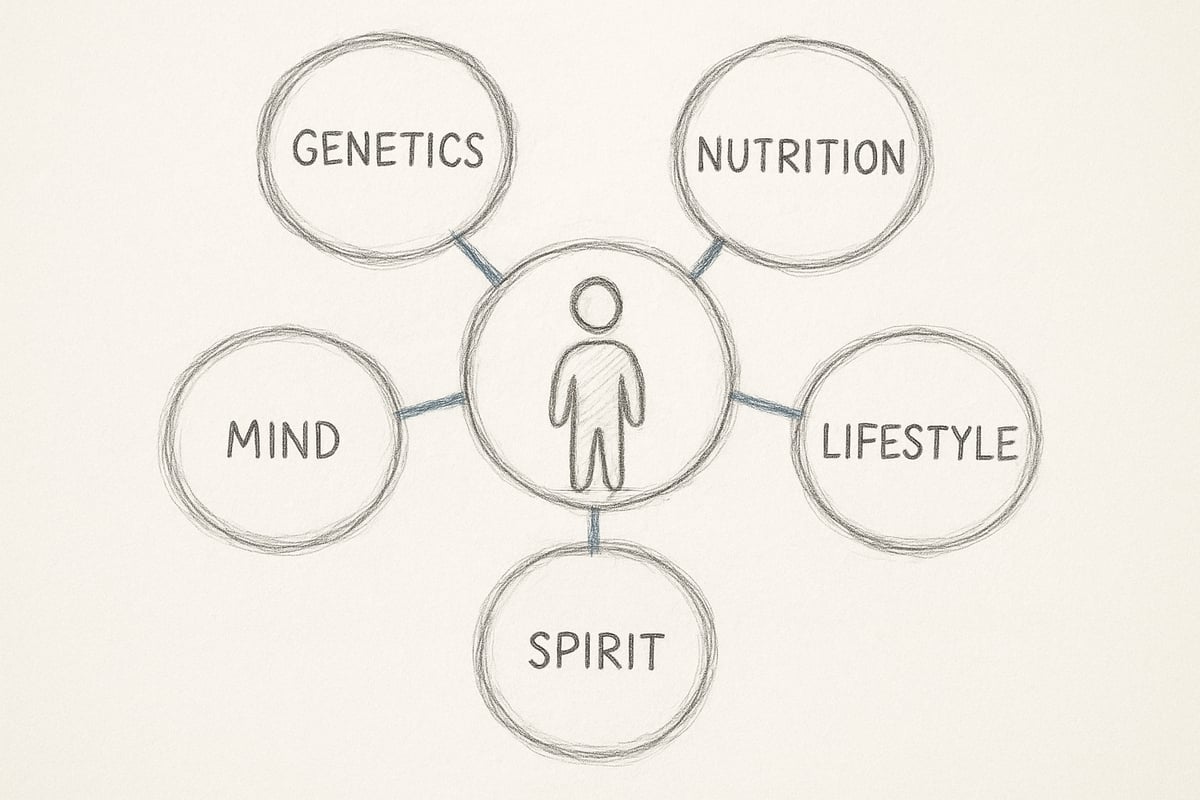
At its core, the functional medicine approach views health as a dynamic balance of genetics, environment, and lifestyle. Practitioners use detailed assessments to identify imbalances, aiming to prevent disease before it manifests. Rather than simply suppressing symptoms, the functional medicine approach seeks to restore optimal function across all body systems. This method stands in contrast to the conventional, disease-centered model, which often relies heavily on pharmaceuticals and acute interventions.
The historical evolution of the functional medicine approach began in the late 20th century, as practitioners recognized the limits of symptom-focused care. Over the past two decades, the approach has gained momentum due to the surge in chronic diseases like diabetes, autoimmune conditions, and heart disease. Patients increasingly seek answers that address their whole health, rather than temporary fixes.
Technological advancements, particularly in genomics and digital health, have accelerated the adoption of the functional medicine approach. Personalized data from wearable devices, advanced lab testing, and genetic analysis now enable practitioners to tailor interventions with unprecedented precision. As we reach 2025, the field stands at a tipping point. Factors such as the global rise in chronic disease, the explosion of digital health tools, and the impact of recent global health crises have pushed functional medicine into the mainstream. According to Functional Medicine in 2025, the next few years will see even broader integration of technology, data, and personalized care into this model.
Statistics underscore this shift. Over 60% of adults worldwide live with at least one chronic condition, driving demand for more effective, sustainable solutions. The functional medicine approach market is projected to continue its rapid growth, reflecting both practitioner adoption and patient interest.
The key benefits of the functional medicine approach are significant. Patients receive highly personalized treatment plans that address their unique genetic, environmental, and lifestyle factors. This leads to improved outcomes, especially in managing and reversing chronic diseases. The approach also proves cost-effective by focusing on prevention and reducing the need for expensive interventions.
Holistic integration is a hallmark of the functional medicine approach. Practitioners consider the mind, body, and spirit, using nutrition, stress management, and community support as part of comprehensive care. For example, a patient with an autoimmune disease who struggled with flares for years achieved remission through a functional medicine approach. By addressing gut health, environmental toxins, and stress, the patient experienced lasting improvements, illustrating the transformative power of this model.
The functional medicine approach not only enhances patient satisfaction, but also supports a proactive, empowered journey to health. Through its evolution, scientific rigor, and holistic perspective, it represents the future of healthcare in 2025.
Core Principles of the Functional Medicine Approach
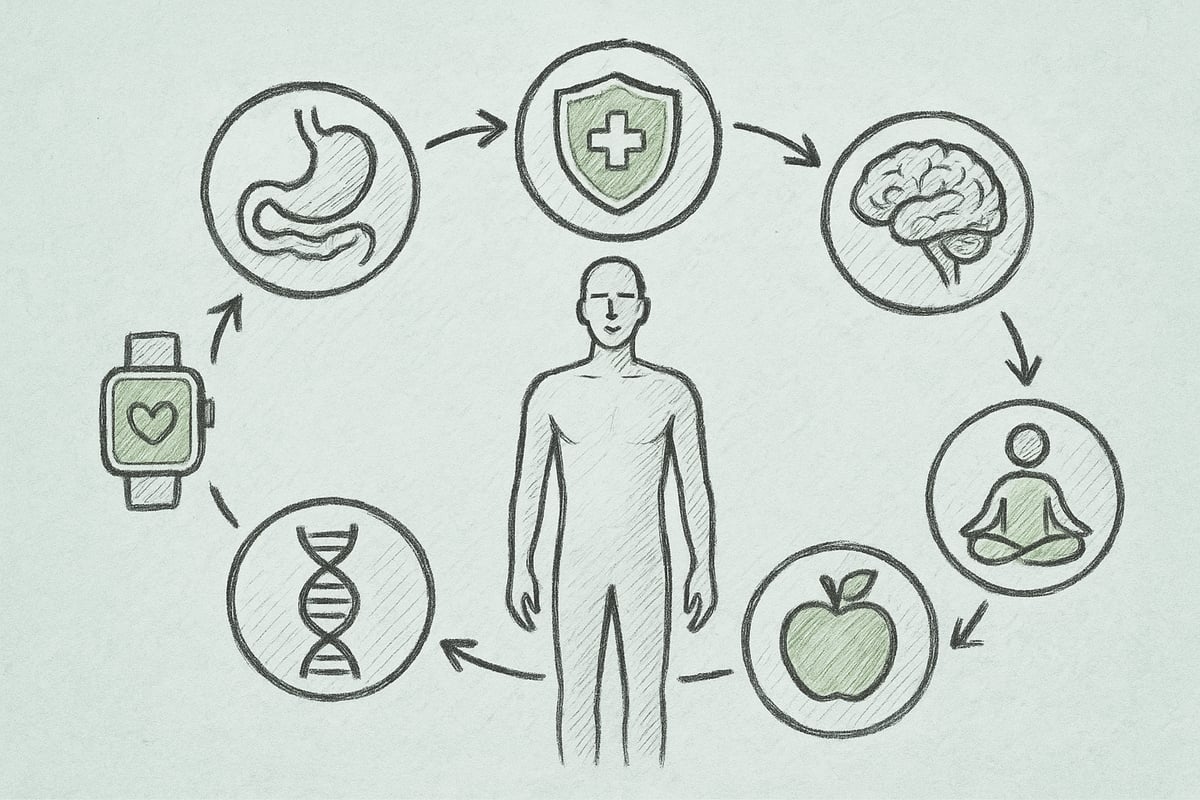
The functional medicine approach is built on foundational principles that challenge the conventional, fragmented model of healthcare. By focusing on interconnected systems, personalized plans, and proactive wellness, this approach empowers patients to become active participants in their own health journey.
Systems Biology & Root Cause Resolution
At the heart of the functional medicine approach is systems biology, which views the human body as a network of interconnected systems rather than isolated organs. Practitioners seek to understand how genetics, environment, and lifestyle interact to influence health.
Instead of suppressing symptoms, the functional medicine approach investigates root causes. For instance, addressing gut health may resolve not only digestive complaints but also skin issues or mood disorders. This method contrasts sharply with traditional medicine, where treatment often targets symptoms rather than underlying triggers.
Example: A patient with chronic skin problems finds lasting relief by treating intestinal imbalances, illustrating how the functional medicine approach uncovers and resolves the true source of illness.
Personalized and Integrative Care
Personalization is a defining characteristic of the functional medicine approach. Each patient receives a tailored plan that integrates cutting-edge genomics, comprehensive lab testing, and in-depth lifestyle assessments.
Care plans often combine nutrition, targeted supplements, movement, sleep optimization, and conventional therapies. For example, a practitioner may develop a custom supplement protocol based on a patient's unique lab results and genetic profile.
This personalized care model is rapidly evolving, as noted in 2025 Functional Medicine Trends, with precision diagnostics and advanced data analytics enabling even more individualized interventions.
Patient Empowerment and Partnership
The functional medicine approach fosters a partnership between practitioner and patient, emphasizing education and shared decision-making. Patients are encouraged to become informed, proactive participants in their care rather than passive recipients.
Health coaching, digital self-tracking tools, and regular feedback sessions are common. These resources help patients monitor progress, make informed choices, and adjust their lifestyle for optimal results.
Example: A patient uses a self-tracking app to log nutrition, sleep, and stress levels, collaborating with their provider to fine-tune their health plan within the functional medicine approach.
Prevention and Proactive Health
Prevention is a cornerstone of the functional medicine approach. Rather than waiting for disease to manifest, practitioners focus on early detection, risk factor modification, and lifestyle optimization.
Regular screenings and ongoing assessments help identify potential issues before they escalate. Preventive strategies have been shown to reduce long-term healthcare costs and improve overall patient well-being.
By addressing risk factors early, the functional medicine approach shifts healthcare from reactive to proactive, supporting sustained wellness for years to come.
Holistic Mind-Body-Spirit Integration
The functional medicine approach recognizes that true health extends beyond the physical body. Emotional, mental, and spiritual well-being are considered essential components of healing and resilience.
Practitioners may incorporate mindfulness practices, stress management techniques, and community support into treatment plans. This holistic view ensures that all aspects of a patient's life are addressed, not just physical symptoms.
Example: Integrating meditation and group support into care helps patients build emotional resilience and fosters a deeper sense of connection and purpose within the functional medicine approach.
Step-by-Step Guide to the Functional Medicine Patient Journey in 2025
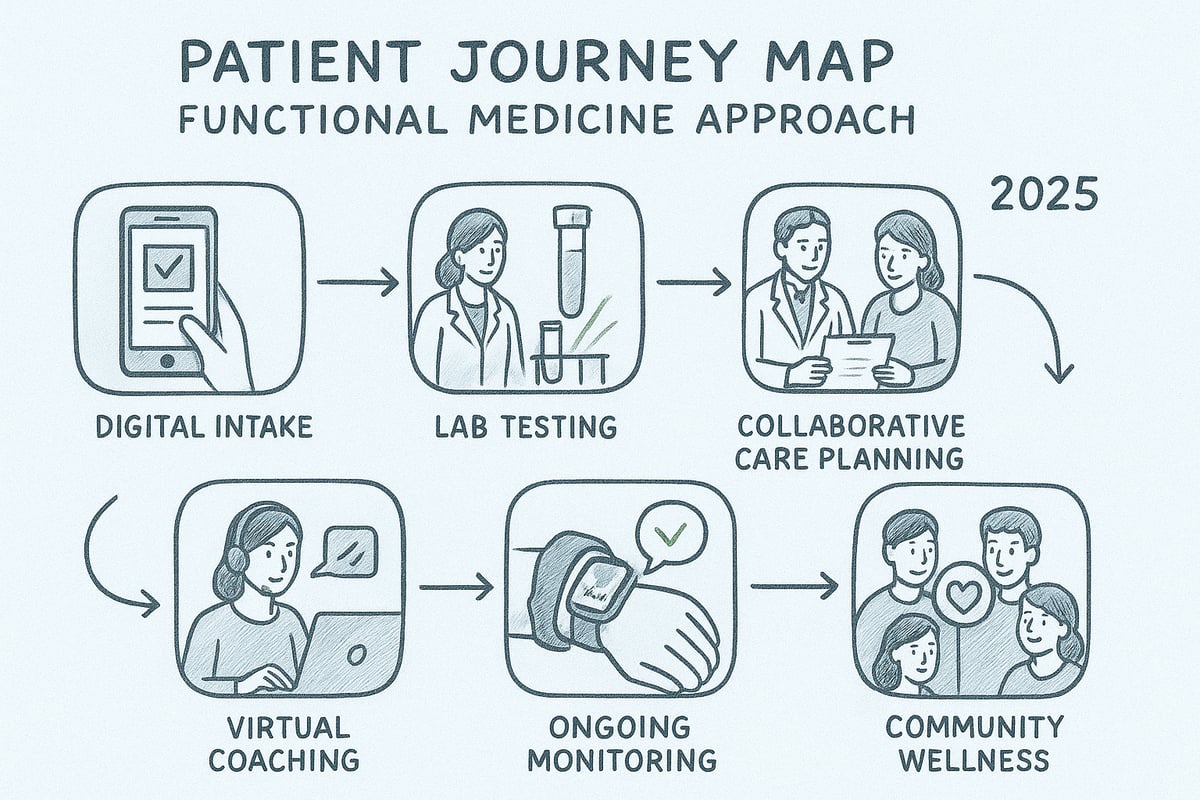
Embarking on the functional medicine approach in 2025 is a transformative process. This journey is structured, evidence-based, and deeply personalized. Each step is designed to uncover the root causes of health issues, empower patients, and foster lifelong wellness. Let us walk through each stage, highlighting how technology, collaboration, and holistic care define the modern patient experience.
Step 1: Comprehensive Assessment and Intake
The first step in the functional medicine approach is a comprehensive assessment that leaves no stone unturned. Patients provide a detailed health history, including genetics, environment, diet, stressors, and lifestyle habits. In 2025, this process is streamlined with advanced digital intake forms and secure telehealth platforms.
Patients can log symptoms, track sleep, diet, and mood, and upload medical records through integrated mobile apps. This digital intake enables practitioners to gather a holistic view of health factors before the initial consultation. The functional medicine approach prioritizes understanding the full context of the individual rather than focusing on isolated symptoms.
For example, a patient with recurring digestive issues might log daily food intake, stress levels, and sleep quality. This data, collected over weeks, helps identify patterns and potential triggers. By using comprehensive digital tools, the functional medicine approach ensures that no aspect of a patient’s story is overlooked.
Step 2: Advanced Diagnostics & Testing
Once the initial assessment is complete, the functional medicine approach moves to advanced diagnostics. Here, practitioners rely on functional lab panels to assess hormones, gut microbiome, inflammation markers, and nutrient status. The integration of wearable technology allows real-time collection of data such as sleep patterns, glucose levels, and heart rate variability.
Patients may wear a continuous glucose monitor or use a fitness tracker to provide ongoing feedback. Practitioners interpret these results to uncover hidden imbalances that may drive symptoms. For example, a patient with fatigue may reveal disrupted cortisol rhythms or micronutrient deficiencies.
The functional medicine approach leverages both conventional and cutting-edge tools to create a clear picture of health status. This step ensures that interventions are based on objective data, not guesswork, setting the stage for a truly personalized plan.
Step 3: Personalized Health Plan Development
With comprehensive data in hand, the functional medicine approach focuses on collaborative health plan development. Practitioner and patient work together to set realistic goals and prioritize interventions. This partnership is central to the process, ensuring that care is both evidence-based and tailored to individual needs.
Plans typically integrate nutrition, movement, sleep hygiene, stress reduction, supplements, and conventional therapies where appropriate. For instance, a person diagnosed with metabolic syndrome may receive a customized nutrition plan, exercise regimen, and supplement protocol based on lab results.
A shared care plan is accessible through digital platforms, allowing both patient and practitioner to track progress and make adjustments. This collaborative, iterative process is a hallmark of the functional medicine approach and is key to achieving sustainable results.
Step 4: Implementation and Support
The implementation phase brings the health plan to life. Patients receive ongoing support through health coaching, virtual check-ins, and access to digital resources. The functional medicine approach recognizes that change is a journey, not a one-time event.
Weekly virtual check-ins help patients stay accountable and address challenges. Mobile apps send reminders for supplements, hydration, or mindfulness practices. Community forums and support groups offer encouragement and shared learning.
For example, a patient working on stress management may join a virtual mindfulness group while tracking progress through a wellness app. This step ensures that patients are never alone, making the functional medicine approach both supportive and empowering.
Step 5: Ongoing Monitoring and Optimization
Sustained health requires continuous monitoring and fine-tuning. The functional medicine approach includes regular follow-ups, retesting, and plan adjustments based on evolving needs. Wearable devices and self-tracking apps provide real-time feedback, making it easier to spot trends and intervene early.
Patients may transition from intensive support to more independent self-management as confidence grows. For instance, after stabilizing blood sugar levels, a patient might move to quarterly check-ins for ongoing optimization.
This dynamic process ensures that care remains relevant and effective. The functional medicine approach adapts to changing life circumstances, helping patients maintain progress and prevent relapse.
Step 6: Prevention and Lifelong Wellness
The final step of the functional medicine approach is a focus on prevention and lifelong wellness. Patients are equipped with tools, knowledge, and community support to sustain their health gains. Education is ongoing, with access to webinars, online courses, and peer groups.
Community participation fosters accountability and motivation. Patients may join online wellness collectives or attend virtual seminars on nutrition and stress management. This culture of continuous learning and proactive care distinguishes the functional medicine approach and supports lasting transformation.
For more insights into the evolving landscape of functional medicine and what to expect in the coming years, see these Functional Medicine Predictions for 2026.
Innovations and Trends in Functional Medicine for 2025
The functional medicine approach is at the forefront of healthcare innovation in 2025. Rapid advances in technology, data science, and holistic care models are transforming how practitioners and patients address health challenges. These trends are reshaping the landscape, creating new opportunities for personalized and proactive wellness.
Digital Health, AI, and Remote Patient Monitoring
Digital health tools now play a central role in the functional medicine approach. Artificial intelligence analyzes patient data from wearables, apps, and remote sensors, helping practitioners detect patterns and predict health risks earlier. Real-time monitoring of sleep, heart rate variability, and glucose levels supports continuous care and enables timely interventions.
AI-driven platforms provide tailored recommendations for lifestyle changes, supplement adjustments, and medication management. These innovations empower patients to take charge of their health, regardless of location. According to the Functional Medicine Diagnostic Market Growth, the market for advanced diagnostics is projected to expand rapidly by 2035, reflecting the growing demand for data-driven care. This evolution signals a new era for the functional medicine approach, where digital tools and human expertise work hand in hand.
Genomics, Microbiome, and Precision Nutrition
The functional medicine approach leverages cutting-edge genomics and microbiome analysis to create truly personalized health plans. Genomic sequencing reveals genetic predispositions, while microbiome testing uncovers imbalances in gut flora that influence immunity, metabolism, and mental health.
Precision nutrition is now possible, with dietary recommendations tailored to each individual’s genetic makeup and microbiome profile. This enables practitioners to address root causes, optimize nutrient intake, and support long-term wellness. The integration of these technologies into the functional medicine approach ensures interventions are not just reactive but preventive and proactive.
Integrative Modalities and Global Healing Traditions
A defining trend in the functional medicine approach is the blending of evidence-based science with global healing traditions. Modalities such as Ayurveda, Traditional Chinese Medicine, herbal therapies, and meditation are now combined with modern diagnostics and conventional care.
Practitioners craft integrative protocols that respect cultural diversity and patient preferences. For example, herbal remedies may complement pharmaceutical interventions, while mindfulness practices are integrated into chronic disease management. This holistic perspective within the functional medicine approach fosters healing on physical, emotional, and spiritual levels.
Community and Group-Based Care Models
The functional medicine approach increasingly values the power of community. Group visits, virtual wellness collectives, and online support forums connect individuals with shared health goals. These models promote accountability, education, and social support, which are critical for sustainable behavior change.
Patients benefit from collective learning and encouragement, reducing isolation often experienced with chronic conditions. Group-based care also enables practitioners to reach more people efficiently, making the functional medicine approach more accessible and impactful.
Accessibility and Health Equity
Expanding access to care is a top priority for the functional medicine approach in 2025. Telehealth platforms, digital education, and inclusive outreach efforts are bridging gaps for underserved populations. More clinics now offer sliding-scale fees and community-based programs to address disparities in chronic disease outcomes.
By leveraging technology and community resources, the functional medicine approach is democratizing wellness. Everyone, regardless of background or geography, can now benefit from personalized, integrative care. These advances are essential for creating a healthier, more equitable future.
Real-World Impact: Functional Medicine in Action
The functional medicine approach is transforming patient experiences and healthcare outcomes around the world. By focusing on root causes and integrating personalized care, this innovative model empowers individuals to achieve sustainable health improvements. Below, we explore how the functional medicine approach delivers measurable impact in real-life scenarios.
Transforming Chronic Disease Management
The functional medicine approach is particularly effective in addressing chronic diseases such as diabetes, autoimmune disorders, and mental health conditions. By identifying and treating the underlying causes, practitioners help patients experience significant improvements.
- A patient with type 2 diabetes reverses their condition through targeted nutrition and lifestyle interventions.
- Individuals with autoimmune diseases achieve remission by addressing gut health, inflammation, and stress.
- Mental health outcomes improve when root causes, such as nutrient deficiencies or sleep issues, are resolved.
Recent patient-reported outcomes show increased energy, better mood, and reduced pain, all resulting from the functional medicine approach.
Patient Testimonials and Success Stories
Real stories highlight the life-changing effects of the functional medicine approach. Patients consistently report feeling heard, empowered, and supported throughout their health journey.
- One family transitioned to a holistic lifestyle, leading to generational health improvements.
- A young adult overcame chronic fatigue by uncovering food sensitivities and adopting a tailored nutrition plan.
- Testimonials reveal that patients value the collaborative partnership and personalized attention.
These accounts demonstrate how the functional medicine approach fosters trust, engagement, and lasting results for individuals and families.
Cost Savings and Healthcare System Benefits
Adopting the functional medicine approach not only benefits patients but also reduces strain on healthcare systems. Programs focused on prevention and root cause resolution have shown to lower overall spending.
- Hospitals report fewer admissions and shorter stays for patients engaged in functional medicine care.
- Medication use declines as underlying health issues are addressed.
- Data from recent studies indicate functional medicine programs can reduce total healthcare costs by up to 30 percent.
These financial advantages make the functional medicine approach an appealing solution for sustainable, long-term health management.
Addressing Root Causes for Lasting Change
A core strength of the functional medicine approach lies in its ability to produce lasting change by targeting factors such as diet, toxins, stress, and environmental exposures.
- Patients who eliminate environmental toxins often see chronic symptoms improve.
- Personalized nutrition and stress management strategies resolve issues that traditional care may overlook.
- Community support and education help individuals maintain healthy habits over time.
By addressing root causes, the functional medicine approach offers hope and results to those seeking more than symptom relief.
How to Get Started with the Functional Medicine Approach in 2025
Adopting the functional medicine approach in 2025 empowers you to take control of your health with science-backed, holistic strategies. Whether you are managing a chronic illness or seeking preventive care, this pathway offers a personalized roadmap for lifelong wellness. Here is how to get started and make the most of your journey.
Finding a Qualified Functional Medicine Practitioner
Choosing the right professional is the first step toward a successful functional medicine approach. Look for practitioners with reputable credentials such as IFM certification and a strong background in patient-centered care.
Today, you can access care both locally and through telehealth platforms. Many qualified experts offer virtual consultations, making it easier to find a provider who fits your needs. Compare options by checking reviews, experience, and their philosophy toward the functional medicine approach.
Table: Practitioner Selection Checklist
| Criteria | Local | Virtual |
|---|---|---|
| IFM Certified | Yes | Yes |
| Flexible Scheduling | Varies | Often |
| Personalized Plans | Yes | Yes |
| Digital Tools | Sometimes | Frequently |
What to Expect in Your First Visit
Your initial experience with the functional medicine approach will likely feel different from traditional appointments. Expect an in-depth intake process, covering your health history, lifestyle, environment, and genetics.
Laboratory testing is often recommended to uncover root causes. Practitioners will collaborate with you to set achievable goals, focusing on education and empowerment. This approach ensures your plan is tailored, actionable, and aligned with your personal health vision.
Leveraging Digital Tools and Community Resources
In 2025, digital innovation is central to the functional medicine approach. Use mobile apps to log symptoms, track nutrition, and monitor progress. Many programs offer online courses to deepen your knowledge and provide group support for motivation.
You can choose between self-guided resources or practitioner-guided programs, depending on your comfort level. Community forums and peer support groups help you stay engaged and accountable as you implement the functional medicine approach.
Tips for Maximizing Success
To thrive with the functional medicine approach, stay proactive and open to learning. Regularly review your goals, track progress, and communicate openly with your care team.
Engage in ongoing education through webinars, articles, or virtual workshops. Involvement in a supportive community can boost your motivation and foster lasting change. Remember that commitment and consistency are key to experiencing the full benefits of the functional medicine approach.
Holistic Family Practice: Integrative Care and Education for Functional Medicine Success
Holistic Family Practice is a leading resource for individuals and families seeking the functional medicine approach in 2025. They offer both virtual and in-person consultations, advanced assessments, and custom care plans.
Patients benefit from digital health tracking, remote monitoring, and access to more than 130 health programs through the Holistic Life App. The practice prioritizes education, providing free webinars, an online Functional Medicine Lab Panel Mastery course, and continuous mentorship.
Community support is central to their model, with online groups and regular educational content. Led by Dr. Erica Steele, Holistic Family Practice blends scientific rigor with holistic wisdom, empowering you to reclaim your health. Begin your journey by scheduling a complimentary discovery call or exploring their digital resources.
As you reflect on the possibilities that functional medicine opens up for your health in 2025, remember that true transformation starts with taking the first step toward understanding your unique needs and goals. If you’re ready to explore how a personalized, holistic approach can help you reclaim your vitality and address the root causes of your health challenges, I invite you to connect with our expert team. Together, we can map out a path that blends scientific insight with holistic wisdom—tailored just for you. Schedule your complimentary session today:
Book a Discovery Call