Are you struggling to find the right functional endocrinologist near me as healthcare rapidly evolves in 2026? With expanding digital health options and greater patient empowerment, navigating functional medicine and endocrinology can feel overwhelming.
This guide is designed to simplify your search by offering seven essential, actionable tips to help you achieve optimal health outcomes. You will learn how to evaluate credentials, leverage technology, prioritize personalized care, assess integrative approaches, tap into community resources, consider costs, and stay ahead of future trends.
Ready to take control of your health journey? Let these expert-backed strategies guide you toward the best possible care.
Understanding Functional Endocrinology in 2026
Are you wondering what sets a functional endocrinologist near me apart from a traditional hormone specialist? As healthcare evolves rapidly in 2026, understanding this distinction is more important than ever. Let’s explore the foundations, local access advantages, emerging trends, and the conditions most often addressed.
What Is Functional Endocrinology?
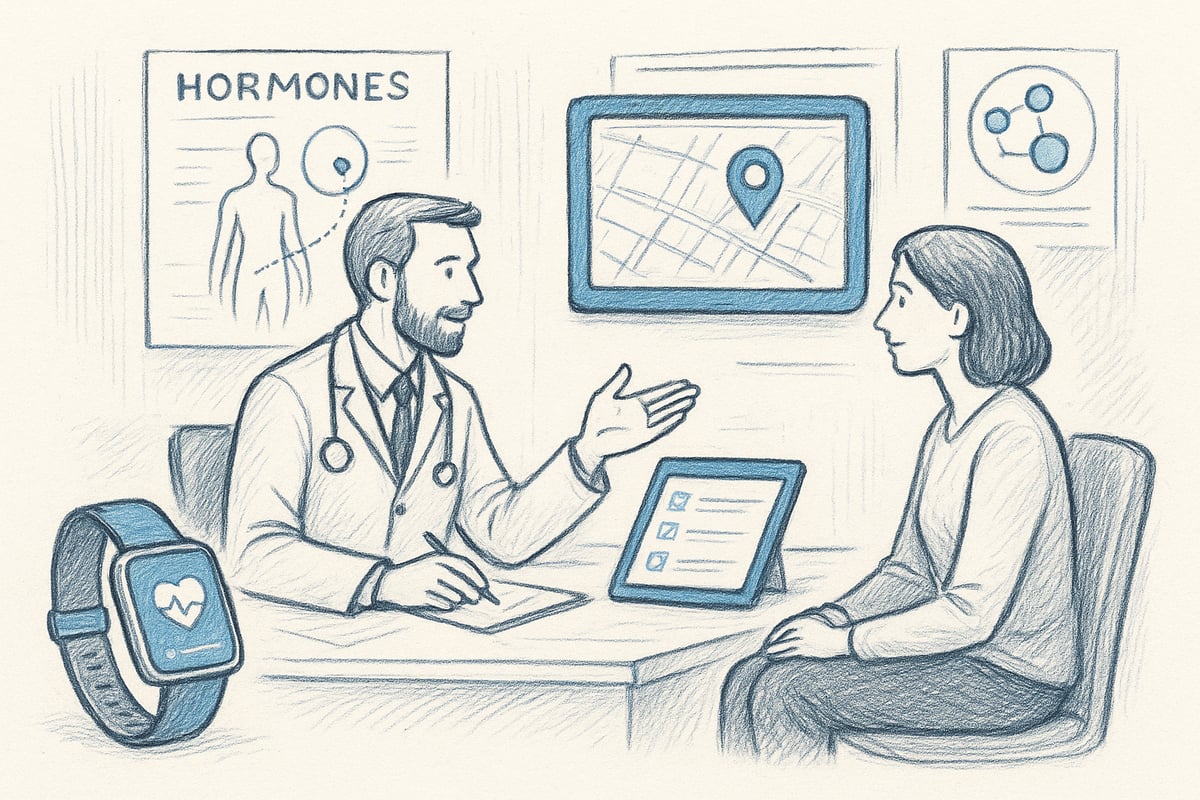
Functional endocrinology takes a holistic, root-cause approach to hormonal and metabolic health. Unlike conventional endocrinology, which often focuses on symptom management, functional endocrinologists seek to identify and address underlying imbalances. They consider genetics, lifestyle, nutrition, and environment in developing care plans.
In 2026, more patients are searching for a functional endocrinologist near me because of the personalized strategies and comprehensive assessments offered. This model is gaining traction due to its patient-centric focus and measurable improvements in long-term wellness.
Why the “Near Me” Factor Matters
Finding a functional endocrinologist near me is not just about convenience. Local access ensures timely lab work, physical exams, and in-person consultations when needed. While telehealth has expanded rapidly, some aspects of functional endocrinology still benefit from hands-on evaluation.
Balancing virtual and in-person care is critical. Many patients now start with remote visits, but value having a qualified provider nearby for follow-up testing or treatments. This hybrid model supports continuity and a stronger therapeutic relationship.
Key Trends Shaping Functional Endocrinology in 2026
Several trends are redefining what patients expect from a functional endocrinologist near me. Technology plays a major role, with wearables and remote monitoring devices allowing real-time tracking of hormone levels and metabolic markers. AI-driven diagnostics help tailor interventions more precisely.
Personalized and precision medicine are on the rise, with genetic testing guiding individualized plans. The demand for integrative, patient-centered care is increasing, as patients seek providers who blend conventional and alternative therapies for optimal results.
Common Conditions Treated by Functional Endocrinologists
A functional endocrinologist near me commonly addresses conditions such as thyroid disorders, adrenal fatigue, PCOS, diabetes, and menopause. Recent data indicate that thyroid dysfunction affects nearly 12% of the US population, while PCOS impacts up to 10% of women of reproductive age.
Functional endocrinology often results in improved patient outcomes by targeting the root causes of these disorders. To learn more about how these conditions are managed and the comprehensive scope of care, visit Hormone Health and Endocrinology.
7 Essential Functional Endocrinologist Near Me Tips for 2026
Finding the right functional endocrinologist near me can be a game-changer for your health. In 2026, patients have access to more options, advanced technology, and greater transparency, but that also means making the right choice requires a strategic approach. Here are seven essential tips to help you confidently choose the best provider for your needs.
1. Verify Credentials and Functional Medicine Training
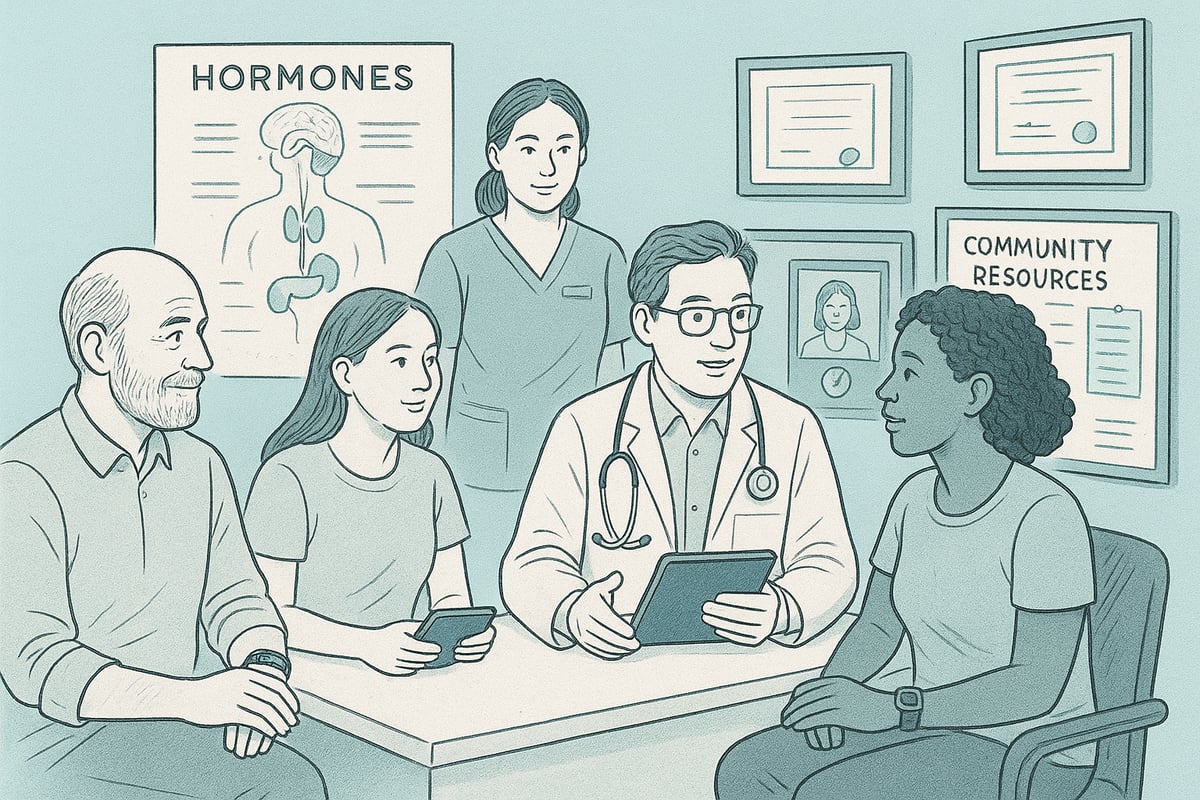
Start your search for a functional endocrinologist near me by confirming the provider’s credentials. Board certification in endocrinology is essential, but specialized functional medicine training sets leading practitioners apart. Look for certifications from respected organizations such as the Institute for Functional Medicine (IFM), the American Academy of Anti-Aging Medicine (A4M), or integrative medicine fellowships. These programs ensure that your provider is trained in both conventional and holistic approaches.
Verify credentials using online databases and ask about ongoing education during consultations. For example, you can check the Functional Medicine Certification Program to see if your provider is listed. Red flags include vague answers about training, lack of board certification, or resistance to discussing their background.
Patients consistently report better outcomes when working with a functional endocrinologist near me who has multidisciplinary expertise, such as nutrition or naturopathy. According to recent studies, practices with highly trained staff see up to 30 percent higher patient satisfaction and improved clinical results. Ask specific questions like, “What continuing education do you pursue?” or “Can you share your experience with complex hormonal issues?”
A patient testimonial highlights the impact: “After switching to a functional endocrinologist near me with IFM certification, I finally received a comprehensive plan that addressed my thyroid and adrenal concerns.” Credentials matter—take time to confirm them for peace of mind.
2. Evaluate Their Approach to Personalized Care
Personalized care is the foundation of successful functional endocrinology. Your functional endocrinologist near me should consider your genetics, lifestyle, environment, and medical history. The intake process should be thorough, using advanced lab testing and in-depth questionnaires to uncover the root causes of your symptoms.
Expect a collaborative approach, where you and your provider set goals together and adjust plans as needed. Modern practices integrate data from wearables and health apps, allowing your functional endocrinologist near me to track your progress and fine-tune recommendations. For example, a thyroid patient might receive a customized protocol based on genetic markers, diet, and activity levels.
Research demonstrates that patients receiving personalized care have higher adherence rates and better long-term outcomes. Ask your provider questions such as, “How do you tailor treatment plans?” or “Do you use digital tools to monitor progress?”
Examples of individualized protocols include comprehensive nutrition plans for PCOS, stress management for adrenal fatigue, and metabolic optimization using real-time biometrics. These strategies empower you to take an active role in your health journey and ensure that your functional endocrinologist near me prioritizes your unique needs.
3. Assess Integration of Technology and Telehealth
In 2026, a functional endocrinologist near me should offer seamless integration of technology and telehealth. Virtual consultations, remote patient monitoring, and digital health records have become standard. This approach offers convenience, broader access to specialists, and continuous care regardless of location.
Practices often use AI-driven tools, health apps, and at-home testing kits to gather comprehensive data. Hybrid models—combining in-person visits with virtual follow-ups—are ideal for busy patients or those in remote areas. When evaluating a functional endocrinologist near me, inquire about their telehealth platform, data privacy policies, and how they use technology to enhance care.
Patient satisfaction with tech-enabled practices has risen sharply, with over 80 percent reporting improved access and communication. However, privacy and data security remain crucial. Look for providers who use secure platforms and transparent consent procedures.
Best practices for assessing tech integration include reviewing the provider’s digital resources, asking about turnaround times for virtual labs, and confirming how remote monitoring data is used in care planning. A functional endocrinologist near me who embraces innovation can offer more responsive, effective care.
4. Investigate Their Use of Evidence-Based and Integrative Modalities
An effective functional endocrinologist near me utilizes evidence-based practices combined with integrative therapies. This means blending the best of conventional medicine with holistic approaches like nutrition, supplements, acupuncture, mind-body techniques, and lifestyle medicine.
Ask about the scientific support for recommended protocols. For example, integrative approaches for PCOS might include dietary changes, targeted supplementation, and stress reduction alongside traditional medications. Diabetes management could involve continuous glucose monitoring paired with personalized nutrition coaching.
Research from leading journals supports the use of integrative care for hormonal and metabolic disorders, with patients experiencing improved energy, mood, and metabolic stability. A functional endocrinologist near me should be transparent about the rationale behind their recommendations and open to discussing both traditional and alternative options.
Patient stories often highlight the benefits of a holistic approach: “My functional endocrinologist near me combined medication with acupuncture and nutrition counseling, which led to better thyroid function and overall well-being.” Ask about the provider’s philosophy, preferred modalities, and willingness to coordinate with other health professionals.
5. Explore Community Resources and Patient Support
Community resources are a powerful asset when working with a functional endocrinologist near me. Support groups, educational workshops, and online forums foster accountability and motivation. Many practices host local meetups, webinars, or patient-centered events to create a sense of belonging and shared learning.
Studies show that patients engaged in community support achieve better disease management and emotional resilience. When choosing a functional endocrinologist near me, ask about available resources, such as group classes, online communities, or peer mentorship programs.
Successful patient communities often provide practical tips, encouragement, and real-world success stories. For example, attending a workshop on stress management or hormone health can improve your understanding and adherence to treatment. Look for testimonials, case studies, or data on the value of social support.
To evaluate community resources, explore the provider’s website, ask for referrals to local groups, and inquire about ongoing events. The right functional endocrinologist near me will prioritize your access to a supportive network.
6. Understand Costs, Insurance, and Payment Options
Understanding costs is essential when searching for a functional endocrinologist near me. In 2026, consultation fees, advanced lab testing, and integrative therapies can vary widely. Some practices offer transparent pricing models, including fee-for-service, memberships, or bundled packages.
Insurance coverage for functional medicine is expanding, but benefits still differ by provider and plan. Many patients use Health Savings Accounts (HSAs) or Flexible Spending Accounts (FSAs) to offset out-of-pocket expenses. Ask your functional endocrinologist near me about accepted insurance plans, payment options, and available payment plans.
Tips for reducing costs include maximizing insurance benefits, requesting itemized bills, and comparing package deals. Transparent billing practices are a hallmark of reputable providers. According to recent surveys, patients who understand their financial responsibilities report higher satisfaction and fewer unexpected expenses.
When assessing cost, inquire about the full scope of services, potential lab fees, and coverage for telehealth visits. The right functional endocrinologist near me will help you navigate financial options and prioritize your care without unnecessary stress.
7. Stay Informed About Future Trends and Innovations
The healthcare landscape is rapidly evolving, and your functional endocrinologist near me should remain at the forefront of innovation. Precision medicine, genomics, AI-driven protocols, and advanced wearable technology are revolutionizing endocrine care in 2026.
Providers who stay current with new research and industry trends offer cutting-edge treatments and more personalized solutions. For example, some practices participate in pilot programs testing gene-based therapies or use AI to optimize hormone balancing protocols.
Expert predictions highlight the increasing importance of continuous learning and adaptation. Ask your functional endocrinologist near me about their commitment to professional development, conference attendance, or involvement in research initiatives.
To stay informed yourself, subscribe to reputable newsletters, tune into podcasts, and join professional organizations. Evaluate your provider’s openness to new ideas and willingness to integrate emerging technologies into practice. Choosing a forward-thinking functional endocrinologist near me ensures you benefit from the latest advancements in endocrine health.
How to Start Your Search for a Functional Endocrinologist Near You
Finding the right functional endocrinologist near me in 2026 requires a strategic approach. With so many choices available, it is important to know where to look, what to prepare, and how to evaluate your options. Let’s break down the essential first steps for your search.
Online Directories and Telehealth Platforms
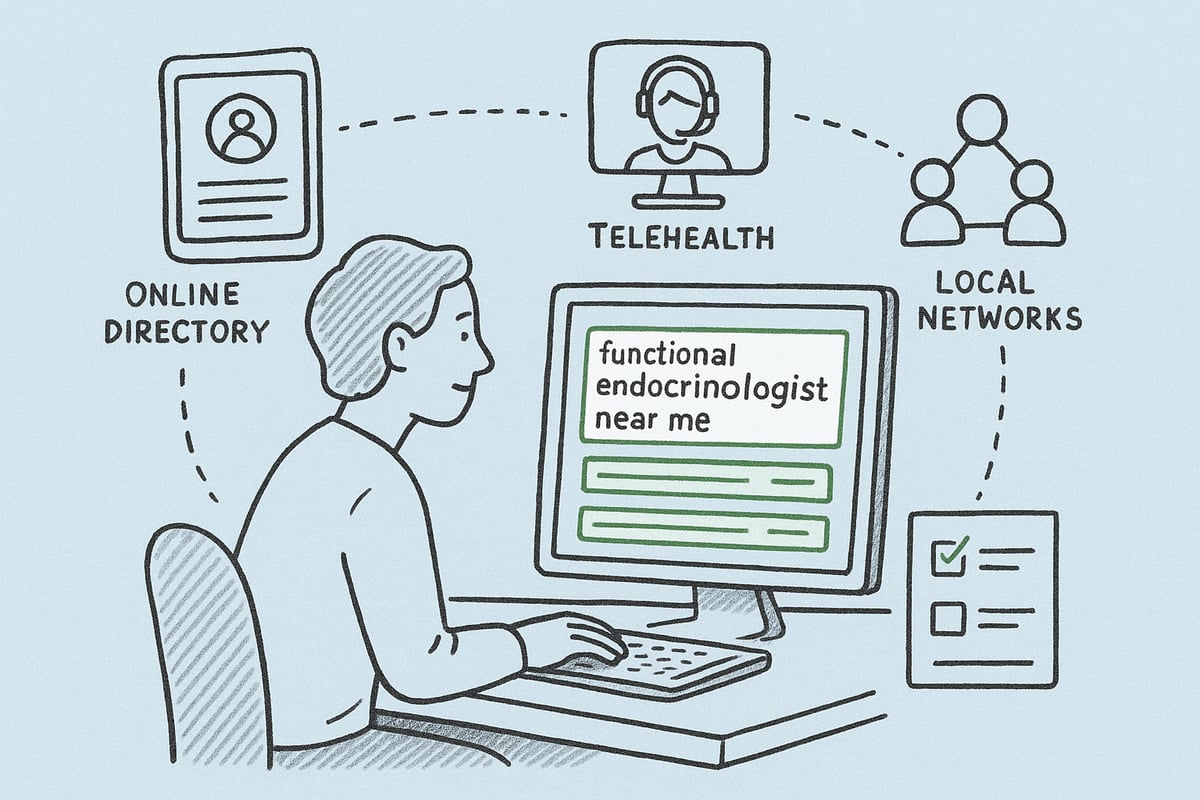
Begin your search for a functional endocrinologist near me by exploring reputable online directories. Top platforms like IFM, A4M, Zocdoc, and Healthgrades let you filter by specialty, location, and patient reviews. These directories are designed to help you quickly identify board-certified providers with functional medicine expertise.
Many directories now integrate telehealth options, making it easier to compare virtual and in-person care. For a deeper understanding of what distinguishes functional medicine doctors, review this Functional Medicine Doctor Overview. Always check for up-to-date profiles, patient testimonials, and credentials to ensure you are making an informed choice.
Leveraging Local and National Networks
Personal recommendations remain invaluable when searching for a functional endocrinologist near me. Talk to your primary care provider, local pharmacists, or wellness practitioners for trusted referrals. Health systems and hospital networks often maintain lists of integrative specialists, including endocrinologists with functional medicine training.
Community organizations, such as local health advocacy groups, may also offer recommendations. National professional associations and patient forums can expand your reach, especially if you need a specialist for a specific condition. Combining local insight with national resources increases your chances of finding the right fit.
Preparing for Your First Consultation
Before your first visit with a functional endocrinologist near me, gather key health information. This includes your complete medical history, current medications and supplements, recent lab results, and your primary health goals.
Prepare a list of questions to discuss, such as the provider’s approach to personalized care, experience with your condition, and typical treatment plans. Bring any data from wearables or health apps you use. This preparation will help you make the most of your initial consultation and set the stage for a collaborative relationship.
Red Flags and Warning Signs
During your search for a functional endocrinologist near me, be alert to potential red flags. Common warning signs include a lack of transparency about credentials, aggressive sales tactics for supplements or services, and an absence of clear evidence or patient results.
Look for providers who share real patient experiences and are open about their methods. Reviewing Patient Testimonials and Results can offer valuable insight into what you can expect. If something feels off during your consultation, trust your instincts and continue your search until you find a practitioner who communicates clearly and prioritizes your well-being.
Frequently Asked Questions About Functional Endocrinologists Near Me
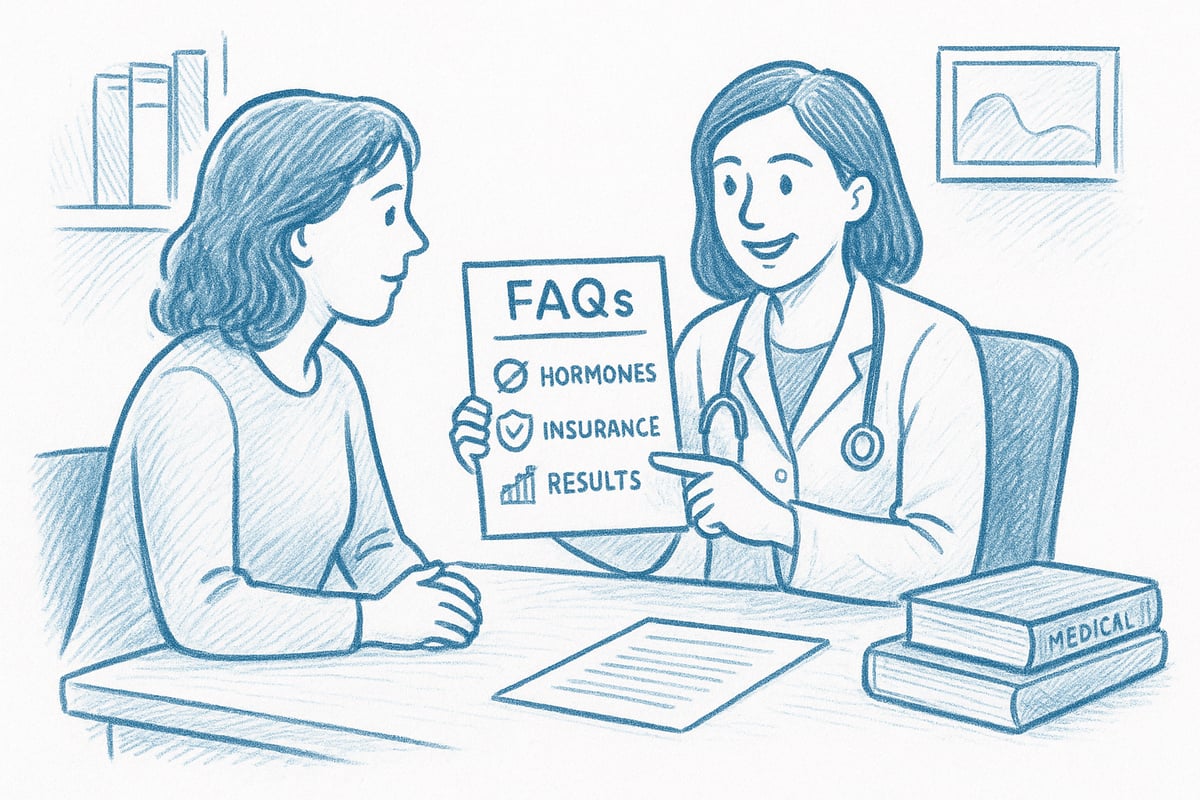
What’s the Difference Between Functional and Conventional Endocrinologists?
A functional endocrinologist near me takes a broader approach compared to a conventional endocrinologist. Conventional specialists focus on diagnosing and treating hormonal disorders using established protocols and pharmaceuticals. In contrast, functional endocrinologists emphasize root-cause analysis, integrating nutrition, lifestyle, and environmental factors into care.
Their training often includes advanced certifications such as the AACE Certificate Programs, which reflect ongoing education in both traditional and integrative medicine. This multidisciplinary background allows them to tailor care to individual needs, leading to higher patient satisfaction and improved outcomes. When searching for a functional endocrinologist near me, consider the provider’s certifications, philosophy, and openness to combining evidence-based therapies with holistic strategies.
How Long Does It Take to See Results?
The timeline for results with a functional endocrinologist near me varies by condition, individual health status, and the complexity of your hormonal or metabolic challenges. Some patients notice improvements in energy, mood, or symptoms within a few weeks, especially after beginning changes identified through Comprehensive Health Assessments. However, achieving optimal balance for chronic issues like thyroid disorders or PCOS often takes several months.
Factors influencing progress include your adherence to personalized plans, lifestyle modifications, and the complexity of your case. Regular follow-ups and adjustments help ensure steady improvement. Setting realistic expectations with your functional endocrinologist near me can keep you motivated throughout your health journey.
Are Functional Endocrinology Services Covered by Insurance?
Coverage for a functional endocrinologist near me is expanding, but it remains variable in 2026. Many insurance plans now recognize the value of preventive and integrative care, yet coverage may differ for consultations, advanced testing, or specific therapies. Some providers accept HSAs or FSAs, while others offer flexible payment plans for out-of-pocket expenses.
Before your first visit, verify your benefits with your insurer and the provider’s office. Ask about billing practices and cost transparency. Being proactive can help you maximize your insurance benefits and minimize unexpected expenses when working with a functional endocrinologist near me.
As you consider these seven essential tips for finding the right functional endocrinologist near you in 2026, remember that your health journey is unique and deserves ongoing support. Staying informed and connected makes all the difference—especially as the field evolves with new innovations in personalized care, technology, and holistic approaches. If you’re looking for reliable updates, practical resources, and a supportive community of like-minded individuals, I invite you to Join Our Holistic Community for Updates. You’ll gain access to the latest insights and tools to empower your path toward optimal wellness.