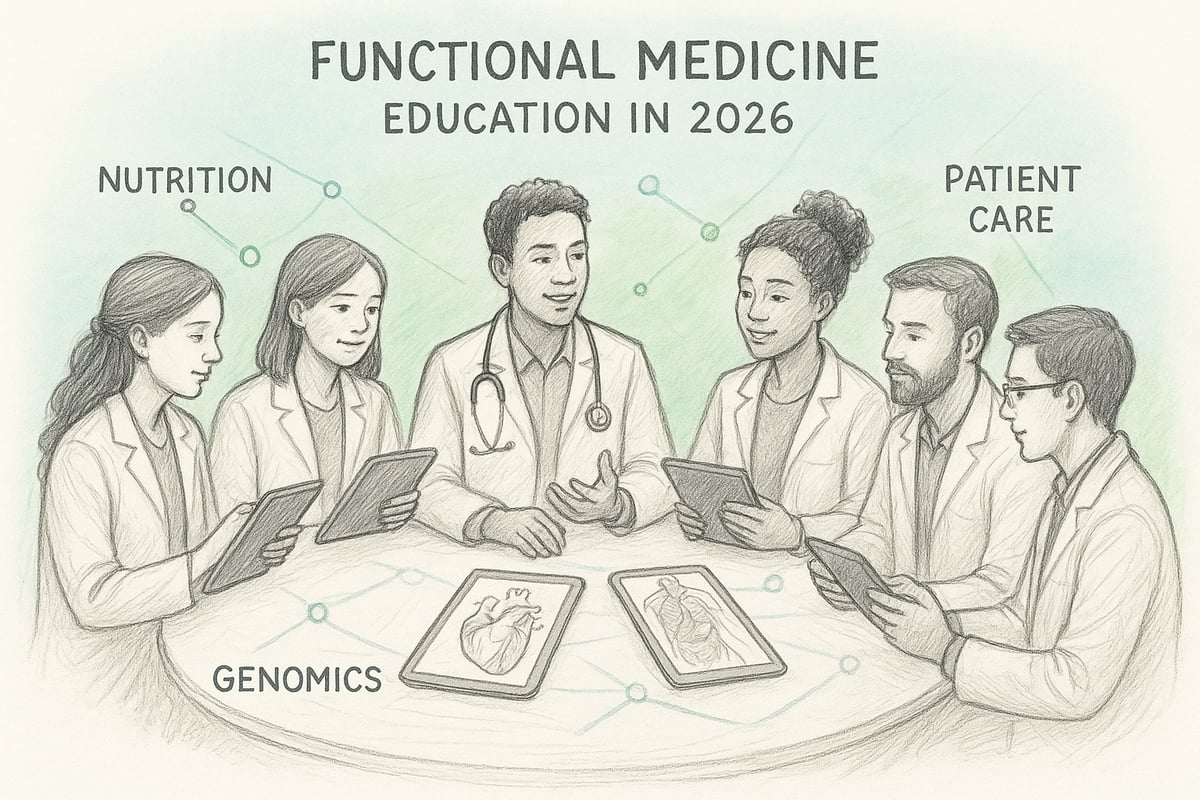
Imagine a future where healthcare is not just reactive but proactive, tailored to each individual, and deeply informed by both science and holistic wisdom. This is the emerging world of functional medicine education in 2026.
As interest in integrative health grows, understanding the right educational path has never been more important. Whether you are an aspiring practitioner or someone passionate about wellness, this guide is your essential resource for navigating the evolving landscape.
We will break down what functional medicine is, outline core educational requirements, spotlight top programs, and highlight digital learning innovations. You will also find practical steps for certification and insights into future trends shaping the field.
Discover how functional medicine education can open doors to rewarding careers and empower you to make a meaningful impact. Ready to explore your roadmap for 2026? Let’s begin.
Understanding Functional Medicine in 2026
Imagine a healthcare model focused on addressing the underlying causes of illness rather than just treating symptoms. This is the essence of functional medicine education, which is transforming how practitioners and patients approach well-being in 2026.
Functional medicine education centers on a core philosophy: systems biology, root-cause analysis, and patient-centered care. Practitioners are trained to look at the body as an interconnected system, applying scientific knowledge to uncover how genetics, environment, and lifestyle all contribute to health or disease. This approach requires a deep understanding of biochemistry, nutrition, and physiology, as well as the ability to build trust and communicate effectively with patients.
What sets functional medicine education apart from conventional medical training is its focus on prevention, lifestyle interventions, and individualized treatment plans. While traditional medicine often emphasizes symptom management, functional medicine aims to uncover and address the unique factors driving each patient’s health challenges. Students learn to create personalized protocols that integrate nutrition, stress management, and environmental assessments, setting a new standard for holistic care.
The landscape for functional medicine education in 2026 has reached a turning point. Integration with mainstream healthcare is accelerating, as hospitals and clinics recognize the value of certified functional medicine practitioners. Insurance companies are increasingly covering functional medicine services, making them more accessible to patients. According to the IFM’s 2024 Impact Report, the number of certified practitioners grew by 30% between 2020 and 2024, with projections indicating these numbers will double by 2026. This surge reflects both rising demand and the growing credibility of the field.
Several factors are fueling this popularity. Chronic diseases continue to rise globally, and many patients seek alternatives when conventional approaches fall short. Consumers are demanding holistic, science-backed care that addresses the whole person. Advances in digital health, such as telemedicine and personalized health apps, have made functional medicine education more accessible and effective. For example, a recent case study highlighted a patient with persistent autoimmune issues who experienced significant improvement after adopting a functional medicine protocol, despite years of unsuccessful conventional treatments.
Functional medicine education is expanding rapidly worldwide. Europe, Asia, and Latin America are seeing increased enrollment in international certification programs. Pathways for global accreditation are becoming more streamlined, allowing practitioners to serve diverse populations. Despite this growth, challenges remain. Regulatory differences, skepticism from traditional medical sectors, and the ongoing need for standardized education present hurdles. Institutions are working to address these issues, ensuring that functional medicine education continues to evolve and gain recognition.
In summary, functional medicine education in 2026 stands at the intersection of science, holistic care, and personalized medicine. Its growth is reshaping healthcare, offering new hope for practitioners and patients alike.
Core Components of Functional Medicine Education
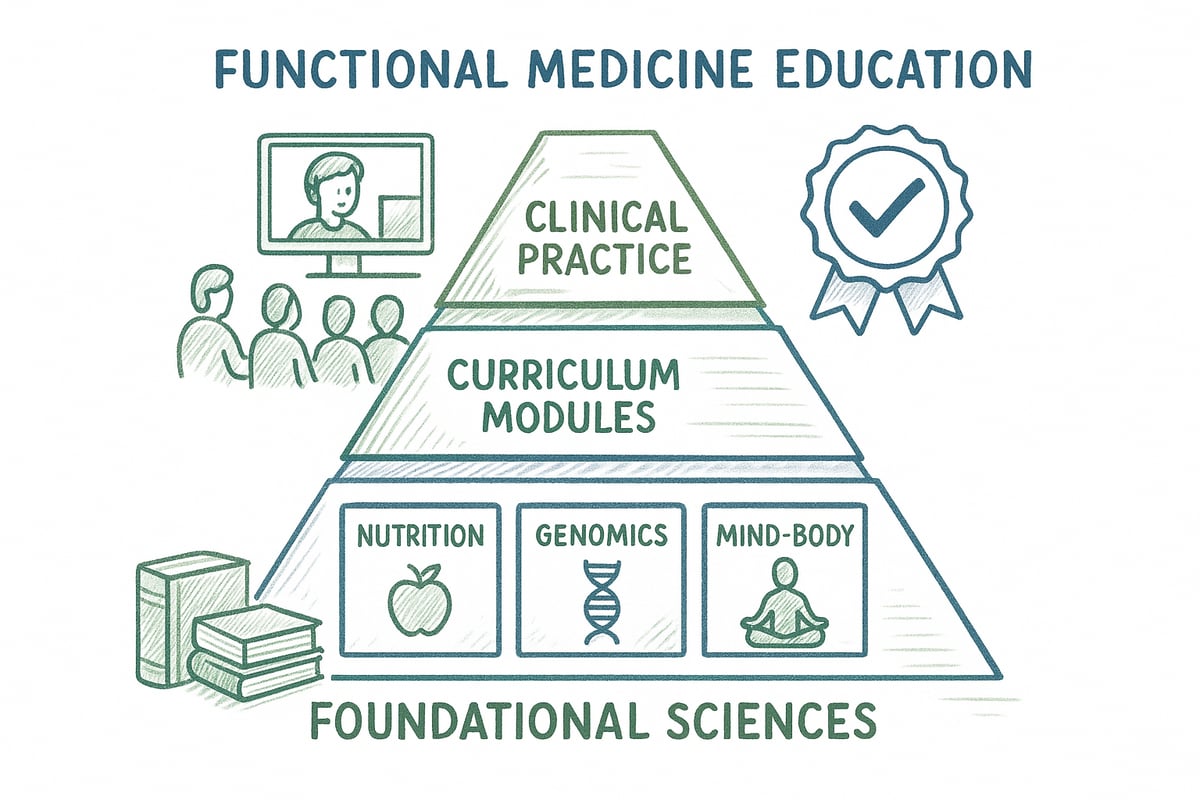
Understanding the core components of functional medicine education is essential for anyone entering this rapidly evolving field. In 2026, training has become more rigorous, structured, and accessible, offering a blend of foundational science, patient-centered philosophy, and practical clinical skills.
Foundational Knowledge and Prerequisites
The journey into functional medicine education starts with a robust understanding of basic sciences. Students are expected to have completed coursework in anatomy, physiology, biochemistry, and nutrition. A bachelor’s degree in health sciences or a related discipline is often the minimum requirement.
Equally important are soft skills. Aspiring practitioners should demonstrate strong empathy, clear communication, and systems thinking. These attributes are critical for patient-centered care, which is a hallmark of functional medicine education.
Many leading programs, such as those offered by IFM and A4M, emphasize the value of prior clinical or health-related experience. For example, a comparison of their curricula shows that applicants with hands-on patient interaction adapt more quickly to advanced topics. This foundational preparation sets the stage for deeper exploration and success in functional medicine education.
Curriculum Structure and Key Subjects
Functional medicine education features a curriculum designed to address the root causes of disease through a comprehensive, systems-based approach. Core modules typically include:
- Clinical nutrition and dietary therapy
- Gut health and microbiome science
- Hormonal balance and endocrinology
- Toxicology and environmental health
- Genomics and personalized medicine
- Mind-body medicine and stress management
Integrative modalities, such as herbalism and lifestyle medicine, are woven throughout the coursework. According to recent data, 85% of top programs require students to complete hands-on practicum or case studies before graduation. Technology plays a pivotal role, with telemedicine and health data analytics now standard in the learning process.
A sample course schedule from leading institutions demonstrates how theory and practice are balanced. Students might spend mornings in virtual lectures, afternoons in small group discussions, and evenings reviewing case studies or participating in virtual simulation labs. For those interested in health coaching pathways, the Functional Medicine Health Coach Certification offers a curriculum that blends core functional medicine concepts with practical coaching skills, reflecting the diversity and depth of functional medicine education.
Practical Training and Clinical Experience
Practical training is a cornerstone of functional medicine education. Programs mandate a minimum number of supervised clinical hours, completed in private practices, group clinics, or telehealth settings. During these hours, students manage patient cases, develop individualized protocols, and collaborate with mentors.
Mentorship and peer learning are integral, often structured in cohort-based models. This environment fosters real-time feedback, professional growth, and lasting professional connections. In 2026, virtual simulation labs have become indispensable, allowing students to practice clinical reasoning and patient management in a risk-free setting.
Assessment is equally rigorous. Objective Structured Clinical Examinations (OSCEs) are used to ensure students can apply their knowledge and skills in real-world scenarios. This practical focus ensures graduates are fully prepared for the demands of a modern functional medicine practice.
Certification and Accreditation Standards
Certification is the final step in functional medicine education. Leading certifying bodies, including IFM, A4M, NANP, and their international counterparts, set the benchmarks for competency and professionalism in the field.
Accreditation of educational programs is increasingly important, both for career prospects and for insurance credentialing. New standards introduced in 2026 emphasize competency-based assessments and require ongoing continuing education to maintain certification. These changes ensure that functional medicine education remains rigorous, relevant, and respected worldwide.
Navigating Functional Medicine Education Pathways
Choosing the right path in functional medicine education can set the stage for a successful and fulfilling career. With the rapid evolution of educational models and program offerings in 2026, it is essential to understand how to evaluate your options, plan your certification journey, and leverage innovative digital learning tools.

Choosing the Right Program: Key Criteria
Selecting the ideal functional medicine education program requires careful consideration of several factors. Accreditation is the foundation, ensuring your certification will be recognized by employers and credentialing bodies. Faculty expertise provides insight into the depth and quality of instruction, while the curriculum should align with your interests, such as clinical nutrition or mind-body medicine.
Delivery format matters as well. Many leading programs offer online, hybrid, or in-person options to fit various lifestyles. Cost and financial aid availability are important, as tuition can vary widely. Reviewing graduate outcomes, such as job placement rates and alumni testimonials, can reveal the program's real-world impact.
Below is a comparison table to help evaluate top programs in 2026:
| Criteria | Program A | Program B | Program C |
|---|---|---|---|
| Accreditation | Yes | Yes | No |
| Delivery Format | Hybrid | Online | In-Person |
| Faculty Expertise | High | Moderate | High |
| Cost Range | $$$ | $$ | $$$ |
| Job Placement Rate | 90% | 85% | 70% |
By focusing on these criteria, you can make an informed decision and find a functional medicine education program that matches your professional goals.
Step-by-Step Roadmap to Certification
Earning your credentials in functional medicine education involves a clear, structured process. The first step is to meet prerequisite requirements, typically a bachelor's degree in health sciences or a related field, along with some clinical or health experience.
Next, select and enroll in an accredited foundational program. This is where you will complete core coursework, including clinical and practicum components. Most programs require hands-on patient case management and protocol development, often supported by mentorship and peer learning.
Here is a streamlined roadmap:
- Meet Prerequisites: Secure the necessary academic background and experience.
- Enroll in Accredited Program: Choose a reputable institution with recognized certification.
- Complete Coursework and Practicum: Fulfill both theoretical and practical training requirements.
- Pass Certification Exams: Demonstrate competency through standardized assessments.
- Pursue Continuing Education: Engage in specialty tracks and ongoing professional development.
On average, the journey from enrollment to certification takes 18 to 36 months. Following each step ensures a comprehensive functional medicine education and readiness for the evolving healthcare landscape.
Digital and Hybrid Learning Innovations
The digital transformation of functional medicine education has revolutionized how students learn and connect. Interactive e-learning platforms, AI-driven tutoring, and virtual patient simulations now play a central role in program delivery. These innovations bring significant benefits, including flexibility, global access, and enhanced peer collaboration.
In 2026, data shows that 60 percent of students prefer hybrid formats that blend online modules with in-person clinical training. Leading platforms such as Teachable, Coursera, and institution-specific learning management systems support these dynamic learning experiences.
For those seeking flexible and comprehensive options, Online Holistic Classes and Courses provide a valuable avenue for exploring digital education in functional medicine. These resources empower learners to tailor their educational journey, stay connected with mentors, and access up-to-date content wherever they are.
By embracing digital and hybrid innovations, students and practitioners can maximize the value of their functional medicine education and remain agile as the field continues to evolve.
Career Opportunities and Professional Development
The landscape for graduates of functional medicine education in 2026 is more dynamic than ever. With the integration of personalized care and evidence-based modalities, practitioners can build meaningful, impactful careers in a variety of settings. Let us explore the most promising opportunities and how to position yourself for professional growth.
Practice Settings and Career Paths
Graduates of functional medicine education find themselves in a wide array of roles and environments. Private practices remain popular, allowing for personalized patient relationships and flexible scheduling. Group clinics and integrative hospital departments offer interdisciplinary collaboration, where functional medicine practitioners work alongside conventional providers.
Telehealth continues to surge in 2026, expanding access to care for patients in remote or underserved areas. Corporate wellness programs also seek experts in functional medicine education, as businesses prioritize employee health and productivity. Common roles include practitioner, health coach, researcher, educator, and consultant.
According to recent data, job postings for those with functional medicine education have risen by 45 percent since 2023. For example, a practitioner may split time between a group clinic and consulting for a digital health startup. This diversity of options means that professionals can tailor their careers to their interests and lifestyle goals.
Building a Successful Functional Medicine Practice
Success in this field requires more than clinical expertise gained through functional medicine education. Business skills such as marketing, financial management, and patient engagement are essential for building a thriving practice. A strong digital presence, from a professional website to active social media, helps attract and retain patients.
Technology plays a key role in modern practices. Electronic medical records, remote monitoring devices, and patient portals streamline care and foster communication. Community initiatives, like group visits, wellness workshops, and online forums, create supportive environments for both patients and practitioners.
For instance, a hybrid clinic combining in-person consultations with telehealth visits and group education sessions demonstrates the adaptability and reach of functional medicine education. Practitioners who embrace technology and community-building strategies position themselves for long-term success.
Ongoing Education and Specialization
Lifelong learning is central to functional medicine education. Annual continuing education units (CEUs) ensure practitioners stay current with evolving research and best practices. Specialty certifications in areas such as pediatrics, oncology, or mental health allow for focused expertise and career advancement.
Professional organizations and networking events offer valuable opportunities for mentorship, collaboration, and exposure to the latest trends. For resources and inspiration on advancing your career, the Education and Professional Development section provides practical guidance and up-to-date information.
Advanced modules, such as those offered by IFM, help deepen clinical knowledge and expand service offerings. This commitment to ongoing education sets functional medicine professionals apart in a competitive healthcare market.
Salary Trends and Job Market Outlook
The job market for those with functional medicine education continues to flourish. Average salaries vary by role and location, but the median functional medicine practitioner salary is projected to reach $110,000 by 2026, according to a recent Medscape survey.
Demand is driven by the aging population and rising rates of chronic disease, which require more personalized, preventative approaches. As healthcare systems increasingly recognize the value of functional medicine education, job security and earning potential are expected to remain strong.
Whether pursuing private practice, joining a group, or specializing further, professionals with functional medicine education are well-positioned for rewarding, future-proof careers.
Integrating Functional Medicine into Holistic Health Ecosystems
Imagine a healthcare landscape where diverse healing traditions collaborate for the best patient outcomes. In 2026, the integration of functional medicine education into broader holistic health ecosystems is transforming how practitioners learn, connect, and serve communities. This evolution ensures that both science and tradition work hand in hand for optimal wellness.
Synergy with Holistic and Integrative Approaches
Functional medicine education in 2026 emphasizes collaboration across healing disciplines. Practitioners trained in this approach frequently work alongside experts in naturopathy, Ayurveda, Traditional Chinese Medicine, and lifestyle medicine.
This synergy supports comprehensive patient care. For example, a patient with chronic inflammation may benefit from a team approach, drawing on herbal remedies, nutrition protocols, and mind-body therapies. Such collaboration leads to more sustainable health outcomes.
A multi-disciplinary approach also helps address the root causes of illness, not just symptoms. As seen in Functional Medicine Doctor Insights, practitioners leverage their unique training to bridge gaps between conventional and holistic care. This integration is made possible by robust functional medicine education, ensuring every professional brings evidence-based knowledge to the table.
Digital Tools and Community Platforms
Digital innovation is central to functional medicine education and practice. By 2026, health apps, remote patient monitoring devices, and online communities are standard tools for both practitioners and patients.
These platforms empower patients to track symptoms, log dietary habits, and access personalized care plans. Practitioners benefit from real-time data, making it easier to adjust protocols and measure progress.
- Common digital tools:
- App-based journaling for symptom tracking
- Secure telehealth platforms for consultations
- Online forums promoting peer support
According to recent data, 75% of practitioners use at least one digital tool to engage patients. Digital literacy is now a core component of functional medicine education, giving future practitioners the skills to thrive in a tech-enabled environment.
Education and Content Creation for Public Health Impact
Functional medicine education extends beyond the classroom and clinic. In 2026, practitioners are increasingly recognized as educators and influencers in the public health space.
By creating blogs, hosting podcasts, and leading webinars, professionals share science-backed insights with global audiences. This content helps demystify complex health topics and empowers individuals to make informed decisions.
For instance, a functional medicine podcast with over 100,000 monthly downloads demonstrates how digital education can reach and impact large communities. Developing strong communication skills is now a key part of functional medicine education, enabling practitioners to become trusted voices in wellness.
Holistic Family Practice: Leading the Way in Functional Medicine Education
Holistic Family Practice stands as a model for integrating clinical care, education, and digital wellness. Their offerings include functional medicine consultations, remote monitoring, and accredited online courses.
The practice emphasizes empowerment for both patients and students. Programs like the “Functional Medicine Lab Panel Mastery” course provide hands-on learning, while the supportive holistic health community fosters ongoing engagement.
This approach highlights how functional medicine education can be both accessible and transformative. Holistic Family Practice demonstrates the power of combining science, technology, and community to shape the future of health.
Future Trends and Innovations in Functional Medicine Education
The coming years promise exciting advancements in functional medicine education. As the field evolves, new technologies, global expansion, and policy shifts will shape how practitioners learn and deliver care. Staying ahead means understanding these emerging trends and preparing to adapt.
Personalized and Precision Education
Personalized learning is transforming functional medicine education in 2026. Adaptive platforms now tailor coursework to each student’s strengths and areas for growth. AI-powered diagnostics and genomics are woven directly into the curriculum, allowing learners to practice interpreting real data. For example, certification prep often includes smart study plans that adjust as students progress, ensuring efficient mastery of complex topics.
This approach means that no two educational journeys look exactly alike. Students benefit from focused content, real-world scenarios, and instant feedback. As functional medicine education continues to personalize, future practitioners will be better equipped to address the unique needs of every patient.
Globalization and Accessibility
Functional medicine education is rapidly expanding beyond traditional borders. Accredited programs are now available internationally, with more institutions offering multilingual content and culturally adapted curricula. Since 2024, there has been a 40 percent increase in non-US enrollments, reflecting a growing global appetite for holistic, science-based training.
This global reach empowers aspiring practitioners in Europe, Asia, and Latin America to access high-quality education without relocation. Online learning platforms break down barriers, making functional medicine education accessible to diverse populations. As a result, the field is becoming more inclusive, collaborative, and responsive to regional health needs.
Interdisciplinary Collaboration and Research
The future of functional medicine education lies in collaboration across disciplines. Leading programs now offer joint degrees with nutrition, psychology, and public health, fostering a comprehensive understanding of patient care. There is a surge in research-driven, evidence-based practice, with students actively participating in studies that advance the field.
For instance, collaborative research on integrative protocols for chronic disease brings together experts from various backgrounds. This interdisciplinary focus ensures that functional medicine education remains dynamic, rooted in scientific rigor, and relevant to evolving healthcare challenges.
Policy, Regulation, and Mainstream Integration
Policy and regulation are reshaping the landscape of functional medicine education. Evolving licensure and increased insurance coverage are making it easier for certified practitioners to thrive. Advocacy efforts are underway to standardize educational requirements and include functional medicine in public health initiatives.
A pivotal milestone is the IFM Establishes Certifying Board, which sets new certification standards and elevates the profession’s credibility. As functional medicine education gains recognition in national healthcare guidelines, the pathway to mainstream integration becomes clearer, benefiting both practitioners and patients.
As you explore the evolving landscape of functional medicine education for 2026, it is clear that building a strong foundation is essential—whether you are just beginning your journey or looking to deepen your expertise. If you are ready to take the first step toward a more holistic and integrative approach to health, I invite you to experience our accessible, expertly designed course. With real-world strategies and a supportive learning community, you can gain the knowledge and confidence to make a real impact. Start your journey today with Intro to Holistic Medicine I.