In 2025, as more people seek alternatives to conventional medicine, the debate around holistic homeopathy and traditional healing approaches is reaching new heights.
With so many choices available, understanding what sets holistic homeopathy apart from other established methods can feel overwhelming.
This article offers a balanced, evidence-based comparison to help you make informed decisions about your health journey. We will define key terms, explore historical context, examine how each system works, weigh their strengths and limitations, and provide practical guidance for choosing the right approach.
Ready to discover which path best fits your needs? Let’s begin.
Defining Holistic Homeopathy and Traditional Healing Approaches
In the evolving landscape of modern healthcare, understanding the distinctions between holistic homeopathy and traditional healing approaches is essential. Each offers unique principles, methods, and philosophies that shape patient care. By exploring their roots, modalities, and underlying worldviews, we can appreciate both their differences and shared commitment to healing.
What is Holistic Homeopathy?
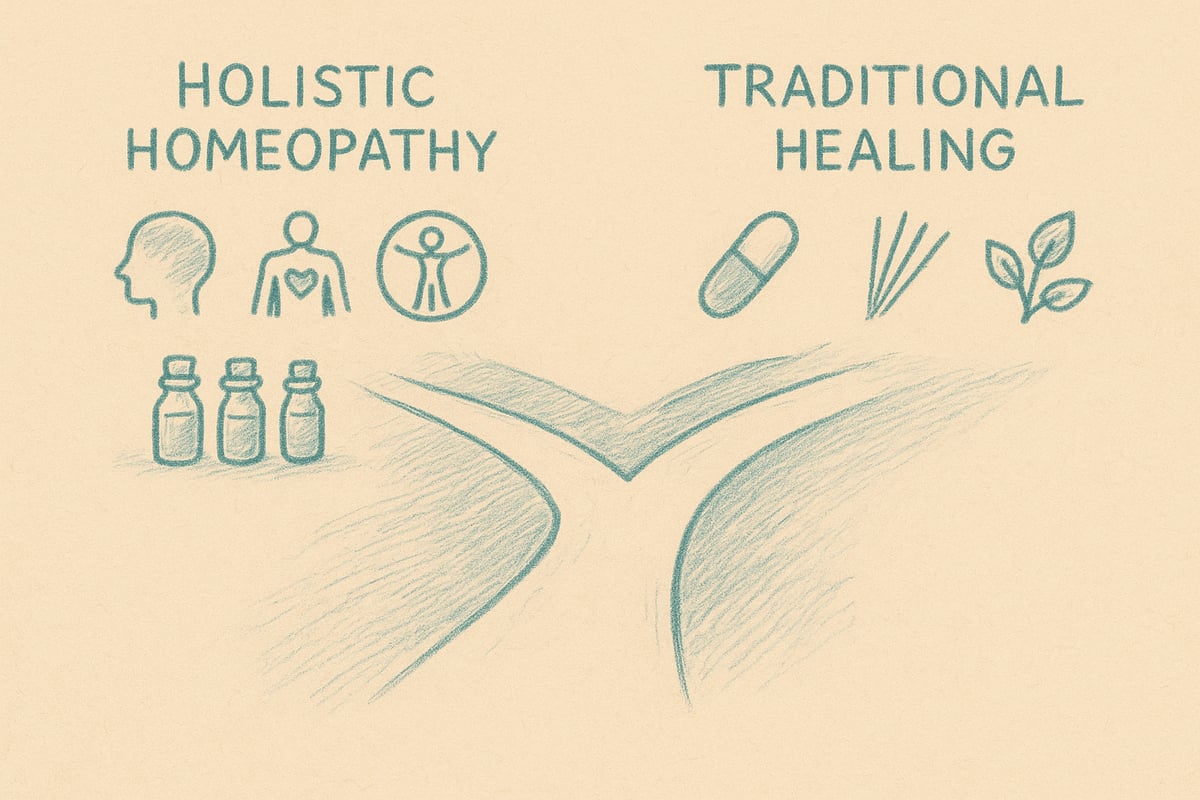
Holistic homeopathy is a comprehensive approach to healing that considers the whole person—mind, body, and spirit. Rooted in the work of Samuel Hahnemann in the late 18th century, its foundation lies in the principle of "like cures like." This means a substance causing symptoms in a healthy person may treat similar symptoms in someone who is ill.
Practitioners of holistic homeopathy focus on individualized treatment. They assess not only physical symptoms but also emotional health, lifestyle, and environmental influences. The minimum dose principle is central, with remedies prepared through dilution and succussion to minimize toxicity while aiming to stimulate the body's self-healing capacities.
Common modalities in holistic homeopathy include:
- Homeopathic remedies tailored to unique symptom profiles
- Nutritional guidance and dietary adjustments
- Stress management techniques
- Energy balancing practices
For example, holistic homeopathy has been used to address allergies, manage chronic migraines, and relieve eczema. According to the WHO global report on traditional and complementary medicine 2019, over 200 million people worldwide use homeopathy as part of their health regimen. This widespread adoption highlights the growing interest in holistic homeopathy within global healthcare systems.
Traditional Healing Approaches: An Overview
Traditional healing approaches encompass a wide spectrum of systems, from modern Western (allopathic) medicine to ancient practices such as Ayurveda, Traditional Chinese Medicine (TCM), and indigenous healing traditions. Each brings distinct philosophies and methods to patient care.
Key principles of traditional approaches include:
- Symptom management and disease diagnosis
- Standardized protocols for treatment
- Utilization of pharmacology and surgery
Modalities within traditional healing are diverse:
- Pharmaceuticals for infection and chronic disease
- Surgical interventions for acute and life-threatening conditions
- Physical therapies, including rehabilitation and manual manipulation
- Herbal medicine, acupuncture, and massage (especially in Ayurveda and TCM)
Examples range from antibiotics for bacterial infections, chemotherapy for cancer treatment, to acupuncture for pain relief. Globally, the World Health Organization estimates that 80% of the population relies on some form of traditional medicine. This statistic underscores the enduring relevance of these approaches alongside newer modalities like holistic homeopathy.
Comparing Core Philosophies
The philosophies behind holistic homeopathy and traditional healing approaches drive their clinical practices and patient experiences. While both aim for healing, their perspectives on health and disease diverge significantly.
| Aspect | Holistic Homeopathy | Traditional Healing Approaches |
|---|---|---|
| Focus | Individualized, root-cause | Disease-oriented, standardized |
| Worldview | Mind-body-spirit, energetic | Physical body, evidence-based or ancient wisdom |
| Modality Selection | Personalized remedies | Protocol-driven interventions |
| Healing Approach | Self-healing, minimal intervention | Direct symptom relief, active intervention |
Holistic homeopathy emphasizes restoring energetic and physical balance for the unique individual. In contrast, traditional approaches often prioritize rapid symptom management based on standardized protocols. Despite these differences, both seek to improve patient well-being—though their methods and underlying philosophies reflect distinct worldviews.
Historical Evolution and Modern Context
Origins and Development
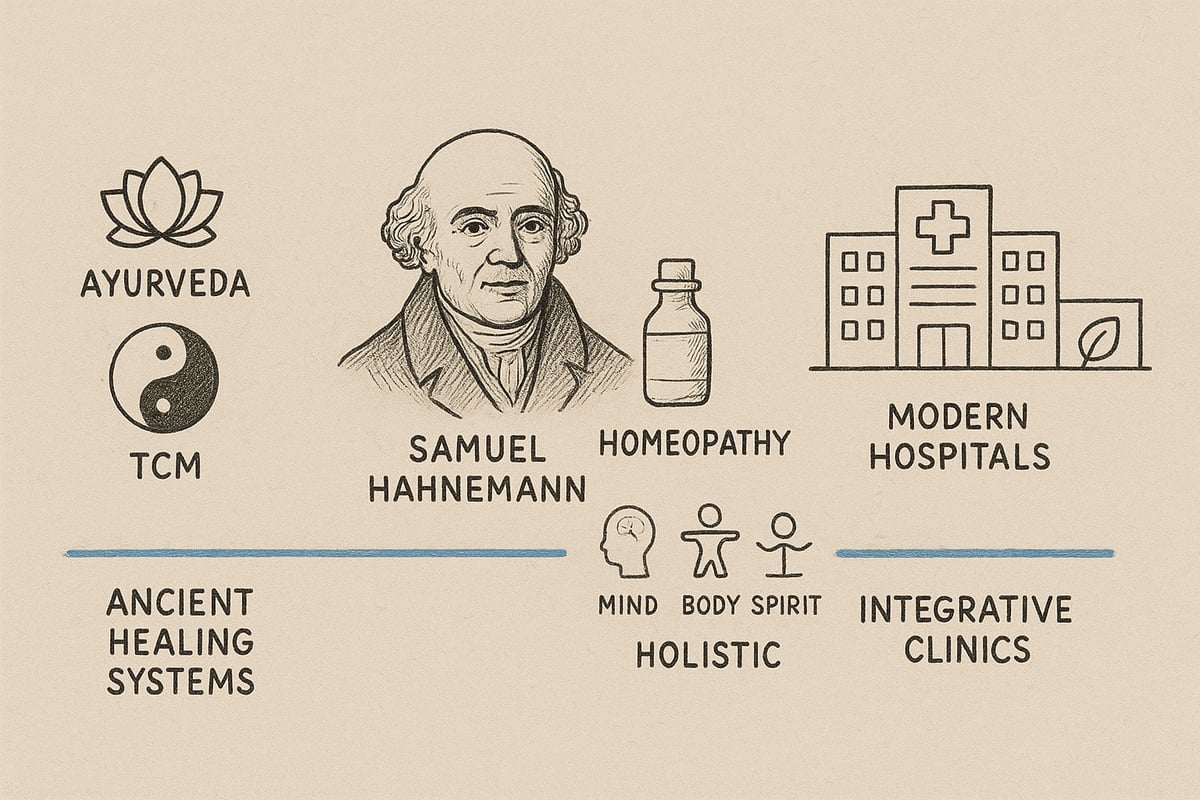
Holistic homeopathy traces its roots to late 18th-century Europe, when Samuel Hahnemann introduced the principle of "like cures like." His vision emphasized treating the individual as a whole, not just isolated symptoms. This early form of holistic homeopathy responded to the harsh, often dangerous medical practices of the time.
Meanwhile, traditional healing systems have deeper, ancient origins. Ayurveda has flourished in India for more than 3,000 years, focusing on balance and natural remedies. Traditional Chinese Medicine (TCM) emerged in China over 2,500 years ago, centering on the flow of qi and harmony within the body. Indigenous healing practices evolved worldwide, deeply connected to local cultures and resources.
Allopathic medicine, or modern Western medicine, gained momentum during the scientific revolution. The germ theory of disease, along with advances in surgery and pharmacology, shaped a new era in healthcare. Each system developed distinct philosophies, but holistic homeopathy always maintained its focus on mind-body-spirit integration.
Rise of Integrative and Holistic Movements
By the 20th century, dissatisfaction with conventional care and a surge in chronic illnesses led many to seek alternatives. Holistic homeopathy began to gain renewed interest as people searched for gentler, more individualized solutions. At the same time, holistic and integrative movements grew, drawing from both traditional healing and modern science.
The rise of wellness clinics, integrative practitioners, and patient-centered care models reflected this shift. People increasingly valued approaches that addressed lifestyle, emotional health, and prevention, all central to holistic homeopathy. Clinics like The Wellbeing Clinic became pioneers, combining homeopathy with nutrition, energy balancing, and stress management.
This era also saw greater collaboration between practitioners. Integrative clinics began to offer a mix of homeopathy, acupuncture, nutrition counseling, and conventional diagnostics, creating a more holistic experience for patients.
2025 Healthcare Landscape
In 2025, healthcare is marked by growing demand for personalized, patient-centered care. Holistic homeopathy is now seen as part of a broader trend toward integrative medicine, where conventional and alternative therapies coexist. People want treatments tailored to their unique needs, prompting a shift in both public and professional attitudes.
Regulatory landscapes are evolving. Some countries recognize alternative therapies and set standards for holistic homeopathy, while others remain skeptical. The regulation and prevalence of homeopathy varies widely, reflecting ongoing debates about evidence and safety.
The global complementary and alternative medicine market is projected to reach $404.6 billion by 2028. This growth highlights the increasing interest in holistic homeopathy and related modalities. As the healthcare sector evolves, patients are empowered to explore diverse healing options and make choices that align with their values and health goals.
Mechanisms of Action: How Each Approach Heals
Understanding how different healing systems work is essential for making informed choices in 2025. Both holistic homeopathy and traditional healing approaches offer unique pathways to wellness, each grounded in distinct scientific, philosophical, and practical frameworks.

Holistic Homeopathy
Holistic homeopathy is rooted in the law of similars, often stated as "like cures like." This principle was introduced by Samuel Hahnemann, who believed that a substance causing symptoms in a healthy person could help heal similar symptoms in a sick individual. The approach uses highly diluted remedies, prepared through a process called potentization, which involves repeated dilution and shaking.
A defining feature of holistic homeopathy is its focus on individualized care. Practitioners spend significant time understanding each patient's physical, emotional, and environmental factors. This detailed case-taking ensures that the chosen remedy aligns with the person's unique symptom profile and overall constitution.
Holistic homeopathy extends beyond physical symptoms. It considers emotional health, mental well-being, and lifestyle choices as integral to healing. Modalities often include nutrition guidance, stress management, and energy balancing practices. For example, a patient with chronic migraines might receive a personalized remedy, along with recommendations for dietary changes and relaxation techniques.
Despite its popularity, holistic homeopathy faces ongoing scientific debate. Critics highlight the extreme dilutions used, which leave little to no molecules of the original substance, raising questions of plausibility. Some systematic reviews, such as those summarized in Efficacy of homeopathic treatments, find results comparable to placebo for many conditions, though patient-reported outcomes are often positive.
Traditional Healing Approaches
Traditional healing encompasses a broad spectrum of practices, from modern allopathic medicine to ancient systems like Ayurveda and Traditional Chinese Medicine (TCM). Allopathic medicine centers on biochemical interventions, using pharmaceuticals or surgery to target pathogens or correct physiological imbalances.
A core strength of traditional approaches is their reliance on standardized protocols and measurable outcomes. Clinical trials and regulatory oversight ensure that medications and procedures are both safe and effective for most acute and life-threatening conditions. For example, antibiotics are used to eliminate bacterial infections, while chemotherapy targets cancer cells.
In contrast, systems like Ayurveda and TCM focus on restoring balance within the body. Ayurveda emphasizes the harmony of doshas, while TCM works to regulate the flow of qi, or vital energy. These traditions incorporate herbal medicine, acupuncture, and manual therapies such as massage.
However, traditional healing is not without its limitations. Over-reliance on pharmaceuticals can lead to side effects, drug resistance, and sometimes, a fragmented approach to care. Critics also point out that symptom suppression may overlook underlying causes, and some patients experience impersonal or rushed consultations.
Comparative Insights
When comparing holistic homeopathy and traditional healing, several key differences and similarities emerge. Holistic homeopathy emphasizes self-healing, minimal intervention, and addresses the whole person—body, mind, and spirit. Traditional healing, particularly allopathic medicine, prioritizes direct intervention and rapid symptom relief.
Here is a summary table highlighting the contrasts:
| Aspect | Holistic Homeopathy | Traditional Healing Approaches |
|---|---|---|
| Core Principle | Like cures like, minimal dose | Biochemical intervention, balance |
| Focus | Individualized, whole-person | Disease-oriented, standardized |
| Modalities | Remedies, lifestyle, energy | Drugs, surgery, herbs, acupuncture |
| Evidence Base | Mixed, patient-reported | Strong for acute conditions |
| Criticisms | Dilution, placebo debate | Side effects, fragmentation |
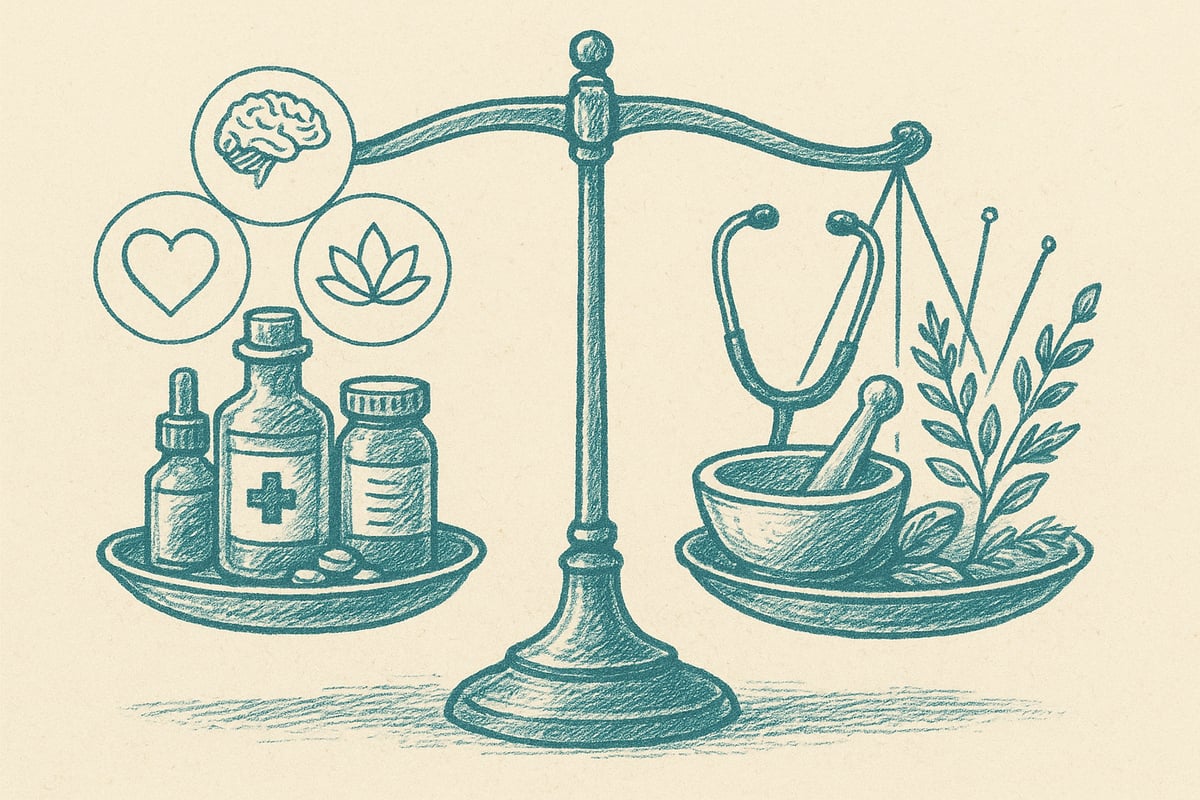
Patients often report benefits from both systems, especially when integrated thoughtfully. While holistic homeopathy may foster empowerment and long-term wellness, traditional healing offers rapid solutions for acute situations. In 2025, many individuals blend both, seeking a tailored approach that fits their needs.
Strengths and Limitations of Each Approach
Choosing between holistic homeopathy and traditional healing approaches requires understanding their unique strengths and weaknesses. Each system offers distinct benefits, yet also faces well-documented challenges. A balanced view empowers you to make informed decisions for your health journey.
Advantages of Holistic Homeopathy
Holistic homeopathy excels in offering individualized, patient-centered care. This approach views each person as a whole, considering physical, emotional, and environmental factors. Practitioners often incorporate lifestyle guidance, stress management, and energy balancing techniques.
Key advantages include:
- Customized treatment plans tailored to each individual
- Emphasis on prevention and long-term wellness
- Minimal risk of side effects due to ultra-dilute remedies
- Integration of mental, emotional, and spiritual health aspects
- Empowerment through active patient involvement
Many patients report improved vitality, mood, and symptom relief with holistic homeopathy, especially for chronic issues. If you want to learn more about how these principles are applied in practice, consider reading Holistic naturopathic doctor insights. This kind of care encourages people to take charge of their healing journey.
Limitations of Holistic Homeopathy
Despite its appeal, holistic homeopathy faces notable limitations. Scientific skepticism is widespread, as large-scale, double-blind studies often yield inconclusive results. The slow onset of action can be problematic for acute or life-threatening conditions.
Common limitations include:
- Limited robust scientific evidence for many conditions
- Potential delays in seeking conventional treatment for emergencies
- Regulatory inconsistencies and quality control issues in remedy manufacturing
- Risk of misuse by unqualified practitioners
Systematic reviews frequently find results that are difficult to distinguish from placebo, which raises questions about efficacy. While holistic homeopathy is generally safe, it should not replace urgent or critical medical care.
Advantages of Traditional Healing Approaches
Traditional healing approaches, including allopathic medicine, Ayurveda, and TCM, offer strengths rooted in scientific research and time-honored wisdom. Allopathic medicine provides rapid relief for acute conditions and emergencies, while traditional systems use herbal remedies, acupuncture, and manual therapies.
Key strengths are:
- Effective, targeted interventions for acute diseases and trauma
- Strong scientific validation for many treatments (especially in allopathy)
- Broad accessibility and insurance coverage in many regions
- Standardized dosing and safety protocols
- Success stories such as infectious disease control and surgical innovations
These approaches are often the first choice for life-threatening conditions and provide a reliable foundation for public health.
Limitations of Traditional Healing Approaches
Traditional healing approaches are not without shortcomings. Over-reliance on pharmaceuticals can lead to side effects, drug interactions, and sometimes iatrogenic illnesses. Fragmented care may leave patients feeling like their whole person is not addressed.
Key limitations include:
- Symptom suppression without addressing underlying causes
- Potential for impersonal, rushed consultations
- Side effects and long-term risks from medications
- Chronic disease management that may not fully resolve issues
Despite their strengths, traditional systems can leave gaps in holistic care, especially when emotional and lifestyle factors are overlooked. Patients often turn to holistic homeopathy or integrative models to fill these gaps.
Safety, Efficacy, and Scientific Evidence in 2025
Assessing safety and efficacy is vital as holistic homeopathy and traditional healing approaches gain popularity in 2025. Patients and practitioners alike want clarity about which therapies truly work, how safe they are, and what scientific evidence supports their use. Let’s examine the current landscape, focusing on research, safety, regulations, and patient experiences.
Evaluating Homeopathy’s Evidence Base
Holistic homeopathy has long been a subject of debate in scientific communities. Systematic reviews and meta-analyses frequently report mixed or inconclusive results. Some studies suggest benefits for conditions like allergies and migraines, while others find no significant effect beyond placebo.
Patient-reported outcomes often highlight improvements in well-being, particularly when the approach addresses emotional and lifestyle factors. Still, critics argue these results may be influenced by the placebo effect or the therapeutic environment rather than the remedies themselves.
Safety is one of the key strengths of holistic homeopathy. The remedies are highly diluted, which means adverse reactions are rare. However, experts caution against replacing urgent conventional care with homeopathic solutions, especially in emergencies.
Regulatory acceptance varies worldwide. In the United Kingdom, for instance, the NHS no longer funds homeopathy, while India’s AYUSH ministry continues to support it. Ongoing research, such as studies into homeoprophylaxis and alternative approaches, aims to clarify the scope and limits of holistic homeopathy in preventive care and chronic disease management.
Evaluating Traditional Healing Approaches
Traditional healing encompasses allopathic medicine as well as time-honored systems like Ayurveda and Traditional Chinese Medicine. Allopathic medicine remains the gold standard for acute, infectious, and surgical conditions, thanks to its foundation in randomized controlled trials and rigorous approval processes.
Evidence-based protocols in allopathy are designed to ensure safety and measurable outcomes. Nevertheless, chronic disease management can be challenging, and some patients experience side effects or drug interactions.
Ayurveda and TCM are increasingly recognized for their contributions to wellness, especially in areas like herbal medicine, acupuncture, and mind-body therapies. Scientific research supports acupuncture for certain pain conditions and demonstrates growing evidence for herbal treatments, though quality and consistency can vary.
Safety concerns in traditional healing include the overuse of antibiotics, rising drug resistance, and the risk of adverse effects from pharmaceuticals. Despite these challenges, traditional approaches are widely trusted for urgent care and life-threatening conditions, whereas holistic homeopathy is more often chosen for chronic or preventive purposes.
Patient Perspectives and Outcomes
In 2025, patient satisfaction is a driving force in healthcare decisions. Many individuals report high satisfaction with holistic homeopathy, particularly when integrated with lifestyle changes and emotional support. Surveys reveal that people often appreciate the individualized attention and empowerment they feel from holistic practitioners.
At the same time, conventional treatments are valued for their reliability in emergencies and acute situations. Increasingly, patients choose to combine both holistic homeopathy and traditional methods, seeking the best of both worlds.
Data from national surveys indicate that one in three Americans now uses some form of alternative or complementary medicine. Real-world outcomes suggest that integrating holistic homeopathy with evidence-based traditional care can enhance overall well-being and address the limitations of each approach.
Integration and Choosing the Right Approach in 2025
In 2025, the healthcare landscape is increasingly shaped by a growing demand for personalized, integrative solutions. Patients are seeking approaches that combine the best of holistic homeopathy and traditional healing to support their unique needs.
Integrative Healthcare Models
Healthcare providers are embracing integrative models that unite holistic homeopathy with conventional and traditional healing systems. These clinics often feature teams of medical doctors, homeopaths, nutritionists, and holistic practitioners collaborating to create comprehensive care plans.
This approach prioritizes the whole person, addressing physical, emotional, and spiritual health. Treatments may include homeopathic remedies, nutritional advice, conventional diagnostics, and therapies like acupuncture or massage. Many clinics also incorporate energy-based healing, reflecting the mind-body-spirit focus central to holistic homeopathy. For instance, patients may be introduced to energy medicine and healing as part of their wellness plan.
Digital health advances further personalize care. Telemedicine, wearable devices, and health apps allow practitioners to monitor progress and adjust therapies in real time. This seamless integration ensures patients benefit from the strengths of both holistic homeopathy and traditional medicine, fostering a more balanced, patient-centered experience.
Factors to Consider When Choosing an Approach
Selecting the right healing path means considering several factors. The nature and severity of the condition play a crucial role. Acute emergencies typically require conventional intervention, while chronic or preventive needs may benefit from holistic homeopathy.
Patient values, cultural background, and personal preferences influence choice. Access to qualified practitioners and trustworthy information is essential. Insurance coverage, regulatory frameworks, and cost can also direct decision-making.
Emotional well-being is another key dimension. Many patients find that approaches emphasizing emotional health, such as those explored in emotional health in holistic care, support deeper, lasting wellness. Ultimately, the goal is to align care with individual needs, ensuring safety and informed consent.
Case Studies: Real-World Scenarios
Consider a patient with chronic migraines. An integrative clinic may offer pharmaceutical management alongside holistic homeopathy and lifestyle counseling. This multifaceted strategy can address not only symptoms but also underlying triggers, such as stress or dietary factors.
For childhood eczema, families may choose a combination of conventional dermatology, homeopathic remedies, and nutritional guidance. This approach supports both symptom relief and long-term skin health.
In oncology, some patients use holistic homeopathy and supportive therapies to complement conventional cancer treatments. This integrative care can help manage side effects and improve overall quality of life.
These examples highlight the flexibility of combining holistic homeopathy and traditional healing, empowering individuals to tailor their journey.
The Future of Healing: Trends for 2025 and Beyond
Looking ahead, healthcare is evolving toward greater patient empowerment and shared decision-making. Patients are increasingly involved in crafting their care plans, supported by transparent information and collaborative teams.
Personalized medicine is advancing, with genomics, wearable technology, and artificial intelligence enabling more targeted recommendations. Holistic homeopathy is finding its place within this context, offering options for prevention and resilience.
Educational resources and wellness communities are expanding, helping individuals make informed choices. As scrutiny of all approaches increases, demand for scientific validation and measurable outcomes grows.
The integration of holistic homeopathy with traditional healing is not about choosing one over the other—it is about weaving together diverse strengths for sustainable, whole-person wellness.
Challenges, Criticisms, and the Path Forward
Common Misconceptions and Critiques
Holistic homeopathy continues to face skepticism from parts of the scientific community. Critics often cite the lack of molecular presence in highly diluted remedies and argue that observed benefits are due to the placebo effect. Traditional medicine, on the other hand, is criticized for its tendency toward over-medicalization and for occasionally overlooking the individual behind the symptoms.
Public confusion is common, with debates fueled by misinformation and polarized opinions. In the United States, homeopathy usage statistics reveal that many adults and children try holistic homeopathy, yet misconceptions about its efficacy persist. Traditional medicine is not immune to critique, especially regarding side effects and impersonal care.
Responses and Defenses
Advocates of holistic homeopathy emphasize its individualized, patient-centered approach. They point to real-world patient-reported outcomes, arguing that quality of life improvements deserve recognition, even if mechanisms remain under debate. The safety profile of holistic homeopathy is another defense, with minimal side effects compared to some pharmaceuticals.
Defenders of traditional medicine highlight its scientific rigor and life-saving interventions. They stress the importance of randomized controlled trials and technological advances. From a holistic perspective, many experts argue that integrative models combining holistic homeopathy with traditional care offer the best of both worlds.
Regulatory and Ethical Considerations
Ensuring safety and quality control is a priority for both holistic homeopathy and traditional medicine. Regulatory bodies in different countries vary in their acceptance, with some regions recognizing holistic homeopathy and others maintaining stricter standards. Practitioner competence and ongoing training are essential for building public trust.
Ethically, healthcare must balance patient autonomy with evidence-based guidance. Issues such as access to holistic homeopathy and reducing health disparities are central to ongoing policy discussions. Transparent labeling, informed consent, and clear communication remain vital components of ethical practice.
The Evolving Role of Education and Community
Education and community engagement are shaping the future of holistic homeopathy and traditional healing. Patients today have access to a wealth of online resources, allowing them to make more informed decisions. Growth in wellness communities and peer support networks fosters empowerment and shared learning.
Patient education is increasingly recognized as a key factor in effective, ethical care. By supporting self-care strategies and encouraging ongoing learning, both holistic homeopathy and traditional medicine can play a role in building a healthier, more informed society.
As you explore the evolving landscape of holistic homeopathy and traditional healing in 2025, it's clear that understanding both approaches can help you make empowered, informed choices for your own wellness journey. If you're curious about how to integrate holistic principles into your daily life or want to deepen your knowledge, I invite you to take the next step with us. Start your journey with our accessible, expertly designed course—an ideal way to gain practical, evidence-based insights into holistic medicine today.
Intro to Holistic Medicine I