Imagine stepping into 2025, where the pace of daily life is faster and our world is more connected than ever before. In this environment, embracing holistic life is no longer just a trend, but a vital strategy for thriving physically, mentally, and emotionally.
This guide offers a clear, practical roadmap to holistic life, helping you balance mind, body, spirit, and your connection to community and planet. We will define what holistic life really means in 2025, explore the core pillars of wellness, and highlight the latest trends and innovations shaping daily routines.
You will discover actionable steps, learn how technology supports well-being, and see how to build supportive networks for lasting change. Are you ready to transform your approach to wellness and unlock your full potential? Begin your journey toward true balance and fulfillment today.
Defining Holistic Life in 2025: Principles and Paradigms
Imagine stepping into 2025, where the concept of holistic life is evolving beyond a personal wellness choice to a global movement. Today, this approach is more than just a buzzword—it is a guiding principle for thriving individuals, communities, and the planet. Let's explore what defines holistic life in this new era and how you can integrate its principles for a balanced, meaningful existence.
The Evolving Meaning of “Holistic”
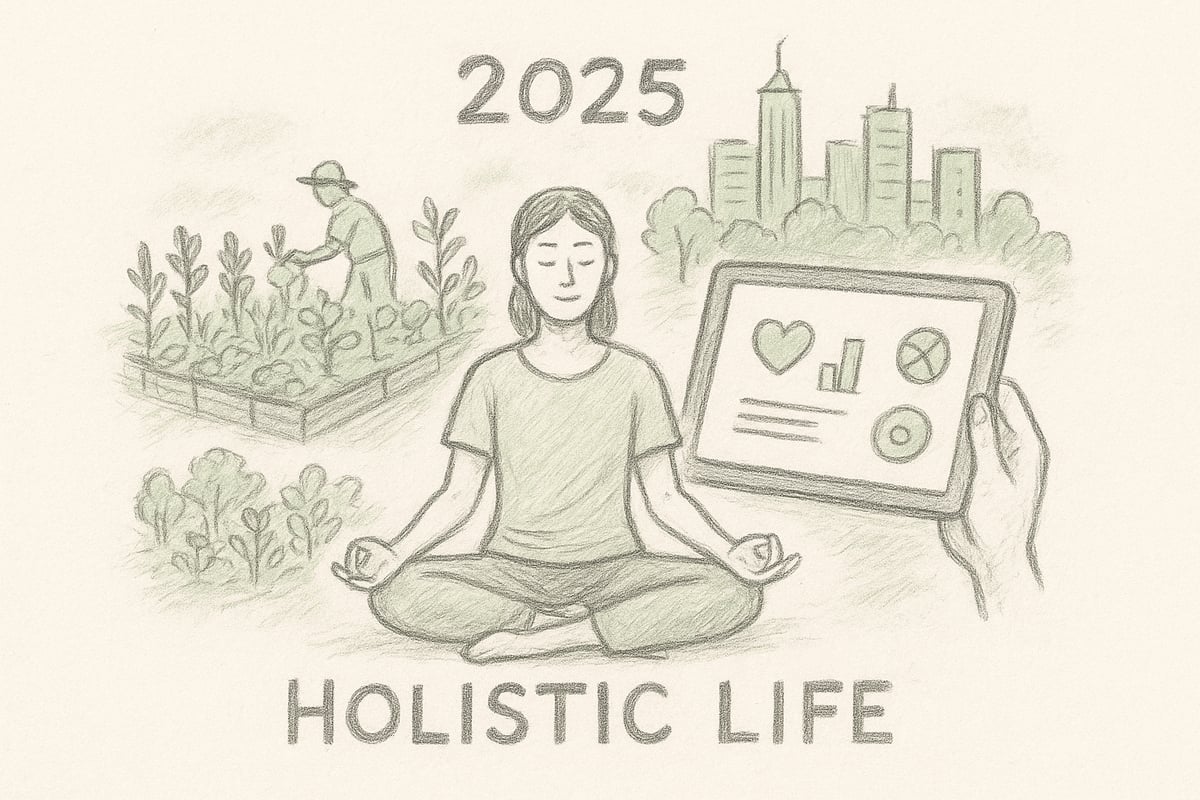
In 2025, holistic life is understood as an integrated approach to health, daily habits, and overall well-being. No longer limited to individual self-care, it now encompasses community bonds and environmental stewardship. Global health challenges and climate issues have pushed the holistic paradigm to include the well-being of our planet.
Traditional wisdom, such as Ayurveda and indigenous practices, is being blended with modern science, creating innovative models for living. The rise of “planetary health” as a framework highlights this shift, where personal choices are inseparable from collective and ecological outcomes.
By embracing this expanded vision, holistic life becomes a proactive path toward resilience and fulfillment.
Core Pillars of Holistic Life
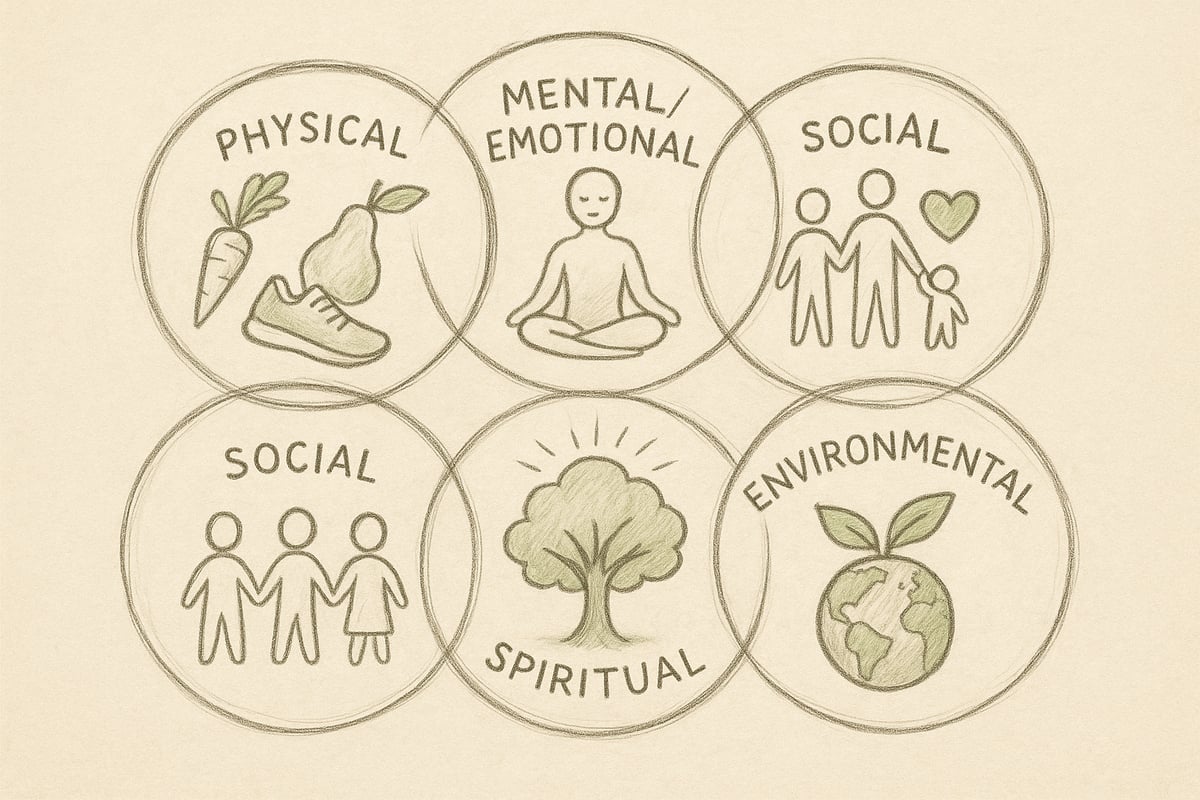
At its core, holistic life is shaped by six interconnected pillars: physical, mental, emotional, social, spiritual, and environmental wellness. Achieving balance and synergy among these areas is essential. This approach moves beyond treating isolated issues, promoting preventive care and lifelong vitality.
For instance, the World Health Organization has broadened its health definition to include overall well-being, not just the absence of disease. Leading voices emphasize the importance of “standards of care” that address the full spectrum of human needs. For a deeper dive into these evolving dimensions and trends, visit Holistic Health 2025: Navigating The Future Of Personalized Wellness.
Embracing all pillars ensures that holistic life is a roadmap for thriving at every level.
The Shift from Symptom Management to Root Cause Wellness
A defining feature of holistic life in 2025 is the movement from managing symptoms to addressing root causes. This means looking beyond surface-level fixes and exploring underlying factors that impact health. Personalized, patient-centered care is now the norm, with practitioners using comprehensive assessments to tailor interventions.
Functional medicine stands out as a model, focusing on the interconnectedness of body systems, lifestyle, and environment. The demand for holistic practitioners and integrative clinics is rising, reflecting a desire for deeper healing.
Choosing holistic life means investing in prevention and long-term transformation, not just short-term relief.
The Role of Self-Awareness and Mindfulness
Mindfulness is foundational to holistic life, supporting awareness of thoughts, emotions, and bodily sensations. Practices such as meditation, breathwork, and body scanning help individuals tune into their needs and make conscious choices.
Programs like Mindfulness-Based Stress Reduction (MBSR) have demonstrated significant improvements in both physical and mental health. Research shows that mindfulness can reduce stress, enhance focus, and foster emotional resilience.
By cultivating self-awareness, holistic life empowers people to respond to challenges with clarity and purpose, rather than simply reacting to stressors.
The Interconnectedness of Individual, Community, and Planet
Holistic life is not just a personal journey—it is a collective responsibility. Social determinants, like access to healthcare and safe environments, play a critical role in well-being. Environmental stewardship, such as participating in community gardens or supporting eco-friendly initiatives, benefits everyone.
Examples like eco-villages and sustainable urban planning show how communities can thrive together. By embracing interconnectedness, holistic life builds stronger, healthier societies for current and future generations.
The Pillars of Holistic Wellness: Body, Mind, Spirit, and Beyond
True holistic life thrives on the integration of multiple wellness pillars. In 2025, the blueprint for optimal well-being extends far beyond just physical health. It encompasses mind, body, spirit, relationships, and the planet, creating a dynamic foundation for lasting vitality. Let us explore each pillar and how they interconnect to support your holistic life.
Physical Wellness: Nutrition, Movement, and Preventive Care
Physical wellness forms the bedrock of holistic life. In 2025, whole-food, plant-forward diets have gained prominence, supporting both personal health and environmental sustainability. Regular movement, from structured exercise to active daily habits like walking, yoga, and tai chi, is essential for maintaining energy and resilience.
Preventive care is no longer optional, but a proactive commitment. Annual screenings and comprehensive checkups are now part of routine self-care. The lifestyle habits observed in Blue Zones, such as plant-based eating, daily movement, and social engagement, demonstrate the profound impact of physical wellness on longevity.
Recent studies highlight the direct link between diet, physical activity, and lifespan. For a deeper dive into emerging wellness practices, the Future of Wellness 2025: Trends Shaping Holistic Living article explores how nutrition and movement trends are shaping holistic life.
- Emphasize fresh, minimally processed foods
- Incorporate movement into daily routines
- Prioritize preventive checkups for early intervention
By nurturing physical wellness, you build a solid foundation for a vibrant holistic life.
Mental and Emotional Wellness: Mindfulness, Resilience, and Trauma-Informed Care
Mental and emotional wellness is central to holistic life. Mindfulness practices, like meditation, breathwork, and body scanning, empower individuals to manage stress and anxiety with greater ease. Building emotional resilience involves self-compassion, cognitive strategies, and the ability to adapt to change.
Trauma-informed care, including somatic therapy and group support, is increasingly recognized for its role in healing. Podcasts such as Holistic Life Navigation share valuable insights on trauma recovery and emotional balance. The rise in mental health apps and teletherapy reflects growing demand for accessible support.
- Practice daily mindfulness or meditation
- Cultivate self-awareness and emotional agility
- Seek trauma-informed resources and group support when needed
Prioritizing mental and emotional wellness helps to unlock the full potential of holistic life, fostering clarity and inner peace.
Social and Relational Wellness: Connection, Community, and Boundaries
Social wellness is a cornerstone of holistic life, emphasizing the need for genuine connection and supportive networks. Strong relationships with family, friends, and community members are linked to better health outcomes and increased happiness.
Nurturing these bonds involves active listening, open communication, and setting healthy boundaries to maintain balance. Community-driven wellness programs, such as group fitness classes or neighborhood support circles, foster collective resilience.
- Build and maintain close relationships
- Join group wellness activities or support circles
- Set healthy boundaries to protect your energy
Investing in social wellness strengthens the fabric of holistic life and provides a sense of belonging.
Spiritual Wellness: Meaning, Purpose, and Interconnectedness
Spiritual wellness enriches holistic life by helping individuals explore meaning, values, and purpose. Practices like meditation, prayer, time in nature, and rituals support a deeper connection to self and the world.
Drawing from indigenous and ancestral wisdom, many are weaving spirituality into daily routines. Interest in spiritual exploration as part of holistic care is on the rise, as more people seek fulfillment beyond material goals.
- Reflect on core values and life purpose
- Engage in spiritual practices that resonate with you
- Connect with nature for grounding and inspiration
Cultivating spiritual wellness brings depth and harmony to holistic life.
Environmental and Planetary Wellness: Sustainable Living
Environmental wellness is an inseparable aspect of holistic life in 2025. Making eco-conscious choices, such as reducing waste and supporting local or organic producers, benefits both personal health and the planet.
Access to green spaces and immersion in nature are recognized for their positive effects on well-being. Urban wellness initiatives and regenerative agriculture projects are transforming communities, while research continues to confirm the link between environmental health and individual wellness.
- Choose sustainable products and habits
- Spend time outdoors regularly
- Support community and environmental initiatives
Embracing environmental wellness ensures that holistic life extends beyond the self, nurturing the world we all share.
Emerging Trends and Innovations in Holistic Living for 2025
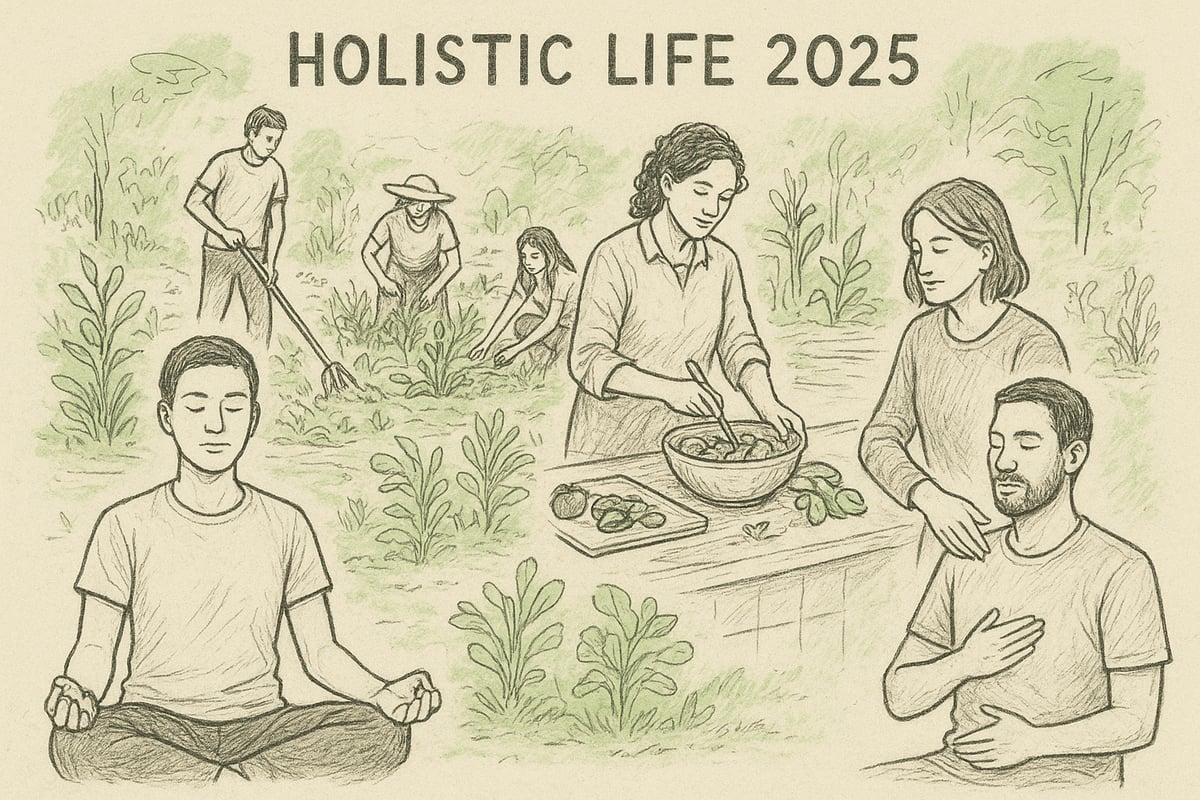
As we look ahead to 2025, holistic life is evolving through groundbreaking trends and new paradigms. Individuals, families, and communities are adopting integrative practices that support total well-being. Let us explore the most significant innovations shaping holistic life and how they are transforming health and wellness for the future.
Integrative and Functional Medicine
Integrative and functional medicine are redefining holistic life by blending conventional healthcare with complementary therapies. In 2025, clinics are offering personalized care that considers genetics, microbiome data, and lifestyle habits. This shift enables practitioners to address root causes rather than just symptoms.
Remote patient monitoring and telehealth are expanding access to holistic life for diverse populations. For example, patients can now receive nutrition coaching, stress management support, and lab result reviews from home. This patient-centered approach ensures that holistic life is proactive and preventive, rather than reactive.
Digital Wellness and Technology Integration
Technology is rapidly transforming the way individuals engage with holistic life. Wellness apps now track nutrition, sleep, mindfulness, and daily habits, making it easier to monitor progress. Wearables and biofeedback devices provide real-time insights into physical and emotional states, enabling users to adjust routines for optimal well-being.
As highlighted in Holistic Health Trends to Watch in 2025, there is a surge in telehealth and digital communities, allowing people to access holistic life resources, group programs, and expert guidance from anywhere. This digital shift is making holistic life more accessible and personalized for everyone.
Trauma-Informed and Somatic Practices
The mainstream adoption of trauma-informed and somatic practices marks a pivotal shift in holistic life. Techniques such as breathwork, body scanning, and nervous system regulation are now widely used to address stress and trauma at their source.
Podcasts and group workshops are popularizing somatic approaches, helping individuals integrate these tools into daily routines. This emphasis on healing the root causes of distress reflects a deeper understanding of the mind-body connection, which is central to holistic life in 2025.
Food as Medicine and Personalized Nutrition
Holistic life in 2025 embraces food as medicine, focusing on the therapeutic potential of nutrition. Personalized dietary plans, informed by nutrigenomics and microbiome analysis, are helping individuals manage conditions like ADHD, chronic illness, and mental health issues.
Free webinars and courses educate the public on whole-food, anti-inflammatory diets. This individualized approach empowers people to make informed choices, reinforcing the role of nutrition as a foundational pillar of holistic life.
Decolonizing Wellness and Reclaiming Traditional Healing
A key innovation in holistic life is the movement to decolonize wellness and revive traditional healing practices. Practitioners are addressing systemic inequities by integrating indigenous, Afroindigenous, and ancestral knowledge into modern care models.
Groups like Pure Black: Afroindigenous Wellness Group are leading the way, offering culturally rooted programs and advocacy. This trend ensures that holistic life is inclusive, honoring diverse histories and perspectives while promoting equity in health.
Community-Driven Wellness and Collective Healing
Community-driven wellness is accelerating the growth of holistic life in 2025. Group programs, retreats, and collective healing spaces foster peer support, shared accountability, and resilience. Four-week collectives and community onboarding pathways are becoming standard, helping people build strong support networks.
Research shows that group work enhances healing outcomes and helps individuals sustain holistic life changes. By prioritizing connection and collaboration, communities are making holistic life a shared journey toward well-being.
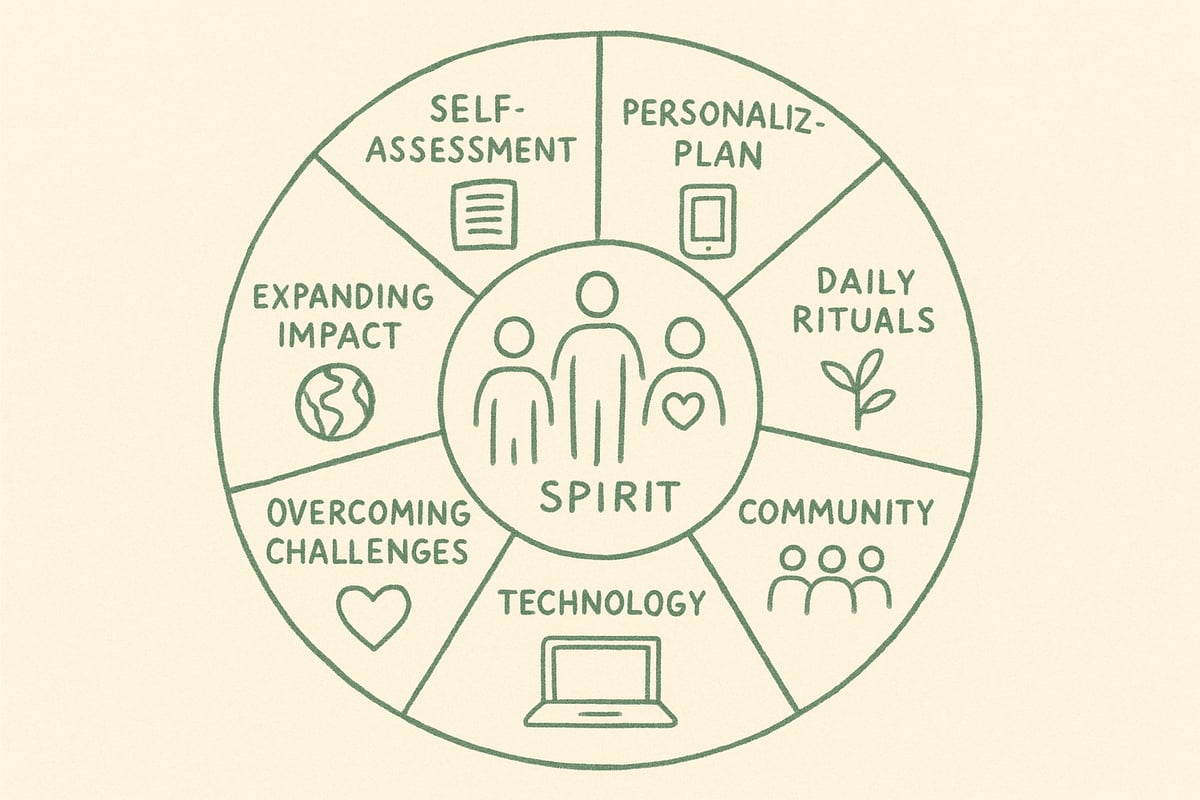
Step-by-Step Guide to Building a Holistic Life in 2025
Embarking on a holistic life journey in 2025 means intentionally integrating mind, body, spirit, community, and environment into your daily rhythms. By following these seven practical steps, you will build a foundation for sustainable well-being and growth. Each step is designed to help you create positive, lasting change while adapting to the dynamic world around you.
Step 1: Self-Assessment and Setting Intentions
Begin your holistic life transformation with honest self-assessment. Use tools like wellness wheels or digital health trackers to map out your strengths and areas for growth. Reflect on your personal values, passions, and well-being priorities.
Journaling prompts can help clarify what matters most. For example, ask yourself: What does thriving mean to me? Where do I feel most out of balance? This self-inquiry forms the cornerstone of a holistic life, guiding you toward meaningful, actionable goals.
Research suggests that individuals who regularly assess their well-being are more likely to sustain positive lifestyle changes. By defining clear intentions, you set a strong foundation for every other step.
Step 2: Creating a Personalized Holistic Wellness Plan
With your intentions set, design a plan that weaves together physical, mental, spiritual, social, and environmental well-being. Consider using wellness apps, working with a coach, or following structured programs to support your journey.
Flexibility is vital. Your holistic life plan should be adaptable, reflecting your changing needs and insights. Integrate practical goals for nutrition, movement, relationships, and sustainable living.
Stay informed about the latest trends and research. For example, the Lifestyle Medicine Initiative Trends for 2025 report highlights the importance of collaborative care and workplace wellness, which can inspire your planning process. Remember, self-compassion and patience are essential as you build new habits.
Step 3: Establishing Daily Holistic Rituals and Routines
Consistency brings a holistic life to fruition. Create morning and evening rituals that ground and energize you, such as meditation, mindful movement, or gratitude journaling.
Structure your day to include nourishing meals, regular activity, and digital detox periods. Sample routines might involve a short walk after breakfast, a midday stretch, and a calming bedtime wind-down.
These small, repeatable actions reinforce your intentions and make holistic life second nature. Adjust rituals as needed to maintain enjoyment and effectiveness.
Step 4: Building Supportive Social and Community Networks
Holistic life thrives on connection. Seek out wellness communities, local groups, or online forums that share your values and interests.
Collaborate with family and friends to co-create healthy habits and support systems. Volunteer for community wellness initiatives or join group classes to expand your network.
Strong social ties boost resilience and motivation. Remember, building a holistic life is easier—and more fulfilling—when you are part of a supportive community.
Step 5: Leveraging Technology for Accountability and Growth
Digital tools can accelerate your holistic life journey. Use wearables to track steps, sleep, or mindfulness minutes. Explore apps that offer guided meditations, nutrition logs, or habit trackers.
Remote coaching and telehealth services provide expert guidance right from your home. Many platforms now offer community features, where you can share progress and celebrate milestones.
Choose technology that aligns with your values and supports your goals. Mindful engagement with these tools helps you stay on track without becoming overwhelmed.
Step 6: Navigating Challenges and Sustaining Motivation
Every holistic life journey encounters obstacles. Anticipate common barriers like time constraints, motivation dips, or unexpected setbacks.
Develop strategies for resilience, such as regular self-reflection, adaptive routines, and seeking encouragement from peers. Celebrate small wins and learn from challenges rather than viewing them as failures.
Real-life stories of transformation show that perseverance and flexibility are key. Adjust your approach as needed and remember that progress in holistic life is a continual, evolving process.
Step 7: Expanding Holistic Impact: From Self to Planet
As your holistic life flourishes, extend its benefits beyond yourself. Engage in volunteering, environmental stewardship, or wellness education to uplift your community and the planet.
Participate in community gardens, eco-volunteering, or group wellness events. Inspire others to join you on this path, creating a ripple effect of collective well-being.
By integrating personal growth with social and environmental action, you embody the true spirit of holistic life in 2025. Your choices can foster a healthier, more connected world for all.
The Role of Technology and Digital Communities in Holistic Life
The digital landscape in 2025 is transforming how people approach holistic life. Technology connects individuals, creates supportive communities, and empowers people to take charge of their well-being. As holistic life becomes more integrated with tech, new opportunities for growth, connection, and balance emerge.
The Rise of Holistic Wellness Apps and Platforms
Holistic wellness apps are now central to holistic life in 2025. These platforms offer habit tracking, remote consultations, and group wellness programs. Users can monitor nutrition, sleep, movement, and mindfulness all in one place. Popular examples include the Holistic Life App, which provides personalized guidance, community forums, and expert resources.
| Feature | Benefit for Holistic Life |
|---|---|
| Habit tracking | Encourages daily consistency |
| Group programs | Builds connection and support |
| Remote consults | Expands access to experts |
As more people seek holistic life solutions, user engagement and outcomes from these apps continue to rise. Digital platforms are now a foundation for building healthier, more connected lifestyles.
Remote Patient Monitoring and Telehealth
Remote patient monitoring and telehealth are revolutionizing holistic life by making care accessible from anywhere. Virtual consultations allow individuals to connect with integrative practitioners, regardless of location. This is especially valuable for rural or underserved communities.
Wearable devices track vital signs, activity, and stress, providing real-time feedback. Data from these devices supports proactive decision-making and helps practitioners tailor care to each person. Integrating clinical care with digital tools ensures that holistic life principles reach more people, making personalized wellness both practical and scalable.
Online Education and Certification in Holistic Health
Online education is reshaping how people learn about holistic life. In 2025, there is a surge in courses, certifications, and degree programs focused on integrative health. Institutions like the International Institute of Integrative and Holistic Health Sciences blend academic rigor with real-world skills.
Students access interactive modules, live webinars, and practical workshops. This digital approach allows flexible learning, making it easier for working professionals to upskill or transition into holistic life careers. Enrollment numbers are rising, demonstrating the growing demand for qualified holistic practitioners.
Building and Sustaining Digital Wellness Communities
Digital communities are vital for sustaining holistic life. They offer peer support, live group sessions, and engaging challenges. Platforms host affinity groups, wellness cohorts, and collective healing spaces that encourage accountability and connection.
To foster genuine relationships, many communities organize virtual meetups, discussion boards, and shared goal-setting activities. These digital spaces help individuals feel less isolated and more empowered on their holistic life journey. Community-driven engagement accelerates growth and resilience for all members.
Balancing Digital Engagement with Mindful Presence
Mindful technology use is essential for a balanced holistic life. Managing screen time and reducing digital overwhelm are top priorities. People adopt practices like digital sabbaths, intentional app usage, and scheduled device-free periods.
Apps now include features for mindful engagement, such as reminders for breaks and guided meditations. Research shows that mindful tech habits support better mental health and overall wellness. By blending digital tools with conscious presence, individuals maintain the benefits of technology without sacrificing their holistic life balance.
Integrating Holistic Life into Family, Work, and Society
Adopting a holistic life means weaving wellness principles into the fabric of daily existence, not only individually but as families, workplaces, and communities. In 2025, this integrated approach is essential for thriving together. Let’s explore how holistic life can transform each sphere.
Holistic Living for Families and Children
Families are the first environment where holistic life takes root. Establishing wellness routines, such as shared whole-food meals, regular movement, and mindfulness practices, creates a foundation for lifelong well-being. Parents who model holistic life through intentional routines teach children the value of balance, connection, and self-care.
Simple activities can make a difference:
- Preparing meals as a family, focusing on fresh, local ingredients.
- Practicing short guided meditations or breathwork together.
- Spending time outdoors, gardening, or exploring nature.
Holistic life education for children nurtures resilience and emotional intelligence. Group activities, like family yoga or nature walks, foster a sense of community and belonging. These daily habits help embed holistic life values, setting the stage for healthier generations.
Holistic Approaches in the Workplace
Workplaces are recognizing the impact of holistic life on employee well-being and productivity. Organizations now implement comprehensive wellness programs, including stress management workshops, movement breaks, and healthy eating initiatives. These efforts support both physical and mental health.
Benefits of workplace holistic life initiatives include:
- Reduced absenteeism and improved morale.
- Increased engagement and job satisfaction.
- Enhanced creativity and collaboration.
Companies often use incentives, such as wellness challenges or mindfulness sessions, to encourage participation. Studies show that investing in holistic life yields measurable returns, including higher productivity and lower healthcare costs. By prioritizing balance and purpose, organizations foster a culture where employees can thrive.
Creating Holistic Communities and Social Networks
Strong social networks are crucial for sustaining holistic life. Grassroots efforts, such as neighborhood wellness collectives and local events, build inclusive support systems. Community gardens, group exercise classes, and wellness workshops create spaces where everyone can participate.
Key elements of holistic life communities:
- Inclusivity and diversity in programs and outreach.
- Regular events that promote connection and learning.
- Opportunities for shared leadership and collaboration.
These initiatives encourage individuals to contribute their unique strengths, reinforcing the idea that holistic life is a shared journey. Local wellness events also foster a sense of belonging and mutual support, making holistic life accessible to all.
Holistic Public Health and Policy
Public health approaches are evolving to embrace holistic life as a central pillar. Policymakers now advocate for integrative health models that address physical, mental, and social determinants of well-being. Preventive care, health education, and equitable access are at the forefront of these efforts.
Examples of holistic life in policy include:
- Integrative clinics in underserved areas.
- Community-based mental health support.
- Policies supporting healthy environments and food access.
Research shows that holistic life interventions can improve community health outcomes and reduce disparities. By prioritizing prevention and inclusivity, public health systems help create a more resilient society. These shifts reflect a deeper understanding of how interconnected our well-being truly is.
The Future of Holistic Life: Opportunities and Challenges
Looking ahead, holistic life will continue to evolve, shaped by innovation, education, and collective action. Emerging trends include digital health platforms, personalized wellness plans, and greater emphasis on environmental stewardship. However, challenges such as access, misinformation, and commercialization remain.
Opportunities for advancing holistic life include:
- Expanding educational programs and certifications.
- Developing inclusive, culturally responsive wellness resources.
- Supporting policy changes that prioritize preventive care.
Case studies of successful holistic life initiatives, such as community gardens and corporate wellness programs, demonstrate the power of collective effort. Ongoing education and adaptability are vital, ensuring that holistic life remains relevant and accessible for all. For further exploration, consider visiting the National Center for Complementary and Integrative Health for evidence-based resources on holistic life.
As you reflect on the pillars of holistic wellness and envision how these insights could transform your daily life in 2025, remember that meaningful change thrives in supportive, like-minded communities. If you’re inspired to keep learning, stay connected, and be part of a movement dedicated to real mind-body-spirit balance, I invite you to join us for ongoing guidance, resources, and inspiration. Let’s walk this holistic path together—your next step starts here: Join Our Holistic Community for Updates