Are you ready to embrace a new path to wellness in 2025? Imagine transforming your daily life with the wisdom of african holistic health, a tradition rooted in balance, community, and harmony with nature.
This guide will introduce you to time-honored principles and show how they blend with modern approaches for complete well-being. You will find practical steps to nurture your mind, body, and spirit every day.
We will explore foundational philosophies, nutrition, healing therapies, daily rituals, and the vital role of community. Whether you are new or looking to deepen your journey, you will find a clear, actionable roadmap to start your personalized wellness practice.
Step into a holistic future where ancient African wisdom meets modern solutions for real, lasting health.
Foundations of African Holistic Health
African holistic health is rooted in centuries of wisdom, offering a complete approach to wellness that connects mind, body, and spirit. This foundation draws from diverse traditions and philosophies across the continent, shaping a way of life that values balance, community, and ancestral knowledge.
Historical Roots and Philosophical Principles
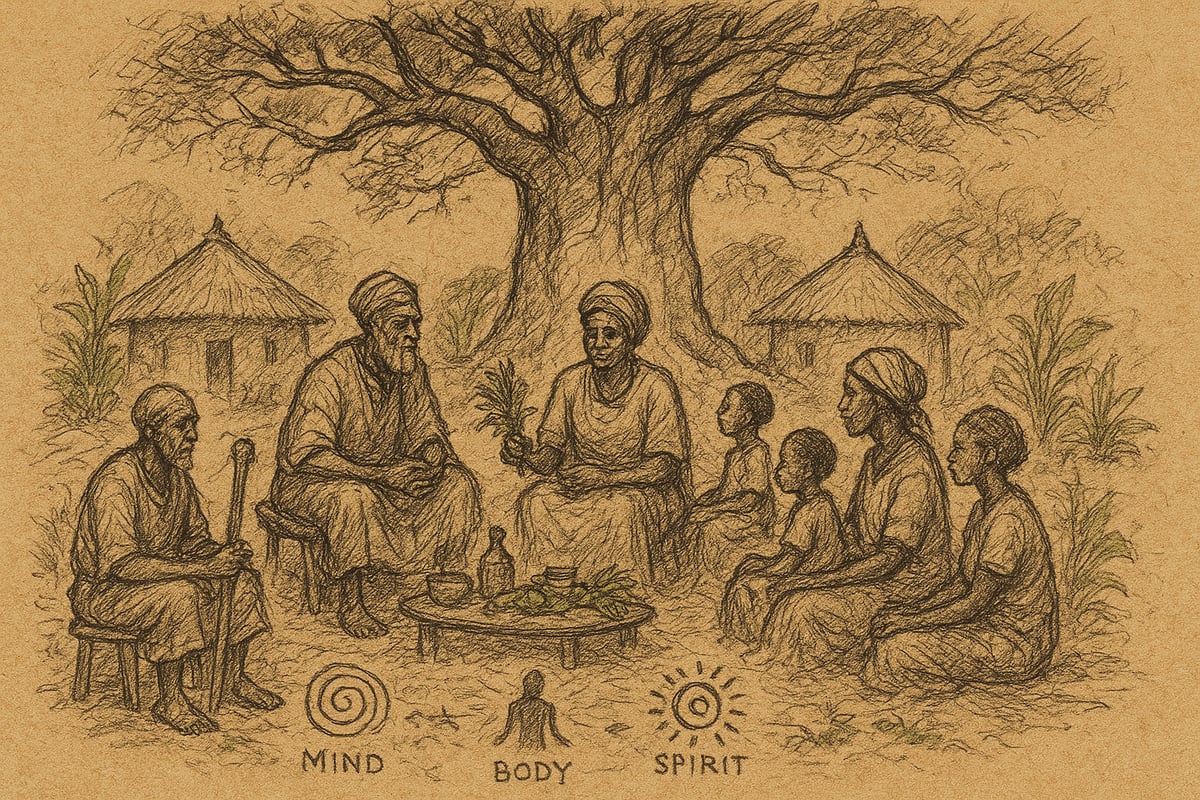
The origins of african holistic health trace back to ancient healing systems like Yoruba Ifa, Kemetic medicine, and Ubuntu philosophy. These systems emphasize interconnectedness, teaching that every person, plant, and spirit is part of a greater whole. Harmony with nature and honoring ancestors are central, with rituals and ceremonies guiding daily life.
Spirituality is inseparable from healing. In traditional african holistic health, wellness means aligning with natural cycles and maintaining balance in relationships, environment, and self. Communal living strengthens this harmony, as wisdom and care are shared across generations.
Unlike Western biomedical models, which often focus on treating symptoms, african holistic health views wellness as a lifestyle. The approach addresses root causes, not just physical ailments. For instance, Yoruba Ifa divination explores spiritual and emotional imbalances, while Kemetic healing incorporates meditation and energy work.
A key insight is that health is not isolated. It is a continuous journey requiring awareness, respect, and active participation. According to the WHO report on traditional medicine use, up to 80% of African populations rely on traditional healing, highlighting the enduring relevance of these systems.
Key Pillars: Mind, Body, and Spirit Integration
At the heart of african holistic health is the integration of mind, body, and spirit. This triad reflects the belief that true wellness cannot exist if any aspect is neglected. African traditions seek to uncover the root causes of imbalance, whether physical, emotional, or spiritual.
Emotional well-being and connection with ancestors are vital. Practices like meditation, prayer, and music are woven into healing to align the individual with higher purpose and collective energy. For example, drumming and chanting are used to restore harmony and release negative emotions.
Rituals for spiritual alignment may include daily affirmations, gratitude practices, or offerings to ancestors. These rituals support resilience and foster a sense of belonging.
Modern science increasingly validates the holistic approach, showing that integrated care leads to better outcomes. African holistic health reminds us that isolation of health aspects is incomplete—true balance comes from honoring the whole self.
The Role of the Community in Healing
Community is a cornerstone of african holistic health. Healing is rarely a solitary pursuit; instead, it involves the collective wisdom and support of elders, healers, and family members. This collaborative environment is designed to nurture accountability and shared growth.
Healers and elders play critical roles, offering guidance and traditional remedies. Families gather for group rituals, storytelling, and communal ceremonies, such as cleansing or group fasting. These practices build trust, reinforce social bonds, and ensure knowledge is passed down.
Community cleansing ceremonies, for instance, are not just about physical detoxification—they serve to restore emotional and spiritual balance. Storytelling is another vital tool, used to teach lessons and offer comfort during times of illness or stress.
Research shows that strong social ties can lower disease rates and improve overall well-being. While Western health models often prioritize individualism, african holistic health emphasizes collective responsibility, demonstrating that social cohesion is essential for optimal health.
Decolonizing Health: Reclaiming Traditional Practices
Colonization disrupted african holistic health systems, leading to the loss and marginalization of indigenous knowledge. However, recent years have seen a resurgence of traditional healing, herbalism, and foodways, as communities reclaim their heritage.
Movements across Africa and the diaspora are restoring practices such as the use of African superfoods, traditional birth attendants, and spiritual ceremonies. For example, the revival of moringa and fonio in local diets supports both nutrition and cultural identity.
Decolonizing health is about empowerment and self-determination. Integrating ancestral wisdom with evidence-based modern science creates a resilient, adaptive approach to wellness. UN initiatives now support indigenous health sovereignty, recognizing the importance of honoring and protecting traditional knowledge.
By reclaiming these practices, communities build resilience, restore pride, and chart a path toward holistic well-being. African holistic health is not only a legacy but a dynamic, living system, continually evolving to meet modern needs.
Nutrition and African Plant-Based Wisdom
Exploring nutrition within african holistic health reveals a tradition rooted in vibrant, plant-based wisdom. African diets, shaped by centuries of ancestral knowledge, offer a blueprint for natural wellness. By embracing these foods and practices, you can unlock new levels of energy, longevity, and disease prevention.
African Superfoods and Healing Diets
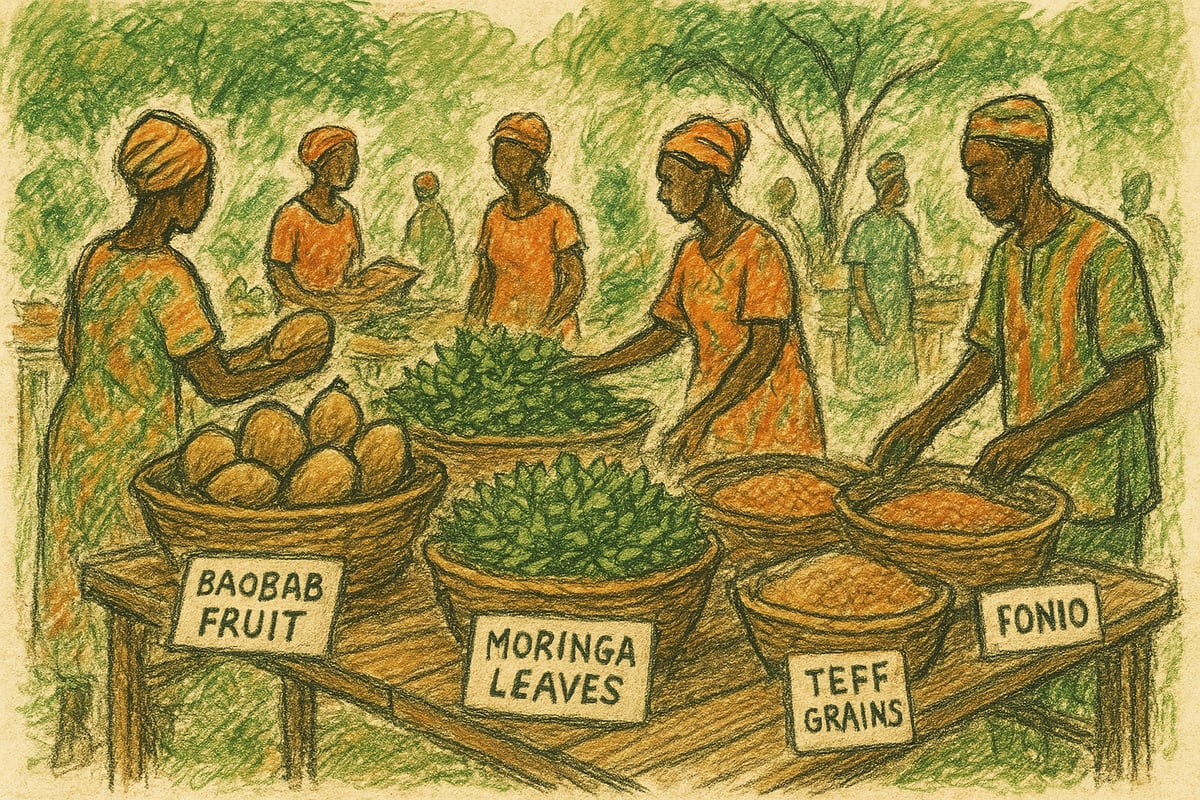
African holistic health is built on nutrient-dense superfoods that deliver exceptional benefits. Staples like teff, fonio, baobab, and moringa are prized for their high fiber, antioxidants, and vital micronutrients.
| Superfood | Key Nutrients | Health Benefit |
|---|---|---|
| Baobab | Vitamin C, fiber | Immune boost, gut health |
| Teff | Iron, protein | Energy, muscle repair |
| Fonio | Amino acids, B vitamins | Brain function, stamina |
| Moringa | Calcium, antioxidants | Bone and heart health |
Traditional eating patterns in african holistic health emphasize seasonal, plant-forward, and local foods. For example, baobab’s vitamin C content is several times higher than oranges, supporting immunity and vitality.
Research shows that people following these diets have lower rates of chronic disease. This approach is not just about food, but about sustaining life and promoting longevity.
The Role of Herbs and Botanicals in Healing
Herbs and botanicals are a cornerstone of african holistic health. Commonly used plants include hibiscus for blood pressure, bitter leaf for digestion, ginger for inflammation, and African potato for immune support.
Preparation methods vary, from teas and decoctions to poultices and tinctures. For example, hibiscus tea is widely consumed for its cardiovascular benefits. These herbal traditions are not only practical, but also deeply cultural, with knowledge passed down through generations.
Herbal medicine serves as primary care for many, offering accessible and trusted remedies. A scoping review of traditional medicine in West Africa highlights the diversity and therapeutic potential of these botanicals, with the World Health Organization estimating over 5,000 medicinal plants used across the continent.
Modern Adaptations: Integrating African Foods into Daily Life
Bringing african holistic health into modern kitchens is both practical and rewarding. Many African ingredients can now be sourced globally, from specialty stores to online markets.
Try millet porridge for breakfast, okra stew for dinner, or a moringa smoothie as a nutrient boost. When adapting these recipes, respect the cultural origins and traditions that shape them.
For urban dwellers and the African diaspora, creative adaptations help keep these foods accessible and affordable. As global demand rises, African superfoods are being exported more widely, reflecting a growing appreciation for these time-honored staples.
Food as Medicine: Preventing and Managing Chronic Disease
Food is a powerful tool for prevention and healing in african holistic health. Diets rich in whole, plant-based foods help prevent diabetes, hypertension, and obesity.
Evidence supports the use of traditional diets to improve health outcomes, as seen in studies comparing ancestral African eating to processed Western diets. Case studies reveal that returning to traditional foods leads to better energy, improved lab markers, and lower disease risk.
This philosophy centers on prevention, not just treatment. By reclaiming health through food choices, individuals are empowered to take control of their well-being, echoing the core values of african holistic health.
African Healing Modalities and Therapies
African holistic health offers a diverse array of healing modalities, blending ancient wisdom with modern innovations. These therapies focus on restoring balance within the mind, body, and spirit, providing a comprehensive approach to lifelong wellness.
Herbalism and Traditional Medicine
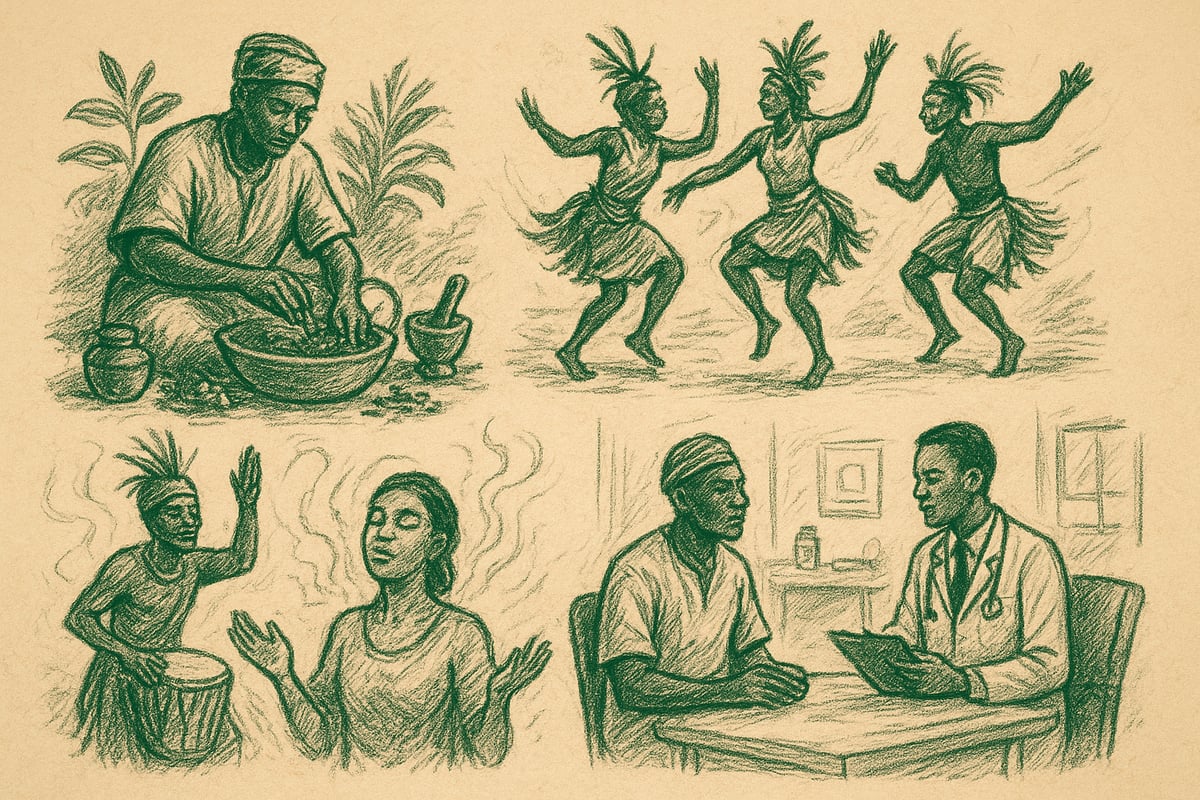
Herbalism remains a cornerstone of african holistic health. Traditional healers utilize roots, barks, and leaves to craft remedies targeting a wide spectrum of ailments. Remedies such as artemisia for malaria and neem for skin conditions showcase the depth of botanical knowledge passed down through generations.
Preparation methods include teas, decoctions, and poultices, each tailored to maximize therapeutic effects. Engaging with trained herbalists ensures safety and efficacy, as some plants require expert handling. Herbal medicine does not replace modern care but complements it, offering natural solutions for prevention and recovery.
According to the World Health Organization, up to 80 percent of Africans rely on herbal medicine as primary care, reflecting its enduring relevance in african holistic health systems.
Bodywork and Movement Therapies
Physical movement and bodywork are integral to african holistic health. Traditional massage techniques, such as abhyanga, help relieve tension, improve circulation, and enhance relaxation. Dance and rhythmic movement are not only cultural expressions but also therapeutic tools, supporting cardiovascular and mental health.
Music and dance are woven into healing practices, harnessing rhythm to release emotional and physical blockages. Scientific studies show that dance therapy can reduce stress, elevate mood, and foster a sense of community.
By incorporating these movement-based therapies, individuals can experience the interconnected benefits of body, mind, and spirit that define african holistic health.
Energy Healing and Spiritual Practices
Energy healing is central to many african holistic health traditions. Rituals such as drumming, chanting, and ancestral invocations are used to restore energetic harmony. Practices like spiritual baths, smudging, and cleansing ceremonies help clear negative influences, promoting both physical and spiritual well-being.
The concept of energy flow, known as chi or ashe, underpins many healing rituals. Yoruba orisha ceremonies, for example, seek to balance spiritual forces and realign the individual with the community and nature.
Modern research increasingly recognizes the impact of spiritual health on physical wellness, validating the importance of these energy-based practices within african holistic health frameworks.
Modern Clinical Practice and Integrative Approaches
Today, african holistic health is evolving through collaboration between traditional healers and medical professionals. Integrated clinics combine herbal therapies with allopathic treatments, offering patients holistic solutions tailored to their needs.
This approach addresses the challenges of safety, regulation, and efficacy by drawing on the strengths of both systems. For example, South African clinics may offer herbal remedies alongside conventional care, ensuring comprehensive support.
The integration of traditional medicine into public health strategies is vital for expanding access and improving outcomes. For an in-depth look at these efforts, see Traditional medicine in African public health strategy.
By merging ancestral wisdom with scientific advances, african holistic health continues to empower communities and individuals on their wellness journey.
Daily Rituals and Lifestyle Practices for Wellness
Daily rituals are the backbone of african holistic health, weaving ancestral wisdom into the fabric of everyday life. These practices nurture mind, body, and spirit, transforming ordinary routines into intentional acts of healing and renewal. By embracing rituals rooted in tradition and supported by science, you can anchor wellness and resilience in your daily journey.
Morning and Evening Rituals
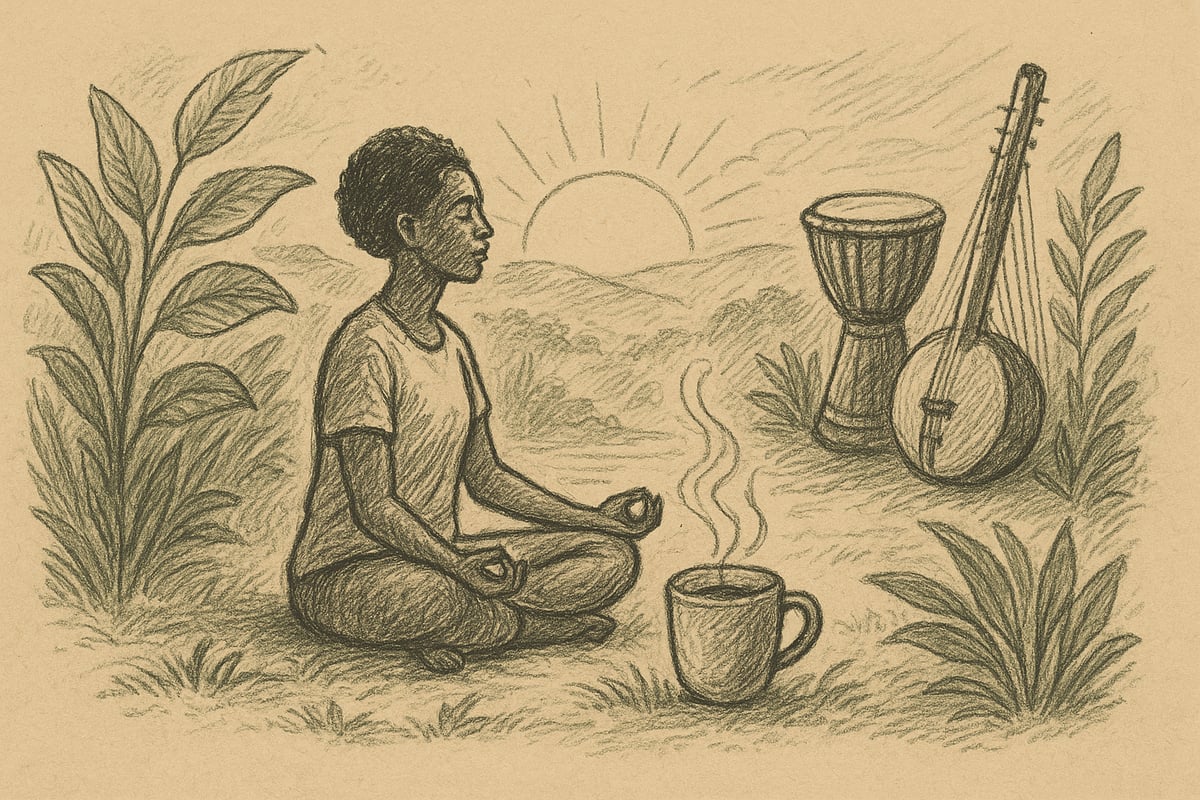
Morning and evening rituals create a stable rhythm that supports african holistic health throughout the day and night. Start your morning with a few minutes of sunrise meditation or mindful breathing. This centers your mind and sets a positive intention for what lies ahead. Many incorporate gratitude journaling, writing down three things they are thankful for to begin the day with appreciation.
Herbal teas, such as moringa or lemongrass, are often enjoyed in the morning to gently awaken the body. In the evening, a calming cup of hibiscus or chamomile tea can signal the body to unwind. Movement—whether gentle stretching, a short walk, or traditional dance—helps activate circulation and energy.
Evening rituals may include intention-setting, visualization, or quiet reflection. Creating a consistent schedule supports circadian rhythms, which in turn improves sleep quality and stress resilience. Studies show that individuals with regular routines experience better mental health outcomes.
By integrating these small, meaningful practices, you lay the foundation for balanced african holistic health each day.
Detoxification and Cleansing Practices
Detoxification and cleansing are vital elements of african holistic health, serving both physical and spiritual needs. Traditional rituals include periodic fasting, herbal cleanses, and sweat lodges, all designed to reset the digestive system, eliminate toxins, and restore clarity. Seasonal cleansing ceremonies, especially in West African communities, mark transitions and renew communal bonds.
Herbal remedies such as bitter leaf, neem, and ginger are commonly used for their purifying properties. These can be prepared as teas or decoctions, supporting the body's natural detox pathways. Modern adaptations allow for safe, gentle cleanses that fit contemporary lifestyles.
Detox is not about punishment, but prevention and self-care. Safety is paramount, so always consult knowledgeable practitioners before beginning any new regimen. Recent studies highlight that fasting, when practiced mindfully, can improve metabolic markers and promote longevity.
The recognition of traditional cleansing practices by international organizations, as discussed in the WHO African Traditional Medicine Day 2022 speech, underscores their value in holistic wellness systems.
Stress Management and Emotional Wellness
Emotional well-being is inseparable from physical health in african holistic health. Traditional African societies have long used storytelling, communal gatherings, and music therapy to process emotions and strengthen resilience. Group drumming sessions, guided imagery, and deep breathing exercises are powerful tools for releasing tension and restoring balance.
Laughter, play, and creative expression are encouraged as daily medicines. Healing circles provide safe spaces for sharing experiences and fostering connection, especially during periods of trauma or transition.
Research affirms that group therapy, music, and communal support significantly reduce anxiety and depression rates. Incorporating these approaches into your daily life builds a robust emotional foundation.
By weaving emotional wellness practices into your day, you honor the holistic nature of african holistic health and empower yourself to navigate stress with grace.
Sleep, Rest, and the Importance of Restorative Practices
Rest is a cornerstone of african holistic health, essential for healing and vitality. Many African cultures place great importance on rest, viewing it as a sacred opportunity for renewal. Herbal teas like African potato or lemongrass can support restful sleep when enjoyed before bedtime.
Creating a peaceful sleep environment is key. Dim lighting, calming sounds, and soothing aromas help signal the body to slow down. Evening storytelling, a cherished tradition, offers a gentle transition to sleep, fostering connection and relaxation.
Prioritizing rest is not a luxury, but a necessity. Poor sleep is closely linked to increased risk of chronic diseases such as hypertension and diabetes. By embracing restorative practices, you reinforce every aspect of african holistic health, ensuring your mind, body, and spirit are prepared to thrive.
Building Your Personal African Holistic Health Plan
Choosing to embrace african holistic health is a powerful step toward lasting well-being. Personalizing your path means honoring your unique needs, goals, and cultural connections. This section guides you in building a plan that fits your life, using time-tested wisdom and practical strategies.
Assessing Your Needs and Setting Intentions
Begin your journey with a thoughtful self-assessment. Take time to check in on your physical, emotional, and spiritual health. African holistic health encourages you to look for imbalances, whether they show up as fatigue, stress, or disconnection.
Journaling is a useful tool here. Record daily habits, energy levels, and mood patterns. This helps you spot trends and set realistic targets. Setting SMART goals—Specific, Measurable, Achievable, Relevant, and Time-bound—ensures your intentions are clear and actionable.
For example, you might aim to integrate more plant-based meals or start a morning meditation practice. Personalization is key in african holistic health, making your plan sustainable and meaningful. Data shows that people who set clear goals are more likely to stick with new routines and see progress. Remember, your journey should reflect your story and honor your heritage.
Step-by-Step Path to Wellness: A Chronological Guide
With your intentions set, it is time to build your plan. The african holistic health approach works best when you move step by step. Start by learning the foundational philosophies that resonate with you, such as interconnectedness and balance.
Next, focus on nutrition. Add african superfoods and traditional herbs to your meals. Try recipes like millet porridge or moringa smoothies to support your body and honor your roots. Introduce daily rituals, such as stretching, mindful breathing, or herbal teas, to anchor your days.
Expand your practice by exploring healing modalities. Engage in herbalism, energy work, or bodywork therapies. Building community is also essential in african holistic health. Seek out support groups or join a 30-day wellness challenge to keep yourself motivated. Gradual, layered steps help you form habits that last, leading to genuine transformation.
Overcoming Barriers and Staying Motivated
Every wellness journey has its challenges. Common barriers in african holistic health include limited access to traditional ingredients, time constraints, skepticism, or feeling disconnected from your roots. The good news is, solutions exist.
Leverage online resources, connect with community groups, or explore telehealth for guidance from practitioners. The African diaspora often adapts practices for urban living, making wellness accessible wherever you are. Accountability partners, wellness journals, or group challenges can keep you on track.
Consistency matters more than perfection in african holistic health. Social support increases your chances of success, as studies show people with community ties are more likely to maintain healthy changes. Stay flexible, celebrate small wins, and remember that every step forward counts.
Tracking Progress and Celebrating Success
Measuring your progress is vital for long-term success. Use wellness journals, mobile apps, or regular check-ins with your community to track energy, sleep, mood, and even lab results. These tools are invaluable in the african holistic health journey.
Set aside time each month to review your achievements. Celebrate milestones, whether it is sticking to a new habit or feeling more balanced. Rituals, rewards, and sharing your story with others reinforce positive behaviors.
Adjust your plan as your needs change. Reflection and celebration are central to african holistic health, helping you stay inspired and resilient. By honoring your growth, you reinforce the commitment to your well-being and the wisdom of your heritage.
The Power of Community and Collective Healing
Community is the heartbeat of african holistic health, shaping the way individuals and groups approach well-being. In African traditions, healing is rarely a solitary path. Instead, it is woven through the fabric of family, social networks, and shared experience. This collective approach builds resilience, trust, and lasting wellness.
The Role of Family and Social Networks
Family stands at the foundation of african holistic health. Knowledge, rituals, and healing practices are passed down from elders to the younger generation, ensuring that wisdom endures. Grandmothers often serve as healers, teachers, and spiritual guides, fostering a sense of continuity and belonging.
Strong family ties offer emotional support and accountability, making it easier to adopt healthy habits. Intergenerational relationships create opportunities for learning, mentorship, and shared responsibility for health.
- Grandmothers as herbalists and storytellers
- Fathers teaching traditional movement and dance
- Children learning foodways through shared meals
Studies consistently show that robust family networks are linked to healthier lifestyle choices and improved well-being. In african holistic health, caring for oneself is inseparable from caring for loved ones and community.
Community-Based Wellness Programs and Initiatives
Beyond the family, african holistic health thrives in community-based programs. Urban gardens and food co-ops, for example, help revive traditional diets and ensure access to fresh, local produce. Group classes in dance, cooking, or meditation foster connection and mutual growth.
Digital communities are also expanding, making support accessible regardless of location. Social media, online forums, and virtual group sessions allow the African diaspora to maintain cultural ties and share wellness journeys.
Some impactful initiatives include:
- Wellness collectives offering group fasting or cleansing ceremonies
- Community-run herbal clinics and workshops
- Online summits and webinars focused on african holistic health
Evidence shows that these collective efforts reduce health disparities and promote equity. Community-driven programs are vital for lasting impact, especially when they honor tradition and adapt to modern needs.
Empowerment, Advocacy, and the Future of African Holistic Health
Empowering communities is central to the future of african holistic health. Grassroots movements are reclaiming indigenous practices, from herbal medicine to spiritual healing. Advocacy for policy change and equitable access to traditional care is gaining momentum.
Education plays a crucial role in sustaining these efforts. African wellness festivals, conferences, and mentorship programs provide platforms for sharing knowledge and celebrating cultural heritage. As more people engage in this movement, research and funding for traditional medicine increase.
- Grassroots health advocacy groups
- Policy initiatives supporting indigenous healers
- Educational workshops on ancestral wellness
When communities unite, they shape the future of african holistic health. Collective healing is not only a tradition but a powerful tool for resilience, self-determination, and holistic well-being.
Resources for Further Learning and Support
Accessing quality resources is essential for deepening your journey into african holistic health. Whether you are seeking knowledge, practical tools, or a supportive community, a range of options are available to guide you.
Books, Courses, and Expert Guidance
Building a solid foundation in african holistic health begins with education. Start by exploring essential texts like “African Holistic Health” by Llaila Afrika, a comprehensive guide that covers nutrition, herbal remedies, and ancestral practices. Other recommended books include “The Healing Wisdom of Africa” by Malidoma Patrice Somé and “Sacred Woman” by Queen Afua.
Consider enrolling in online courses or workshops that focus on african holistic health principles. Many community organizations now offer herbalism classes, nutrition seminars, and wellness retreats both in person and virtually. These programs often feature experienced practitioners who provide hands-on guidance.
Finding a qualified mentor is invaluable. Look for practitioners with verified credentials or those recommended by trusted community members. Community-based herbalism courses are a practical way to receive expert instruction and connect with others on a similar path.
| Resource Type | Example | Description |
|---|---|---|
| Book | “African Holistic Health” | Foundational reference |
| Course | Online herbalism workshop | Practical plant-based skills |
| Practitioner | Certified holistic health coach | Personalized guidance |
Education empowers you to make informed choices and sustain your african holistic health journey.
Digital Tools and Wellness Apps
Technology can make african holistic health more accessible and personalized. Wellness apps now offer features for tracking nutrition, movement, and daily rituals. Popular options include MyFitnessPal with African food databases and journaling apps that support intention setting.
Online communities provide accountability and encouragement. Platforms like Insight Timer host guided meditations inspired by african holistic health traditions. Some apps even include recipes and herbal remedy trackers tailored to African ingredients.
When evaluating digital resources, prioritize credibility. Choose apps with positive reviews, expert input, and strong privacy protections. Look for platforms that offer culturally relevant content and support diverse wellness needs.
Digital tools bridge the gap for those who may not have access to local practitioners or classes. As interest in african holistic health grows, more innovative apps and online platforms are emerging to support your wellness goals.
Connecting with the African Holistic Health Community
Community connection is a core part of african holistic health. Seek out local events, workshops, and wellness retreats to build relationships with like-minded individuals. Many cities now host African wellness festivals and herbal markets where you can learn from cultural experts.
Online forums and social media groups offer a space to share experiences, ask questions, and find mentorship. Global events like African wellness summits unite practitioners and enthusiasts from around the world. Participating in these networks provides motivation, accountability, and new learning opportunities.
To deepen your engagement, consider joining a peer support group or finding a mentor within the african holistic health community. These connections foster a sense of belonging and help you stay committed to your practice.
Active participation in community not only enhances your knowledge but also strengthens your commitment to african holistic health for long-term well-being.
As you reflect on the insights from African holistic health—integrating mind, body, and spirit, honoring ancestral wisdom, and embracing nourishing rituals—you might be wondering how to put these principles into practice in your daily life. To help you take the next step on your wellness journey, I invite you to explore our carefully crafted holistic guide. It’s designed to offer actionable strategies, practical tools, and deeper understanding so you can personalize your path to optimal health in 2025 and beyond. Ready to start?
Download Holistic Guide