Imagine a healthcare approach designed for your entire family, focusing on the body, mind, and spirit. In a world where health challenges are changing rapidly, families need solutions that go beyond the basics. That is where integrative family medicine steps in, blending trusted conventional care with holistic practices for true whole health.
This guide will walk you through what integrative family medicine means in 2025. You will learn how to understand its core principles, access the right providers, and benefit from its comprehensive approach. Discover actionable steps, inspiring success stories, and practical resources to help your family thrive.
Ready to reclaim wellness and empower your loved ones? Dive in and see how integrative family medicine can become your family’s pathway to lifelong vitality.
Understanding Integrative Family Medicine: Foundations and Principles
Imagine a healthcare approach that blends the science of conventional medicine with the wisdom of holistic wellness. Integrative family medicine is transforming how families experience health by offering a comprehensive pathway that respects both tradition and innovation.
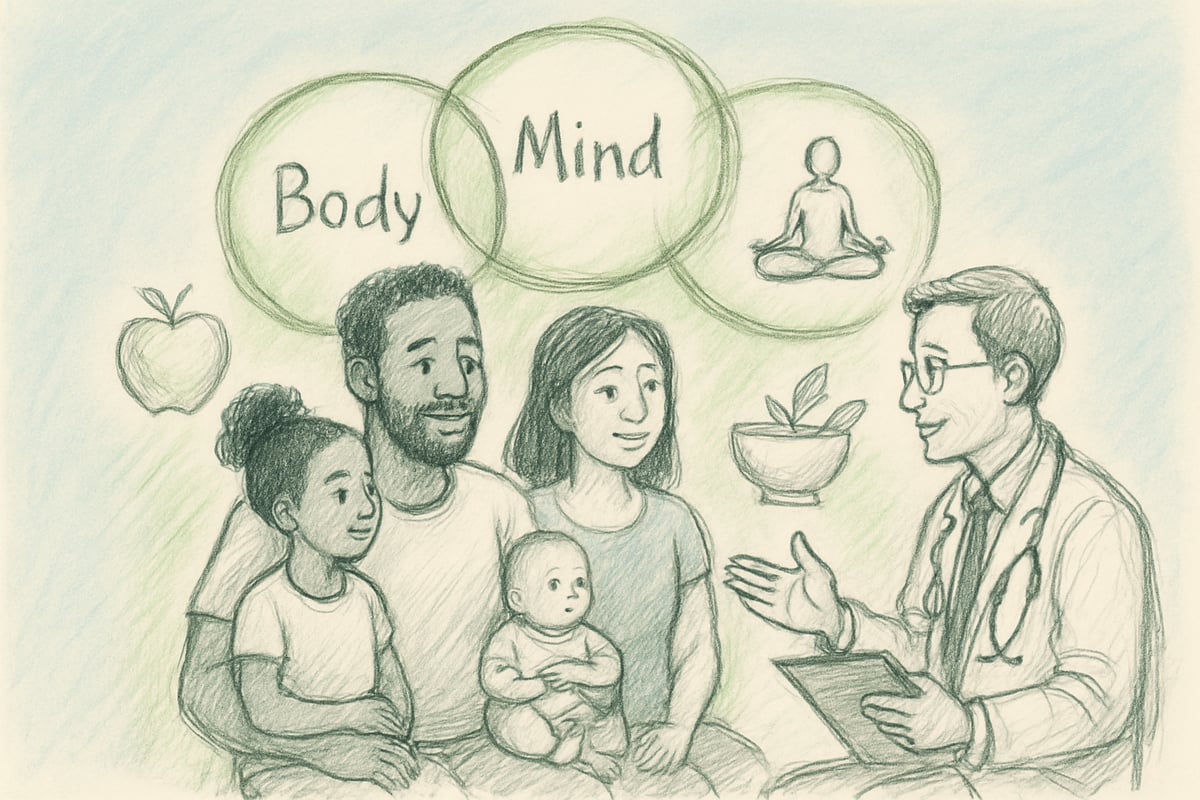
Defining Integrative Family Medicine
Integrative family medicine is a patient-centered model that unites conventional treatment with holistic therapies for every family member. Unlike traditional family medicine, which often focuses on diagnosing and treating symptoms, integrative family medicine prioritizes prevention, education, and lifestyle change.
Here’s how the two approaches compare:
| Aspect | Traditional Family Medicine | Integrative Family Medicine |
|---|---|---|
| Focus | Symptoms, acute care | Whole person, prevention |
| Modalities | Medications, procedures | Conventional + holistic therapies |
| Patient Role | Passive | Active, educated participant |
| Care Plan | Standardized | Personalized, family-centered |
Integrative family medicine empowers families to understand their health, make informed decisions, and embrace long-term wellness. Practices like Holistic Family Practice exemplify this approach by combining clinical care with education and community support.
Core Principles and Modalities
At its heart, integrative family medicine treats the whole person—body, mind, and spirit. This model uses evidence-based therapies alongside alternative modalities, including nutrition counseling, herbal medicine, mindfulness practices, and acupuncture.
Key principles include:
- Mind-body-spirit integration
- Root cause analysis, not just symptom management
- Personalized care plans for each family member
- Collaboration between providers and families
Integrative family medicine ensures that interventions are tailored, safe, and effective, blending the best of both worlds.
The Role of the Family in Integrative Care
In integrative family medicine, the family is recognized as the true unit of care. This model considers genetics, shared environments, and family dynamics when designing health strategies.
For example, families may participate in group nutrition planning or stress reduction workshops together. Recent CDC studies (2023) reveal that family-based interventions lead to better outcomes in chronic disease prevention and mental health.
By supporting collective goals, integrative family medicine strengthens both individual and family well-being.
The Evolution and Growth of Integrative Family Medicine
Integrative family medicine has seen remarkable growth over the past decade. The approach emerged as families sought more personalized, holistic solutions in a changing healthcare landscape.
In 2025, trends show rising demand for integrative care, increased use of digital health tools, and greater patient empowerment. According to a 2024 NIH survey, 35% of U.S. families reported using integrative health services. Regulatory bodies are expanding licensure and oversight for integrative practitioners, further legitimizing this model.
Integrative family medicine is now positioned at the forefront of whole-person, family-centered care.
The Integrative Family Medicine Process: Step-by-Step Guide for 2025
Embarking on the journey with integrative family medicine means embracing a structured, collaborative process designed to serve every member of your family. The following step-by-step guide outlines how families can access, personalize, and maximize the benefits of integrative family medicine in 2025. Each step builds upon the previous, supporting your family’s whole health journey.
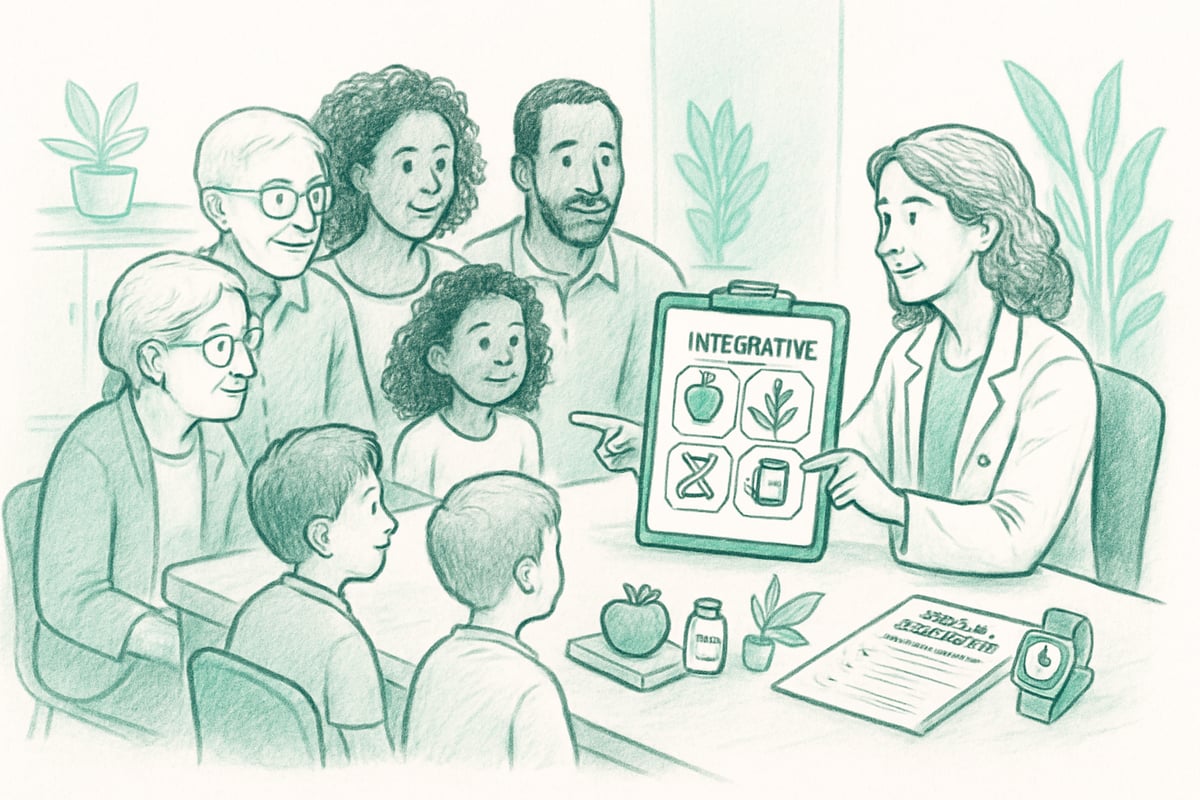
Step 1: Comprehensive Family Health Assessment
The integrative family medicine process begins with a thorough intake that explores each family member’s health history, lifestyle, environment, and genetics. This initial assessment sets the stage for individualized care.
Providers may use advanced diagnostics, such as functional laboratory tests, genetic screenings, and microbiome analyses. These tools help uncover hidden risks that might otherwise go unnoticed in standard care.
A multi-generational approach is often used. For example, a family with a history of heart disease may discover risk patterns through genetic and lifestyle analysis, allowing for early intervention. Many families now opt for virtual holistic consultations to make this step accessible and convenient.
Step 2: Personalized Care Planning
Once assessment is complete, integrative family medicine focuses on setting meaningful health goals for both individuals and the entire family. Practitioners design tailored interventions that may include nutrition, movement, stress management, and sleep hygiene.
A family wellness plan is often created to address shared concerns. For instance, a plan may target metabolic health for parents while also building emotional resilience in children. Each intervention is selected based on evidence and the unique needs of your family.
Personalized care ensures that every member, from children to elders, receives support that reflects their specific circumstances and aspirations.
Step 3: Integrating Conventional and Complementary Therapies
Integrative family medicine excels at blending conventional treatments with complementary therapies. Medications, supplements, herbal remedies, and lifestyle interventions are coordinated to maximize safety and effectiveness.
Safety is a top priority. Providers monitor for potential interactions and ensure that therapies are grounded in scientific evidence. For example, a child with asthma may benefit from standard inhalers alongside dietary adjustments and environmental improvements.
This integrated approach helps address the root causes of illness and enhances overall family wellness, providing a seamless continuum of care.
Step 4: Implementing Lifestyle and Preventive Strategies
Daily routines are the foundation of integrative family medicine. Families are guided to adopt nutrition, exercise, mindfulness, and sleep practices that fit their unique needs.
Behavior change is most successful when everyone participates. Tools such as habit trackers, group challenges, and shared meal planning foster accountability and motivation.
Data shows that families with shared wellness routines achieve 40 percent higher adherence to healthy habits. This collective effort makes prevention a natural part of everyday life.
Step 5: Ongoing Monitoring, Support, and Adjustment
Regular follow-ups are essential in integrative family medicine. Providers track progress through digital health tools, wearable devices, and in-person visits, making it easy to monitor changes and respond quickly.
Remote monitoring apps enable families to share real-time data on sleep, activity, and nutrition. For example, a parent may adjust their exercise plan based on trends from a fitness tracker, while the practitioner provides timely feedback.
This continuous support ensures that care plans remain effective and relevant as family needs evolve.
Step 6: Education and Empowerment
Education is central to integrative family medicine. Families are taught to interpret their own health data, read lab results, and make informed choices about care.
Workshops, online courses, and learning sessions build health literacy. For example, families might participate in sessions on reading food labels or managing stress together.
Empowered families feel more confident navigating health challenges and are better equipped to sustain positive changes over time.
Step 7: Community and Social Support
Connection is a key pillar of integrative family medicine. Families are encouraged to join wellness communities, support groups, and participate in local or virtual programs.
Peer support helps maintain motivation and accountability. Studies show participation in family wellness groups is linked to improved mental health outcomes and greater resilience.
By building a strong support network, families can sustain healthy habits and thrive together, making integrative family medicine a truly collaborative journey.
Key Benefits of Integrative Family Medicine for Whole Health
Imagine a healthcare approach that does not just treat illness, but actively nurtures every aspect of your family's well-being. Integrative family medicine is designed to do exactly that, offering a foundation for whole health that extends beyond traditional care.

Comprehensive Care for the Whole Family
Integrative family medicine provides truly comprehensive care, addressing physical, mental, emotional, and social health all at once. Instead of isolating symptoms or focusing on a single system, this model treats the family as a unit and looks at the interplay between genetics, lifestyle, and environment. This approach means that every family member receives support tailored to their unique needs, fostering a sense of connection and shared purpose.
Prevention and Proactive Wellness
One of the most significant advantages of integrative family medicine is its emphasis on prevention. By using personalized interventions—like nutrition planning, movement routines, and stress management—families can reduce their risk of chronic diseases. Early detection and lifestyle changes are prioritized, leading to healthier habits that last. Families who adopt shared wellness routines are more likely to stick with healthy behaviors, creating ripple effects for generations.
Enhanced Satisfaction and Empowerment
Families engaged in integrative family medicine consistently report higher satisfaction with their care. The collaborative model ensures that each voice is heard, leading to a sense of empowerment and active participation in health decisions. Education plays a key role, helping families understand their health data and make informed choices. When families feel supported and knowledgeable, they are more likely to achieve their health goals.
Better Outcomes in Chronic and Complex Conditions
Research shows that integrative family medicine can improve outcomes for conditions like diabetes, asthma, ADHD, and anxiety in family settings. By combining conventional treatments with holistic modalities—such as nutrition, mindfulness, and community support—families see real, measurable results. For example, studies report a 78% improvement in overall well-being after adopting integrative care, and a 60% reduction in emergency room visits. A recent Integrative Medicine Research at an Academic Medical Center study highlights significant improvements in patient quality of life and symptom control.
Cost-Effectiveness and Health Equity
Integrative family medicine is not just effective, it is also cost-efficient. Preventive strategies and early interventions help families avoid expensive procedures and hospitalizations in the long run. This approach is especially valuable for underserved or diverse populations, as it adapts care to cultural and community needs, bridging gaps in access and outcomes.
Summary Table: Key Benefits and Impact
| Benefit | Evidence/Statistic |
|---|---|
| Comprehensive, holistic care | Whole-person focus, family-as-unit approach |
| Improved prevention | 40% higher adherence to healthy habits |
| Enhanced satisfaction | Families feel empowered and engaged |
| Better chronic condition outcomes | 78% report improved well-being, 60% fewer ER visits |
| Cost-effectiveness | Reduced long-term expenses (CDC, 2024) |
| Health equity | Greater access for underserved populations |
Integrative family medicine is more than just a healthcare model. It is a pathway to thriving, resilient families who are equipped to navigate the complexities of modern life with confidence and health.
Integrative Family Medicine in Action: Real-Life Success Stories and Case Studies
Imagine walking into a clinic where your family's unique needs are at the center of every decision. Integrative family medicine brings this vision to life, transforming health journeys for countless families. By blending evidence-based medicine with holistic therapies, families experience more than just symptom relief—they find true, sustainable wellness.
Case Example: Overcoming Chronic Illness Together
Meet the Robinsons, a family with a long history of metabolic syndrome. Their integrative family medicine provider created a comprehensive plan that included personalized nutrition, group stress management sessions, and regular check-ins. Through collaborative goal setting and the use of digital health tools, the Robinsons learned to shop, cook, and eat together, fostering healthier habits for all.
Weekly mindfulness exercises helped reduce stress, while targeted supplements and conventional medications were coordinated for safety and effectiveness. Over 12 months, the family saw improved blood sugar levels, increased energy, and a newfound sense of connection. This holistic approach, supported by both medical expertise and lifestyle change, gave them results traditional methods had failed to deliver.

Case Example: Managing Childhood ADHD Holistically
For the Chens, integrative family medicine offered hope for their son's ADHD. Rather than relying solely on medication, their care plan included mindfulness training, dietary adjustments, and close collaboration between pediatricians and holistic therapists. The family received education on how certain foods and environmental triggers could affect behavior.
Within months, the Chens noticed improved focus and fewer emotional outbursts. Group sessions on emotional regulation empowered the entire family, not just the child. By addressing the root causes and supporting the family as a unit, their provider demonstrated how integrative family medicine can unlock potential in children and foster resilience for life.
Multi-Generational Healing: Addressing Trauma and Genetics
Some families face health challenges that span generations. The Johnsons sought integrative family medicine after years of dealing with anxiety, heart disease, and unresolved trauma. Their care team developed a plan that included genetic screening, counseling, group therapy, and heart-healthy lifestyle interventions.
Through consistent support and community engagement, the Johnsons made remarkable progress. They participated in yoga classes, attended nutrition workshops, and joined a local wellness group. According to the Family Health Outcomes Study (2023), families like the Johnsons participating in integrative programs reported a 60% reduction in ER visits.
Real-World Results and Patient Voices
- Families using integrative family medicine report:
- Less reliance on emergency care
- Improved mental and physical health
- Greater satisfaction with their care
- Testimonials highlight the value of feeling heard, empowered, and engaged in the healing process.
One parent shared, "Our integrative family medicine team helped us understand our health in ways we never imagined. We now feel confident managing both chronic and everyday concerns."
If you are curious about the range of services that make these outcomes possible, explore the holistic health clinic services many families rely on for their care. For a deeper dive into practical applications and patient experiences, review this assessment of integrative medicine primary care models.
Integrative family medicine is more than a trend—it is a proven, adaptable pathway to whole health for families. Each case story demonstrates how personalized, collaborative care can create lasting change and empower every generation.
How to Choose an Integrative Family Medicine Provider
Selecting the right integrative family medicine provider is essential for your family's health journey. The process requires careful evaluation of credentials, philosophy, and practical fit with your family's needs. Here is a step-by-step approach to guide your decision.
Credentials and Experience
Begin by reviewing the qualifications of any integrative family medicine provider you consider. Look for board certification in family medicine, which ensures foundational clinical expertise. Additional training in integrative or functional medicine is crucial, as it signals a commitment to blending holistic and conventional care.
Providers with experience treating families across all ages bring extra value, as they understand the dynamics of multi-generational care. When possible, investigate if the clinic participates in structured programs or studies, such as those outlined in the IMPACT Study Protocol, which help set standards for integrative family medicine practice.
Interviewing Providers and Red Flags
Before making your choice, schedule an initial interview or consultation. Ask about the provider's philosophy on integrative family medicine, the range of modalities offered, and how they approach collaboration with patients. Inquire about patient education and how the clinic supports ongoing learning for families.
Watch for red flags such as promises of miracle cures, reluctance to discuss conventional therapies, or vague explanations of treatment plans. A trustworthy provider will welcome your questions and provide transparent, evidence-based answers.
Clinic Comparison and Cultural Competence
Comparing clinics helps clarify which environment best suits your family. Consider the following table:
| Feature | Holistic Team-Based Clinic | Conventional Solo Practice |
|---|---|---|
| Care Approach | Collaborative, integrative | Physician-led, standard |
| Modalities Offered | Conventional + holistic | Primarily conventional |
| Patient Education | Workshops, resources | Limited |
| Community Support | Peer groups, events | Rare |
Cultural competence matters. Choose a provider who values inclusivity, respects cultural backgrounds, and adapts care accordingly. Studies show that strong patient-provider alignment in integrative family medicine increases treatment adherence by 50 percent, leading to better outcomes.
Finding Resources and Final Tips
Utilize directories from integrative medicine associations, online reviews, and referrals from trusted community members to find reputable providers. Professional organizations often list practitioners who meet rigorous standards for integrative family medicine.
When evaluating clinics, consider reading about successful models in whole person care, such as those discussed in Implementing Whole Person Primary Care. Ultimately, the best provider will offer clear communication, a collaborative spirit, and a care plan tailored to your family's unique needs.
As you explore the possibilities of integrative family medicine and what it means for your family’s health in 2025, remember that real change begins with taking the first step. If you’re ready to experience holistic healthcare that honors both science and your personal values, let’s connect. You can ask questions, share your concerns, and discover how our personalized approach can help your family thrive—body, mind, and spirit. Take the next step toward empowered, whole-family wellness by Booking a Discovery Call. I look forward to partnering with you on your journey to lasting health.